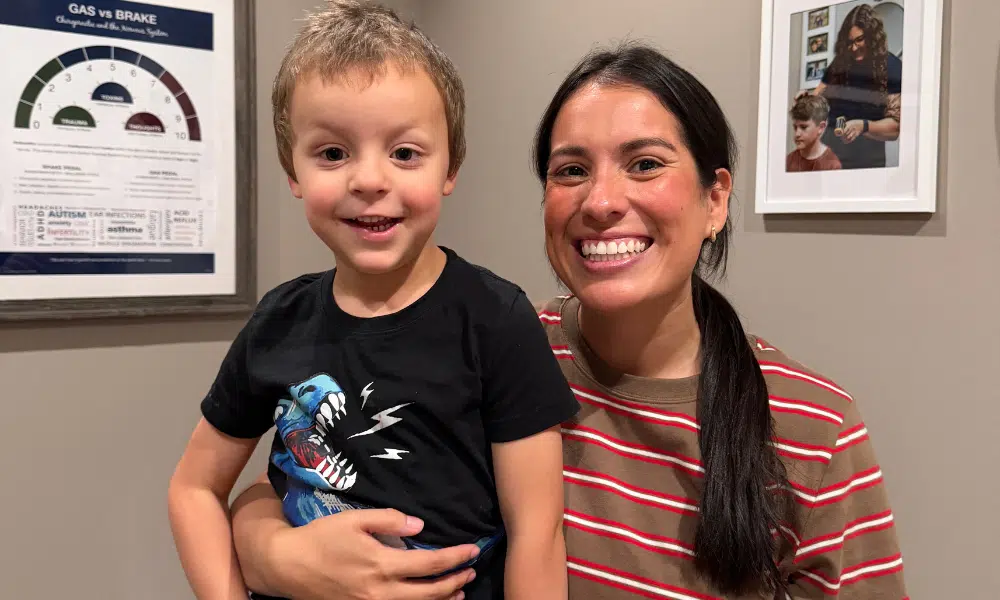

Only parents of a child struggling with PANDAS know how quickly and seemingly overnight your typically happy, easygoing child can suddenly become consumed by intense fears, repetitive behaviors, and uncontrollable outbursts. Almost in an instant, your entire family’s life is turned upside down by what appears to be a severe case of Obsessive-Compulsive Disorder (OCD). So often, parents are left searching for answers, wondering how this could have happened so suddenly.
This is the reality for many parents whose children are affected by Pediatric Autoimmune Neuropsychiatric Disorders Associated with Streptococcal Infections (PANDAS) or Pediatric Acute-onset Neuropsychiatric Syndrome (PANS). Unlike traditional OCD, which tends to develop gradually, PANDAS is characterized by the rapid onset of signs following a streptococcal (strep) infection, such as strep throat or scarlet fever.
While the exact prevalence of PANDAS is unknown, research suggests that it may affect as many as 1 in 200 children who have had a strep infection. However, many experts believe that PANDAS may be underdiagnosed, as the sudden onset of signs can be mistaken for other conditions or attributed to environmental factors.
But what causes this sudden change in behavior, and more importantly, what can be done to help children with PANDAS reclaim their lives? The answer lies in understanding the nervous system’s critical role in this condition and in exploring a drug-free approach to care that addresses the root cause of the symptoms.
What is PANDAS OCD?
PANDAS, or Pediatric Autoimmune Neuropsychiatric Disorders Associated with Streptococcal Infections, is a subset of OCD that occurs when a child’s immune system mistakenly attacks the brain following a strep infection. This reaction is believed to cause inflammation in the basal ganglia, a region of the brain responsible for movement, cognition, and emotion regulation.
One of the key differences between PANDAS and traditional OCD is the speed at which signs appear. In PANDAS, it’s common for signs of sudden onset OCD in adults and children, typically within a few days of contracting a strep infection. This is in stark contrast to traditional OCD, where signs tend to develop gradually over time.
Another distinguishing factor is the presence of other neurological signs in addition to OCD. Children with PANDAS may also experience:
- Tics (sudden, repetitive movements or sounds)
- Severe separation anxiety
- Mood changes, such as irritability or aggression
- Difficulty with fine motor skills, such as handwriting
- Urinary frequency or bedwetting (enuresis)
Identifying PANDAS early requires a deep understanding of its unique neurological impact – allowing parents and providers to act quickly, intervene appropriately, and improve long-term outcomes.
Symptoms of OCD in PANDAS
Children with PANDAS OCD experience a wide range of symptoms that can significantly impact their daily lives. These symptoms can be categorized into three main areas: obsessive-compulsive symptoms, vocal and motor tics, and other neuropsychiatric signs.
Obsessive-Compulsive Symptoms:
- Intense fears or worries, such as fear of germs, contamination, or harm
- Repetitive behaviors or rituals, such as excessive handwashing, counting, or arranging objects
- Intrusive thoughts that cause significant distress
- Difficulty transitioning or adapting to changes in routine
Motor and Vocal Tics:
- Sudden, repetitive movements, such as blinking, facial grimacing, or shoulder shrugging
- Uncontrollable sounds or vocalizations, such as throat clearing, sniffing, or grunting
- Complex tics that involve a combination of movements and sounds
- Tics that worsen during periods of stress or fatigue
Other Neuropsychiatric Symptoms:
- Severe separation anxiety or panic attacks
- Mood changes, such as irritability, aggression, or emotional lability
- Behavioral regression, such as temper tantrums or baby talk
- Difficulty with fine motor skills, such as handwriting or buttoning clothes
- Sensory issues, such as sensitivity to light, sound, or textures
- Sleep disturbances, such as insomnia or nightmares
- Urinary frequency or bedwetting
It’s important to note that the severity and combination of signs can vary from child to child. Some children may experience only a few signs, while others may exhibit a wide range of signs that significantly disrupt their daily functioning.
Recognizing these signs early and seeking appropriate care is crucial for supporting a child’s recovery and overall well-being. By working with healthcare providers who understand the complexities of PANDAS OCD, parents can help their children manage symptoms and work towards healing.
One of the greatest challenges parents face is that conventional medicine often struggles to even recognize or validate what’s happening—while many functional or integrative providers stop at the immune system and lab findings, missing the deeper, foundational issue: a dysregulated, subluxated nervous system driving the entire condition.
The “Perfect Storm” of Causes Leading to PANDAS
The development of PANDAS OCD is often the result of a “Perfect Storm” of factors that converge to trigger the condition, but are so often overlooked as root cause triggers because they occur so early in a child’s life. This concept helps explain why some children develop PANDAS while others do not, even when exposed to strep and other infections, immune challenges, seasonal changes, and other environmental factors.
The “Perfect Storm” isn’t caused by the infection itself – it’s the fire already burning beneath the surface. Strep and environmental triggers simply act as the spark that turns hidden neurological stress into a full-blown blaze of autoimmune issues and neuroinflammation.
This explains why not all children who contract strep will develop PANDAS, suggesting that other factors play a role in the condition’s onset and rapid development.
Genetic predisposition is one piece of the puzzle. Research has not identified a specific gene, but strong evidence suggests that certain genetic variations may increase a child’s risk of developing PANDAS. This genetic predisposition may help explain why PANDAS is more common and severe for some children, but certainly does not explain everything – the “Perfect Storm” and environmental triggers are clearly the biggest component of PANDAS and OCD that families need to understand and be able to address fully.
Prenatal and early childhood risk factors also contribute to the Perfect Storm. These include:
- Fertility challenges, along with maternal stress during pregnancy, can impact fetal brain development
- Birth trauma, such as C-section delivery or the use of forceps or vacuum extraction, can cause physical stress on the infant’s nervous system and brainstem
- Frequent antibiotic use in early childhood, which can alter the gut microbiome and impact immune function, along with other “toxic load” exposures such as vaccinations, other medications, environmental pollutants, food additives, and so much more
The cumulative effect of these factors can create a “primed” neuro-immune system that is more susceptible to the autoimmune response triggered by a strep infection, other infections, and seasonal shifts. When this Perfect Storm converges, it can lead to the sudden onset of PANDAS symptoms such as OCD, motor tics, emotional dysregulation, and the associated neurological dysfunction.
The Role of the Nervous System in PANDAS and OCD
In addition to the immune system, the nervous system plays a critical role in the development and progression of PANDAS OCD. Three (3) key components of this system are the vagus nerve, subluxation, and nervous system dysregulation.
The vagus nerve, sometimes called the “wandering nerve,” is the longest cranial nerve in the body. It connects the brain to various organs, including the digestive system, heart, and lungs. This nerve is responsible for regulating many functions, such as heart rate, digestion, and most importantly for this conversation, immune response and inflammatory control.
When the vagus nerve dysfunction is present, it can contribute to a variety of symptoms, including those observed in PANDAS OCD. As a crucial part of the Parasympathetic Nervous System (PNS), the vagus nerve carries approximately 75% of all parasympathetic fibers, making it integral to regulating the body’s rest-and-digest responses.
Subluxation, as defined in Neurologically-Focused Chiropractic Care, is a state of dysfunction within the NeuroSpinal System that interferes with communication between the brain and body – disrupting how the nervous system regulates and coordinates vital systems like the gut and microbiome, immune function, hormones, and more.
Together, vagus nerve dysfunction and subluxation can contribute to the development of dysautonomia, an imbalance in the Autonomic Nervous System. This imbalance can cause the “fight or flight” Sympathetic Nervous System to become overactive, while the “rest, regulate, and digest” Parasympathetic Nervous System becomes underactive. This state of chronic stress can exacerbate PANDAS signs and hinder the body’s natural healing processes.
Conventional Medical Approach to PANDAS and OCD
Conventional medical treatment for PANDAS OCD typically focuses on suppressing symptoms through the use of antibiotics, psychiatric medications, and cognitive-behavioral therapy. While these approaches can provide some relief, they often fail to address the underlying neurological dysfunction that contributes to the condition.
Antibiotics may help treat the initial strep infection, but they do not address the autoimmune response or the resulting inflammation in the brain, nor do they address the deeper layers of neurological dysfunction and dysautonomia.
Psychiatric medications, such as selective serotonin reuptake inhibitors (SSRIs) and antipsychotics, can help manage OCD symptoms and other neuropsychiatric symptoms, but they come with a risk of side effects and do not address the root cause of the condition.
The PX Docs Approach of Neurologically-Focused Chiropractic Care
At PX Docs, we take a different approach to PANDAS OCD, one that focuses on identifying and addressing the underlying neurological imbalances that contribute to the condition. This approach, called Neurologically-Focused Chiropractic Care, aims to restore proper function to the nervous system, particularly the vagus nerve and brainstem.
The first step in this approach is to conduct a thorough assessment of neurological function using the INSiGHT Scans, which provide a detailed picture of the child’s level of nervous system dysregulation, vagus nerve dysfunction, dysautonomia, subluxation, and so forth.
These scans include:
- Thermal scans to assess autonomic nervous system function
- Surface electromyography (sEMG) to identify areas of subluxation and neuro-sensori-motor tension, asymmetry, and incoordination
- Heart rate variability (HRV) testing to evaluate vagal tone and overall stress resilience (adaptability)
The INSiGHT Scans are remarkable in their ability to help us not only detect the “hidden in plain sight” foundational triggers of these neurological disorders, but they also help us quantify or “score” the severity of the dysfunction, as well as map out what are called the subluxation patterns and their primary locations.
Based on the results of these scans, our PX Docs can develop a fully personalized care plan tailored to that specific patient and designed to restore balance, regulation, and optimal function to the nervous system through a series of adjustments commonly spread out over several months.
Caleb’s story is a perfect example of how transformative Neurologically-Focused Chiropractic Care can be. In 4th grade, Caleb was suddenly overcome by prominent motor tics, mood swings, trouble focusing, and eventually, a PANDAS diagnosis. After visiting “every specialist under the sun” — neurologists, psychiatrists, and multiple medications — his symptoms persisted, his grades dropped, and he felt increasingly isolated.
Everything changed when his family found their local PX Docs office. His INSiGHT Scans revealed significant neurological dysregulation and subluxation patterns that had gone undetected, giving them a clear picture of why he was struggling.
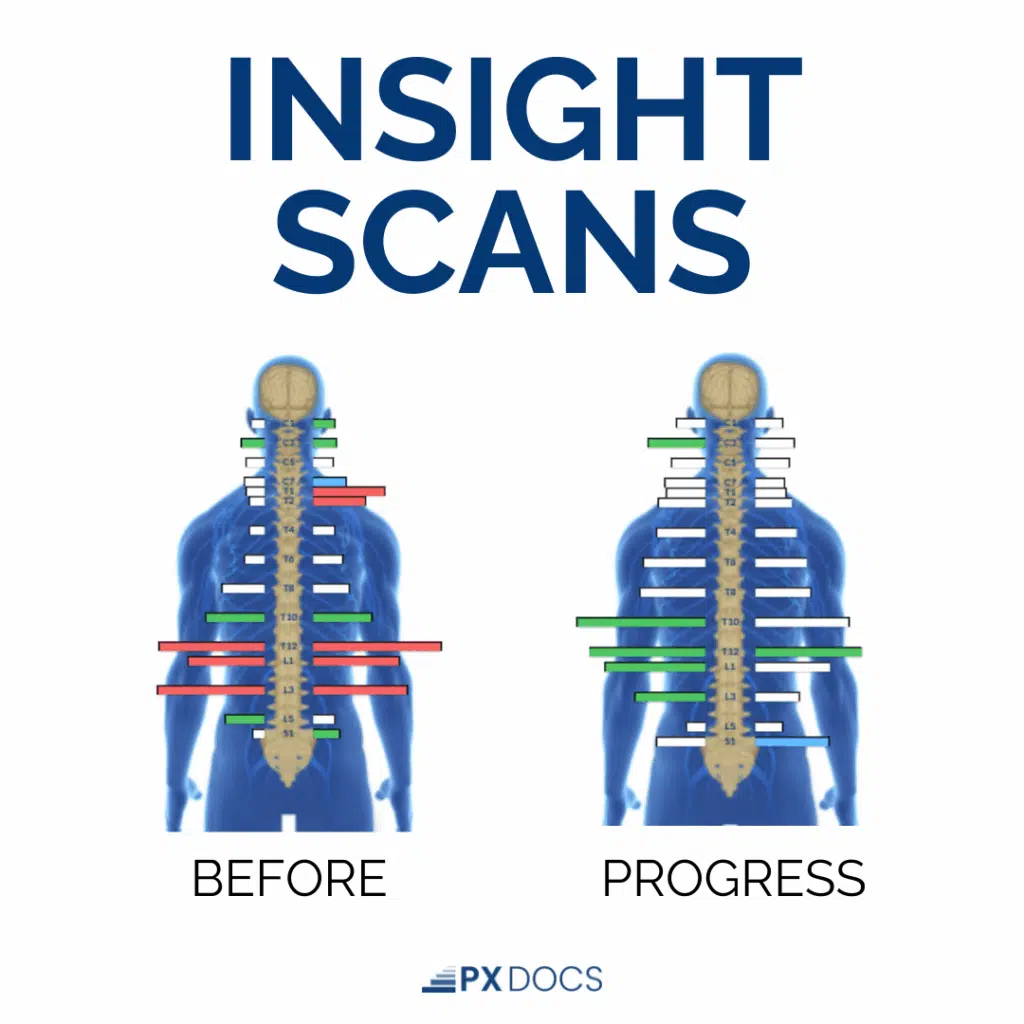
Once Caleb began his personalized care plan, the progress was unmistakable. His tics started disappearing, his mood stabilized, and his focus improved. Today, his mom reports a 90% reduction in tics, rising grades, and better social engagement. With his nervous system now more regulated, he’s also successfully working through a PANDAS protocol with his integrative pediatrician — with even more hope on the horizon.
Caleb’s story is a powerful reminder that when the nervous system is addressed at its foundation, true healing becomes possible.
By addressing the root cause of PANDAS OCD, rather than just managing symptoms, Neurologically-Focused Chiropractic Care has the potential to provide a vastly improved quality of life, greater resilience and neurological stability, and promote true healing.
This approach also empowers parents to take an active role in their child’s recovery, working in partnership with their healthcare providers to support their child’s overall well-being.
In cases like PANS/PANDAS and OCD, true healing requires the right partners – and the right sequence. We work closely with high-level functional medicine providers to address immune, infectious, and metabolic factors after the nervous system foundation is stabilized, ensuring each layer of care actually holds.
Empowering Parents to Seek Drug-Free Care
Navigating a diagnosis of PANDAS and OCD can be overwhelming for parents, who may feel helpless in the face of their child’s sudden and severe symptoms. The feeling of constantly being on a roller coaster and not being able to know whether it’s a good day
However, it is important to remember that there is hope for healing and that parents play a crucial role in their child’s recovery.
By seeking out drug-free care that addresses the root cause of PANDAS OCD, rather than just managing symptoms, parents can help their children achieve lasting relief and improve their overall quality of life. This may involve working with a team of healthcare providers, including a PX Docs chiropractor, to develop a care plan that supports the child’s physical, emotional, and neurological well-being.
Empowering yourself with knowledge and seeking out the right care, you can help your children overcome the challenges of PANDAS OCD and reclaim their lives. If you suspect that your child may be struggling with this condition, we encourage you to visit the PX Docs Directory to find a qualified practitioner in your area who can help your family begin the journey toward healing.
Remember, you are not alone in this struggle, and there is hope for a brighter future. With the right support and care, your child can learn to manage their symptoms, build resilience, and achieve their full potential.