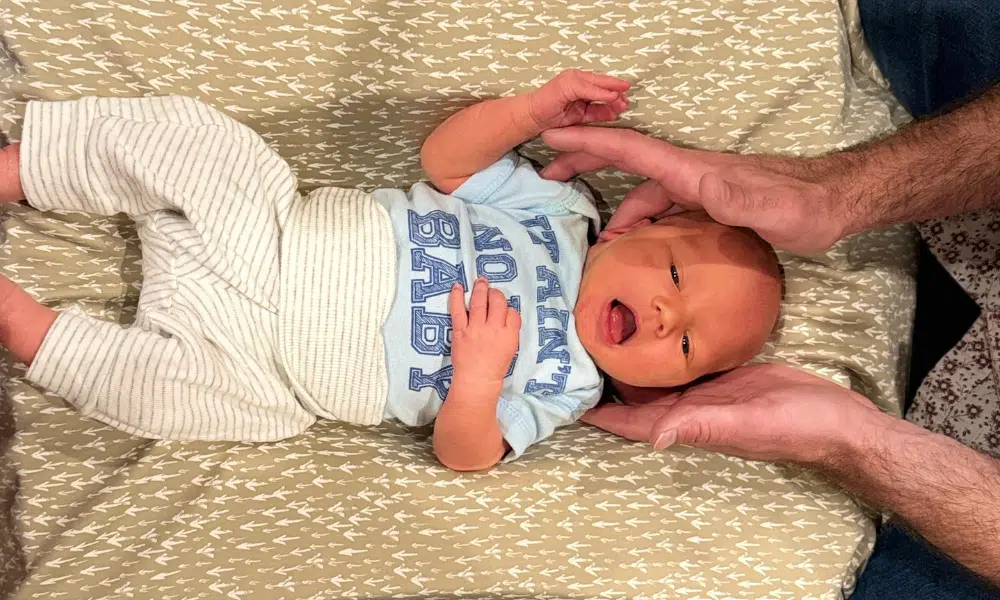

Nervous system dysregulation is a condition in which the Autonomic Nervous System loses its ability to balance the sympathetic “fight or flight” stress response and the parasympathetic “rest and regulate” response. This imbalance disrupts how the brain and body communicate, affecting everything from digestion, sleep, and immune function to emotional regulation, sensory processing, and behavior in children and adults alike.
As a parent, have you ever wondered why your child struggles with experiences that come easily to others? Frequent meltdowns, chronic stomach aches, sensory overload, mood swings—these challenges may seem unrelated, but they often point to one underlying issue: nervous system dysregulation. Your child might be stuck in fight-or-flight mode, unable to relax even when they’re safe.
The numbers tell a hard story. Chronic disease in children has reached a shocking 30%—virtually nonexistent just a few generations ago. The CDC now reports 1 in 31 children diagnosed with Autism Spectrum Disorder, nearly 12% of children aged 3-17 with ADHD, and since 2010, major depression among teenagers has risen 145% in girls and 161% in boys. These aren’t isolated statistics; they’re all connected to a malfunctioning nervous system.
In this article, we’ll break down what nervous system dysregulation really is, the role of the Autonomic Nervous System, and what you can actually do about it.
What Is Nervous System Dysregulation?
Nervous system dysregulation is a state of imbalance or dysfunction within the body’s central control network. This intricate system, which includes the brain, spinal cord, and vast sensory and motor nerves, acts as the command center for all bodily functions. When working optimally, the nervous system maintains balance, allowing us to respond appropriately to our environment.
However, when the nervous system becomes dysregulated, it can lead to symptoms that affect every aspect of a child’s quality of life. This dysregulation can show up as either hyperarousal—where the child is constantly anxious and on edge—or hypoarousal, where they appear shut down, disconnected, or emotionally numb.
For children experiencing nervous system dysregulation, the world often feels unsafe or overwhelming. They might describe feeling like “I can’t calm down,” “everything is too much,” or “my body won’t listen to me.” Younger children may show it through frequent meltdowns, difficulty with transitions, or seeming unable to self-soothe.
Common symptoms of nervous system dysregulation include:
- Emotional dysregulation, such as anxiety, depression, or mood swings
- Behavioral issues like impulsivity, aggression, or social withdrawal
- Cognitive challenges, including difficulty focusing, learning, or remembering
- Physical symptoms, such as chronic pain, digestive issues, or sleep disturbances
- Immune system dysfunction, such as chronic inflammation or congestion
- Sensory sensitivity to lights, sounds, textures, or movements
- Hypervigilance or constant alertness, even when safe
- Brain fog or panic attacks
What Role Does the Autonomic Nervous System Play in Dysregulation?
The Autonomic Nervous System (ANS) is the primary driver of nervous system dysregulation. It controls involuntary functions like heart rate, breathing, digestion, and blood pressure, and consists of two main branches:
- The Sympathetic Nervous System (SNS): This is the body’s “gas pedal,” activating the fight-or-flight stress response during times of stress or perceived danger. When your child’s sympathetic system kicks in, their heart rate increases, breathing gets shallow, muscles tense up, and digestion shuts down—everything primed for survival mode.
- The Parasympathetic Nervous System (PNS): Known as the “brake pedal” or “rest, regulate, and digest” response, it promotes relaxation, rest, and healing.
Think of it this way: when your child’s nervous system is working well, they can press the gas pedal when they need energy and focus, then press the brake pedal when it’s time to calm down. But with nervous system dysregulation, it’s like having one foot stuck on the gas and one on the brake at the same time—creating internal chaos and exhaustion.
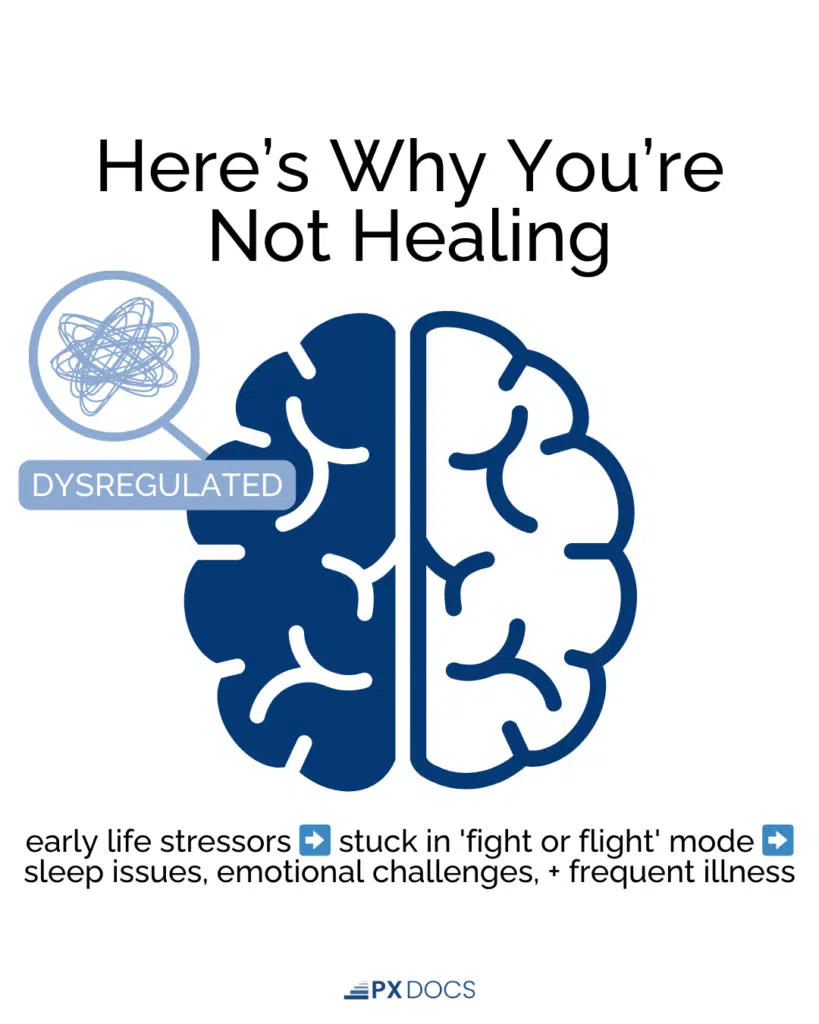
A key component of the parasympathetic system is the vagus nerve. We now know that vagal tone and function play an important role in social, emotional, behavioral, and communication functions. In short, vagus nerve dysfunction and overall nervous system dysregulation go hand in hand.
In a healthy nervous system, the SNS and PNS work together to maintain homeostasis. However, when “rest and regulate” can’t activate appropriately, this balance is disrupted, leading to dysautonomia—an imbalance in the Autonomic Nervous System, also known as pediatric dysautonomia when it affects children.
This Autonomic Nervous System dysfunction underlies many of the challenges we see in children with Autism, ADHD, Sensory Processing Disorder, and emotional dysregulation. This shared dysfunction is the common thread connecting conditions that conventional medicine often treats as separate diagnoses.
Understanding Heart Rate Variability (HRV) and the Window of Tolerance
One of the most objective ways we measure nervous system health is through heart rate variability, or HRV. This measures the variation in the time between each heartbeat—indicating how flexible and adaptable your child’s nervous system is.
A healthy, well-regulated nervous system shows high HRV, meaning the time between heartbeats varies appropriately. This flexibility reflects a wide “window of tolerance”—the zone where your child can handle stress, process emotions, and function well. When dysregulated, we see low HRV, indicating the system is stuck in a rigid pattern with a narrowed window of tolerance. Even minor stressors push the child outside their capacity to cope. This is one of the key measurements we track with INSiGHT Scanning technology.
Advanced Understanding: Polyvagal Theory and Neuroception
Recent advances in neuroscience, particularly Polyvagal Theory, show that the Parasympathetic Nervous System actually has two branches. The ventral vagal pathway promotes social engagement and safety. The dorsal vagal pathway triggers shutdown and freeze responses when overwhelmed.
A key concept here is neuroception—the nervous system’s unconscious ability to detect safety or threat in the environment. In children with nervous system dysregulation, neuroception is impaired. Their nervous system perceives danger even in safe situations, keeping them stuck in protective stress responses. This helps us recognize why some children appear anxious and hyperactive, while others seem withdrawn—both are signs of dysregulation, just expressed differently through faulty neuroception.
What Causes Nervous System Dysregulation in Children?
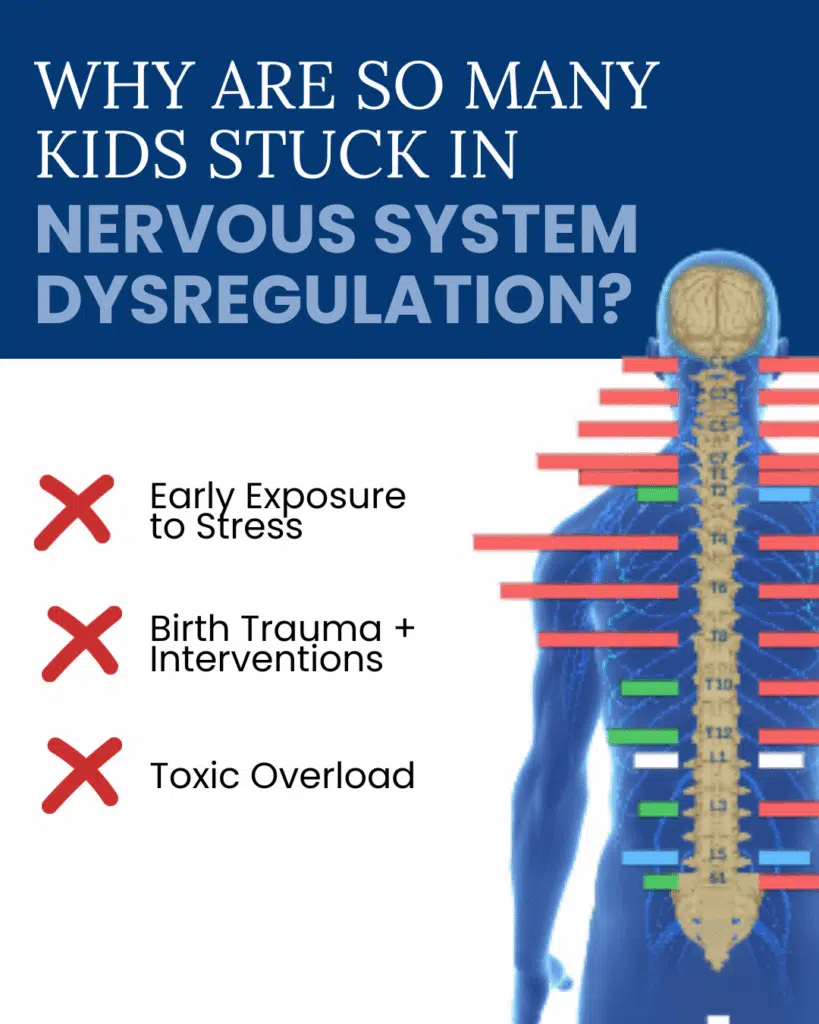
Nervous system dysregulation in children most often develops through a combination of stressors we call “The Perfect Storm.”
“The Perfect Storm” consists of three core components that create nervous system dysfunction:
1. Prenatal Stress and Early Neurological Exposure
The first part of the “Perfect Storm” begins before a child is born. When a mother experiences chronic stress during pregnancy, stress hormones like cortisol cross the placenta and alter the developing baby’s nervous system. Elevated cortisol levels make a child more susceptible to dysregulation and excessive sympathetic dominance before they’re even born.
Challenges such as fertility struggles, maternal stress and trauma during pregnancy, and prenatal complications all create early neurological stress during this sensitive developmental window. The baby’s Autonomic Nervous System—especially the vagus nerve—is incredibly susceptible during this time.
2. Birth Trauma and Interventions
The second component involves the birth process itself. Traumatic births involving interventions like forceps, vacuum extraction, or cesarean section can cause physical stress and injury to a baby’s delicate nervous system, disrupting brain-body communication in the critical brainstem area. This area functions as “Air Traffic Control” for the entire nervous system.
With C-section ratesexceeding 30% in the U.S. and interventions becoming increasingly common, more children than ever experience this early nervous system stress. These early birth trauma experiences create lasting dysregulation patterns that show up as colic and sleep problems in infancy—then progress to anxiety, ADHD, and other challenges as the child grows.
3. Toxic Load and Early Childhood Stressors
The third component involves what happens after birth during early childhood. As infants grow, they encounter an unprecedented combination of environmental stressors:
- Chronic illnesses and infections
- Frequent antibiotic use that disrupts the gut microbiome and gut-brain axis
- Environmental toxins like heavy metals, pesticides, and preservatives
- Sensory overload from bright lights, loud noises, or chaotic environments
- Excessive screen time and technology use
- Poor diet and nutrient deficiencies
- Lack of physical activity and time in nature
These challenges accumulate and contribute to developing subluxation and autonomic dysfunction. Dysregulation doesn’t happen overnight—it builds through cumulative effect during the most sensitive periods of development, when the nervous system is most vulnerable and impressionable. This is why early intervention matters so much.
How Does Nervous System Dysregulation Show Up in Children?
Nervous system dysregulation shows up in four distinct trauma response patterns. Understanding these helps you recognize what’s really happening when your child struggles.
- Fight Response: Aggression, oppositional behavior, frequent tantrums. These kids are often labeled “difficult” or “defiant.”
- Flight Response: Always in motion, avoiding overwhelming situations, restless. This can overlap with ADHD signs.
- Freeze Response: The nervous system shuts down. They appear “spaced out,” have difficulty making decisions, or show dissociation.
- Fawn Response: People-pleasers who prioritize others’ needs over their own. This isn’t true regulation—it’s a stress response masquerading as compliance.
Many parents and professionals mistake freeze and fawn responses for good behavior. At PX Docs, our neurological assessments look for all four patterns, not just obvious fight-or-flight presentations.
While every child is unique, common signs of a dysregulated nervous system include:
- Physical: Chronic pain, headaches, digestive issues, respiratory problems, sleep disturbances, fatigue, recurrent illnesses, food sensitivities
- Cognitive & Emotional: Difficulty concentrating, poor memory, learning challenges, anxiety, mood swings, low frustration tolerance, brain fog, panic attacks
- Behavioral: Hyperactivity, impulsivity, aggression, social withdrawal, difficulty with transitions, rigid behaviors, tics
Many of these symptoms overlap with Autism Spectrum Disorder, ADHD, Sensory Processing Disorder, and PANS/PANDAS.
Research has shown that nervous system dysregulation may be a common underlying factor in many of these conditions. Studies found children with ASD often exhibit sympathetic dominance and reduced parasympathetic tone. Similarly, children with ADHD show lower heart rate variability compared to neurotypical peers.
Can Adults Have Nervous System Dysregulation Too?
If you’re reading this as an adult who struggles with anxiety, difficulty relaxing, chronic pain, or feeling constantly “on edge,” you might be recognizing your own nervous system in these descriptions. Many adults discover their nervous system was dysregulated as children, but without intervention, these patterns persisted into chronic stress responses, mental health conditions, and physical health challenges.
Even in adulthood, your nervous system maintains neuroplasticity—the ability to create new patterns. Healing is absolutely possible. And here’s something important: your nervous system state directly affects your children. Parents stuck in chronic stress patterns struggle to provide the co-regulation children need. When you heal your own nervous system, you become a source of calm and regulation for your child. This is why family wellness is core to the PX Docs approach—healing often needs to happen for the whole family.
Why Do Conventional Approaches Fall Short for Nervous System Dysregulation?
When addressing nervous system dysregulation, conventional medical approaches often fall short. Studies suggest that up to 1 in 6 children may experience challenges related to nervous system dysregulation, yet many healthcare providers aren’t well-versed in recognizing autonomic dysfunction, leading to misdiagnosis and frustration.
Dysregulation signs set in early, showing up as colic, constipation, and chronic ear infections in infants. However, these conditions are often dismissed as “normal” by conventional pediatricians who tell parents, “Don’t worry, they’ll grow out of it.”
We’re not categorically against medication—it can be important in severe cases. However, medication alone doesn’t address why the nervous system became dysregulated. It manages symptoms but cannot retrain the nervous system to regulate itself naturally. Medication affects neurotransmitters without addressing the neurological interference—the subluxation and dysautonomia—that created the imbalance.
The conventional model also relies on a fragmented approach, with children seeing multiple specialists for each symptom, without addressing the nervous system as the common thread connecting them.
How Can You Heal a Dysregulated Nervous System?
Healing nervous system dysregulation requires addressing the neurological root cause, not just managing symptoms. The answer is a comprehensive approach.
Conventional medicine offers medication and therapy referrals. Functional medicine focuses on diet, supplements, and gut healing. What PX Docs offers is neurological correction—addressing the subluxation and dysautonomia that keep the nervous system stuck. We’re not anti-therapy or anti-medication when appropriate. We address what others miss: the neurological root cause.
Understanding Subluxation
Subluxation is far more than a structural issue—it’s a neurological dysfunction characterized by three main components:
- Misalignment: Altered positioning within the neurospinal system
- Fixation & Restricted Motion: Abnormal tension leading to reduced range of motion
- Neurological Interference: Disruption of neurosensory input, creating nervous system imbalance
Think of subluxation as neurological interference—areas where the nervous system is “stuck” in stress response. When present in the upper cervical spine, it can directly affect the brainstem’s ability to regulate the Autonomic Nervous System.
Our gentle adjustments remove the interference holding the nervous system in dysregulated patterns. Once released, the body’s innate intelligence takes over, restoring natural regulation. This is how children who have been stuck in fight-or-flight for years can finally access their parasympathetic “rest and regulate” system.
The care process typically begins with a comprehensive neurological assessment, including INSiGHT scans that give us an objective picture of where and how severely the nervous system is dysregulated. From there, we build a customized adjusting protocol targeting the specific subluxation patterns driving your child’s challenges.
Most families begin noticing initial improvements in what we call neurological “soft signs”—better sleep, improved digestion, calmer behavior during transitions—before more complex functions like emotional regulation and sensory processing begin to shift. The nervous system didn’t become dysregulated overnight, and healing happens in layers as the body restores disrupted communication pathways.
How Do INSiGHT Scans Measure Nervous System Dysregulation?
We use advanced INSiGHT Scanning Technology to objectively assess nervous system dysregulation, subluxation, and dysautonomia:
- NeuroThermal Scan: Measures temperature variations indicating where the Autonomic Nervous System isn’t regulating properly.
- NeuroSpinal EMG: Measures muscle tension to identify where the nervous system holds chronic stress patterns.
- Heart Rate Variability (HRV): Measures autonomic function and vagal tone directly. High HRV indicates a flexible, resilient nervous system. Low HRV shows a rigid, stuck system.
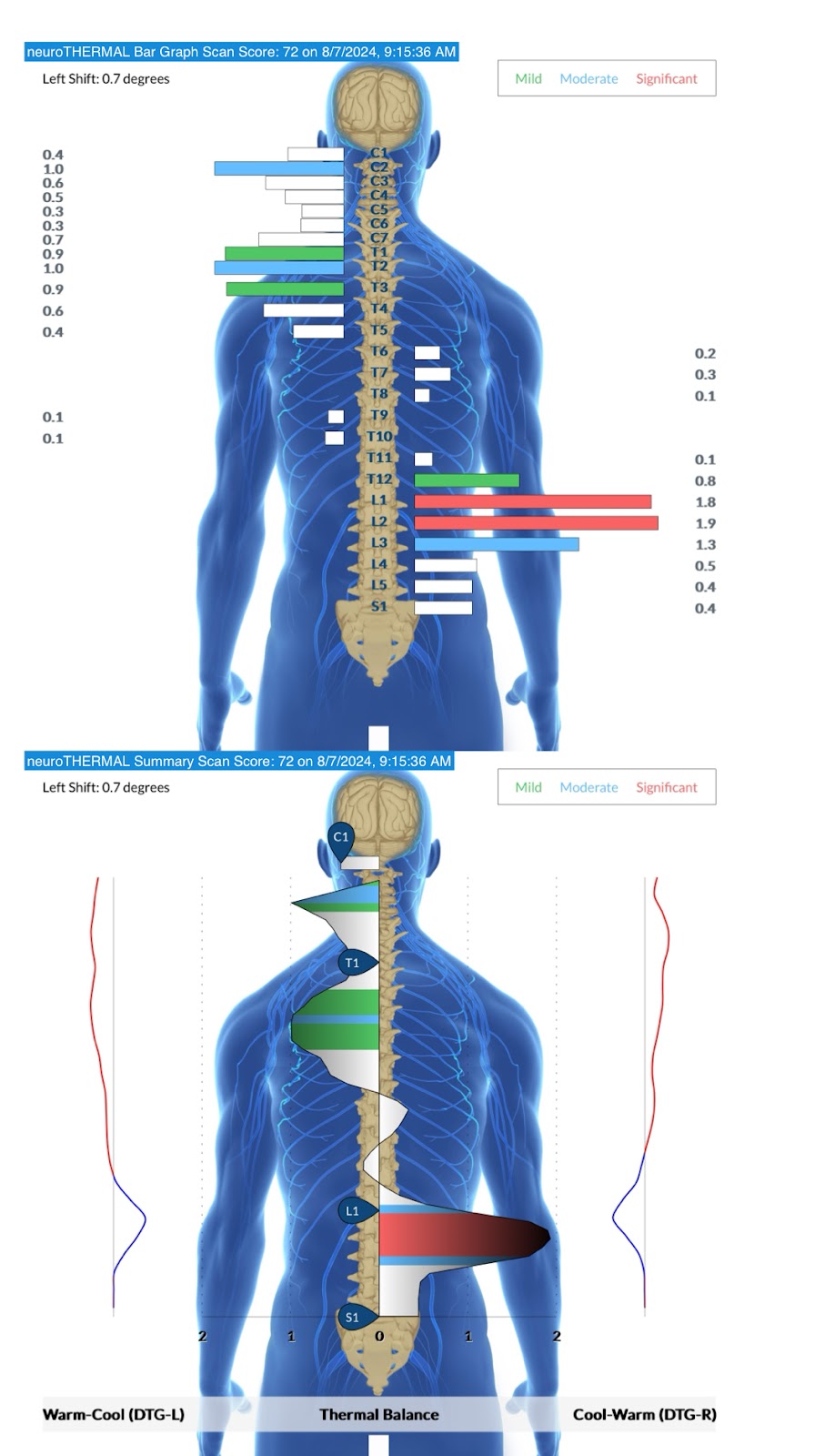
It’s important to note that this technology does not diagnose medical conditions, and Neurologically-Focused Chiropractic Care is certainly not a treatment or cure for nervous system dysregulation or any other condition, not even back pain. Instead, these INSiGHT Scans help us track down the root cause of nervous system dysfunction and dysregulation, and build customized care plans and adjusting protocols to help shift the nervous system back into a state of balance, regulation, and resilience.
Supporting Nervous System Regulation at Home
While Neurologically-Focused Chiropractic Care addresses the neurological root cause, there are powerful ways to support your child’s nervous system regulation at home. These techniques work best combined with professional care—they’re not a replacement, but a necessary complement.
- Breathing Exercises: Slow, deep breathing activates the vagus nerve and triggers parasympathetic activation. Try box breathing (ages 6+): Breathe in for 4, hold for 4, breathe out for 4, hold for 4. For younger children, try belly breathing with a stuffed animal on their belly.
- Grounding Techniques: The 5-4-3-2-1 sensory exercise (name 5 things you see, 4 you touch, 3 you hear, 2 you smell, 1 you taste), nature connection, and heavy work like pushing, pulling, or climbing all provide proprioceptive input that deeply regulates.
- Co-Regulation: Perhaps the most powerful tool is your own regulated nervous system. Children’s nervous systems naturally sync with their parents’. When you stay calm during your child’s dysregulation, your nervous system literally helps theirs find balance.
- Movement and Physical Activity: Regular movement helps burn off excess stress hormones, such as cortisol and adrenaline, that accumulate with chronic sympathetic activation. Walking, swimming, climbing, and outdoor play all support nervous system regulation. The key is consistent, enjoyable movement—not intense exercise that adds more stress to an already overwhelmed system.
- Sleep Hygiene: Sleep is when the nervous system does its deepest repair work. Create a predictable bedtime routine, keep screens off at least an hour before bed, and make the sleep environment cool and dark. Children with nervous system dysregulation often struggle with sleep, so be patient as regulation improves—better sleep is frequently one of the first signs that the nervous system is beginning to heal.
If home strategies help briefly but dysregulation keeps returning, the nervous system needs neurological correction—not just coping strategies. The PX Docs Directory can connect you with a chiropractor specializing in nervous system regulation.
Frequently Asked Questions About Nervous System Dysregulation
What is nervous system dysregulation? Nervous system dysregulation is a state in which the Autonomic Nervous System loses its ability to properly balance the sympathetic “fight or flight” response and the parasympathetic “rest and regulate” response. This imbalance affects virtually every system in the body, from digestion and sleep to emotional regulation and immune function.
What causes nervous system dysregulation in children? The most common causes follow what we call “The Perfect Storm” pattern: prenatal stress affecting fetal nervous system development, birth trauma from interventions like forceps, vacuum extraction, or cesarean section, and early childhood stressors including toxins, infections, and antibiotic overuse. These factors accumulate during critical developmental windows.
What are the signs of a dysregulated nervous system? Common signs include chronic anxiety, emotional meltdowns, difficulty sleeping, digestive issues, sensory sensitivities, hyperactivity, difficulty concentrating, chronic pain, and immune system challenges. Children may appear constantly “on edge” or alternatively seem shut down and withdrawn.
Can nervous system dysregulation be healed? Yes. The nervous system maintains neuroplasticity throughout life—the ability to create new patterns and pathways. Through Neurologically-Focused Chiropractic Care that addresses subluxation and autonomic dysfunction, combined with supportive home strategies, many families see significant improvements in their child’s regulation and overall health.
How does chiropractic care help with nervous system dysregulation? Neurologically-Focused Chiropractic Care identifies and addresses subluxation—neurological interference characterized by misalignment, fixation, and disrupted nerve communication. By removing this interference through gentle adjustments, the nervous system can shift from a stuck stress response back toward balanced regulation.
What is the connection between nervous system dysregulation and Autism or ADHD? Research shows that children with Autism and ADHD often exhibit patterns of autonomic nervous system dysfunction, including sympathetic dominance and reduced vagal tone. While nervous system dysregulation doesn’t cause these conditions, it appears to be a common underlying factor that intensifies challenges with sensory processing, emotional regulation, and attention.
How long does it take to regulate a dysregulated nervous system? Recovery timelines vary based on the severity and duration of dysregulation. Some families notice initial improvements in sleep and digestion within weeks of beginning care, while more complex challenges, such as emotional regulation and sensory processing, may take months of consistent support. The nervous system took time to become dysregulated, and it needs time to heal.