
An overactive nervous system is a state of sustained sympathetic dominance in which the body’s “fight or flight” response stays switched on long after a real threat has passed, while the parasympathetic “rest, digest, and regulate” response, driven primarily by the vagus nerve, can’t fully engage. This imbalance is clinically known as dysautonomia, and it drives symptoms like anxiety, poor sleep, digestive trouble, and chronic stress in both children and adults.
No matter how hard overstressed families try (sleep, yoga, meditation apps, magnesium, melatonin, saunas, cold plunges), many still feel stuck. That’s because the problem isn’t a lack of effort. It’s a Sympathetic Nervous System that’s overstimulated and can’t stand down, while the parasympathetic side can’t get a word in. Researchers call this sustained state hyperarousal, and it affects adults and kids alike.
Left unchecked, everyday signs of irritability, indigestion, and insomnia progress into chronic conditions. We’ll walk through what drives an overactive nervous system and the natural, drug-free options that get to the root cause for patients of all ages.
What Is An Overactive Nervous System?
An overactive nervous system happens when the sympathetic “gas pedal” stays pressed down and the parasympathetic “brake pedal” can’t engage. Clinically, this Autonomic Nervous System dysfunction is called dysautonomia. The result is a body stuck in chronic hyperarousal, elevated cortisol, faster heart rate, tense muscles, disrupted digestion, and a brain scanning for threats that aren’t there.
Your nervous system is mission control, coordinating breathing, digestion, immunity, and more. It has two main divisions:
- Sympathetic Nervous System: Activates the “fight or flight” response when you face anything demanding or dangerous. Think of it as your gas pedal.
- Parasympathetic Nervous System: Triggers “rest, digest, and regulate” mode for restoration, repair, and growth. You can think of this as your calming brake.
These two are supposed to trade off. The gas pedal handles the emergency, then the brake pedal brings you back down. But when nervous system dysregulation sets in, the sympathetic branch stays dominant around the clock, and stress responses meant only for emergencies never shut off.
Is An Overactive Nervous System An Actual Diagnosis?
No. An overactive nervous system is a state of dysfunction, not a disease with a diagnostic code. A disease has a clear pathological process and established medical criteria. Dysregulation is a disruption of normal functioning that hasn’t crossed that line, which is exactly why so many families get told their labs look fine. Left unaddressed, though, dysregulation can progress into more serious conditions over time.
This distinction matters more than it sounds. It explains why a parent can spend years bouncing between specialists, collecting normal test results, and still know something is wrong. Nobody is measuring function.
What Does Sympathetic Overdrive Do Over Time
Sustained activation with inadequate recovery wears on the systems that depend on autonomic balance. Researchers call this accumulated wear on the body’s regulatory systems allostatic load, and in children it shows up as cumulative dysregulation across multiple physiological systems at once. Over time, an overactive nervous system can:
- Disrupt digestion and gut health: Stomach upset, bloating, constipation or loose stools, and food sensitivities. Nutrient deficits then further stress the nervous system.
- Strain hormones and adrenal function: Constant cortisol and catecholamine release taxes other glands, contributing to thyroid conditions and burnout.
- Drive inflammation: Activated sympathetic pathways feed allergies, skin conditions, autoimmunity, and body aches.
- Disturb sleep: “Wired and tired” becomes the norm, and organs never get their repair window.
- Affect mood: Lingering hypervigilance keeps the brain on alert for threats that don’t exist.
Symptoms Of An Overactive Nervous System
The symptoms of an overactive nervous system fall into three categories:
- Physical (digestive distress, headaches, disrupted sleep, rapid heart rate)
- Behavioral (teeth grinding, stimulant reliance, agitation)
- Cognitive or emotional (impaired focus, worry, irritability, anxiety).
These somatic symptoms reflect chronic sympathetic dominance and low vagal tone, and they often appear together because the same autonomic imbalance is driving all of them at once.
Common indicators of the Sympathetic Nervous System in overdrive include:
Physical Symptoms
- Digestive distress like acid reflux, nausea, or irritable bowel syndrome
- Frequent headaches and body aches
- Disrupted sleep cycles and constant fatigue
- Rapid heart rate, palpitations, or chest pain
- Low immunity with recurrent illnesses
Behavioral Symptoms
- Loss of appetite or overeating for quick energy
- Agitation and inability to tolerate stress or change
- Teeth grinding or jaw tension habits
- Relying on stimulants like caffeine, sugar, or alcohol
- Difficulty winding down or staying asleep
Cognitive and Emotional Symptoms
- Impaired focus and concentration
- Worrying, catastrophizing thoughts
- Irritability and frequent frustration
- A persistent sense of anxiety or dread
- Feeling overwhelmed by responsibilities
In children, these signs often look different. Meltdowns over small transitions, sensory overload, difficulty falling asleep, picky eating, frequent stomach aches, or being labeled the “anxious kid.” All of it traces back to the same underlying issue: a young nervous system stuck in sympathetic overdrive.
Why Some Kids Melt Down, And Others Shut Down
Not every overactive nervous system looks activated on the outside. When sympathetic overdrive runs long enough, some nervous systems flip into a shutdown state instead: flat affect, withdrawal, zoning out, going quiet, refusing to engage, or seeming exhausted for no clear reason. Polyvagal Theory describes this as a deeper protective response that kicks in when fight or flight isn’t working.
This is why the shut-down kid is so often missed. A child melting down gets attention. A child who goes still and compliant gets called “easy” or “shy,” and the same dysregulation goes unaddressed for years. Both patterns point to the same root problem: a nervous system that can’t get back to baseline on its own.
What Causes An Overactive Nervous System?
An overactive nervous system is most often caused by an accumulation of stressors that overwhelm the body’s ability to recover: chronic emotional stress, physical injuries that disrupt neurospinal communication, environmental toxins, sleep deprivation, gut imbalances, and, in children, early-life events like prenatal stress and birth trauma. Each stressor on its own may be manageable. Stacked together, they sustain a chronic stress response and lock the Sympathetic Nervous System in overdrive.
The stressors that push the Sympathetic Nervous System into overdrive are many, some obvious, others much more subtle:
- Chronic stress: Anxiety, depression, and pent-up trauma affect nervous system activity over time, even without conscious awareness. Research on PTSD explains how unresolved trauma keeps the body in sustained autonomic dysfunction.
- Physical injuries: Joint restrictions, nerve interference, and poor structural alignment disrupt feedback loops between muscles, tissues, and the brain, leading to muscle guarding and held sympathetic tone.
- Hidden environmental factors: Heavy metals like lead and mercury, pesticides in non-organic produce, phthalates and BPA in plastics and food packaging, flame retardants in furniture and electronics, and synthetic fragrances in cleaners and personal care products all provoke the nervous system.
- Sleep deprivation: Not getting enough sleep will prevent nervous system recovery and keep the gas pedal pressed down, elevating cortisol and fueling cravings for quick-fix stimulants.
- Microbial imbalances: Disrupted gut flora impairs digestion and nutrient absorption. Because of the gut-brain axis, microbiome disruption can also spark inflammation and amplify stress signaling.
Can Children Have An Overactive Nervous System?
Yes. Children can absolutely have an overactive nervous system, and in many cases it began before they were ever born. The Perfect Storm™ is a concept developed by Dr. Tony Ebel describing the cumulative sequence of neurological stressors, prenatal stress, birth trauma, and early childhood toxic load that can overwhelm a child’s developing nervous system and lock it into sympathetic dominance from the start.
The first phase often involves significant stress during a mother’s pregnancy. Because the mother’s nervous system guides the development of the baby’s nervous system, emotional distress or physical challenges during pregnancy directly affect the baby. Research shows that maternal stress during pregnancy influences fetal Autonomic Nervous System development and stress reactivity for years to come.
Next comes birth trauma from interventions like C-sections, forceps, or vacuum extraction. These can physically stress the upper neck and brainstem areas that coordinate Autonomic Nervous System functions. This is what we call subluxation, a pattern of neurological dysfunction characterized by three components:
- Misalignment within the neurospinal system
- Fixation or restricted joint motion
- Neurological interference that disrupts communication between the brain and body
Subluxation is not simply a bone out of place. It’s neurological interference that immediately limits digestive, immune, motor, and other core developmental functions in infants and young children.
Frequent antibiotic use for recurring infections further disrupts gut and immune health, progressing into inflammatory conditions, allergies, asthma, and more. Poor diet and toxin exposure add to it.
This accumulation is why pediatric dysautonomia shows up in so many children today without a clear genetic cause. It also explains why children with Autism, ADHD, Sensory Processing Disorder, and PANS/PANDAS so often share overlapping challenges with sleep, digestion, and emotional regulation. Different labels, same underlying mechanism: sympathetic dominance and low vagal tone in a developing nervous system.
Vagus Nerve Dysfunction and an Overactive Nervous System
Vagus nerve dysfunction directly causes an overactive nervous system because the vagus nerve is the main driver of the parasympathetic “brake pedal.” When vagal tone is low, the brake can’t engage, so the sympathetic gas pedal stays stuck on. This insight comes from Polyvagal Theory, developed by Dr. Stephen Porges, which explains how vagal signaling regulates the body’s shift between stress activation and calm recovery.
Because the vagus nerve regulates heart rate, digestion, breathing rate, and inflammation, impaired vagal tone makes stabilizing these processes a challenge. Research on vagus nerve stimulation shows that interventions that engage the vagus nerve can re-establish sympathetic and parasympathetic balance and increase heart rate variability, the gold-standard measurement of nervous system flexibility.
Modern medicine often turns to medications for temporary symptomatic relief when nervous system dysregulation goes unchecked, instead of getting to the root cause. Currently, about 1 in 6 Americans take antidepressants or other psychiatric medications. But an imbalance in stress hormones and neurotransmitters stems from an imbalance in the nervous system itself, not in the chemicals it produces. Suppressing stress chemically may provide temporary relief without addressing the root cause.
How Do You Calm An Overactive Nervous System Naturally?
To calm an overactive nervous system naturally, focus on practices that directly stimulate the vagus nerve and increase parasympathetic activation: diaphragmatic breathwork, daily time in nature, intentional sleep hygiene, an anti-inflammatory diet, heat and cold exposure, and targeted supplements like magnesium and omega-3s. These tools train your body to shift out of the chronic stress response and back into rest, digest, and regulate.
Natural care options to calm sympathetic dominance include:
- Breathwork: Diaphragmatic breathing, heart rate variability training, and contemplative practices short-circuit excessive stress signaling. Lengthening the exhale relative to the inhale is the simplest way in.
- Diet: An elimination diet helps determine if common allergies or sensitivities constantly trigger reactions. Anti-inflammatory foods enhance parasympathetic activity.
- Nature: Time outdoors without devices, especially barefoot, reinforces the body’s natural rhythms. Negative ions and microbes found in nature also help balance nervous system signaling.
- Heat and cold therapy: Saunas promote relaxation, while cold exposure stimulates vagal tone and immunity.
- Sleep: Prioritizing sleep allows tissue repair and neurotransmitter balance. Keep electronics out of the bedroom and stick to schedules.
- Supplements: Magnesium, curcumin, omega fatty acids, and adaptogens support nerve health and healthy stress adaptation.
Targeted vagus nerve stimulation sits underneath all of these. Gargling, humming, singing, cold water on the face, and slow nasal breathing all engage vagal pathways directly, which is why they show up on nearly every list of calming techniques.
How to Calm A Child’s Overactive Nervous System
Children can’t regulate on their own, so they borrow yours. This is called co-regulation, and it’s the foundation of everything else. A calm adult voice, slow breathing, predictable routines, and physical closeness give a child’s nervous system a signal of safety to sync to. Skin-to-skin contact, consistent bedtimes, tummy time, and reducing overstimulation in the home all work through the same pathway.
The hard truth most parents already sense: co-regulation is much harder when your own nervous system is running hot. Addressing the parent’s regulation is not a side project. It’s part of the child’s care.
What If You’ve Already Tried All That?
If you’ve done the breathing, the supplements, the sleep hygiene, the cold plunges, and gotten little or nothing back, that isn’t a discipline problem. It’s a sequencing problem.
When a nervous system is stuck in a significant state of sympathetic dominance, those practices simply aren’t potent enough to activate the vagus nerve and shift things back into balance. Here’s how we’ve come to think about it in practice: address the subluxation and neurological interference first, and then the breathwork, the calm, and the relaxation exercises finally start to work. Most families who’ve “tried everything” weren’t doing the wrong things. They were doing them in a nervous system that couldn’t respond yet.
How Neurologically-Focused Chiropractors Address An Overactive Nervous System
At PX Docs, we recognize that the practices above alone can’t fully overcome nervous system overload for those with significant dysfunction. That’s why our network of Neurologically-Focused Chiropractors offers a specialized approach that starts with measurement rather than guesswork.
We begin by identifying the presence of subluxation, dysautonomia, and nervous system dysregulation using INSiGHT Scans, a set of three neurological assessment technologies developed by the Chiropractic Leadership Alliance and used by Neurologically-Focused Chiropractors:
- NeuroThermal scans: Infrared thermography showing impaired communication to glands and organs
- NeuroCore sEMG scans: Surface electromyography detecting held tension affecting motor control
- Heart Rate Variability (HRV): Measurements displaying loss of nervous system flexibility and vagal tone
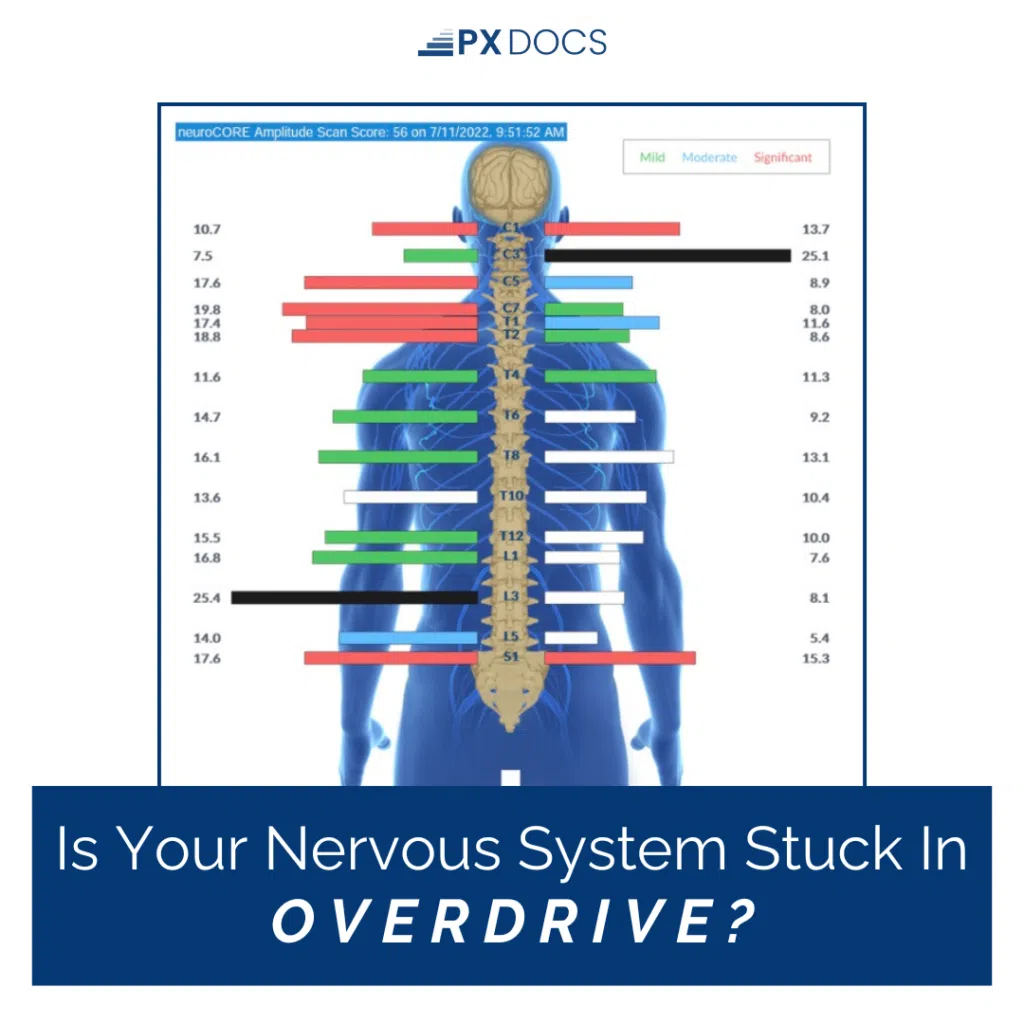
It’s important to note that this technology does not diagnose medical conditions, and Neurologically-Focused Chiropractic Care is certainly not a treatment or cure for an overactive nervous system or any other condition, not even back pain. Instead, the scans help us track down the root cause of nervous system dysfunction and dysregulation and build customized care plans to help shift the nervous system back toward balance, regulation, and resilience.
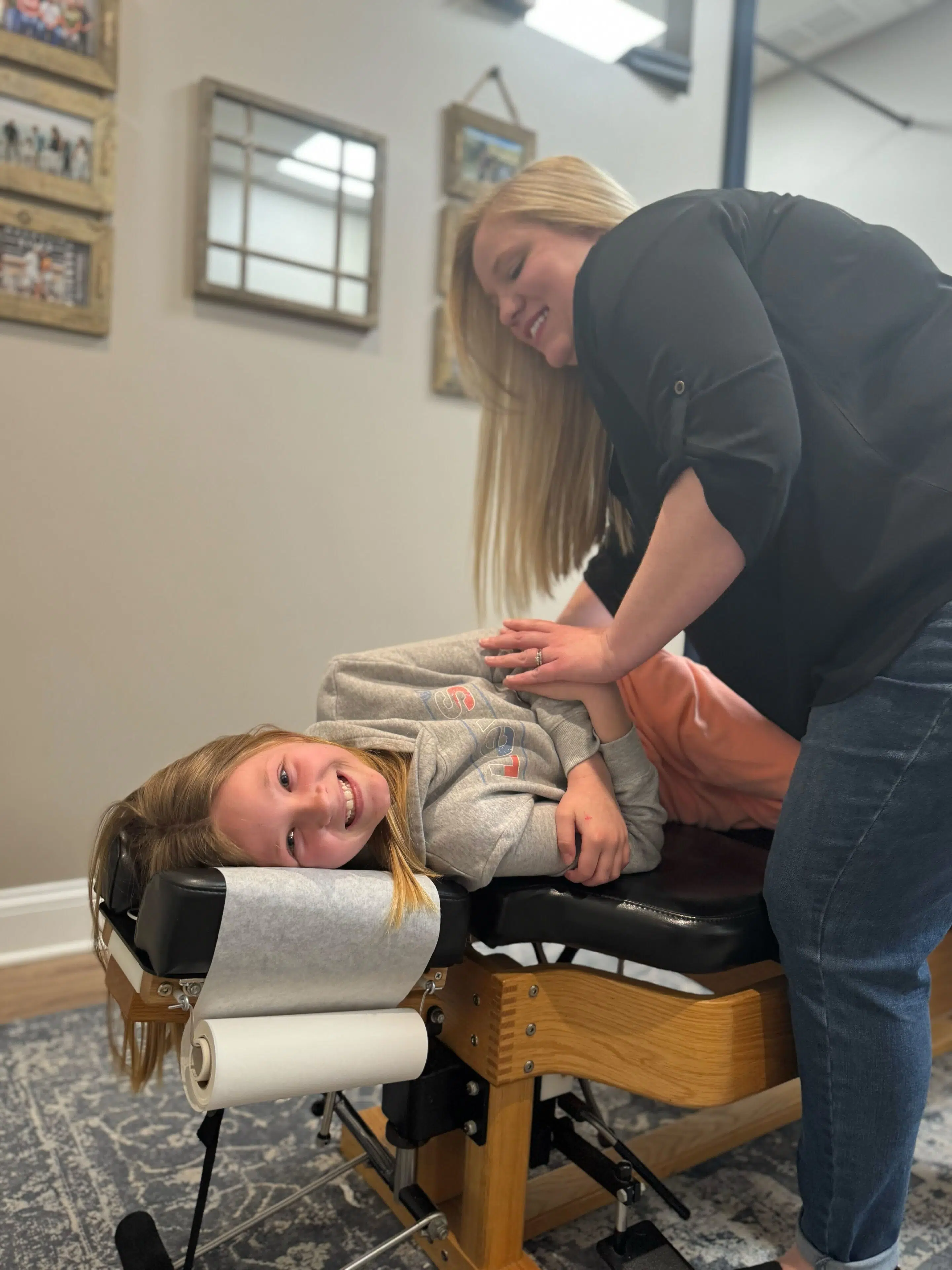
Gentle adjustments then release stuck stress (subluxation) held within the neurospinal system to restore function and balance. This improves integration and communication between all branches of the nervous system, including the vagus nerve.
What Improvements Come First
Recovery tends to follow a predictable order, and knowing it keeps families from giving up too early. What we typically observe first are the quality-of-life changes: better sleep, less physical tension, improved gut and immune function, steadier mood, and less brain fog. Those are the early signals that the brake pedal is starting to work again.
The bigger brain-based changes come later. Sensory tolerance, speech, social engagement, behavior, emotional regulation, and developmental progress build on a nervous system that has already learned how to recover. Progress is tracked objectively through HRV and follow-up scans, not by how anyone feels on a given day.
Correcting Nervous System Overload Long-Term
Long-term correction of nervous system overload requires addressing the root causes, subluxation, dysautonomia, and impaired vagal tone, not just managing symptoms. The most effective approach combines daily nervous system practices (breathwork, sleep, nutrition) with Neurologically-Focused Chiropractic Care to restore proper autonomic balance, with progress tracked objectively rather than by feel.
We can’t control every stressor that triggers “fight or flight,” and we can’t go back in time to undo the stressors our children have already experienced. What we can do is keep that response from becoming the default setting.
You deserve to live each day with steady clarity and energy. Connect with a Neurologically-Focused Chiropractor who can identify areas of stress and subluxation and create a personalized care plan for your family. Check out our PX Docs directory to find a PX Doc near you.