
Somewhere along the way, the conversation around MTHFR became incredibly discouraging for families. Parents hear that they or their child has this “mutation,” and suddenly it feels like a dark cloud hanging over their health forever. You’re told your child “can’t detox,” their “methylation is broken,” and they’ll need lifelong supplements just to function.
I want to change that entire conversation today. Because the truth about MTHFR is far more hopeful and far more accurate than what most parents have been told. Yes, MTHFR is real. But the fear surrounding it is massively overblown, and most families are missing the bigger upstream factor: the nervous system.
Let’s break down what’s actually going on and what you can do about it.
What Is MTHFR? (Without the Confusion)
MTHFR stands for methylenetetrahydrofolate reductase. It’s both a gene and an enzyme. The MTHFR gene provides your body with instructions for producing the MTHFR enzyme, and that enzyme’s main job is converting folate (vitamin B9) into its active, usable form called methylfolate.
Why does that matter? Because methylfolate drives a critical process called methylation. Methylation is a biochemical process that happens in nearly every cell of your body. It’s involved in detox pathways, neurotransmitter production (think serotonin and dopamine), immune system balance, cellular repair, inflammation regulation, hormone metabolism, and DNA regulation.
The two most commonly discussed MTHFR variants are C677T and A1298C. These are single-nucleotide polymorphisms, small changes in the DNA sequence that can reduce the enzyme’s efficiency. Having one copy of the C677T variant may reduce enzyme function by roughly 34-75%, while the A1298C variant tends to reduce it by 30-40%, a milder impact on enzyme function.
Here’s what often gets lost in the fear: these variants are extremely common. More Americans have at least one copy of the C677T variant than don’t. Approximately 60-70% of the global population carries some form of an MTHFR variant. Having a variant doesn’t automatically mean your child’s methylation is broken or that they’re destined for health problems.
The Massive Misunderstanding About MTHFR
This is where the conversation usually stops too early, and where the fear takes over.
Just because someone has a gene variant does not mean their methylation is permanently broken. This is where epigenetics comes in, and it changes everything.
Your DNA is like a book of instructions. But epigenetics determines which pages are read and which are skipped. Think of it this way: your child’s genes are the script, but epigenetics is the director deciding which scenes actually make it into the movie.
One of the main epigenetic switches? DNA methylation itself. And here’s the part that should give every parent real hope: methylation patterns are heavily influenced by environment, stress levels, inflammation, toxin exposure, sleep quality, nutrition, and this is the piece almost everyone misses—nervous system regulation.
Your child’s genes are not a fixed destiny. They’re a dynamic blueprint that responds to the environment their nervous system and body live in every single day. A child with an MTHFR variant living in a well-regulated, low-stress internal environment may have methylation that works just fine. Meanwhile, a child without any MTHFR variant whose nervous system is stuck in chronic stress can still struggle with methylation.
Stress Can Literally Change Gene Expression
This is backed by some of the most fascinating research in modern science.
One of the most powerful examples comes from the Dutch Hunger Winter of 1944-45. During this severe wartime famine in the Netherlands, pregnant women experienced extreme nutritional deprivation. Decades later, researchers found that individuals who were exposed to the famine during early development had measurable differences in DNA methylation of key genes related to growth and metabolism, changes that persisted six decades after the famine ended.
Studies of prenatal stress tell a similar story. Research published in Clinical Epigenetics found that fetal exposure to maternal stress during pregnancy was associated with changes in DNA methylation patterns in offspring, particularly in genes regulating the stress response. These epigenetic shifts were linked to altered stress reactivity and neurobehavioral outcomes in children.
Childhood trauma studies have shown changes in genes that regulate the body’s stress response system (the HPA axis), particularly through methylation changes in the glucocorticoid receptor gene NR3C1. These changes can fundamentally alter how a child’s body processes and responds to stress for years to come.
Here’s the key takeaway for parents: the environment surrounding a gene strongly influences how it behaves. The question isn’t just what genes your child has. The question is what environment those genes are being asked to operate in.
Why Some People Suddenly “Develop MTHFR Symptoms”
This is where the “Perfect Storm” model really shines.
Many people feel fine for years—sometimes decades—with an MTHFR variant that’s never caused a problem. Then something happens. Pregnancy. Postpartum hormonal shifts. Mold exposure. A Lyme disease diagnosis. Toxic overload. Chronic burnout. A period of intense emotional trauma.
Suddenly, they develop signs commonly associated with methylation problems: histamine reactions, chemical sensitivity, crushing fatigue, anxiety, brain fog, detox reactions, or immune dysfunction. They get tested, and an MTHFR variant shows up.
Then comes the narrative: “This is why everything is so hard.”
But what actually happened is that the mutation didn’t suddenly appear. It was always there. What changed was that the capacity collapsed under stress load.
Think of it this way: the mutation may influence the size of the bucket. But chronic stress and toxic load determine how fast that bucket fills and whether it overflows.
This is the concept of allostatic load, which refers to the cumulative burden of chronic stress on the body. When stress piles up – prenatal stress, birth trauma, chronic illness, environmental toxins, emotional stress, poor sleep, gut dysfunction, and ongoing inflammation – the body shifts through stages of overload, dysregulation, and eventually exhaustion. By the time families are exploring methylation genetics, many are already deep into that cycle of dysregulation.
The Nervous System Connection Most People Miss
Here’s where we need to zoom out and look at the bigger picture that almost every conversation about MTHFR completely overlooks.
The Autonomic Nervous System—the part of the nervous system that runs on autopilot—regulates liver blood flow, digestion, nutrient absorption, immune signaling, inflammation, and detox pathways. It’s the master control system for virtually every process that methylation depends on.
When the body is stuck in chronic Sympathetic Nervous System fight-or-flight mode, what we call the “gas pedal” being stuck on with no brakes, we often see increased oxidative stress, higher inflammation, and higher methylation demand across the board.
Methylation isn’t just a genetic conversation. It’s a stress physiology conversation. And this is the piece that connects everything.
The vagus nerve, the longest cranial nerve in the body, connects the brain to the gut, heart, lungs, liver, and immune system. It’s the primary driver of the Parasympathetic Nervous System “brake pedal” side of the nervous system. When vagal tone drops and the nervous system can’t shift out of survival mode, every downstream system struggles. Digestion slows. Inflammation rises. Detox pathways stall. The immune system goes haywire.
Think of it like a Wi-Fi connection. When the signal is weak, every app on your phone struggles, and nothing works right. But the problem isn’t the apps. It’s the connection. When the nervous system is dysregulated, every downstream system struggles, including detoxification and methylation.
You cannot out-supplement a system stuck in survival mode.
The Functional Medicine Rabbit Hole
I want to address this compassionately because I see these families every single day, and I deeply respect the effort they’ve put in.
Many families go through extensive genetic testing, expensive supplements, detox protocols, binders, saunas, and specialized diets. These approaches can absolutely be helpful, and many of them are addressing real problems.
But if the nervous system remains dysregulated, progress stalls. Reactions occur. The system remains overwhelmed. Parents spend thousands of dollars and years of effort, and they’re still struggling.
Here’s why: detox requires elimination. Elimination requires nervous system function. Without working drainage pathways—which are controlled by the nervous system—you’re just redistributing toxins, not removing them. You can take all the methylated B vitamins, glutathione, and binders in the world, but if the vagus nerve isn’t functioning and digestion has stalled, those supplements are sitting in a stagnant system.
The Hierarchy Matters:
- First comes the nervous system, which controls everything.
- Then gut function, which depends on nervous system signaling.
- Then, immune function, which depends on both.
- Then, detox capacity, which depends on all of the above.
- Then cellular health and methylation, which depend on every system working together.
The principle is simple: foundation before optimization. Regulation before supplementation.
How Subluxation Disrupts the Entire System
If the neurospinal system is under chronic stress from birth trauma, accumulated physical strain, or the downstream effects of the “Perfect Storm,” brain-body communication becomes noisy and unreliable.
Subluxation refers to a complex neurological dysfunction characterized by three main components:
- Misalignment within the neurospinal system
- Fixation and restricted motion that reduces proprioceptive input
- Neurological interference that disrupts the brain’s ability to properly coordinate function throughout the body.
When subluxation occurs, it disrupts the sensory input that the brain needs to regulate all bodily systems, including the Autonomic Nervous System. As a result, vagal tone decreases, and stress hormones remain elevated. This prevents the body from accessing the healing and rest-and-digest states necessary for proper methylation, detoxification, and immune function.
This is especially significant for children because subluxation patterns often begin during the most critical periods of nervous system development. Prenatal stress, birth interventions like C-sections, forceps, vacuum extraction, and induction can all create early neurological tension patterns, particularly in the upper cervical and brainstem regions where the vagus nerve originates.
When the nervous system is dysregulated from the very start, every system that depends on it, including methylation, is working at a disadvantage before the child ever gets an MTHFR test.
How INSiGHT Scans Reveal the Bigger Picture
This is where objective assessment becomes especially valuable for parents seeking real answers.
It’s important to note that INSiGHT scanning technology does not diagnose medical conditions, and Neurologically-Focused Chiropractic Care is certainly not a treatment or cure for MTHFR-related conditions or any other condition, not even back pain. Instead, these INSiGHT Scans help us track down the root cause of nervous system dysfunction and dysregulation, and build customized care plans and adjusting protocols to help shift the nervous system back into a state of balance, regulation, and resilience.
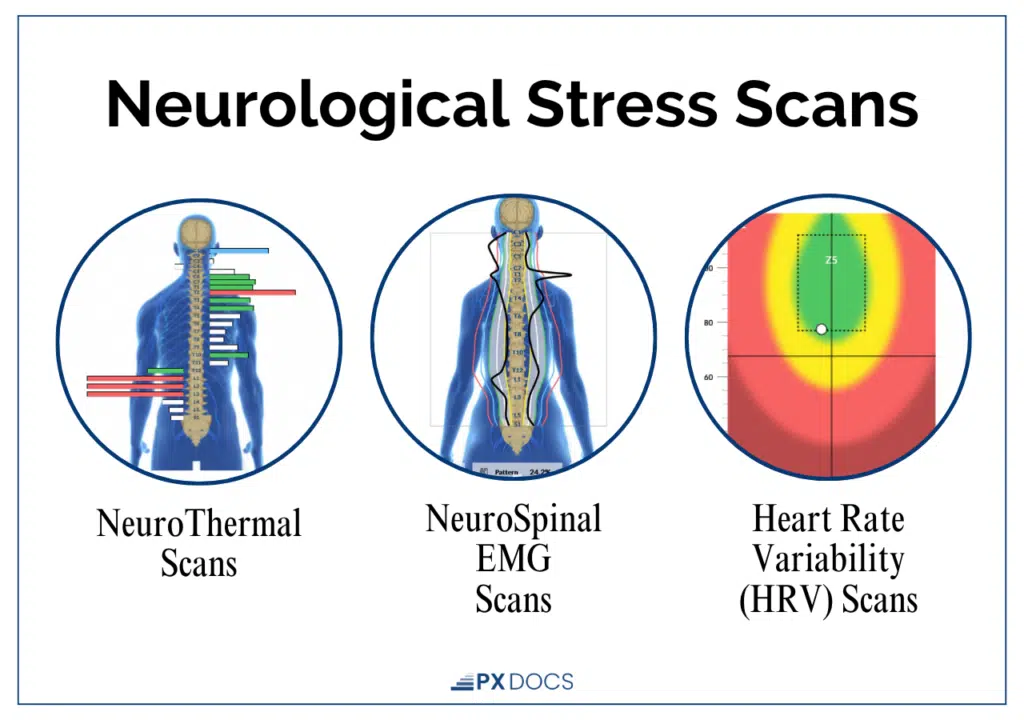
INSiGHT scanning technology measures three critical aspects of nervous system function:
- Heart Rate Variability (HRV) measures the balance between the sympathetic (“gas pedal”) and parasympathetic (“brake pedal”) branches of the autonomic nervous system. For children struggling with methylation-related symptoms, HRV often reveals significant sympathetic dominance; the system is stuck with the gas pedal floored and no brakes.
- Surface Electromyography (sEMG) assesses the electrical activity of muscles along the spine, identifying areas of tension and altered neuromuscular function. These patterns often reveal exactly where neurospinal stress and subluxation are disrupting communication.
- Thermal scanning uses infrared sensors to measure temperature differences along the spine, indicating areas of dysautonomia (Autonomic Nervous System imbalance).
What makes these scans so powerful is their ability to detect changes in neurological function that blood work and genetic testing simply can’t show you. You can have perfect lab values and a known MTHFR variant, but if your child’s nervous system is stuck in chronic stress mode, that’s the bottleneck holding everything back.
Reframing the Entire MTHFR Conversation
Instead of asking “What gene is broken?” and “What supplement do we need?” We need to ask better questions:
- How dysregulated is the nervous system?
- How overloaded is the stress bucket?
- How well can the body actually shift into healing states?
- What environment are those genes being asked to operate in?
When we look at MTHFR through this lens, the entire picture shifts. The gene variant becomes one data point—not a diagnosis, not an identity, and definitely not a life sentence. It’s a piece of the puzzle, but the nervous system is the frame that holds every piece together.
Genes influence capacity. Stress load determines whether that capacity collapses. And nervous system regulation determines whether the body can actually use whatever capacity it has.
Practical Action Steps for Parents
If your child has an MTHFR variant, here’s what matters most:
- Don’t catastrophize the gene. Use it as information, not identity. An MTHFR variant tells you that your child’s methylation system may have a smaller margin for error under stress. It doesn’t tell you they’re broken or that their future is limited.
- Reduce the overall stress load. Look at sleep quality, toxin exposure, chronic stressors, inflammation drivers, and environmental overload. Reducing the load on the system is often more powerful than adding another supplement to it.
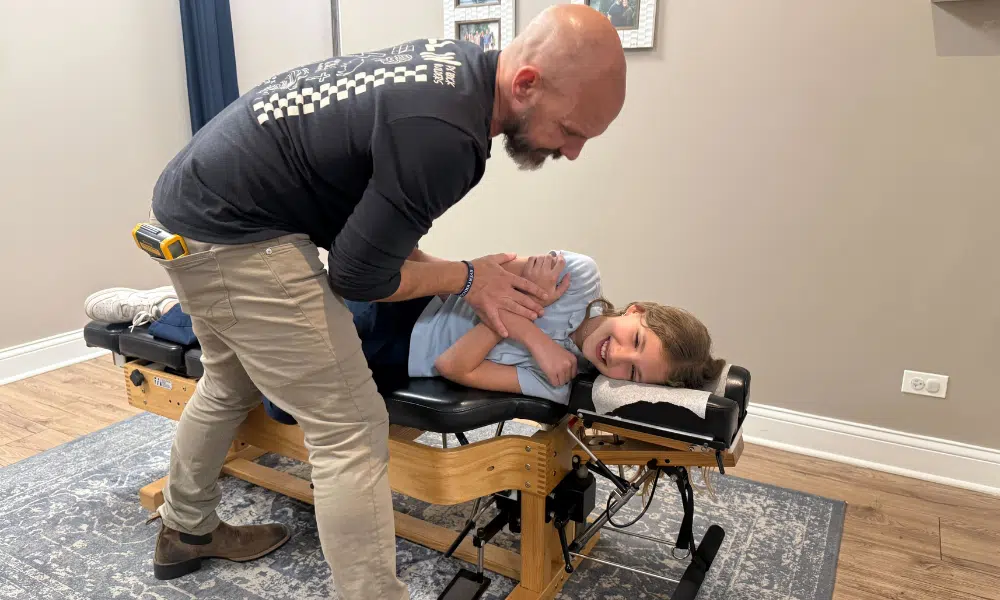
- Focus on nervous system regulation first. Support the body’s ability to shift out of survival mode. This is where Neurologically-Focused Chiropractic Care can make a profound difference—not by curing MTHFR, but by addressing the subluxation and nervous system dysregulation that may be limiting every downstream system, including methylation.
- Improve foundational health inputs. Sunlight, movement, hydration, nutrient-dense food, emotional safety, and consistent sleep rhythms. These are the raw materials your child’s body needs to function well.
- Think long-term capacity, not quick fixes. Healing is about increasing adaptability over time. When you build real capacity in the nervous system, the body becomes better at handling everything, including whatever challenges an MTHFR variant might present.
- Work with your healthcare team wisely. Functional medicine approaches, nutritional support, and targeted supplementation can be incredibly valuable, especially when the nervous system is functioning well enough to actually use those interventions. The key is getting the sequence right.
Your Child’s Future Is Not Written in a Gene
If you or your child has an MTHFR variant, hear me clearly: this is not the end of the story. It may be one piece of the puzzle, but it is not the author of your child’s future.
The science of epigenetics teaches us something incredibly hopeful. The body is always adapting, always adjusting, and always capable of changing how genes are expressed. Unlike genetic variants themselves, epigenetic patterns are dynamic. They respond to improved sleep, stress reduction, better nutrition, environmental changes, and nervous system regulation.
The question isn’t just what genes your child has. The question is what environment those genes are being asked to operate inside.
When we reduce stress, improve nervous system regulation, and build real capacity in the body, the future can look very different than the fear-based version many families have been handed. Your child is not broken. Their genes are not a prison sentence. And with the right support, starting with the nervous system, their potential for healing and thriving is far greater than you may have been led to believe.
If you’re ready to find out what’s really going on with your child’s nervous system and take the first step toward real answers, please visit the PX Docs directory to find a trained Neurologically-Focused Chiropractor near you. As always, consult with your primary care physician or pediatrician regarding any medical concerns or decisions about your child’s health care.