
Neuroinflammation is an inflammatory response within the brain and spinal cord, driven by the activation of immune cells called microglia and the release of pro-inflammatory cytokines such as TNF-alpha, IL-1, and IL-6. While short-term neuroinflammation serves a protective role, chronic or excessive brain inflammation can disrupt neural communication, impair cognitive function, and contribute to a wide range of neurological and developmental challenges in children and adults alike.
If your child is struggling with persistent brain fog, unexplained mood changes, chronic fatigue, or developmental challenges that don’t seem to respond to conventional care, neuroinflammation may be a missing piece of the puzzle. Many parents spend months chasing symptoms without anyone looking deeper into what’s actually happening inside their child’s nervous system.
At PX Docs, we’ve spent years helping families understand the neurological root causes behind their children’s struggles. This article will walk you through the symptoms of neuroinflammation, what causes it, and an approach to addressing it that goes far beyond what you’ll find anywhere else.
What Is Neuroinflammation?
Neuroinflammation is an immune-mediated inflammatory response within the brain and spinal cord, triggered when specialized immune cells called microglia become activated in response to infection, injury, toxins, or chronic stress. In small, controlled amounts, this response is actually helpful—neuroinflammation plays a role in protecting the brain from pathogens, clearing damaged cells, and even supporting neural development through synaptic pruning.
But when this response doesn’t shut off, it starts doing more harm than good. Chronically activated microglia release excessive pro-inflammatory cytokines that damage healthy neurons, disrupt the blood-brain barrier, and impair brain cell communication. Think of it like a fire alarm that gets stuck—long after the fire is out, it becomes the problem itself. That’s what chronic neuroinflammation does to the brain, and it’s especially damaging in a child’s developing nervous system.
What Are the Most Common Neuroinflammation Symptoms?
Common neuroinflammation symptoms in children include brain fog, mood swings, chronic fatigue, sleep disturbances, sensory processing difficulties, headaches, and autonomic dysfunction affecting digestion and temperature regulation. These signs often appear across multiple body systems simultaneously because neuroinflammation affects the nervous system—the master control system that coordinates all other functions.
Here are the specific symptoms to watch for:
- Cognitive difficulties and brain fog, trouble concentrating, slow information processing, forgetfulness, and difficulty following multi-step directions. In children, this often shows up as struggles in school that seem disproportionate to their intelligence.
- Mood and behavioral changes, increased anxiety, irritability, depression, emotional meltdowns, and mood swings without an obvious trigger. Research from JAMA Network found that microglial activation was strongly linked to neuropsychiatric symptoms, including irritability, agitation, and rapid mood swings.
- Chronic fatigue, persistent tiredness, and reduced endurance for mental tasks that sleep doesn’t fix, caused by decreased energy production in inflamed neurons.
- Sleep disturbances, difficulty falling asleep, staying asleep, or getting restorative rest. Neuroinflammation disrupts the Autonomic Nervous System’s ability to shift from “fight or flight” into the calm state needed for quality sleep.
- Sensory processing difficulties, hypersensitivity to lights, sounds, textures, or smells, or being under-responsive to sensory input.
- Autonomic dysfunction, problems with digestion, heart rate regulation, and temperature control. In children, this might look like chronic constipation, frequent stomachaches, or headaches that don’t respond to typical treatments.
What Causes Neuroinflammation in Children?
The most common triggers include infections (where the inflammatory response can persist long after the infection resolves, as seen in PANS and PANDAS), physical trauma like concussions, environmental toxins, gut dysbiosis, and autoimmune responses.
But the cause that’s most often overlooked is chronic stress, and this is where things get critical for parents to understand. Research shows that maternal stress during pregnancy can cause cortisol to cross the placental barrier, directly affecting fetal brain development and priming the child’s nervous system for neuroinflammation before they’re even born.
Children with chronic neuroinflammation frequently also experience Autism, ADHD, Sensory Processing Disorder, and emotional dysregulation. This co-occurrence isn’t coincidental; these conditions share a common root in nervous system dysregulation and pediatric dysautonomia, in which chronic sympathetic dominance and reduced vagal tone create a pro-inflammatory state that simultaneously disrupts brain development, sensory processing, and emotional regulation.
What Is the Neurological Root Cause of Chronic Neuroinflammation in Children?
At the core of chronic neuroinflammation in many children is something we call “The Perfect Storm.” This is a combination of factors that converge early in life to create a nervous system stuck in chronic stress and inflammation:
- Prenatal stress and maternal health challenges. Elevated cortisol crosses the placenta and affects the developing fetal nervous system. Research confirms that maternal stress activates hormonal and epigenetic changes that can alter fetal brain structure and immune programming.
- Birth trauma and interventions. Complications or stress during labor—including prolonged labor, the use of forceps, vacuum extraction, induction, and cesarean delivery—can cause physical strain to the infant’s brainstem and upper cervical region, where the vagus nerve originates.
- Early childhood stressors. Frequent infections, antibiotic overuse, and environmental toxin exposure pile onto an already compromised nervous system, pushing it deeper into chronic stress and inflammation.
When these factors combine, they can lead to subluxation—a pattern of neurological dysfunction characterized by misalignment within the neurospinal system, fixation or restricted joint motion, and neurological interference that disrupts brain-body communication.
Subluxation triggers sympathetic dominance and dysautonomia, a state of dysfunction of the Autonomic Nervous System. The child’s nervous system gets stuck with the “gas pedal” (sympathetic fight-or-flight response) pressed to the floor while the “brake pedal” (parasympathetic rest-and-regulate response driven by the vagus nerve) can barely engage. This imbalance directly fuels neuroinflammation.
How Does the Vagus Nerve Control Neuroinflammation?
The vagus nerve is the body’s primary anti-inflammatory regulator. Through the cholinergic anti-inflammatory pathway, acetylcholine is released, suppressing pro-inflammatory cytokines such as TNF-alpha, IL-1, and IL-6—essentially acting as the body’s built-in “off switch” for inflammation. Research confirms that vagus nerve stimulation reduces systemic inflammation through this pathway.
Here’s the critical connection: when subluxation and sympathetic dominance are present, vagal tone drops, and the vagus nerve can’t do its job. This creates a vicious cycle—subluxation suppresses vagus nerve function, allowing inflammation to continue unchecked and further driving nervous system dysregulation. The fire alarm stays stuck on because the very system designed to shut it off has been compromised.
This is why so many families tell us that despite trying every diet change and supplement, their child’s inflammation won’t resolve. You can’t supplement your way out of neuroinflammation when the fundamental control mechanism, the vagus nerve and Autonomic Nervous System, isn’t functioning properly.
Can INSiGHT Scans Help Identify Neuroinflammation Patterns?
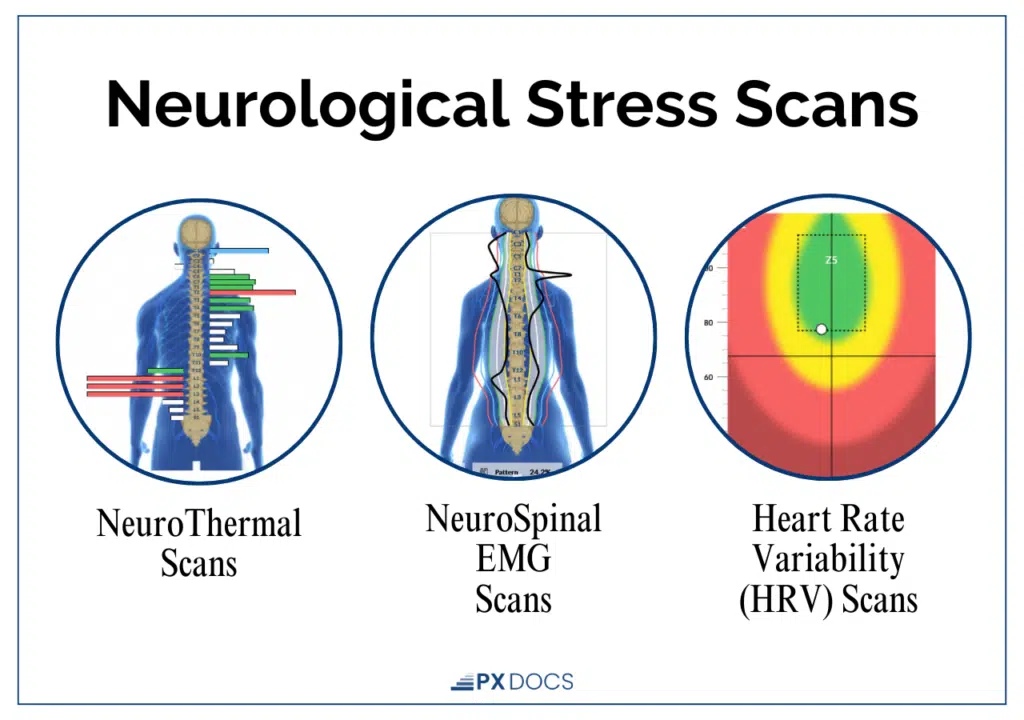
INSiGHT Scans are a set of three neurological assessment technologies used by Neurologically-Focused Chiropractors:
- NeuroThermal scans (infrared thermography) that measure temperature differences along the spine, indicating areas of dysautonomia
- NeuroCore sEMG scans (surface electromyography) that assess the electrical activity of muscles along the spine
- Heart Rate Variability (HRV) testing measures the balance between the sympathetic and Parasympathetic Nervous Systems.
It’s important to note that this technology does not diagnose medical conditions, and Neurologically-Focused Chiropractic Care is certainly not a treatment or cure for neuroinflammation or any other condition, not even back pain. Instead, these INSiGHT Scans help track down the root cause of nervous system dysfunction and dysregulation, and build customized care plans and adjusting protocols to help shift the nervous system back into a state of balance, regulation, and resilience.
These scans detect patterns of sympathetic dominance and vagus nerve dysfunction, the very patterns that allow chronic neuroinflammation to persist. For many families, they finally provide the clarity they’ve been searching for.
What Does a Neurologically-Focused Approach Look Like?
Neurologically-Focused Chiropractic Care addresses the nervous system dysfunction that allows chronic neuroinflammation to persist. Through gentle, precise adjustments guided by INSiGHT scan findings, the goal is to reduce subluxation, restore vagus nerve function, and help the autonomic nervous system shift back toward balance.
When the nervous system begins to regulate properly, parents often notice improvements in a predictable sequence. Sleep quality typically improves first, followed by digestive function and immune regulation. Mood, behavior, and cognitive function often come later as the nervous system continues to heal—foundational autonomic functions restore before higher-order brain functions like emotional regulation and sensory processing show visible changes.
Taking the Next Step for Your Child
Neuroinflammation symptoms in children are real, they’re significant, and they deserve more than surface-level care. Understanding the connection between “The Perfect Storm,” subluxation, vagus nerve dysfunction, and chronic neuroinflammation gives you a framework that most healthcare providers aren’t talking about, and opens the door to addressing root causes rather than chasing symptoms.
As always, please consult with your child’s pediatrician or primary care physician regarding any health concerns. If you’re ready to explore Neurologically-Focused Chiropractic Care, visit the PX Docs directory to find a trained practitioner near you who can perform INSiGHT scans and develop a customized care plan for your child.
Frequently Asked Questions About Neuroinflammation in Children
Can neuroinflammation go away on its own?
Acute neuroinflammation from a single infection or injury can resolve on its own once the trigger is removed. However, chronic neuroinflammation, driven by ongoing nervous system dysregulation, subluxation, and reduced vagal tone, typically does not resolve without addressing the underlying autonomic imbalance. This is why symptoms often persist despite dietary changes and supplementation alone.
What does neuroinflammation feel like in a child?
Children with neuroinflammation often experience brain fog, persistent fatigue, mood swings, difficulty concentrating, headaches, sensory sensitivities, and sleep problems. Because the brain can’t signal pain the way a swollen joint can, neuroinflammation shows up as changes in how a child thinks, feels, and behaves rather than obvious physical symptoms.
Is there a connection between neuroinflammation and Autism or ADHD?
Yes. Research has identified elevated levels of pro-inflammatory cytokines and activated microglia in the brains of children with Autism and ADHD. Neuroinflammation, nervous system dysregulation, and pediatric dysautonomia share overlapping neurological mechanisms, which is why many children with these conditions also experience gut issues, immune challenges, and sensory processing difficulties.
Can chiropractic care help with neuroinflammation?
Neurologically-Focused Chiropractic Care does not treat or cure neuroinflammation or any other condition. Instead, it addresses subluxation and autonomic nervous system dysfunction that may contribute to a chronic pro-inflammatory state. By restoring vagus nerve function and reducing sympathetic dominance through precise, gentle adjustments, the nervous system can better regulate its own inflammatory response.
How do INSiGHT Scans relate to neuroinflammation?
INSiGHT Scans measure nervous system function, specifically Heart Rate Variability (HRV), surface electromyography (sEMG), and thermal patterns, to identify subluxation, sympathetic dominance, and dysautonomia. These are the neurological patterns that prevent the vagus nerve from properly controlling inflammation. The scans don’t diagnose neuroinflammation but reveal the nervous system dysfunction that allows it to persist.