
Why Seizures Are a Nervous System Capacity Problem
When a child experiences seizures, the core issue is rarely just an isolated electrical event. Clinically, seizures reflect a nervous system that lacks enough regulation, reserve, and adaptive capacity to tolerate stress without destabilizing.
In neurologically complex children, seizures are often triggered not by one obvious cause, but by small, cumulative stressors—poor sleep, illness, growth spurts, sensory overload, inflammation, or emotional stress—that push an already-exhausted and dysregulated nervous system past its threshold.
This is where the concept of neurological slack and stability becomes essential.
What Is “Neurological Stability” in Seizure-Prone Kids
Neurological slack and stability refers to the buffer zone within the brain and nervous system—the margin of safety that allows stress to be absorbed without triggering instability or seizures.
A nervous system with adequate slack can:
- Stay regulated even when stressors stack up
- Recover quickly after sleep disruption, illness, or developmental surges
- Maintain balanced autonomic function (sympathetic vs. parasympathetic)
- Keep seizure thresholds higher and more stable
In simple terms for parents:
Things don’t fall apart so easily.
When neurological stability is present, seizures are less likely to be triggered. When that slack is missing, the nervous system operates on a razor’s edge.
What Happens When Slack Is Missing
In many Neuro Intensive and Perfect Storm seizure cases, children start with little to no neurological reserve at all. Their nervous systems are already overworked just to maintain baseline function.
This often shows up as:
- Chronic sleep issues
- Digestive problems like constipation, picky eating, and even eczema
- Frequent illness or exaggerated immune responses
- Poor postural control and motor coordination (“raging” or “drunken bull”)
- Sensory sensitivity and emotional volatility
When the nervous system is this depleted, even minor stressors can lower seizure threshold quickly:
- One poor night of sleep → seizure activity increases
- Mild illness or teething → breakthrough seizures
- Growth spurt or developmental surge → increased neuromotor tension
- Travel or schedule changes → regression
- Sensory overload → neurological overwhelm
This is why seizure management cannot be reduced to a single intervention or system.
Seizure Stability Requires Layered Neurological Support
Raising seizure threshold and maintaining stability requires building slack and stability across multiple foundational layers of the nervous system—simultaneously and sequentially.
Perfect Storm and Neuro Intensive seizure cases demand a long-term, systems-based strategy focused on regulation first, not symptom suppression.
Below are the most critical layers.
Layer 1: Sleep — The Primary Seizure Stabilizer
Sleep is the most powerful regulator of seizure threshold.
If sleep is:
- Too short
- Fragmented
- Light or non-restorative
…the nervous system never fully resets parasympathetic tone. This leaves the brain stuck in sympathetic dominance (overdrive), which:
- Increases cortical excitability
- Reduces seizure threshold
- Impairs recovery after neurological stress
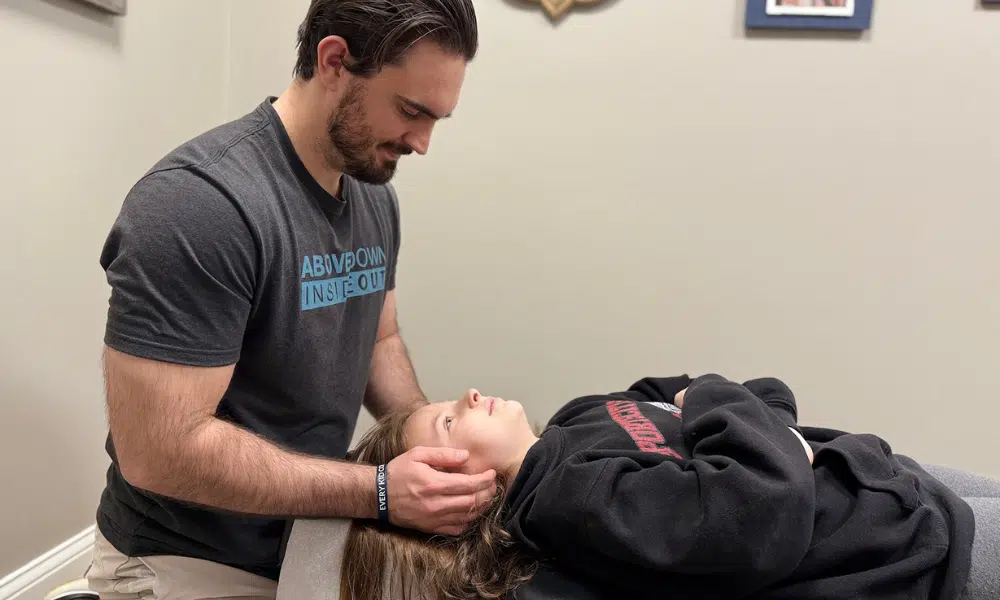
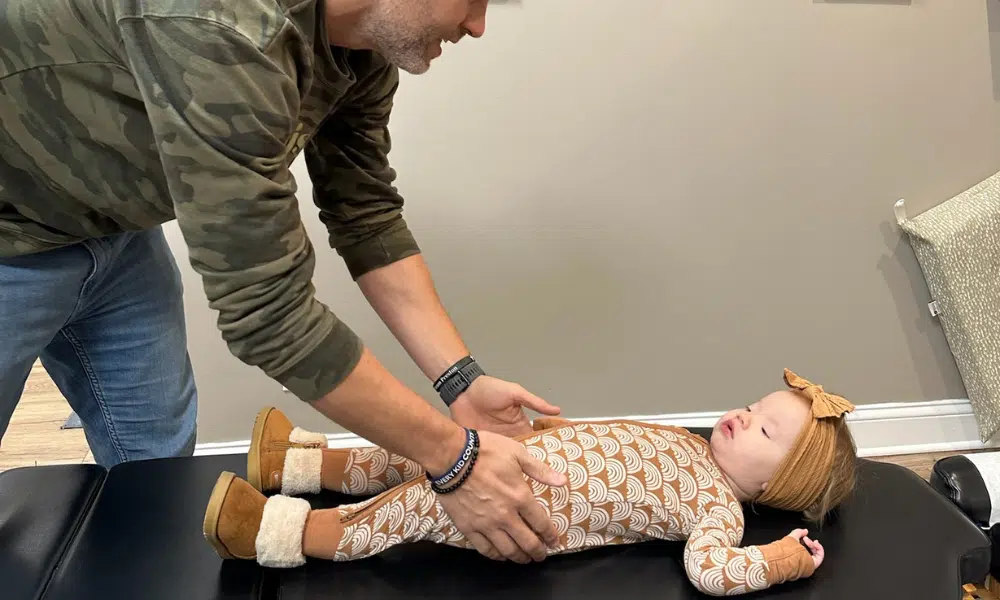
How Neurologically-Focused Chiropractic Care Helps
Specific Neuro-Tonal adjustments reduce neurospinal tension and quiet excessive sympathetic signaling at the brainstem level. As neurological noise decreases:
- Vagal tone improves
- Parasympathetic activity increases
- Sleep onset and maintenance improve
In seizure-prone kids, better sleep is rarely trained—it emerges as the nervous system becomes more regulated.
Layer 2: Neuro-Sensori-Motor Tone & Asymmetry
One of the most overlooked seizure triggers is distorted sensory input entering the brain from the neurospinal system and structure.
Subluxation combined with fascial restriction creates:
- Excessive tension
- Reduced rotation and fixation
- Asymmetrical loading (especially dangerous in seizure cases)
- Transitional zone and core exhaustion (which then triggers compensatory tension)
This distorted input floods the dorsal horn, brainstem, cerebellum, amygdala, and cortex with irritating, disorganizing signals—lowering seizure threshold.
High-Risk Patterns in Seizure Cases
The most destabilizing patterns include:
- Asymmetrical, rotational upper cervical and brainstem tension
- Asymmetrical CT junction and upper thoracic fixation
- Exhausted transition zones (CT, TL, lumbopelvic) with compensatory tightening
When these stabilizing regions go dormant, the body compensates by increasing global tension, further aggravating neurological irritation and instability.
Neurologically-Focused Chiropractic Care improves the quality and symmetry of proprioceptive input, allowing the brain to stop overworking to stabilize posture—freeing neurological resources and raising seizure threshold.
Important note: Primitive reflexes are often compensations, not root causes. Addressing reflexes without first correcting subluxation can worsen instability rather than improve it.
Layer 3: Gut & Immune Function — Seizure Modulators
The gut, immune system, and brain are tightly linked through the autonomic nervous system and vagus nerve.
When the nervous system is stuck in fight-or-flight:
- Digestive motility slows
- Inflammation rises
- Immune signaling becomes exaggerated or suppressed
- Detoxification, methylation, and mitochondrial function are stalled
This inflammatory and metabolic noise directly irritates the brain, lowering seizure threshold.
Regular, complete bowel movements are not just digestive markers—they are signs of parasympathetic regulation.
Neurologically-Focused Chiropractic supports gut and immune balance by restoring regulation at the levels that control both: the brainstem and the autonomic nervous system. When regulation improves, nutritional and dietary interventions finally have the foundation they need to work.
Bonus Layer: Respiration & CO₂ Tolerance
Poor breathing patterns are a silent seizure trigger.
Shallow, rapid, upper-chest breathing:
- Signals constant threat to the brainstem
- Increases sympathetic tone
- Reduces CO₂ tolerance
- Lowers seizure threshold
Improving spinal mobility and brainstem regulation supports more efficient respiratory rhythm, better CO₂ tolerance, and improved neurological calm—adding another layer of seizure protection.
Why Seizure Progress Is Not Linear
In complex neurological cases, progress comes in waves—not straight lines.
Growth spurts, developmental leaps, illness, and life stressors all temporarily tax neurological capacity. In resilient systems, this causes mild disruption. In seizure-prone systems, it can trigger instability.
This does not mean care isn’t working. It means the nervous system is still building up reserve capacity and adaptability, and working its way towards stability.
Why Teens and Adults Often Stabilize Faster Than Young Children
It’s important to note that teenage and adult seizure patients often reach neurological stability more smoothly and predictably than young children.
The primary reason is that growth spurts and developmental surges are removed from the equation, for the most part.
Young children are in a constant state of rapid physical, neurological, and developmental change. Growth spurts, brain maturation, postural shifts, and musculoskeletal remodeling all place repeated stress on the neurospinal system, increasing the demand load on the brain and autonomic nervous system. Each developmental surge temporarily takes up neurological reserve and can lower seizure threshold, even when care is appropriate and effective.
In contrast, teenagers who are largely done growing—and adults who are fully skeletally mature—do not experience the same rapid, repetitive demand spikes. Their nervous systems are no longer required to constantly adapt to structural and developmental change, which allows:
- Faster accumulation of neurological reserve
- More consistent regulation
- Smoother increases in seizure threshold
- Fewer regression points related to growth stress
This does not mean pediatric seizure cases cannot stabilize—it simply means they require more time, tighter sequencing, and greater respect for developmental load. Adults and teens benefit from a more stable foundation, while children must build regulation and slack while growth is still actively taxing the system.
Charting a Long-Term Seizure Stability Strategy
Building and protecting neurological slack often requires ongoing adjustments in strategy, including:
- Modifying care frequency for better integration
- Adjusting technique depth and style
- Pausing or sequencing other therapies and interventions
Two guiding principles remain critical:
- Trust your instincts—both parents and providers
- “The only way to know is to go”—strategic testing reveals what the nervous system can tolerate
Final Thoughts for Parents of Seizure-Prone Children
If your child’s seizures feel unpredictable or easily triggered, the goal is not just seizure control—it’s nervous system capacity and stability.
With the right sequencing, regulation, and long-term neurological support, seizure thresholds can rise, stability can improve, and neurological slack can be built and protected over time.
This article is meant to support—not replace—ongoing conversations with your PX Doctor and care team, ensuring fully personalized, neurologically-focused care for your child.