
Roughly 1 in every 20 visits children make to a doctor is because of chronic constipation, and if your child is one of them, you know this isn’t just about bathroom troubles. It’s the stomach aches that disrupt sleep, the meltdowns that seem to come out of nowhere, the constant worry about when they last went, and the mounting pile of supplements and remedies that promised relief but delivered disappointment.
Chronic constipation in children is rarely just a nutritional problem. It’s often a neurological one.
We see this pattern constantly in our practice. Up to 50% of children with a neurological condition (ADHD, Autism, or anxiety) also struggle with chronic constipation. That’s a clear sign that something deeper is going on with the nervous system. The truth is, your child’s gut can’t move, process, and eliminate properly when their nervous system is stuck in a state of chronic stress and dysfunction.
This article will show you the neurological root cause behind your child’s constipation that conventional medicine completely misses, and why addressing the nervous system first, not adding more supplements, is often the key to finally getting lasting results.
The Neurological Reality of Constipation
Conventional medicine often treats constipation as a simple digestive problem and moves quickly to symptom control—commonly recommending stool softeners or medications like Miralax. These products are designed to force bowel movements rather than restore normal function, and they can come with concerning side effects when used repeatedly or long-term. While they may offer temporary relief, they do little to address why a child’s body isn’t regulating digestion on its own.
Functional and integrative medicine usually looks a bit deeper, focusing on nutrition, hydration, gut bacteria, and mineral support. Magnesium, probiotics, fiber, and dietary changes are often suggested—and when the nervous system is working well, these tools can absolutely support healthy digestion.
What’s still rarely discussed with parents is this: many children struggle with chronic constipation not because their gut is “missing” something, but because the nervous system that controls digestion is under stress. When those brain-to-body signals are disrupted, digestion slows, coordination is lost, and no amount of laxatives or supplements can fully correct the problem on their own.
Understanding Sympathetic Dominance
Think of your child’s nervous system like a car with two pedals:
- The Sympathetic Nervous System (gas pedal): Designed for action, alertness, and survival—the fight-or-flight response
- The Parasympathetic Nervous System (brake pedal): Handles rest, digestion, and healing, the rest-regulate-and-digest response
In a healthy, balanced nervous system, these two work together seamlessly. But in most kids struggling with chronic constipation, the gas pedal is stuck to the floor while the brake pedal barely functions.
When your child’s nervous system gets stuck in sympathetic dominance, which happens far more often today due to factors we’ll discuss, their body operates as if they’re constantly running from danger. The nervous system, which is the ultimate intelligence system of the body, diverts energy away from “non-essential” functions like digestion. Blood flow, nerve signals, and muscular energy get redirected to the skeletal muscles needed for fighting or fleeing, and away from the smooth muscles of the stomach and intestines that move food through via peristalsis.
This is why your child can have a perfect diet, take every supplement recommended, and still struggle with constipation. If the nervous system isn’t sending the right signals to the gut, the gut literally can’t move things along properly, no matter how much magnesium or how many probiotics you add.
The Constipation-Neurodevelopment Connection
Here’s a pattern we see over and over in our practice that most pediatricians dismiss or overlook: the vast majority of children with ADHD, autism, or anxiety also struggle with chronic constipation. We’re not talking about occasional digestive issues; we’re talking about persistent, support-resistant constipation that doesn’t respond to conventional interventions.
This isn’t bad luck or coincidence. It’s a clear indicator that constipation and these neurodevelopmental challenges share the same root cause: nervous system dysregulation.
If constipation were primarily a nutritional issue or simply about genetics, we wouldn’t see this predictable correlation. Children with neurological challenges would have the same rates of constipation as the general population. But they don’t. Instead, we see that kids stuck in sympathetic dominance, whether that shows up as hyperactivity, anxiety, sensory sensitivities, or emotional dysregulation, almost always have gut issues too.
The Missing Link in Conventional Care
This pattern tells us something important: the same nervous system imbalance that’s affecting your child’s behavior, attention, mood, or sensory processing is also affecting their gut function. Constipation isn’t a separate problem that requires its own care plan. It’s part of the same neurological dysfunction that’s creating all these challenges.
This is why so many parents find themselves on a frustrating merry-go-round, caring for each symptom and challenge individually without ever getting to the root cause. The pediatrician prescribes laxatives for constipation, the psychiatrist suggests medication for ADHD, the gastroenterologist recommends more dietary changes, but nobody’s asking the question that matters most: what’s happening in the nervous system that’s creating all of these issues in the first place?
The “Perfect Storm”: How Nervous System Dysfunction Develops
So how does a child’s nervous system get stuck in this chronic stress pattern in the first place? We recognize that these challenges often result from a “Perfect Storm” of factors that begin very early in life, often before a child is even born.
Stage 1: Prenatal Stress and Birth Trauma
The storm typically starts with prenatal stress and birth trauma. When mothers experience high stress during pregnancy, those stress hormones cross the placenta and affect the developing nervous system. Add in common birth interventions, and you have physical trauma to the delicate upper cervical spine and brainstem, right where the vagus nerve exits the skull.
Common birth interventions that create neurological stress include:
- C-sections
- Forceps delivery
- Vacuum extraction
- Prolonged or stalled labor
- Induction
- Manual assistance
Stage 2: Early Childhood Stressors
This early neurological stress gets compounded by what happens next: frequent illnesses, rounds of antibiotics, reflux medications, environmental toxins, and the general toxic load of modern childhood. Each stressor adds to the burden on an already compromised nervous system.
Many of these kids showed early warning signs that were dismissed:
- Colicky babies who cried for hours
- Reflux that wouldn’t resolve
- Poor sleepers from day one
- Constantly sick toddlers
- Picky eaters with food sensitivities
The constipation didn’t appear out of nowhere; it’s been building since those early warning signs that too many doctors dismissed as “phases.”
They Don’t Grow Out of It, They Grow Into It
This is what we mean when we say kids don’t grow out of these challenges; they grow into them. The colic at 2 months becomes constipation at 6 months. The constipation at 6 months becomes immune challenges or sensory issues at 18 months. Those sensory challenges at 18 months become ADHD symptoms at age 5.
The nervous system dysfunction doesn’t change; it just gets different diagnostic labels as your child grows.

The Vagus Nerve: Your Child’s Digestive Control System
At the center of this neurological story is the vagus nerve, the longest nerve in your child’s body. This nerve originates in the brainstem and travels down through the neck, chest, and abdomen, controlling virtually every aspect of digestion along the way. When functioning properly, it’s the master conductor of what we call the “rest, digest, and regulate” system.
The Four Critical Functions
The vagus nerve controls four critical aspects of digestive function:
- Motility: The wave-like contractions (peristalsis) that move food through the digestive tract. Without proper vagal tone, the gut literally can’t move things along, no matter how much fiber or water your child consumes.
- Absorption: The nervous system must recognize nutrients at the cellular level and open the gates to let them in. This is why some kids remain nutritionally deficient despite perfect diets.
- Assimilation: Directing absorbed nutrients where they need to go, like air traffic control for your child’s body. Iron goes to bone marrow, B12 to nerves, and calcium to bones.
- Elimination: Coordinating the final step of releasing waste. This is where detoxification happens, not through expensive supplements, but through regular bowel movements.
When the Connection Breaks Down
When birth trauma or chronic stress interferes with vagus nerve function, all four of these processes suffer. This is why we often see kids who are constipated despite perfect diets, or who take expensive supplements that seem to pass right through unchanged. The nervous system isn’t functioning well enough to properly direct these processes.
Here’s something most parents don’t know: 90% of serotonin is produced in the gut, but you need the vagus nerve to stimulate production, enable absorption, and facilitate its use throughout the body. When the vagus nerve is offline, your child’s gut-brain connection is disrupted, affecting not just digestion but mood, behavior, and emotional regulation, too.
Finding the Root Cause With INSiGHT Scanning Technology
So, how do we objectively identify this nervous system dysfunction?
At PX Docs, we use advanced INSiGHT scanning technology to measure exactly what’s happening in your child’s nervous system.
It’s important to note that this technology does not diagnose medical conditions, and Neurologically-Focused Chiropractic Care is certainly not a treatment or cure for constipation or any other condition, not even back pain. Instead, these INSiGHT Scans help us identify the root cause of nervous system dysfunction and dysregulation and build customized care plans to help shift the nervous system back into a state of balance, regulation, and resilience.
The Three Components
These scans include three components that give us a complete picture:
- Heart Rate Variability (HRV): Measures the balance between your child’s sympathetic “gas pedal” and parasympathetic “brake pedal.” This shows us how well their nervous system adapts to stress.
- Surface Electromyography (sEMG): Assesses the electrical activity of muscles along the spine, identifying areas of tension and altered neuromuscular function. This reveals where subluxation is creating interference.
- Thermal Scanning: Uses infrared sensors to measure temperature differences along the neurospinal system, which indicate areas of dysautonomia and nervous system imbalance.
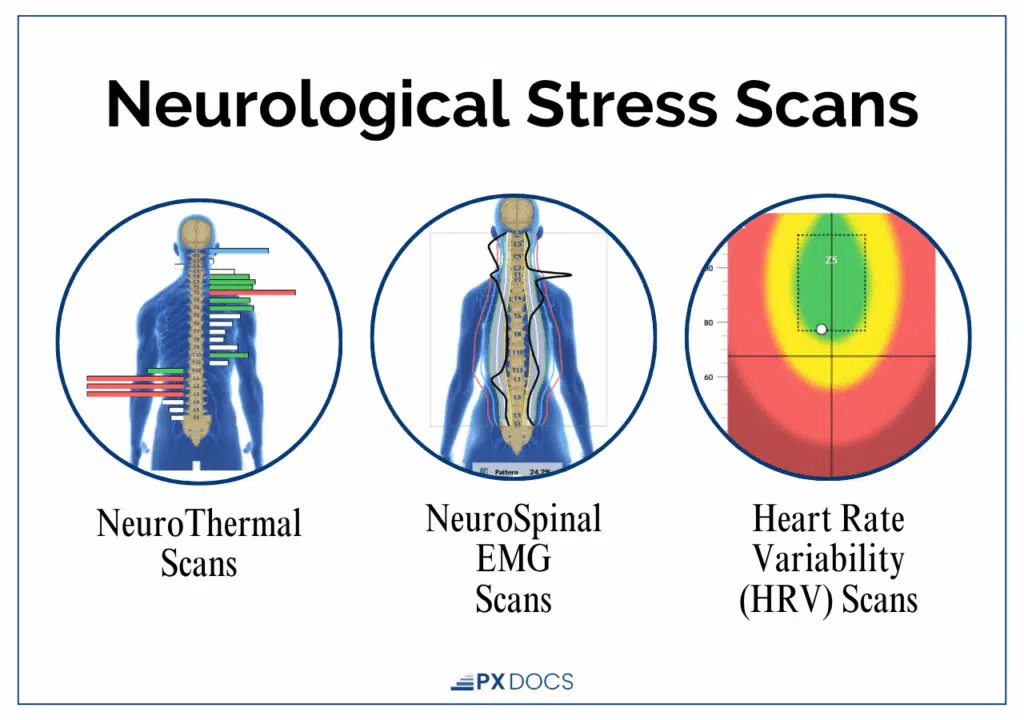
What makes these scans valuable is their ability to show us exactly where subluxation and neurological interference are occurring in your child’s nervous system. We can see the stress patterns, areas of sympathetic dominance, and regions where vagus nerve function is compromised.
The Neurological Solution
Take Lucas, for example. When we first met him at four years old, he’d been struggling with chronic constipation his entire life. His family had tried everything: dietary changes, probiotics, magnesium, and even essential oils. Pediatric chiropractic was the last thing they tried and the first thing that worked.
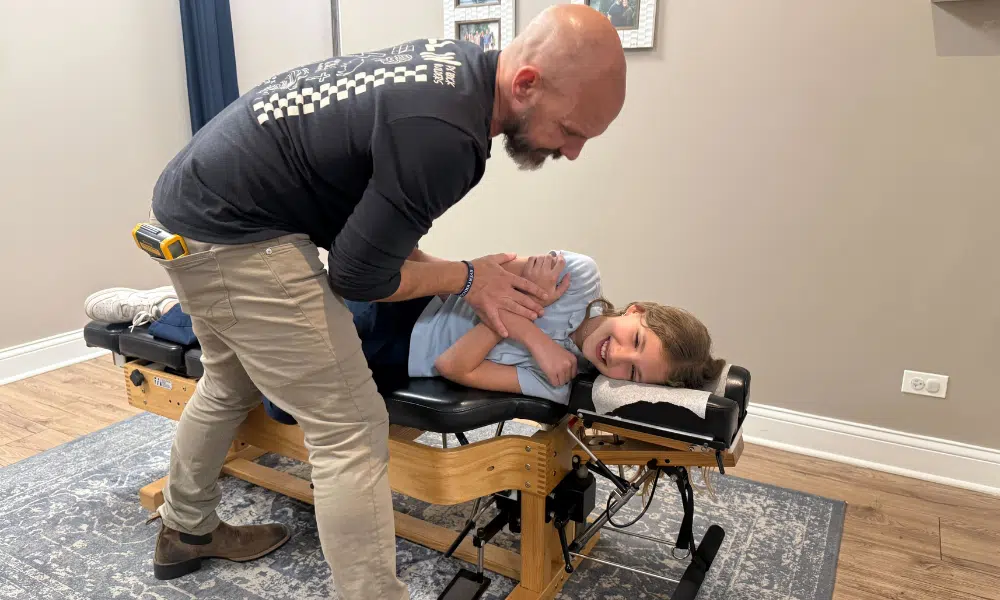
For babies in our practice, we’ve maintained a stockpile of diapers and changes of clothes for over 15 years, and it’s not just for convenience. When we perform specific neurologically-focused adjustments—what we lovingly call activating the “poop button,” the response is often immediate. These adjustments work by releasing tension from the Sympathetic Nervous System and simultaneously activating the vagus nerve and Parasympathetic Nervous System.
What Makes This Different
This is different from traditional chiropractic. We’re not just addressing structural alignment; we’re working to restore proper nervous system function and regulation. The adjustments are gentle, specific, and designed to remove neurological interference so your child’s body can finally shift out of chronic stress mode and back into the rest-and-digest state where healing happens.
Your Child’s Path Forward
If you’ve tried every supplement, made every dietary change, and still aren’t seeing lasting results with your child’s constipation, it’s time to look at the nervous system. The pattern we see daily in our practice is clear: kids with chronic constipation that don’t respond to conventional interventions almost always have underlying nervous system dysfunction that nobody has addressed.
Your child’s body has an incredible capacity to heal when given the right support. The nervous system is adaptable, especially in children, and with consistent care focused on removing interference and restoring balance, we see remarkable transformations happen. Not overnight, but steadily, naturally, from the inside out.We encourage you to visit the PX Docs directory to find a trained practitioner near you who can evaluate your child’s nervous system and create a customized care plan. Because every child deserves to feel comfortable in their own body, and every parent deserves to finally find answers that work.