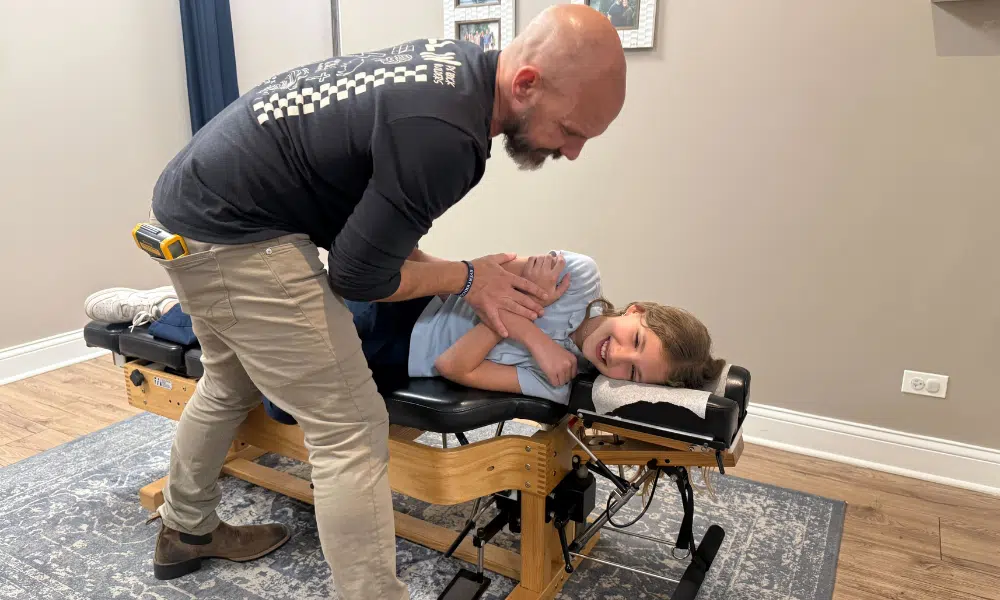

Pediatric autoimmune neuropsychiatric disorders are a group of conditions in which a child’s immune system, typically triggered by an infection like strep throat, produces antibodies that mistakenly attack healthy brain tissue in the basal ganglia, leading to the sudden onset of obsessive-compulsive behaviors, tics, severe anxiety, and other neuropsychiatric symptoms that can dramatically change a child’s personality seemingly overnight.
If your child went from happy and thriving to suddenly anxious, riddled with tics, or consumed by obsessive thoughts, you’re not imagining things. Thousands of parents describe the exact same experience. Here at PX Docs, we’ve worked with countless families navigating these conditions, and what we’ve found goes deeper than what most medical approaches address. There’s a foundational layer of nervous system dysfunction that often gets missed entirely.
What Are Pediatric Autoimmune Neuropsychiatric Disorders?
Pediatric autoimmune neuropsychiatric disorders are conditions in which an immune response, most commonly triggered by a Group A streptococcal (strep) infection, causes the body to produce antibodies that cross-react with brain tissue. The two primary conditions are PANDAS (Pediatric Autoimmune Neuropsychiatric Disorders Associated with Streptococcal Infections) and PANS (Pediatric Acute-Onset Neuropsychiatric Syndrome).
PANDAS was first described in 1998 by researchers at the National Institute of Mental Health. PANS is the broader category that includes PANDAS and accounts for cases triggered by other infections or environmental factors. The hallmark of both conditions is speed: unlike typical OCD or tic disorders that develop gradually, children with PANDAS or PANS can go from normal to severely symptomatic within 24 to 48 hours.
The proposed mechanism centers on molecular mimicry. Antibodies produced to fight strep also target proteins in the basal ganglia, a brain region responsible for motor control, behavior, and emotional regulation. This leads to inflammation and dysfunction, producing tics, obsessive-compulsive behaviors, anxiety, and emotional instability.
What Are the Symptoms of PANDAS and PANS in Children?
According to the American Academy of Pediatrics, a PANS diagnosis requires a sudden onset of OCD or severely restricted food intake along with at least two additional neuropsychiatric symptoms. Common signs of PANDAS and PANS in children include:
- Sudden obsessive-compulsive behaviors or intense ritualistic fears
- Motor or vocal tics
- Severe separation anxiety or emotional lability
- ADHD-like behaviors with a dramatic decline in school performance
- Sleep disturbances and bedwetting
- Changes in handwriting or motor coordination
- Sensory sensitivities to light and sound
- Restrictive eating patterns
These symptoms follow a relapsing-remitting pattern, flaring with new infections or immune triggers. Each flare can become more severe, which is why early identification and comprehensive care are critical.
What Causes Pediatric Autoimmune Neuropsychiatric Disorders?
The real question isn’t just about the strep infection. It’s why some children develop PANDAS while most kids with strep throat never develop neuropsychiatric symptoms at all. Studies show children with PANDAS often have a family history of autoimmune conditions, but genetics alone doesn’t explain the full picture.
This is where “The Perfect Storm” becomes essential. Developed by Dr. Tony Ebel, The Perfect Storm describes how early-life stressors accumulate to overwhelm a child’s nervous and immune systems.
- Prenatal stress and maternal health: Trouble conceiving, maternal stress, anxiety, illness, or medication use during pregnancy can expose the developing fetus to elevated cortisol and other stress hormones that cross the placenta. This early chemical exposure can alter how the baby’s nervous system develops, making it more susceptible to subluxation and dysregulation after birth.
- Birth trauma and interventions: Birth trauma from interventions like C-sections, forceps, vacuum extraction, induction, or prolonged labor creates physical strain on the infant’s brainstem and upper cervical spine — precisely where the vagus nerve originates. These interventions can cause tension, misalignment, and neurological interference that disrupt autonomic function from the very first days of life.
- Early childhood toxic load: After birth, antibiotic overuse, frequent illness, environmental toxins, poor nutrition, and aggressive medication use compound the problem. These stressors disrupt the gut-brain axis and the developing immune system, creating a pro-inflammatory state that leaves the child’s nervous system stuck in sympathetic overdrive and unable to properly regulate immune responses.
Many parents of children with PANDAS report that their child had signs of nervous system dysregulation even before the first strep-triggered episode:
- Colic
- Reflux
- Difficulty sleeping
- Frequent ear infections
- Sensory sensitivities
- General anxiety.
These aren’t random, unrelated problems. They’re early signals that the Autonomic Nervous System was already out of balance.
These stressors contribute to subluxation, a combination of misalignment, fixation, and neurological interference in the neurospinal system. When subluxation is present, it can compromise vagus nerve function and set the stage for the immune dysregulation that makes a child vulnerable to PANDAS and PANS. When a strep infection hits a child whose nervous system is already in sympathetic dominance, the autoimmune response is far more likely to spiral out of control.
What Are the Conventional Care Plans for PANDAS and PANS?
Conventional care focuses on treating the infection with antibiotics and managing psychiatric signs through:
- Cognitive behavioral therapy (CBT)
- Sometimes SSRIs
- Modulating the immune response with:
- Intravenous immunoglobulin (IVIG)
- Plasma exchange in severe cases.
While these care plans can provide relief, many families find their child continues to cycle through flares and remissions because the deeper nervous system dysfunction that made the child vulnerable goes unaddressed.
Why Does the Nervous System Matter in PANDAS and PANS?
The nervous system and immune system are deeply interconnected, and dysfunction in one directly drives dysfunction in the other. The vagus nerve, the longest cranial nerve in the body, extending from the brainstem through the neck, chest, and abdomen, regulates the body’s inflammatory and immune responses through the cholinergic anti-inflammatory pathway. When functioning properly, it releases acetylcholine that signals immune cells to reduce pro-inflammatory cytokine production. This is the body’s built-in braking system for inflammation.
When the vagus nerve is compromised by birth trauma, subluxation, or chronic stress, this braking system fails. The immune system stays stuck in overdrive, inflammatory responses become excessive, and the threshold for autoimmune activation drops.
In children with dysautonomia—an overactivation of the sympathetic “fight or flight” response and an underactivation of the parasympathetic “rest, digest, and regulate” response—the Sympathetic Nervous System acts as a stuck gas pedal driving stress and inflammation, while the Parasympathetic Nervous System (the brake pedal, driven primarily by the vagus nerve) can’t engage. When subluxation is present, the gas pedal gets stuck, and the brake pedal can’t engage. A strep infection in this state has nothing to stop the immune response from spiraling into an autoimmune attack on the brain.
This is the missing layer that explains why some children develop PANDAS while others don’t. It’s not just about the strep infection. It’s about the state of the child’s nervous system before the infection ever arrives.
Many families find that even with anti-inflammatory diets, detoxification protocols, and immune-supporting supplements, their child stays stuck on the PANDAS rollercoaster. These approaches are necessary and crucial. But if the foundational nervous system dysregulation isn’t addressed, the child remains susceptible to the neuroimmune storm with each subsequent exposure.
How Can INSiGHT Scans and Neurologically-Focused Chiropractic Care Help?
For parents searching for answers, INSiGHT scanning technology provides an objective look at nervous system function. It’s important to note that this technology does not diagnose medical conditions, and Neurologically-Focused Chiropractic Care is certainly not a treatment or cure for pediatric autoimmune neuropsychiatric disorders or any other condition. Instead, these INSiGHT Scans help us track down the root cause of nervous system dysfunction and dysregulation, and build customized care plans and adjusting protocols to help shift the nervous system back into a state of balance, regulation, and resilience.
The system uses three technologies:
- Heart Rate Variability (HRV) Analysis measures the Autonomic Nervous System balance
- Surface Electromyography (sEMG) identifies areas of spinal tension and altered neuromuscular function
- Thermal Scanning reveals areas of dysautonomia.
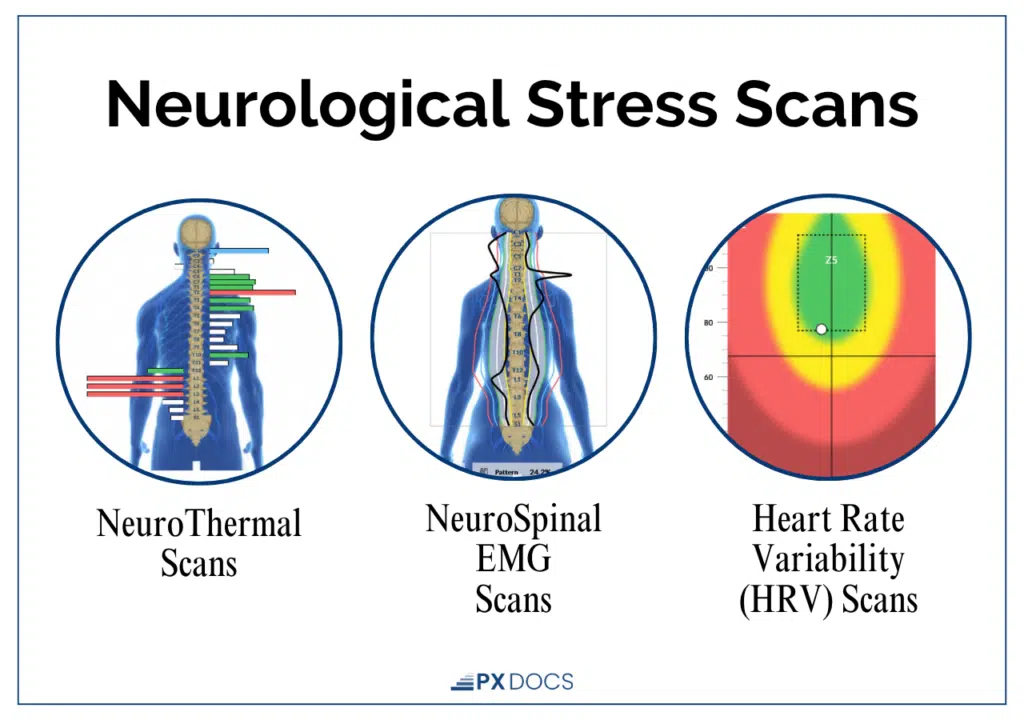
For children with PANDAS, these scans often show significant sympathetic dominance and subluxation concentrated in the upper cervical and brainstem regions.
Neurologically-Focused Chiropractic Care addresses subluxation through gentle, specific adjustments that restore neurological communication and shift the nervous system out of chronic fight-or-flight. When vagal tone improves, families often report better sleep, improved gut function through restored gut-brain axis signaling, greater emotional stability, and increased resilience against flares.
The child’s nervous system becomes more adaptable, meaning it can respond to infections without spiraling into the exaggerated autoimmune response that drives PANDAS symptoms. This care works best alongside appropriate medical treatment, nutrition, and immune support, providing the foundational piece that helps everything else work more effectively.
How Do PANDAS and PANS Connect to Other Childhood Conditions?
Pediatric autoimmune neuropsychiatric disorders rarely exist in isolation. Many children also carry diagnoses of Autism, ADHD, Sensory Processing Disorder, or emotional dysregulation. This co-occurrence isn’t coincidental. These conditions share common roots in pediatric dysautonomia, sympathetic dominance, vagus nerve dysfunction, and disruption of the gut-brain axis. The same subluxation patterns that compromise immune regulation in PANDAS also drive the sensory, behavioral, and digestive challenges seen across these related conditions.
Addressing the nervous system at its foundation doesn’t just help with PANDAS flares; it often leads to improvements across the board.
Taking the Next Step for Your Child
There is more to the PANDAS and PANS story than the infection and the immune response. When you understand that these conditions happen in the context of a nervous system that was already struggling to regulate, you gain access to a deeper level of care that can change the trajectory of your child’s health.
If your child is dealing with PANDAS, PANS, or the nervous system challenges that often precede them, we encourage you to consult with your healthcare team and connect with a PX Docs practitioner.
The PX Docs directory can help you find a Neurologically-Focused Chiropractor in your area.
Frequently Asked Questions
What is the difference between PANDAS and PANS?
PANDAS specifically involves neuropsychiatric symptoms triggered by a strep infection, while PANS is the broader category that also includes cases triggered by other infections or environmental factors. Both involve a sudden, dramatic onset of OCD, tics, anxiety, and other neuropsychiatric symptoms in children.
What are the first signs of PANDAS in a child?
The hallmark is a sudden, dramatic onset of symptoms following a strep infection, including obsessive-compulsive behaviors, tics, severe anxiety, emotional outbursts, sleep disturbances, bedwetting, or a dramatic decline in school performance, often appearing within just a few days.
How does the vagus nerve affect PANDAS and PANS?
The vagus nerve regulates immune function and inflammation through the cholinergic anti-inflammatory pathway. When compromised by birth trauma, subluxation, or chronic stress, this regulation weakens, leaving children more susceptible to the exaggerated autoimmune response that drives PANDAS and PANS symptoms.
Is PANDAS considered a real diagnosis?
PANDAS and PANS are recognized by the National Institute of Mental Health, Stanford Medicine, and the American Academy of Pediatrics, which published a clinical report on PANS in 2025. The clinical reality of sudden-onset neuropsychiatric symptoms following infections is widely observed and increasingly studied.
How do I find a Neurologically-Focused Chiropractor for my child?
Visit the PX Docs directory to find a trained Neurologically-Focused Chiropractor near you who uses INSiGHT scanning technology to assess your child’s nervous system function and build a customized care plan.