
If you’ve ever experienced a narrowing of your vision, followed by feelings of lightheadedness and the sensation that you might pass out, you’ve likely experienced presyncope (pre-sin-co-pee), the “almost fainting” sensation. While it might seem like just dehydration, recurring presyncope often signals something more significant happening with your nervous system.
Understanding presyncope means recognizing what your body is telling you about your Autonomic Nervous System, the control center regulating heart rate, blood pressure, and more.
When presyncope becomes a pattern, it’s often a sign your nervous system needs support.
What Is Presyncope?
Presyncope is the sensation of feeling like you’re about to faint without actually losing consciousness. It’s that unsettling moment when your brain doesn’t get quite enough oxygen, triggering symptoms that make you think you’re going down.
The difference between presyncope and syncope (actual fainting) comes down to whether you lose consciousness. With presyncope, you stay aware throughout. With syncope, you actually faint and temporarily lose consciousness.
Both happen for the same reason: cerebral hypoperfusion, your brain isn’t getting enough blood flow. Your brain needs constant oxygen-rich blood to function. When blood flow drops even slightly, presyncope signs appear.
Presyncope isn’t a diagnosis itself; it’s a sign signaling that something is disrupting normal blood flow regulation. And in many cases, especially when it becomes chronic, the root cause traces back to dysfunction in your Autonomic Nervous System.
Common Symptoms of Presyncope
Presyncope shows up differently for different people, but most experience these hallmark symptoms when standing or sitting upright:
Physical sensations include:
- Lightheadedness or feeling like you’re floating
- Generalized weakness, especially in your legs
- Vision changes–blurry, tunnel vision, or “graying out.”
- Difficulty hearing or muffled sounds
- Cold sweats
- Nausea
- Headache or head pressure
- Heart palpitations
- Confusion or brain fog
Episodes can last from a few seconds to several minutes and typically resolve when you sit or lie down.
Common triggers:
- Standing up quickly
- Prolonged standing in hot environments
- Dehydration
- Seeing blood or experiencing pain
- Emotional stress
- Hot, crowded spaces
- Blood draws or medical procedures
- Skipping meals
- Intense exercise
Pay attention to patterns in your episodes, when they happen, what you were doing beforehand, and how long they last. These details provide valuable clues about what your nervous system needs.
What Causes Presyncope?
Presyncope happens when something disrupts the normal flow of blood to your brain. While that might sound simple, the reasons behind that disruption can range from benign and temporary to more serious underlying conditions. Let’s break down the main categories.
Vasovagal Presyncope
This is by far the most common type. Vasovagal presyncope occurs when your vagus nerve triggers a sudden drop in heart rate and blood pressure. The vagus nerve runs from your brainstem through your neck into your chest and abdomen, controlling heart rate, digestion, and blood pressure. When overstimulated, it causes blood vessels to dilate and your heart rate to slow, reducing blood flow to your brain.
Common triggers include emotional stress, fear, seeing blood, pain, prolonged standing, heat exposure, and sudden position changes. A specific subtype called situational presyncope happens in response to activities like urinating, coughing, or swallowing that stimulate the vagus nerve.
Orthostatic Hypotension
Orthostatic hypotension is a drop in blood pressure when you stand up. Normally, blood vessels constrict to prevent blood from pooling in your legs and keep adequate flow to your brain. In people with orthostatic hypotension, this doesn’t work properly; blood pressure drops instead of staying stable. This is defined as a decrease of 20 mmHg or more in systolic pressure or 10 mmHg or more in diastolic pressure within three minutes of standing.
Contributing factors include dehydration, certain medications (especially blood pressure drugs), prolonged bed rest, aging, and neurological conditions affecting autonomic function.
Cardiac Causes
Heart-related issues can also trigger presyncope. When your heart can’t pump blood effectively, or beats too fast or too slow, your brain may not get an adequate blood supply.
Cardiac presyncope can result from arrhythmias (both tachycardia and bradycardia), heart valve problems, structural heart disease, or pacemaker malfunction. While less common than vasovagal presyncope, cardiac causes are more serious and require medical evaluation.
Neurologic Causes
Neurological issues like stroke, Transient Ischemic Attacks (TIAs), seizures, migraines, or normal pressure hydrocephalus can sometimes cause presyncope, though this is less common.
POTS and Dysautonomia
Postural Orthostatic Tachycardia Syndrome (POTS) deserves special attention because it’s becoming increasingly recognized, especially after viral illnesses. POTS is a form of dysautonomia, a dysfunction of the Autonomic Nervous System.
In POTS, standing up causes an abnormal increase in heart rate (at least 30 beats per minute) along with symptoms like presyncope, dizziness, fatigue, and brain fog. This happens because the Autonomic Nervous System can’t properly regulate blood flow when you change positions.
POTS predominantly affects women between the ages of 15 and 50, and it’s often connected to vagus nerve dysfunction and Sympathetic Nervous System overactivity. We’ll explore this neurological connection more deeply in the next section.
The Nervous System Connection
Here’s what conventional medicine often misses: presyncope, especially when it’s chronic or recurrent, is fundamentally a nervous system regulation problem. To understand this, you need to know about the two branches of your Autonomic Nervous System.
The Gas Pedal and Brake Pedal
Think of your Autonomic Nervous System like a car with two pedals:
- The gas pedal (sympathetic) accelerates your body—heart rate increases, blood pressure rises, and blood flow shifts to muscles for quick reactions.
- The brake pedal (parasympathetic) slows things down for rest, digestion, sleep, and emotional regulation. The vagus nerve is the main component, crucial for stable blood pressure and heart rate.
In a healthy system, these work together seamlessly. The gas pedal activates for stress, then the brake pedal brings you back to calm.
What Goes Wrong in Presyncope
With chronic presyncope, this balance gets disrupted. Often, you end up with sympathetic dominance, the gas pedal stuck on high while the brake pedal barely works. Your heart rate and blood pressure can’t regulate properly when you change positions, vagus nerve function becomes impaired, and your body loses the ability to adapt quickly.
Subluxation and Dysautonomia
Here’s where we get to the root of the problem for many people with chronic presyncope. Subluxation, neurological interference within the neurospinal system, can disrupt communication between your brain and your Autonomic Nervous System.
Subluxation isn’t just about bones being “out of place.” It’s a pattern of tension and interference in the nervous system that triggers sympathetic dominance and dysautonomia. When subluxation occurs, it can interfere with the vagus nerve and disrupt the signals that regulate heart rate, blood pressure, and other automatic functions.
This interference sets up a vicious cycle: your nervous system can’t regulate properly, leading to signs like presyncope, which creates more stress on your system, reinforcing the pattern of nervous system dysregulation.
The “Perfect Storm” and Chronic Presyncope
If you’ve been dealing with presyncope for months or years, the answer often lies in the “Perfect Storm,” stressors that accumulate over time, often beginning as early as in utero development, and eventually overwhelm the nervous system’s capacity to regulate.
- Prenatal stress and maternal anxiety expose the developing baby to elevated cortisol. These hormones cross the placenta and can alter the developing nervous system, setting the stage for dysautonomia.
- Birth interventions like C-sections, forceps, vacuum extraction, and prolonged labor can strain a baby’s upper cervical spine and brainstem, where the vagus nerve emerges. This can create subluxation, interfering with vagus nerve function from day one.
- The “Perfect Storm” continues through infancy and early childhood. Babies who experienced birth trauma often show early signs of autonomic dysfunction: colic and inconsolable crying, chronic constipation or reflux, feeding difficulties, sleep disruption, and frequent ear infections.
These aren’t separate, unrelated problems. They’re all signs of nervous system dysregulation. When dismissed as “normal baby stuff,” the underlying subluxation and dysautonomia persist and worsen over time.
From Childhood to Adulthood
That colicky baby doesn’t “grow out of” subluxation. Instead, dysautonomia patterns established in infancy often evolve into different signs as you age. Sympathetic dominance and vagal dysfunction that showed up as colic in infancy might manifest as POTS, chronic presyncope, digestive issues, or anxiety conditions in your teens, twenties, or beyond.
The symptoms change, but the root cause, nervous system dysregulation from subluxation, remains the same. This is why conventional approaches that only manage the signs often fall short.
Diagnosing Presyncope
If you’re experiencing presyncope, getting a proper evaluation is important to rule out serious underlying conditions.
Medical History and Physical Exam
Your doctor will want to know when episodes started, how often they occur, what triggers them, your medical history, medications, and family history of heart problems. The physical exam includes checking your heart, lungs, and circulation. Your blood pressure and heart rate will be checked in different positions to look for orthostatic changes.
Diagnostic Tests
Depending on your symptoms and risk factors, your doctor might order:
- Electrocardiogram (EKG) to check heart electrical activity and rhythm problems
- Blood tests for anemia, blood sugar, thyroid function, and electrolyte imbalances
- Tilt table test, where you’re tilted upright while monitoring heart rate and blood pressure
- Holter or event monitor, portable devices that record heart rhythm for days or weeks
- Echocardiogram, an ultrasound to check for structural heart problems
INSiGHT Scans: Measuring Nervous System Function
What conventional testing often misses is the neurological component. This is where INSiGHT scanning technology becomes valuable.
INSiGHT scans provide objective measurements of how your nervous system is actually functioning:
- Heart Rate Variability (HRV) scanning measures the balance between your sympathetic and Parasympathetic Nervous System. Low HRV indicates poor nervous system adaptability and often correlates with symptoms like presyncope.
- Surface EMG scanning detects areas of tension and muscle dysfunction along your spine that indicate neurological stress and subluxation patterns.
- Thermal scanning measures temperature differences along your spine that reflect Autonomic Nervous System function and identify areas where nerve interference disrupts normal regulation.
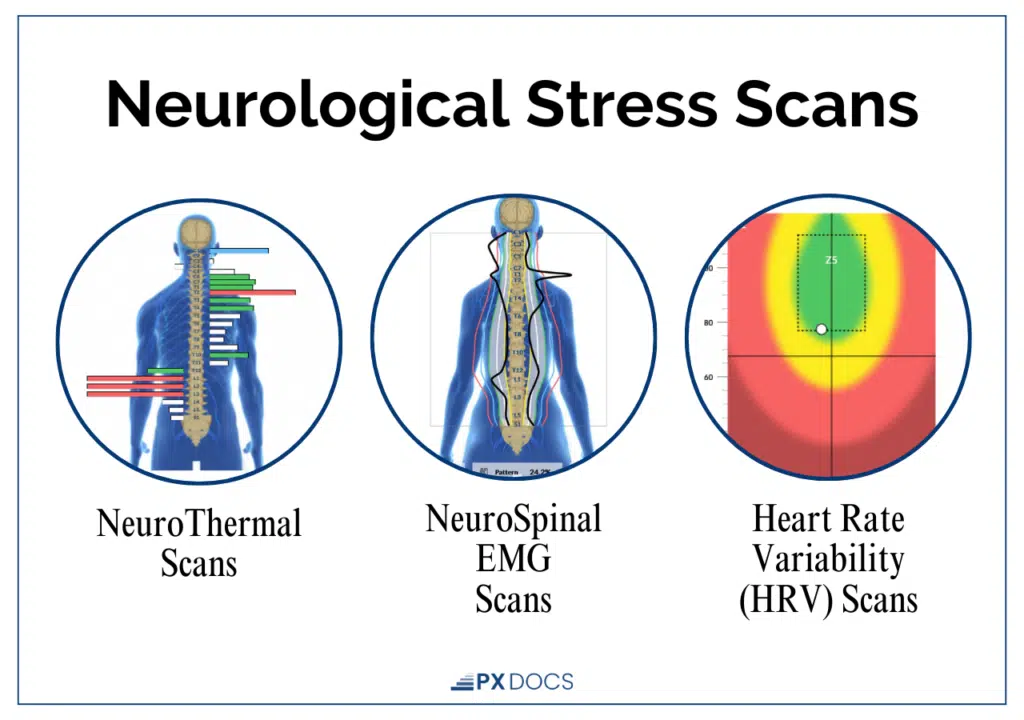
Together, these scans create a comprehensive picture of your nervous system health and can identify the specific areas where subluxation is creating interference.
Conventional Care Approaches
If your presyncope has a clear cardiac cause, you’ll need appropriate medical care. But for most people with vasovagal or orthostatic presyncope, conventional recommendations focus on symptom management.
Lifestyle modifications typically include:
- Increasing fluid intake to maintain blood volume
- Adding salt to raise blood pressure (under medical supervision)
- Eating smaller, more frequent meals
- Avoiding known triggers.
Physical strategies include standing up slowly, wearing compression stockings to prevent blood pooling, and using counter-pressure maneuvers such as crossing your legs or clenching your fists to temporarily raise blood pressure.
Medications may include fludrocortisone to retain salt and water, midodrine to constrict blood vessels, beta blockers, or adjusting medications that contribute to symptoms.
The Limitation of Symptom Management
Here’s the challenge: these approaches manage symptoms rather than addressing why your nervous system can’t properly regulate blood pressure and heart rate.
Staying hydrated is smart. Avoiding triggers makes sense. But if the underlying cause is subluxation, which creates vagus nerve dysfunction and autonomic dysregulation, these interventions just work around the problem rather than fixing it.
You can drink all the water and eat all the salt in the world, but if your vagus nerve isn’t functioning properly because of neurological interference in your upper cervical spine, your body still won’t regulate its blood pressure and heart rate the way it should.
A Different Approach: Addressing the Root Cause
What if you could restore the nervous system function that allows your body to regulate blood pressure and heart rate better on its own?
This is where Neurologically-Focused Chiropractic Care offers a fundamentally different approach.
The first step is to use INSiGHT scans to identify exactly where subluxation is causing interference. For people with presyncope and POTS, we commonly find significant dysfunction in the upper cervical spine, right where the vagus nerve emerges from the brainstem.
Neurologically-Focused Chiropractic Care uses gentle, specific adjustments to remove subluxation and restore proper nervous system communication. We use precise, low-force techniques targeted at the exact areas of interference. The goal is to remove the neurological stress and allow your nervous system to reorganize and regulate properly again.
As subluxation is corrected over time, your vagus nerve function improves, allowing better parasympathetic activation. Your Autonomic Nervous System regains its ability to regulate blood pressure and heart rate in response to changes in position. The “gas pedal” and “brake pedal” start working together properly.
Your nervous system’s overall adaptability improves. Instead of getting stuck in one state, it can respond appropriately and return to baseline. Signs related to dysautonomia, not just presyncope, but also digestive issues, sleep problems, brain fog, and fatigue, often begin to resolve as nervous system function improves.
Living with Presyncope: Practical Tips
While you’re working to address the root cause, here are practical ways to manage the signs day to day.
- During an episode: Sit or lie down immediately with legs elevated if possible. Put your head between your knees if sitting. Focus on slow, deep breaths. Don’t stand back up until symptoms completely resolve.
- Prevention strategies: Stay hydrated throughout the day. Stand up slowly, especially in the morning. Avoid prolonged standing when possible. Eat regular, balanced meals. Limit alcohol and caffeine. Get adequate sleep. Identify and plan around your personal triggers.
- Seek emergency care if: You actually lose consciousness, presyncope occurs during exercise, you experience chest pain or severe shortness of breath, you have a family history of sudden cardiac death, or episodes are becoming more frequent or severe.
Taking the Next Step
Presyncope is your nervous system sending a clear signal that something isn’t working properly.
For too long, people have been told their presyncope is “just” anxiety, “just” dehydration, or “just” something they’ll have to live with. But when you understand the connection to subluxation, vagus nerve dysfunction, and autonomic dysregulation, there’s a path forward.
When you address the neurological root cause, remove the interference, and give your nervous system the opportunity to regulate properly, your body can do what it’s designed to do.
The first step is getting an objective assessment through INSiGHT scans. This will show you exactly where subluxation is creating interference and guide a targeted care plan to restore proper function.Ready to find out what’s really causing your presyncope? Search the PX Docs directory to find a Neurologically-Focused Chiropractor near you.