
You began Neurologically-Focused Chiropractic Care with hope—and that hope was well-placed. Finally, someone was looking at the root causes of your child’s challenges, rather than just managing symptoms with medications or restrictive diets. Early progress can be encouraging: better sleep, calmer moods, and INSiGHT scans confirming real neurological changes.
Over time, though, progress may slow or seem to plateau. That’s actually a normal part of the healing journey. You might see old challenges resurface—sensory overload, mood swings, or respiratory flare-ups—but rather than being setbacks, these are often signs that your child’s nervous system is actively adapting, recalibrating, and even “detoxing” in a healthy way.
Yet while many of these plateaus are simply part of natural adaptation, others can point to deeper challenges. After years of clinical observation, we’ve discovered that certain persistent environmental factors can act as major “roadblocks” to nervous system healing. These barriers are powerful enough to override even the most precise neurological interventions, slowing or stalling progress for longer despite consistent care.
The good news is that, by working with your provider to uncover and address these obstacles (and decipher what the plateau really means), your child’s nervous system can break through those plateaus and move toward full healing potential.
The Science Behind Environmental Interference
The foundation for understanding when nervous system care might face obstacles comes from renowned cellular biologist Dr. Bruce Lipton, whose research has revolutionized our understanding of how healing actually works.
His pivotal insight states: “The function of the nervous system is to perceive the environment and coordinate the behavior of all other cells.”
This quote reveals a profound truth about health and healing that most practitioners miss. The nervous system has two critical jobs: first, to coordinate and control all the body’s internal systems—digestion, immunity, motor function, emotional regulation, and more. Second, to perceive and adapt to the external environment.
Health exists at the intersection of optimal internal nervous system regulation and a supportive external environment.
Acute Environmental Stressors
In clinical practice, the vast majority of children with chronic health challenges have experienced what we call “acute environmental stressors”—one-time or short-term events that disrupted their nervous system development.
Birth trauma from forceps delivery, a vaccine reaction, or early antibiotic exposure can create subluxation and dysautonomia that affects a child for years. The beauty of these cases is that once the neurological interference is addressed through precise neurotonal chiropractic adjustments, the body’s innate healing capacity takes over.
However, recent clinical observations have identified a distinct pattern in cases that don’t follow this typical trajectory. These children face what can only be described as “chronic environmental stressors”—daily, ongoing exposures that continuously burden their developing nervous systems.
The three most common chronic environmental barriers that create this daily neurological burden include:
- Severe mold exposure
- Significant family mental and emotional stress
- Chronic dental infections or airway challenges
Each of these factors operates 24/7/365, constantly triggering the sympathetic “fight or flight” nervous system while suppressing the parasympathetic “rest, digest, and heal” response governed by the vagus nerve.
Understanding Three Major Environmental Barriers to Nervous System Healing
The key to understanding when environmental factors must be addressed lies in recognizing the difference between the nervous system’s internal coordination role and its role in environmental perception. Think of it like a skilled conductor trying to lead an orchestra. If the musicians (internal body systems) aren’t following the conductor’s direction due to subluxation or dysautonomia, we address that with neurological adjustments.
But if the concert hall is filled with construction noise, car alarms, or other overwhelming external disruptions, even the most skilled conductor can’t create harmony until those environmental factors are controlled.
Barrier #1: Severe Mold Exposure
Mold represents one of the most insidious barriers to nervous system healing because it creates what can only be described as a constant state of immune warfare. When a child is exposed to mold spores and mycotoxins daily—whether from basement moisture, hidden water damage, or even contaminated washing machines—their immune system never gets a break from fighting this persistent threat.
Research has found that an alarming 18-50% of buildings have dampness and mold exposures. The neurological impact is profound. Mold exposure keeps the body in chronic sympathetic dominance, with the immune system working overtime to process toxins and fight infection. This leaves little energy for the nervous system’s healing and regulatory functions.
Common signs that mold might be interfering with nervous system healing include:
- Chronic respiratory congestion that briefly improves with adjustments but quickly returns
- Persistent inflammation despite anti-inflammatory protocols
- Difficulty with detoxification, even when drainage pathways are supported
- Immune system dysfunction with frequent infections
- Neurological signs that seem to worsen in certain rooms or buildings
Barrier #2: Significant Family Mental and Emotional Stress
The concept of co-regulation reveals why family stress can be such a powerful barrier to a child’s nervous system healing. Children’s developing nervous systems naturally mirror and sync with their primary caregivers through a process called neuro-emotional co-regulation. When parents are stuck in chronic stress, anxiety, or emotional dysregulation, it creates a constant environmental signal of danger that the child’s nervous system perceives and internalizes.
This isn’t about perfect parenting—it’s about recognizing that chronic illness in a child creates stress for the entire family system. The exhaustion, financial strain, relationship challenges, and constant worry that accompany a child’s health struggles can leave parents’ nervous systems in chronic sympathetic dominance.
Unfortunately, this stressed state gets transmitted to the child through countless daily interactions, making it nearly impossible for the child’s nervous system to fully shift into parasympathetic healing mode.
The solution often involves getting parents under Neurologically-Focused Chiropractic Care as well. When mom and dad’s nervous systems become more regulated and resilient, it creates a calmer environmental foundation that supports the child’s healing process. This represents one of the most powerful “hidden factors” in pediatric healing—addressing the nervous system health of the entire family unit.
Barrier #3: Chronic Dental Infections and Airway Challenges
The proximity of dental infections to the brainstem and vagus nerve makes them particularly disruptive to nervous system healing. Ongoing cavities, gum infections, or hidden dental abscesses create a constant source of inflammation and immune activation right next to the most important neurological structures in the body. Similarly, airway challenges that disrupt sleep architecture prevent the deep, restorative sleep necessary for nervous system repair and vagus nerve activation.
These conditions create what can be described as “neurological exhaustion”—a state in which the nervous system is constantly managing inflammatory signals and stress responses, rather than coordinating healing and development.
Signs that dental or airway issues might be interfering with nervous system care include:
- Sleep disruption despite nervous system improvements
- Chronic fatigue that doesn’t improve with better regulation
- Autonomic dysfunction signs like POTS or temperature regulation issues
- Headaches or facial pain that persist despite upper cervical care
- Difficulty maintaining nervous system improvements between adjustments
The comprehensive clinical approach to identifying these barriers involves careful monitoring of nervous system response through INSiGHT scanning technology. When a child’s neurological patterns fail to improve despite optimal adjustments, or when initial improvements plateau unexpectedly, it can signal the need to investigate environmental factors.
This is where PX Docs steps in as your guide. Our team works closely with families to interpret the scans, uncover hidden stressors, and create a clear roadmap for addressing the barriers that may be slowing your child’s progress. With experience and expertise, we help parents navigate the complexities of neurological healing, enabling their child to move past plateaus and continue thriving.
When Environmental Barriers Are Removed
When environmental barriers are properly identified and addressed while continuing Neurologically-Focused care, the results can be nothing short of remarkable. Children who had plateaued for months suddenly experience dramatic improvements in areas that had seemed stuck. Sleep patterns that had remained disrupted despite nervous system improvements finally stabilize. Chronic respiratory issues that kept returning despite perfect adjustments clear up and stay clear.
The power of this integrated approach becomes visible through INSiGHT scanning technology. Before environmental intervention, scans typically show persistent patterns of nervous system stress:
- High sympathetic activity
- Poor Heart Rate Variability (HRV)
- Ongoing inflammation markers despite months of consistent care.
After addressing environmental barriers like mold remediation, family stress reduction, or dental care, follow-up scans reveal dramatic shifts toward nervous system regulation. This calming of sympathetic stress and neurological dysregulation means the body is getting back into healing mode.
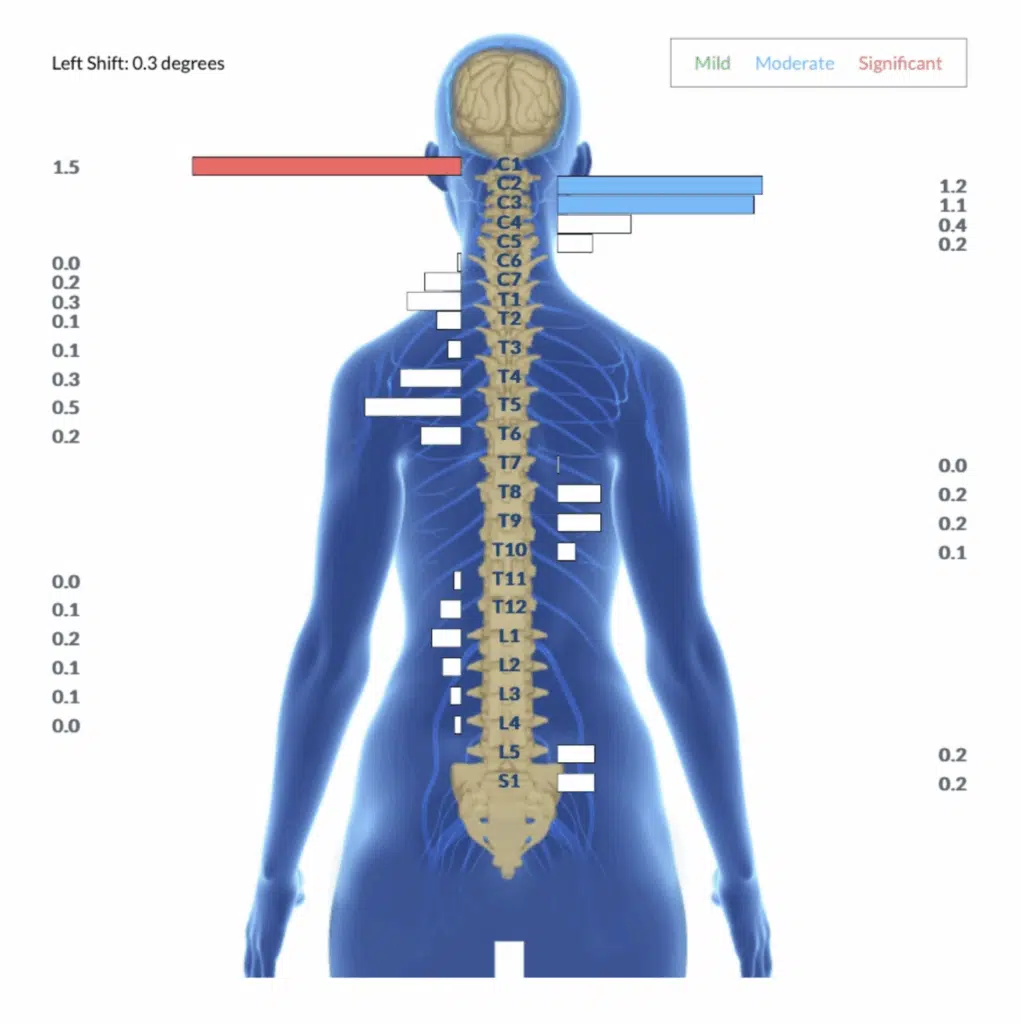
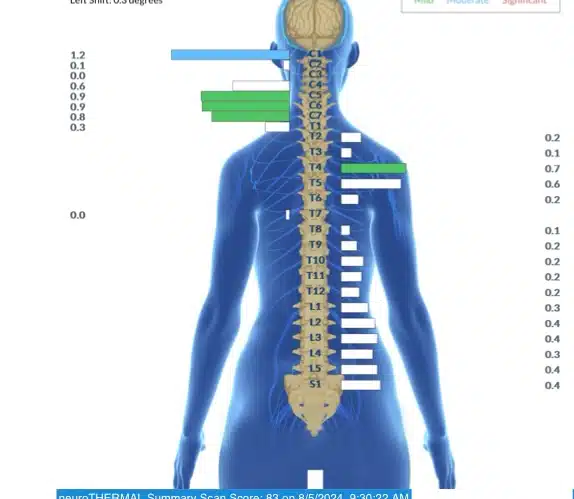
What makes this environmental approach so powerful is that it doesn’t replace nervous system care—it optimizes it. Environmental work clears the obstacles that were preventing neurological healing from taking hold, while continued chiropractic adjustments provide the precise neurological input needed to restore proper function. This synergistic effect often leads to breakthrough improvements that neither approach could achieve on its own.
Finding Answers When Progress Stalls
If you’re reading this article because your child’s progress has drastically plateaued despite consistent Neurologically-Focused care, know that you’re not alone—and more importantly, you haven’t reached a dead end.
Recognizing that environmental barriers might be interfering with your child’s healing doesn’t mean the nervous system approach has failed. Instead, it represents an even deeper understanding of the complex factors that can influence neurological healing.
The next step is working with practitioners who understand this integrated approach to healing. Not all healthcare providers recognize the connection between environmental factors and nervous system function.
This is why finding a PX Docs practitioner trained in identifying these barriers is crucial. These specially trained chiropractors know how to utilize INSiGHT scanning technology to identify when environmental factors may be hindering neurological progress.
Consider Noelle’s story, for example. At first, Noelle was thriving. At the beginning of care, she was “kicking the sick” much more easily, getting fewer colds, and bouncing back faster whenever she did get under the weather. Her mom could finally see her daughter’s immune system starting to strengthen, and it felt like a weight had been lifted—Noelle was on a clear upward trajectory, and hope was finally tangible.
Then, just as things seemed to be settling, an unexpected challenge appeared. Exposure to mold that winter sent her back to the hospital with RSV. It was frightening and disheartening, but her PX Doc’s dedication to finding the root causes of her struggles helped them uncover hidden stressors in her nervous system. With her care plan adjusted to address these new challenges, Noelle was able to recover fully—and even stronger than before.
The Advanced Path to Complete Healing
The journey to understanding when nervous system care needs environmental support represents the evolution of truly comprehensive pediatric healthcare. While most children experience significant healing through Neurologically-Focused Chiropractic Care alone, identifying and addressing the environmental factors that can interfere ensures that every child has the best chance to thrive—and gives families the guidance and confidence they need along the way.
This integrated approach doesn’t diminish the central role of the nervous system in health and healing—it enhances it. By ensuring that environmental factors do not continuously undermine neurological progress, we create optimal conditions for the nervous system to function at its best: coordinating healing, regulating function, and restoring balance throughout the entire body.
If you suspect that environmental barriers might be affecting your child’s healing journey, we encourage you to visit the PX Docs Directory to find a qualified practitioner near you who can perform comprehensive neurological assessments and help identify potential environmental obstacles.
With the right clinical guidance and a commitment to addressing all barriers to healing, your child can overcome these challenges and thrive in ways that once seemed impossible. The nervous system’s capacity for healing is remarkable—sometimes, it just needs the right environment to fully express that potential.