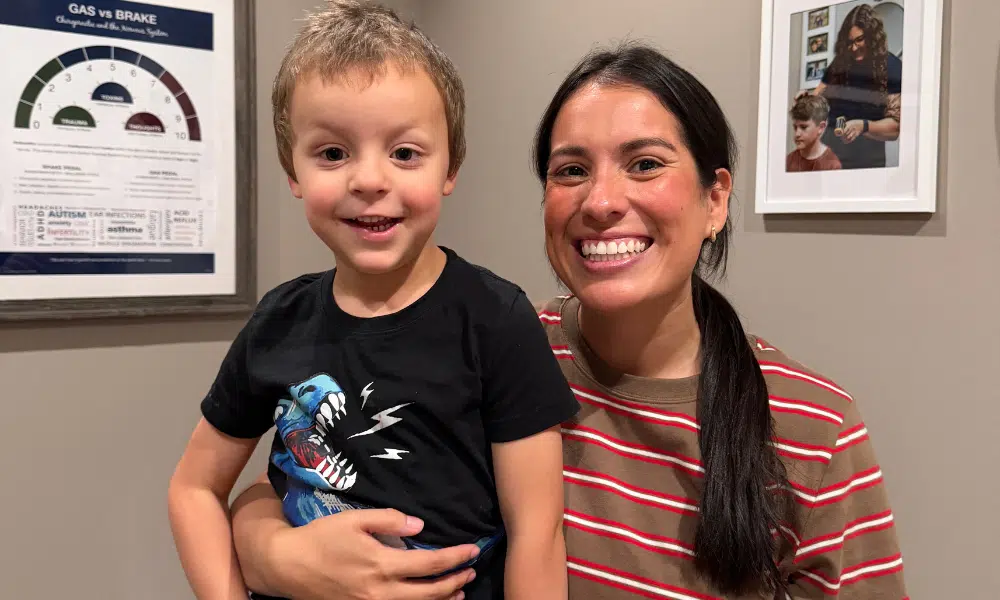

ADHD mood swings are sudden, intense emotional shifts, usually lasting minutes to hours, not days, driven by a dysregulated nervous system stuck in fight-or-flight. Children swing from excited to angry, fine to overwhelmed, plugged-in to checked-out, sometimes within the same hour. They aren’t a parenting failure. They’re the visible surface of an underlying neurological pattern.
For parents watching it happen, the experience is exhausting. One moment, your child is laughing and playing—the next, they’re melting down over a sock seam, a denied snack, or a sibling looking at them wrong. With ADHD now affecting nearly 1 in 9 U.S. children, this is one of the most common parts of ADHD that nobody warned you about.
What conventional medicine often misses: ADHD mood swings aren’t really a behavior problem; they’re a nervous system problem. The emotional dysregulation researchers now recognize as a core feature of ADHD comes from an Autonomic Nervous System that has lost the ability to shift gears. At PX Docs, we go beneath the surface to find drug-free, root-cause answers that actually hold up over time.
Are Mood Swings A Symptom Of ADHD?
Yes—and not just a small one. Emotional dysregulation is now considered a core feature of ADHD, not a side issue. Research published in the American Journal of Psychiatry found that 25–45% of children and 30–70% of adults with ADHD experience clinically significant emotional dysregulation, and it’s been formally added as one of the six fundamental features of adult ADHD.
What does this look like day to day? Children with ADHD often show:
- Sudden outbursts of anger, frustration, or tears with no obvious trigger
- Rapid cycling between excitement and irritability, sometimes called a “short fuse”
- Difficulty calming down once an emotion takes hold
- Low frustration tolerance, small obstacles produce big reactions
- Heightened sensitivity to criticism or perceived rejection
- Emotional meltdowns that feel disproportionate to whatever set them off
- Outsize emotions in both directions, the highs are as big as the lows
These mood swings can occur multiple times throughout the day, often with little warning or apparent trigger. For children with ADHD, the intensity and duration of these emotional shifts can be overwhelming, making it challenging to maintain focus, engage in learning, and navigate social interactions.
The impact of ADHD mood swings extends beyond the child, affecting the entire family dynamic. Parents may find themselves constantly trying to anticipate and manage their children’s emotional reactions, which can lead to increased stress and feelings of inadequacy. Siblings may feel neglected or resentful as the family’s attention is often focused on the child with ADHD. The constant emotional upheaval can strain relationships and create a sense of walking on eggshells within the household.
It’s important to recognize that ADHD mood swings are not a result of poor parenting or a lack of discipline. These emotional challenges are rooted in the child’s neurology and require a compassionate, informed approach to care that addresses the underlying imbalances in the nervous system.
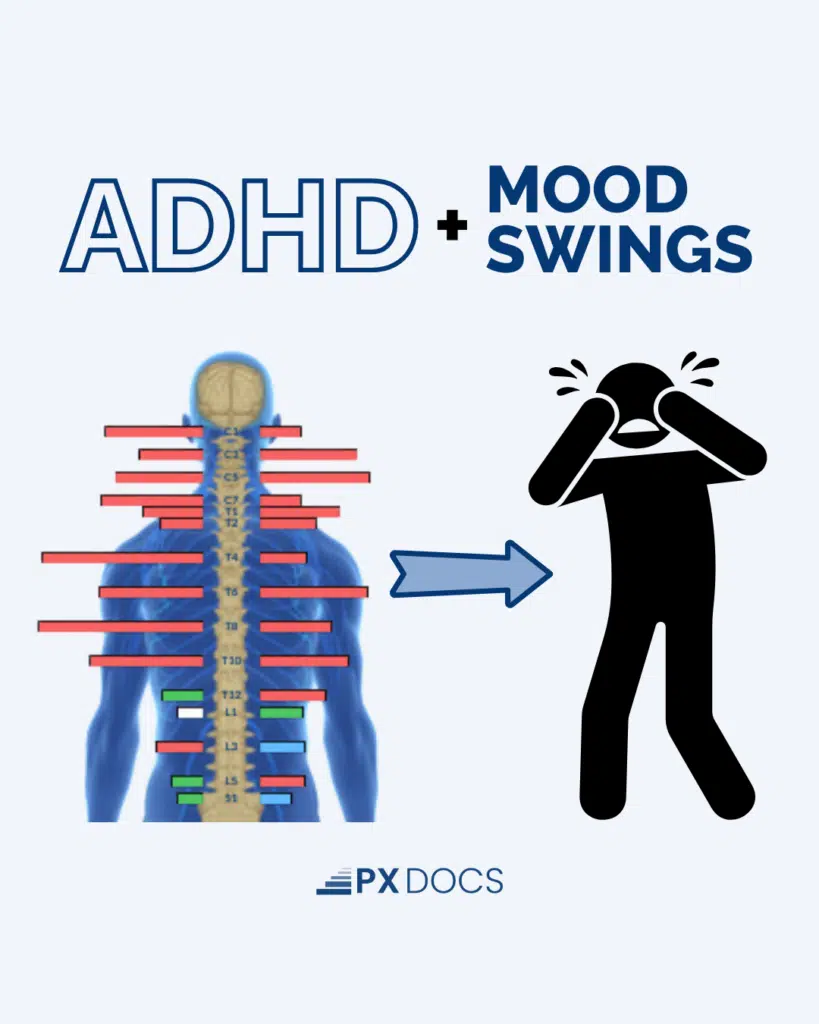
The Two Bulls: Why ADHD Mood Swings Show Up Two Very Different Ways
One of the most important things parents can understand is that ADHD mood swings aren’t one-size-fits-all. Dr. Tony Ebel uses a framework he calls the Two Bulls to describe the two patterns parents see most often and explain why both stem from the same root cause.
- The Raging Bull (classic ADHD, hyperactive type). This is the wound-up child. Constantly moving, talking, climbing, and interrupting. Two speeds—full throttle and zonked. They go from zero to a hundred emotionally in seconds. They can’t fall asleep, can’t stay asleep, can’t sit still, can’t handle transitions. Neurologically, their gas pedal is mashed to the floor. The Sympathetic Nervous System is stuck “on,” and the brake pedal, the Parasympathetic Nervous System, can’t catch up.
- The Drunken Bull (ADD / inattentive type). This is the spaced-out child. Foggy, exhausted, the blank stare. Like a Zoom call with bad WiFi, the signal keeps dropping. They’re not lazy, and they’re not unintelligent. They’re working harder than anyone else just to keep up. Their nervous system isn’t running too hot; it’s running too disorganized, with too much interference between brain and body.
- The Raging Drunken Bull. Most older kids end up here, cycling between both. They burn out the gas pedal and crash into the foggy, irritable, anxious version of themselves. Then frustration builds, explosive behaviors return, and the cycle repeats. This is when mood swings start getting labeled as “bipolar” or “ODD,” when really, the underlying nervous system pattern hasn’t changed at all.
Both versions share the same root: a dysregulated Autonomic Nervous System. We don’t need to slow the engine down. We need to install better brakes.
What Causes Adhd Mood Swings? The “Perfect Storm”
At PX Docs, we recognize that ADHD mood swings are not a result of a single cause but rather a culmination of various factors that create a “Perfect Storm” of neurological dysfunction. This concept suggests that a combination of prenatal stress, birth interventions, early childhood stressors, and nervous system imbalances can set the stage for the development of ADHD and its associated emotional challenges.
- Prenatal stress and maternal health. A mother’s stress during pregnancy doesn’t stay with mom. Elevated maternal cortisol crosses the placenta and shapes how the fetal HPA axis develops, programming a baby’s stress response before they take their first breath. Studies on prenatal stress consistently link maternal anxiety and depression in pregnancy to later emotional and behavioral challenges in children.
- Birth trauma and birth interventions. This is the most overlooked piece of the ADHD story. The U.S. C-section rate sits around 32%, and that doesn’t count forceps, vacuum extraction, induction, prolonged pushing, or cord-around-the-neck deliveries. All of these put strain on the upper neck, brainstem, and vagus nerve—the exact regulatory regions that govern emotional regulation later in life. We see this connection again and again in clinical practice: the children with the most severe mood dysregulation almost always have a documented birth trauma history.
- Early childhood stressors and toxic load. Repeated rounds of antibiotics for ear infections, steroids for breathing issues, chronic colic, gut inflammation, environmental toxins, and excessive screen time all add weight to a nervous system that’s already carrying too much. Adverse childhood experiences and household stress further shape how the developing brain learns to regulate emotion.
At the heart of this “Perfect Storm” lies subluxation and nervous system dysregulation. When the brain and body are not communicating optimally due to neurological imbalances, this can lead to certain traits, including mood swings, irritability, and emotional reactivity.
By addressing these underlying imbalances through Neurologically-Focused Chiropractic Care, we can help children with ADHD find greater emotional stability and improve their overall quality of life.
Why Does The Nervous System Control Mood?
To understand ADHD mood swings, you have to understand the Autonomic Nervous System, the part of you that runs everything you don’t think about: heart rate, digestion, breathing, sleep, hormone signaling, and yes, emotional response.
It has two branches that work like the pedals on a car:
- Sympathetic Nervous System = the gas pedal. Fight or flight. Speeds heart rate, sharpens attention, mobilizes energy.
- Parasympathetic Nervous System = the brake pedal. Rest, regulate, digest. Calms heart rate, slows breathing, allows recovery.
A regulated child can switch between these smoothly—gas when needed, brake when the threat passes. A child with ADHD mood swings can’t. They’re stuck on the gas pedal with worn-out brakes. This state is called dysautonomia—an imbalance within the Autonomic Nervous System, with overactivation of the sympathetic “fight or flight” response and underactivation of the parasympathetic “rest, digest, and regulate” response. Pediatric dysautonomia is one of the most under-recognized drivers of childhood emotional reactivity.
The vagus nerve is central to this story. It’s the longest cranial nerve, running from the brainstem down through the heart, lungs, and gut. It carries about 80% of the parasympathetic signal and is the body’s main calming pathway. Strong vagal tone equals a child who can recover from upset, downshift after excitement, and bounce back from frustration. Low vagal tone, often the result of upper-cervical subluxation, birth trauma, or chronic stress, leaves a child stuck in reactivity. Mood swings are the predictable downstream result.
The vagus nerve also runs the gut-brain axis. The gut contains roughly 500 million enteric neurons and produces an estimated 90% of the body’s serotonin, the neurotransmitter most associated with mood. When kids with ADHD also have constipation, reflux, abdominal pain, or chronic ear infections—and they very often do—that’s not a coincidence. Same nervous system, same dysregulation, different downstream symptoms.
This is also why ADHD rarely shows up alone. Mood swings, sensory processing issues, anxiety, sleep problems, and the emotional dysregulation seen in autism all share the same underlying Autonomic Nervous System dysfunction. Once parents see the connection, the seemingly random list of symptoms starts making sense.
ADHD Mood Swings Vs. Bipolar, Depression, Anxiety, and RSD
This is the question parents ask us most often, because the symptoms genuinely overlap. Here’s the practical way to think about it:
- ADHD mood swings are short and reactive. They flare up in response to a trigger—a frustration, a transition, a sensory input—and usually pass within minutes to hours once the trigger is removed. The child can be fine, then a thunderstorm, then fine again, all in one afternoon.
- Bipolar Disorder mood episodes are long and cyclical. Manic and depressive states last days to weeks, not minutes. They aren’t tied to a specific trigger and don’t resolve once the situation calms down. Bipolar is also rare in young children; most pediatric mood swing presentations are actually emotion dysregulation, not bipolar.
- Depression is constant and heavy. It’s persistent sadness, loss of interest in things the child used to love, low energy that doesn’t lift, and changes in sleep or appetite. Depression doesn’t cycle on a thirty-minute clock the way ADHD mood swings do.
- Anxiety is forward-facing. It centers on worry, fear, and anticipation—the dread before a test, separation, or a new situation. Anxiety and ADHD frequently co-occur, but anxiety is more about what might happen than about what just happened.
- Rejection-Sensitive Dysphoria (RSD) is a specific pattern parents should know about. RSD is an outsized emotional response to perceived rejection, criticism, or failure—it can show up as a sudden meltdown in response to the smallest negative comment. It’s not a separate diagnosis, but it’s deeply common in ADHD, and it explains a lot of the “everything was fine, then suddenly it wasn’t” reactions parents describe.
The reason these conditions cluster together—ADHD, anxiety, depression, emotional dysregulation—is that they share an underlying nervous system pattern. They aren’t five separate problems. There are five different windows looking at the same dysregulated autonomic system.
Why Conventional ADHD Treatment Misses The Root Cause
When children with ADHD experience mood swings, parents often turn to conventional care options as a way of learning how to cope with ADHD effectively. The two most common approaches are medication and behavioral therapies.
Medication, particularly stimulants and amphetamines, is often prescribed to help reduce impulsivity, hyperactivity, and inattention in mood conditions like ADHD and Bipolar Disorder. While these medications can be effective in managing some traits, they do not address the underlying neurological imbalances that contribute to emotional dysregulation and mood swings. Additionally, stimulant medications can come with a range of side effects, including:
- Sleep disturbances
- Decreased appetite and weight loss
- Headaches and stomachaches
- Increased irritability and mood swings
- Tics or other repetitive movements
In some cases, the side effects of ADHD medications can exacerbate the very mood swings they are intended to treat, leaving parents feeling frustrated and searching for alternative solutions.
Behavioral therapies like Cognitive-Behavioral Therapy (CBT) and parent management training help children with ADHD develop coping strategies and improve emotional regulation. They teach children to recognize and manage emotions, communicate effectively, and build positive relationships. However, these interventions may not fully address the neurological causes of ADHD mood swings.
One limitation of relying solely on medication and behavioral therapies is that they primarily manage side effects instead of addressing underlying nervous system dysfunction. While these methods may offer short-term relief, they often do not promote long-term emotional well-being or optimal brain-body communication. Additionally, concerns about long-term ADHD medication risks—like growth suppression, cardiovascular issues, and tolerance—have prompted many parents to explore drug-free alternatives for their children.
Addressing ADHD mood swings effectively requires a comprehensive approach targeting the root causes of emotional dysregulation. Medication has long been recommended because traditional medicine and psychiatric care still rely on the outdated and overly propagated “chemical imbalance” theory, which recently has come under scrutiny for its lack of true accuracy and evidence.
By correcting neurological imbalances, such as subluxation and dysautonomia, parents can enhance their children’s emotional well-being and quality of life. The PX Docs approach to Neurologically-Focused Chiropractic Care offers a safe, drug-free alternative for managing these mood swings and promoting optimal nervous system function.
How Neurologically-Focused Chiropractic Care addresses ADHD mood swings
Neurologically-Focused Chiropractic Care takes a different starting point. Rather than chasing the mood swing itself, we look at the nervous system producing it and work from the foundation up.
The first step is measuring what’s actually going on. We use INSIGHT scans—a set of three neurological assessment technologies that objectively measure how a child’s Autonomic Nervous System is functioning. The three components are:
- NeuroThermal scans (infrared thermography)
- NeuroCore sEMG scans (surface electromyography)
- Heart Rate Variability (HRV) testing.
Together, they show us where the nervous system is stuck on the gas pedal, where the brake pedal isn’t engaging, and where subluxation is creating interference between brain and body.
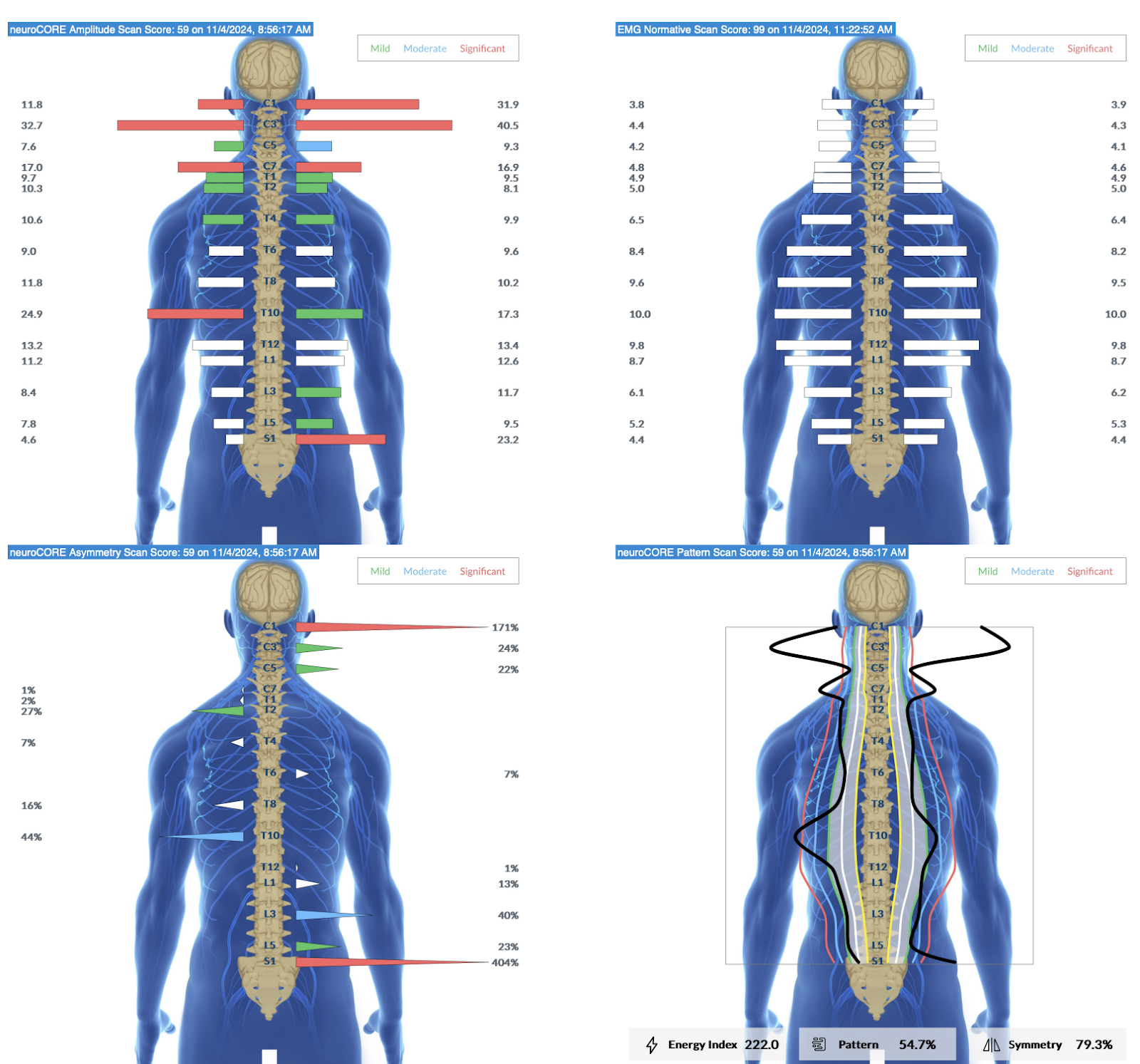
It’s important to be straightforward here: this technology does not diagnose medical conditions, and Neurologically-Focused Chiropractic Care is not a treatment or cure for ADHD or any other condition, not even back pain. What we’re doing instead is using the scans to track down the root cause of nervous system dysfunction and dysregulation and to build customized care plans that help shift the nervous system back into a state of balance, regulation, and resilience. We don’t guess. We test.
What this looks like in clinical practice: very gentle, specific adjustments—often focused on the upper cervical spine and brainstem region, the body’s “stress hotspot”—designed to remove the neurological interference driving sympathetic dominance. As the brake pedal comes back online and vagal tone improves, parents start reporting changes that often surprise them. Better sleep within the first weeks. Easier transitions. Mood swings that still happen but recover faster. Less reactivity to small frustrations. The child who used to go from zero to a hundred starts living more in the middle range.
Healing happens in layers, not all at once. The nervous system rebuilds the way an injured ankle rebuilds—progressively, with repetition, sometimes with setbacks before the next leap forward. But the trajectory, when the underlying regulation improves, is real and measurable.
What Can Parents Do At Home To Support ADHD Mood Regulation?
We believe that parents play a crucial role in supporting their child’s journey towards greater emotional balance and resilience. In addition to seeking Neurologically-Focused Chiropractic Care, there are several steps parents can take to create a supportive home environment and promote their child’s overall mental health and well-being.
- Build a consistent daily rhythm. Children with ADHD show a developmental lag of about three years in the brain regions that handle impulse control, confirmed by a 2007 cortical maturation study. Predictable wake times, meal times, transitions, and bedtimes do real neurological work. Routine isn’t restrictive—it’s regulating.
- Reduce sensory load and screen time. A nervous system already running hot doesn’t need more input. Lower lighting in the evenings, quieter spaces during transitions, and screen-off windows before bed all help the parasympathetic system come online.
- Prioritize sleep and gut health. A child who isn’t sleeping deeply or whose gut is inflamed will not regulate emotionally, no matter what else you do. Address those layers in parallel.
- Use co-regulation in the moment. When a child is in a meltdown, your calm nervous system is the most powerful tool in the room. Lower your voice, slow your breathing, and get to their eye level. They borrow your regulation until theirs comes back.
It’s essential for parents to prioritize their own self-care and stress management. Caring for a child with ADHD can be emotionally and physically demanding, and it’s crucial to take time to recharge and focus on your own well-being. Engaging in regular exercise, practicing relaxation techniques, and seeking support from friends, family, or a therapist can help you maintain the emotional resilience needed to support your child effectively.
A Path Forward For Adhd Mood Swings
ADHD mood swings can feel like a daily storm with no map. But there’s a coherent neurology underneath them, and there’s a coherent path forward. Understanding emotional dysregulation as a nervous system problem, not a behavior problem, not a parenting problem, not a chemistry problem in isolation, is the shift that lets families stop treating symptoms in circles and start addressing the root.
Neurologically-Focused Chiropractic Care offers a drug-free, root-cause approach to the nervous system dysregulation underneath the mood swings. By identifying subluxation, supporting vagal tone, and helping the Autonomic Nervous System shift back toward regulation, we help children move from chronic reactivity toward genuine resilience. The same intensity that fuels meltdowns, when properly regulated, is often what makes these kids extraordinary—focused, passionate, creative, deeply feeling.
The goal isn’t to suppress who they are. It’s to give them a nervous system that can handle who they are.
If you’re ready to find out what’s happening underneath your child’s mood swings, find a PX Doc near you. With the right support, your child can experience the steadiness, joy, and quality of life they deserve.
Frequently asked questions about ADHD mood swings
How long do ADHD mood swings typically last? Most ADHD-related mood swings last minutes to a few hours and usually resolve once the trigger is removed or the child has time to reset. This is the main feature that distinguishes them from Bipolar Disorder mood episodes, which last days to weeks. If your child’s mood shifts are lasting longer than a few hours and aren’t tied to a specific trigger, that’s a signal to talk with a clinician about whether something else may be going on.
Why do ADHD mood swings get worse in the late afternoon or evening? Two reasons. First, the nervous system is genuinely more depleted by the end of the day, the gas pedal has been pressed all day at school, and the brakes are running on fumes. Second, if your child is on stimulant medication, the late-afternoon spike often coincides with medication rebound, the stimulant wearing off, sometimes producing a few hours of irritability, tearfulness, or crashing. If the timing is consistent, it’s worth a conversation with your prescriber about dosing.
Can ADHD mood swings happen without hyperactivity? Absolutely. The inattentive presentation of ADHD, what we call the Drunken Bull pattern, often comes with significant emotional dysregulation, but it tends to look different. Instead of explosive outbursts, it shows up as withdrawal, shutting down, tearfulness, or a persistent sense of overwhelm. These children are often missed because they don’t fit the classic hyperactive picture, but their nervous system dysregulation is just as real.
What is rejection-sensitive dysphoria, and is it part of ADHD? Rejection-Sensitive Dysphoria (RSD) is an outsized emotional response, usually intense sadness, anger, or shame, to perceived rejection, criticism, or failure. It’s not a formal diagnosis, but it’s extremely common in people with ADHD and is rooted in the same emotional reactivity research that’s shaped our modern understanding of ADHD. Children with RSD aren’t being dramatic. Their nervous system genuinely registers small social slights as bigger threats than a regulated nervous system would.
Are ADHD mood swings the same thing as Bipolar Disorder? No. They share the surface symptom of “mood swings,” but the underlying pattern is different. ADHD mood swings are short, reactive, and trigger-based. Bipolar mood episodes are long, cyclical, and often unrelated to specific events. Bipolar Disorder is also rare in young children. Most of what gets diagnosed as “pediatric bipolar” turns out, on closer look, to be ADHD-related emotion dysregulation.
Will my child grow out of these mood swings? The honest answer: not on their own. Without addressing the underlying nervous system regulation, most children don’t outgrow ADHD mood swings—they grow into the next version of the same pattern. The hyperactive toddler becomes the irritable elementary schooler, becomes the anxious middle schooler. Each stage gets a different label, but the dysregulated Autonomic Nervous System underneath stays the same. The good news is that the nervous system is also remarkably plastic, especially in childhood, when the underlying regulation is supported, the trajectory really can change.