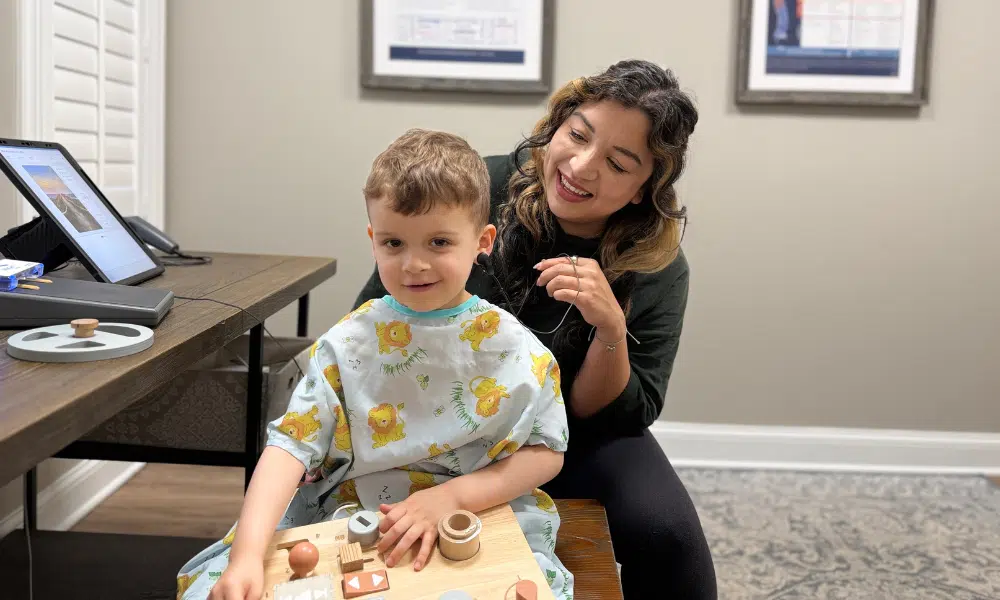

Take a deep breath through your nose right now. Feel your chest and belly expand. Then slowly breathe out through pursed lips, letting the air drift out naturally. This simple act stimulates your vagus nerve, one of the most important communication pathways in your body.
The vagus nerve runs from the brain down through the neck, chest, and abdomen and controls “vagal tone,” or how well your child’s nervous system can shift from stress to calm. It drives the “rest and digest” system, influencing digestion, immunity, heart rate, mood, sleep, and stress response, and over 75% of the nerve fibers sending messages to your internal organs run through this network.
When vagal tone is low, kids get stuck in fight-or-flight mode. Their bodies lose the ability to slow down, leading to issues like anxiety, constipation, poor sleep, sensory overload, and frequent illness. The good news is that targeted neurological chiropractic care and vagus nerve exercises can help restore balance and support healthier nervous system function.
What is Vagus Nerve Dysfunction?
Think of your child’s nervous system like a car. The Sympathetic Nervous System is the gas pedal (fight or flight), while the Parasympathetic Nervous System is the brake (rest and digest). The vagus nerve controls the brake pedal.
The vagus nerve acts as the main conduit carrying signals to trigger the parasympathetic “rest and digest” relaxation response, essential for rebuilding, restoring, and recharging the body. It’s a key component of the Autonomic Nervous System, the automatic system that runs functions like heart rate, digestion, and breathing without you having to think about them.
When vagal tone is low, meaning the vagus nerve isn’t working properly, kids get stuck with their foot on the gas pedal, unable to slow down and calm their bodies. Scientists can actually measure this through something called heart rate variability, which we’ll explain more about below.
Since the vagus nerve innervates many different organs and muscles, from the gut, lungs, and heart to the larynx and eyelids, imbalances in its activity quickly spiral into various concerning signs.
Children struggling with low vagal tone and vagus nerve dysfunction often experience:
- Digestive complaints like reflux, constipation, abdominal pain, and nausea
- Disrupted sleep with difficulty falling or staying asleep
- Constantly feeling on edge or unable to calm down
- Low heart rate variability and erratic cardiovascular rhythms
- Heightened inflammation and food or environmental sensitivities
- Chronic migraines and headaches
- Mood conditions like anxiety or depression
- Difficulty recovering from stress, minor triggers create major meltdowns
- Reduced immunity and recurrent infections or illness
- Overactive stress response that won’t turn off
- Trouble with emotional regulation and transitions
- Sensory processing challenges and overstimulation
Physical trauma at birth, like vacuum extraction procedures, frequently strains delicate nerve tissues in the brainstem and upper neck, exactly where the vagus nerve exits the skull. These micro-injuries compound emotional trauma, toxin exposures, infections, medication overuse, and sustained stress system activation. Unable to properly regulate nervous signaling, the vagus nerve stays in “high alert” rather than allowing the body to access its natural “rest and digest” mode.
Why Stimulating the Vagus Nerve Matters
Activating the vagus nerve triggers the parasympathetic “rest and digest” pathway, which is responsible for relaxation, tissue growth and repair, stable blood sugar and thyroid levels, reproductive system function, and dampening inflammation.
Since three-quarters of nerve fibers carry sensory information and motor commands between the organs and the brain through the vagus network, enhancing conduction along this pathway benefits whole-body wellness.
How We Measure Vagal Tone: Heart Rate Variability
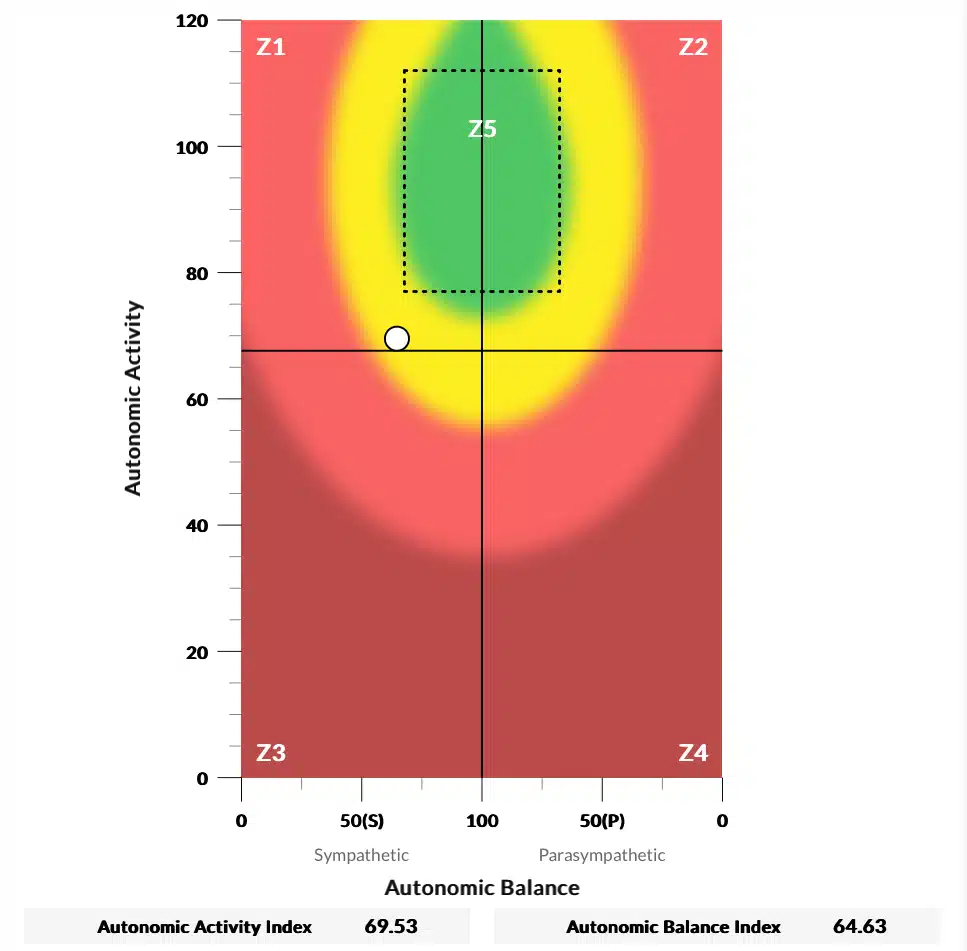
We can now measure vagal tone using heart rate variability (HRV), the natural variation in the time between heartbeats. This isn’t the same as your heart rate; it’s the slight timing differences from beat to beat.
Higher HRV indicates that your vagus nerve is functioning well and that your body can shift easily between calm and alert states. Lower HRV signals low vagal tone and difficulty recovering from stress. While you don’t need to track HRV to benefit from these exercises, it helps explain why vagus nerve stimulation works, and it’s one of the things our INSiGHT Scans measure when assessing nervous system function.
For children in the rapid development years between birth and age five, properly functioning vagus transmission is especially vital for:
- Digestive Strength: The vagus stimulates digestive enzymes, gut motility, and bowel regularity. Improving vagal function can help with reflux, constipation, and diarrhea.
- Respiration Quality: Proper vagus activity helps regulate oxygenation, lung expansion capacity, and stable breathing rhythms to prevent asthma flares.
- Growth Trajectories: Ensuring robust parasympathetic activation fuels human growth hormone.
- Learning Agility: Lowering reactive anxiety via the vagus nerve improves focus, attention span, and sensory integration.
- Milestone Achievement: The vagus reinforces nerve firing to enhance movement and speech.
- Emotional Regulation: A well-functioning vagus nerve helps children manage big emotions, transition between activities, and recover from frustration, critical for kids with ADHD, Autism, or behavioral challenges.
- Immunologic Harmony: An anti-inflammatory reflex mediated by the vagus nerve lessens seasonal allergy reactions.
- Recurrent Illness Prevention: Better vagus nerve function supports immune system resilience, lessening the reliance on antibiotics for recurrent ear infections.
6 Vagus Nerve Exercises for Kids
Here’s what you need to know before starting: these exercises aren’t a magic switch that instantly fixes everything. Think of them like building muscle at the gym; they get stronger and more effective with consistent practice. Some provide immediate relief when your child is overwhelmed, while others work best as daily practices that build long-term resilience.
Families ask what daily habits help get the vagus nerve back online. Targeted stimulation through select movements, breathing exercises, vocalizations (like singing), and sensory exposures measurably activates parasympathetic “rest and digest” pathways.
While children love trying fun, hands-on activities for prolonged exhales, these also prompt the body’s natural healing capacities.
Here are six safe ways to stimulate the vagus nerve at home with your kids:
1. Diaphragmatic Breathing (Longer Exhale Technique)
Diaphragmatic breathing with a longer exhale is the most effective way to activate your child’s vagus nerve and shift them into “rest and digest” mode. The key is engaging the diaphragm (belly breathing) rather than taking shallow chest breaths, and making the exhale noticeably longer than the inhale, which directly stimulates the Parasympathetic Nervous System.
How to practice: Have your child place one hand on their belly and one on their chest. Breathe in slowly through the nose for 4 counts, letting the belly hand rise while the chest hand stays relatively still. Then exhale slowly through the mouth for 6-8 counts, letting the belly fall. The longer exhale is what triggers the calming response.
Duration & frequency: Practice 5-10 minutes, 2-3 times daily, especially during transitions (car rides, before bed, after school).
Age guidance: Ages 5+ can do independently with coaching; ages 3-5 benefit most from parent modeling and playful tools.
For younger kids (ages 3-7): Make it fun with tools that create natural resistance. Have your child practice controlled, resistance-based exhales by blowing bubbles with a wand, playing a harmonica-style toy, spinning pinwheels held in front of pursed lips, or inflating small party favor whistles. These fun gadgets create backpressure, necessitating tightly pursed lips and a slow, steady stream of air to produce bubbles, musical notes, wheel spins, and whistle sounds.
Expertly prolonging exhalation in these manners sends the vagus nerve signals, indicating a prolonged, relaxed state that allows the Parasympathetic Nervous System to prevail.
2. Chanting and Humming
Chanting “om,” “ohm,” or “aum” and humming melodies stimulate the vagus nerve through vocal cord vibrations that travel along the vagus pathway. The vagus nerve connects directly to your larynx (voice box), so when you create vibrations in your throat and chest, you’re physically activating the nerve. Laughing heartily or yawning fully can also help massage vagus signals.
How to practice: Complete 5-10 slow, steady rounds of humming with your ears gently covered. Hum from your chest, not just your throat, with a low pitch that you can feel vibrating in your body. Practicing these techniques several times daily, especially during transitions, can help with speech development, relaxation, and nervous system regulation.
Using vocalizations that create vibrations in the neck and facial muscles can help promote balance in the body. Make chanting sessions fun by using different voices and gradually lowering pitch and volume.
Duration & frequency: 5-10 rounds of 20-30 seconds each; several times daily during transitions or wind-down times.
This works best when parents hum together with their child; it’s calming for everyone and models the technique.
3. Cold Water Exposure
Cold water exposure triggers what scientists call the mammalian diving reflex, an automatic response that slows heart rate, redirects blood flow to vital organs, and activates the vagus nerve. This powerful vagal stimulation happens within seconds of cold contact with your face.
Exposing kids to cold water can activate the vagus nerve, triggering a biological response that slows heart rate and relaxes blood vessels. This cold therapy can help promote a sense of calm and relaxation. Just a brief exposure, we’re talking 10-30 seconds, followed by a few deep breaths, can help kids regulate their nervous systems more effectively.
How to practice:
- 30 seconds with a cool washcloth pressed to the face
- 10 seconds of splashing ice water on the face
- 20-30 seconds with an ice pack on the back of the neck
- Brief cold shower at the end of a regular bath (start with lukewarm, gradually cooler)
Safety guidance: Start with cool (not ice cold) water for young children. Avoid if your child has heart conditions. Stop immediately if your child shows extreme discomfort beyond initial surprise.
Duration & frequency: Use as needed for immediate anxiety relief during meltdowns or overwhelm; daily brief exposure builds long-term resilience.
Age guidance: Ages 5+ can do independently; ages 3-5 need parent supervision and gentler cool temperatures.
4. Singing
Singing strongly activates the muscle fibers surrounding vagus nerve pathways in the neck and face. The vagus nerve connects to your vocal cords, so singing creates vocal cord vibrations that directly stimulate the nerve. Have your child practice singing along to their favorite upbeat songs. Any form of vocalizing uses facial and throat muscles innervated by the vagus nerve, but pairing singing with faster rhythmic breathing also expands lung capacity.
Try having kids belt out short phrases, then take a big breath and make silly sounds on the inhale, too. Harmonizing melodies exaggerate controlled breathing, while singing mobilizes muscles attached to vagus fibers.
Duration & frequency: 10-15 minutes of singing, or 5 rounds of favorite songs; daily as part of routine.
Make it part of daily life: Car rides, bath time, bedtime routine, morning wake-up songs. The more natural and fun, the more consistent the kids will be.
5. Gratitude Moments
Encourage your child to share three things they are grateful for before bedtime, using emotional words to describe how it made them feel. Positive emotions and feelings of safety naturally activate the parasympathetic response, helping the body shift into “rest and digest” mode. This can help them relax and improve their mood. Over time, this practice can lead to better sleep and stronger family bonds.
Duration & frequency: 3-5 minutes before bed, every night.
Age variations:
- Ages 3-5: Share 1-2 things (keep it simple)
- Ages 6+: Share 3-5 things with emotional details
- Family practice: Take turns so everyone participates
Bonus tip: When paired with addressing underlying nervous system issues through specific care strategies, gratitude practices become even more effective at building emotional regulation skills.
6. Gentle Massage (Neck and Ears)
Gentle massage of specific areas can directly stimulate the vagus nerve through its branches that connect to the neck and ears. This technique is especially calming before bed or during meltdowns.
The vagus nerve has branches that extend to your ear, specifically an area called the cymba concha (the upper hollow part of your ear). When you massage this area, you’re directly activating vagal nerve fibers.
How to practice:
- Ear massage: Find the hollow in the upper part of your child’s ear (cymba concha) and gently massage it in small circles for 1-2 minutes. Use light, comfortable pressure.
- Neck massage: Gently massage the sides of the neck with slow, downward strokes for 1-2 minutes, avoiding direct pressure on the throat.
Duration & frequency: 1-2 minutes per area; daily before bed or during wind-down times.
Best results: Most calming when combined with slow breathing. Have your child take deep breaths while you massage.
This is a wonderful bonding activity that calms both parent and child. The physical touch combined with vagal stimulation creates a powerful relaxation response.
Safety Guidelines and When to Seek Help
These exercises are generally safe for children ages 3 and up when practiced correctly. However, keep these guidelines in mind:
Stop if your child experiences:
- Dizziness or lightheadedness (with breathing exercises)
- Extreme discomfort with cold exposure beyond initial surprise
- Pain with massage techniques
- Any concerning signs that worsen
Consult your pediatrician before starting if your child has:
- Heart conditions (especially with cold therapy)
- Ear infections or ear problems (avoid ear massage)
- Severe respiratory issues
- Any chronic medical conditions
When Exercises Aren’t Enough:
If you’ve been practicing these exercises consistently for 4-6 weeks and the signs persist or worsen, underlying structural issues may be preventing your child’s vagus nerve from functioning properly. This is especially true if:
- Signs started in infancy (colic, reflux, latching issues, torticollis)
- Your child had a difficult birth (C-section, vacuum extraction, forceps, prolonged labor)
- Multiple related signs persist (digestive + behavioral + sleep issues together)
- Your child can’t seem to sustain the improvements from exercises
This is when assessment for subluxation and neurological interference becomes important.
Why Some Kids Need More Than Exercises
Vagus nerve exercises can help manage the signs, but they may not resolve them completely if there’s underlying neurological interference from subluxation.
It’s like trying to make a phone call with a damaged wire; the breathing techniques and exercises are right, but if the connection is compromised at the structural level, the signals can’t get through properly.
Understanding why your child’s vagus nerve isn’t working properly in the first place requires looking at what we call The “Perfect Storm,” a sequence of stressors that disrupts nervous system development starting very early in life.
The First Component: Prenatal Stress
The first part of the “Perfect Storm” often begins before birth. Fertility challenges, maternal stress, and prenatal anxiety expose your baby’s developing nervous system to stress hormones that can affect vagal tone from the very beginning. This doesn’t mean moms did anything wrong; it means the nervous system never got the chance to develop optimal regulation.
The Second Component: Birth Trauma
Here’s the part that connects directly to vagus nerve dysfunction: nearly 45% of mothers report experiencing some form of birth trauma during delivery, whether from C-section, vacuum extraction, forceps, prolonged labor, or rapid delivery.
The vagus nerve exits the brainstem and travels through the upper cervical spine, exactly where these birth interventions create physical stress. When that delicate area is compressed or injured, it can cause subluxation and neurological interference that prevents the vagus nerve from functioning properly.
That’s why babies who had difficult births often show early warning signs:
- Trouble latching or nursing (only on one side)
- Constant crying and colic
- Digestive issues (reflux, constipation, painful gas)
- Torticollis (head tilted to one side)
The Third Component: Early Childhood Stressors
Then comes the accumulation: frequent antibiotics disrupting the gut-brain axis, environmental toxins, chronic illness, and medication use. A nervous system already struggling from birth trauma simply can’t keep up.
By age 3-5, what started as colic or reflux has grown into anxiety, sensory processing challenges, ADHD signs, or chronic constipation.
Neurologically-Focused Chiropractic Care
While vagus nerve exercises engage the nerve and provide trait relief, restoring optimal function often requires addressing the neurological interference at its source.
It’s important to note that INSiGHT scanning technology does not diagnose medical conditions, and Neurologically-Focused Chiropractic Care is certainly not a treatment or cure for vagus nerve dysfunction or any other condition, not even back pain. Instead, these scans help us identify the root cause of nervous system dysfunction and dysregulation and build customized care plans to help shift the nervous system back into a state of balance, regulation, and resilience.
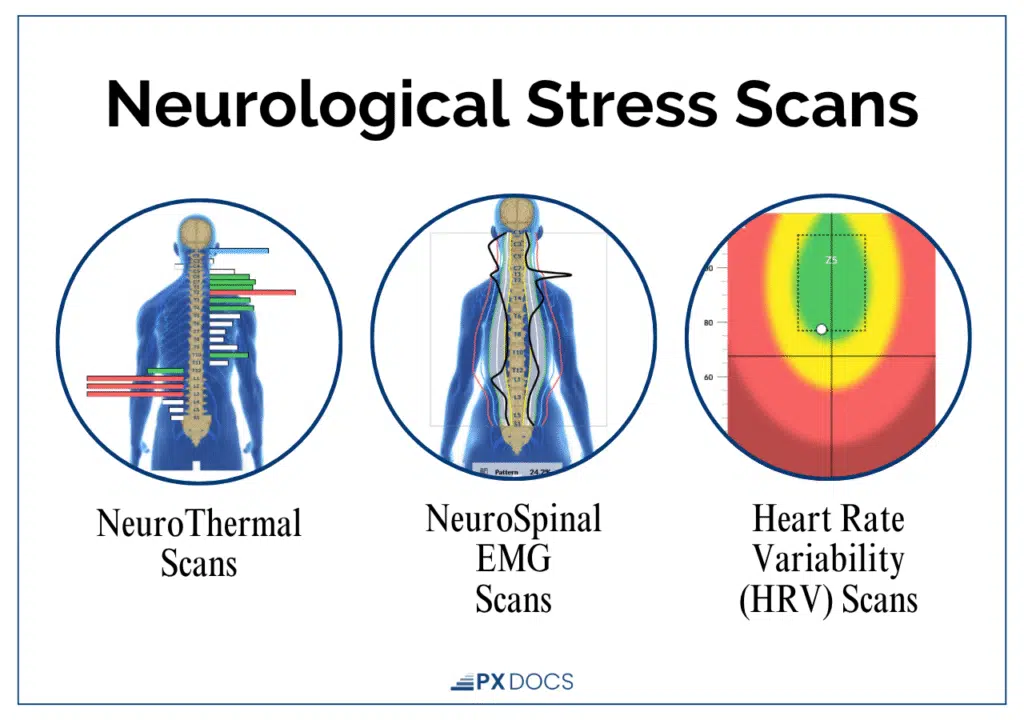
Our INSiGHT Scans measure heart rate variability (HRV), thermal patterns along the spine, and muscle tension to create an objective picture of nervous system function. We can see exactly where subluxation is creating interference and track how care improves vagal tone over time, often before the signs fully resolve.
Think of it this way: the exercises are teaching your child’s nervous system how to use the brake pedal. But if there’s a mechanical problem with the brake itself (subluxation), all the practice in the world won’t fix the underlying issue.
Neurologically-Focused Chiropractic adjustments are specifically designed to:
- Release compression on the vagus nerve pathway in the upper cervical spine
- Remove neurological interference that prevents proper signal transmission
- Restore proper communication between the brain and body
- Allow the nervous system to shift from sympathetic dominance back to balanced function
When we correct the subluxation that creates interference, the vagus nerve exercises become dramatically more effective because the nerve can now actually transmit the signals you generate through breathing, singing, and other techniques.
Your Path to Healing
If your child is struggling with persistent vagus nerve dysfunction, chronic health challenges, or signs that started in infancy, we encourage you to use our PX Docs Directory to find a qualified pediatric chiropractor near you. When coupled with a Neurologically-Focused care plan, vagus nerve exercises become even more powerful tools for restoring your child’s nervous system function and quality of life.
Your child’s nervous system is designed to heal; sometimes it just needs the right support to remove what’s blocking that natural healing process.