
Self-regulation strategies for kids are techniques that help children manage their emotions, behavior, and impulses, including deep breathing, sensory breaks, co-regulation, visual schedules, and movement-based activities. These strategies build essential skills, but when a child’s nervous system is stuck in a chronic stress response, calming techniques alone may not be enough. Addressing underlying nervous system dysfunction is often the missing step.
The meltdowns keep coming. The tantrums still hit like a freight train. The emotional outbursts at school aren’t slowing down, and you’re left wondering what you’re doing wrong.
Here’s the truth: you’re not doing anything wrong. Self-regulation strategies for kids absolutely matter, and we’ll walk through the best ones in this article. But if your child’s nervous system is stuck in a state of chronic stress and overdrive, no calming technique in the world will be enough on its own.
What Is Self-Regulation in Children?
Self-regulation is a child’s ability to manage their emotions, behavior, and body in response to what’s happening around them. It’s what allows a five-year-old to wait their turn during a game, a seven-year-old to stay focused on a frustrating homework assignment, or a toddler to recover from a disappointment without a 30-minute meltdown.
Self-regulation isn’t one skill. It’s a combination of emotional regulation, impulse control, and attention management, all working together. These abilities depend heavily on executive function, which is governed by the prefrontal cortex.
Research published in Frontiers in Human Neuroscience confirms that the prefrontal cortex undergoes significant structural development during the preschool years, and this development directly correlates with a child’s capacity for inhibitory control and cognitive flexibility.
But here’s the part most articles on self-regulation miss: executive function doesn’t operate in a vacuum. It depends on the Autonomic Nervous System functioning properly underneath it. When that system is out of balance, the brain’s ability to regulate emotions, attention, and behavior is compromised from the ground up, no matter how many calming strategies you teach.
What Does Poor Self-Regulation Look Like?
Poor self-regulation shows up differently depending on the child’s age, temperament, and the specific stressors involved. Some kids explode instantly, zero to sixty with no warning. Others build slowly, becoming increasingly agitated until they finally hit a breaking point.
Common signs of self-regulation difficulties in children include:
- Frequent meltdowns that seem disproportionate to the trigger
- Difficulty with transitions, moving from one activity to the next causes major distress
- Inability to calm down once upset, even with parental support
- Impulsive behavior, hitting, grabbing, or reacting before thinking
- Sensory sensitivity, overreacting to sounds, textures, or visual input
- Sleep difficulties, trouble falling asleep, staying asleep, or waking rested
- Chronic irritability, a child who seems “wired” or agitated most of the time
- Difficulty focusing in classroom settings despite being intellectually capable
While occasional meltdowns are a normal part of childhood development, persistent self-regulation struggles beyond age five often signal something deeper is going on. Children with ADHD, Anxiety, Sensory Processing Disorder, and Autism often show significant challenges with emotional and behavioral regulation, and these challenges frequently share a common neurological root.
Why Do Some Kids Struggle with Self-Regulation?
The conventional answer focuses on two things: developmental stage and environment. And those do matter. The prefrontal cortex, the brain region responsible for impulse control and emotional regulation, doesn’t fully mature until the mid-twenties.
A 2021 review in Neuropsychopharmacology confirmed that the prefrontal cortex plays a central role in cognitive control and executive function, and that stress hormones can actually shut down neural activity in this region when they exceed moderate levels. So younger children naturally have less capacity for self-regulation, and stressed children have even less.
Environment matters too. Kids who experience consistent, responsive parenting tend to develop better self-regulation skills than children in chaotic or unpredictable environments. Co-regulation, in which a calm adult helps a child manage their emotions, is critical for building these neural pathways. A 2022 meta-analysis in Neuroscience & Biobehavioral Reviews found that positive parenting was associated with higher resting parasympathetic activity in children, particularly in clinical populations.
But what about the kids who have loving, consistent parents and a stable environment, and still can’t regulate? What about the child who’s been in occupational therapy, behavior therapy, and counseling, and the meltdowns haven’t budged?
This is where we need to look deeper. When a child’s Autonomic Nervous System is stuck in a state of sympathetic dominance—essentially locked in fight-or-flight mode—the higher brain functions responsible for self-regulation simply can’t come online. It’s like trying to have a calm, rational conversation while someone is blaring a fire alarm in the room. The brain is too busy surviving to regulate.
This is the piece that gets missed. And it’s exactly what we address through a neurological lens.
What Are the Best Self-Regulation Strategies for Kids?
Before we go deeper into the neurological side, let’s be clear: self-regulation strategies for kids do work, and they’re worth teaching. The key is understanding that these are tools that work best when the nervous system is ready to receive them.
- Deep breathing exercises. Teaching a child to take slow, deep breaths activates the vagus nerve and stimulates the Parasympathetic Nervous System. Try “smell the flowers, blow out the candles” with younger kids—breathe in through the nose, out through the mouth. This is a neurological intervention that directly shifts autonomic tone.
- Sensory breaks. Many children, especially those with sensory processing differences, need regular sensory input to stay regulated. Squeezing a stress ball, swinging, jumping on a trampoline, or using a weighted blanket can all provide proprioceptive input that helps organize the nervous system.
- Co-regulation. Before kids can self-regulate, they need co-regulation—a calm, present adult who helps them through the storm. Your own nervous system regulation directly affects your child’s. When you stay calm, your child’s nervous system picks up on those cues of safety and starts to settle.
- Visual schedules and predictable routines. Uncertainty is a stress trigger. When kids know what’s coming next, their nervous system doesn’t have to stay on high alert. Visual schedules reduce the cognitive demand of transitions and free up mental resources for regulation.
- Positive self-talk and emotional labeling. Teaching kids to name their emotions (“I feel frustrated” instead of just melting down) gives the prefrontal cortex a chance to step in. Research shows that simply naming an emotion reduces amygdala activation, the brain’s alarm center.
- Movement and physical activity. Stretching, yoga, animal walks, and outdoor play all provide the sensory-motor input that helps organize neural pathways. For kids with excess sympathetic energy, movement is often more effective than sitting still and trying to breathe.
These strategies are valuable. But for a significant number of children, they don’t stick because the underlying nervous system dysfunction hasn’t been addressed.
Why Self-Regulation Strategies Don’t Always Work
Here’s what we see all the time in our practice: parents come in having tried everything. Every calming strategy, every therapy, every behavioral approach. And their child is still struggling.
The reason is straightforward. Most self-regulation strategies are designed to work with a nervous system that’s fundamentally able to shift between states, between alert and calm, between active and resting. Think of it like a car. Self-regulation strategies are like teaching your child to use the brakes. But if the gas pedal is stuck to the floor, if the Sympathetic Nervous System is locked in overdrive, no amount of brake technique is going to slow the car down.
This is exactly what nervous system dysregulation looks like. The child’s Autonomic Nervous System is stuck with the “gas pedal” (sympathetic fight-or-flight) jammed on and the “brake pedal” (Parasympathetic Nervous System) not engaging properly. In clinical terms, this pattern is called dysautonomia—an imbalance between the two branches of the Autonomic Nervous System.
When dysautonomia is present, a child’s body is essentially running a chronic stress response. Their heart rate stays elevated. Digestion slows down. Sleep quality drops. And the brain, particularly the prefrontal cortex, can’t do its job because the alarm system never turns off.
This is why your child might know all the calming strategies and still can’t use them in the moment. The knowing isn’t the problem. The nervous system’s ability to respond is.
How Does Nervous System Dysfunction Start in Children?
So how does a child’s nervous system get stuck like this in the first place?
Nervous system dysfunction in children typically develops through a cumulative sequence of early-life stressors, prenatal stress, birth trauma, and early childhood exposures that overwhelm the developing Autonomic Nervous System.
At PX Docs, we call this pattern “The Perfect Storm.” It’s not one single event. It’s the combination that matters.
- It often starts before birth. Prenatal stress, fertility challenges, and maternal anxiety during pregnancy can alter fetal nervous system development. Research has shown that the vagus nerve and Autonomic Nervous System develop during critical windows in fetal life, and these windows are sensitive to maternal stress, nutrition, and environmental factors.
- Birth interventions add physical stress. C-sections, vacuum extraction, forceps, prolonged labor, and induction can all create physical strain on the infant’s upper cervical spine and brainstem, the exact areas where the vagus nerve and Autonomic Nervous System are most concentrated.
- Early childhood stressors pile on. Repeated rounds of antibiotics, chronic ear infections, colic, reflux, poor sleep, and environmental toxin exposure further tax a nervous system that’s already under strain.
None of these factors alone is necessarily enough to cause lasting dysfunction. But when they stack up, especially during the most sensitive periods of neurological development, they can shift the nervous system into a chronic state of sympathetic dominance. The child’s nervous system gets “stuck on the gas pedal,” and self-regulation becomes a daily battle.
How the Vagus Nerve Controls Your Child’s Ability to Self-Regulate
The vagus nerve is the longest cranial nerve in the body, running from the brainstem all the way down through the heart, lungs, and digestive organs. It’s the primary driver of the parasympathetic “rest, digest, and regulate” response.
Stephen Porges’ Polyvagal Theory—one of the most significant contributions to neuroscience in recent decades—demonstrates that the vagus nerve doesn’t just control heart rate and digestion. It also regulates social engagement, emotional expression, and the ability to calm down after stress. When vagal tone is strong, a child can shift between states fluidly, getting excited during play, then settling down for dinner.
When vagus nerve dysfunction is present, everything downstream suffers. Digestion slows (hello, constipation and reflux). Immune function drops (chronic ear infections, anyone?). Sleep quality tanks. And self-regulation? It becomes nearly impossible because the brake pedal that’s supposed to bring the nervous system back to baseline just isn’t working.
Research on heart rate variability (HRV) has shown that children with lower vagal activity tend to show less optimal neurodevelopmental outcomes, poorer emotional expressivity, and greater difficulty with behavioral regulation. HRV is essentially a window into how well your child’s nervous system can adapt to stress.
This is why addressing the vagus nerve and the Autonomic Nervous System function is so critical for kids who struggle with self-regulation.
How INSiGHT Scans Identify the Root Cause
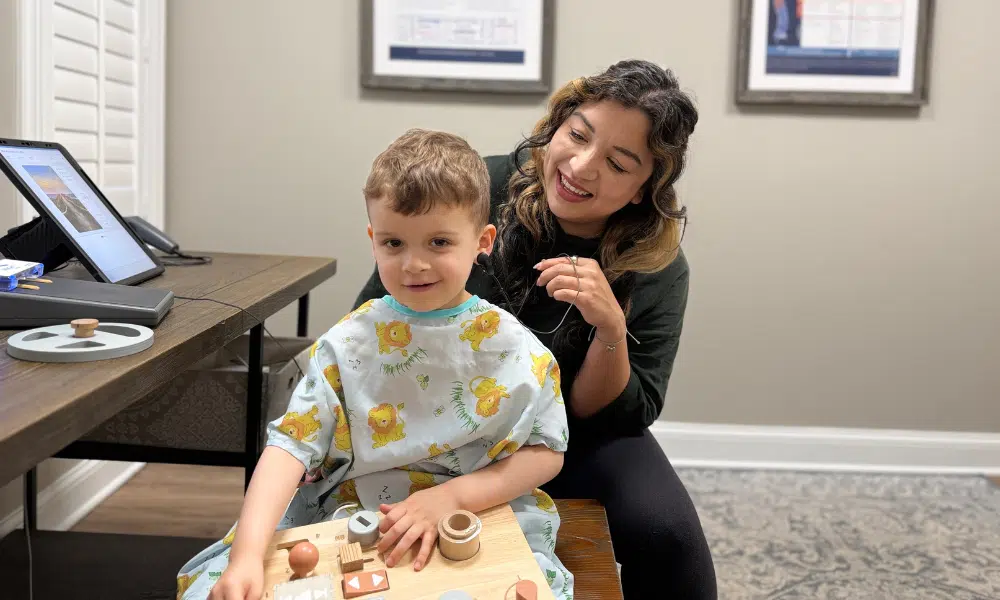
This is where our INSiGHT scanning technology becomes so valuable for parents seeking answers. It’s important to note that this technology does not diagnose medical conditions, and Neurologically-Focused Chiropractic Care is certainly not a treatment or cure for self-regulation difficulties or any other condition. Instead, these INSiGHT Scans help us track down the root cause of nervous system dysfunction and dysregulation, and build customized care plans and adjust protocols to help shift the nervous system back into a state of balance, regulation, and resilience.
INSiGHT Scans consist of three primary components:
- Heart Rate Variability (HRV): Measures the balance between the sympathetic (“fight-or-flight”) and parasympathetic (“rest, regulate, and digest”) branches of the Autonomic Nervous System.
- Surface Electromyography (sEMG): Assesses electrical activity of muscles along the spine, identifying areas of tension and altered neuromuscular function.
- Thermal Scanning: Uses infrared sensors to measure temperature differences along the spine, which can indicate areas of dysautonomia.
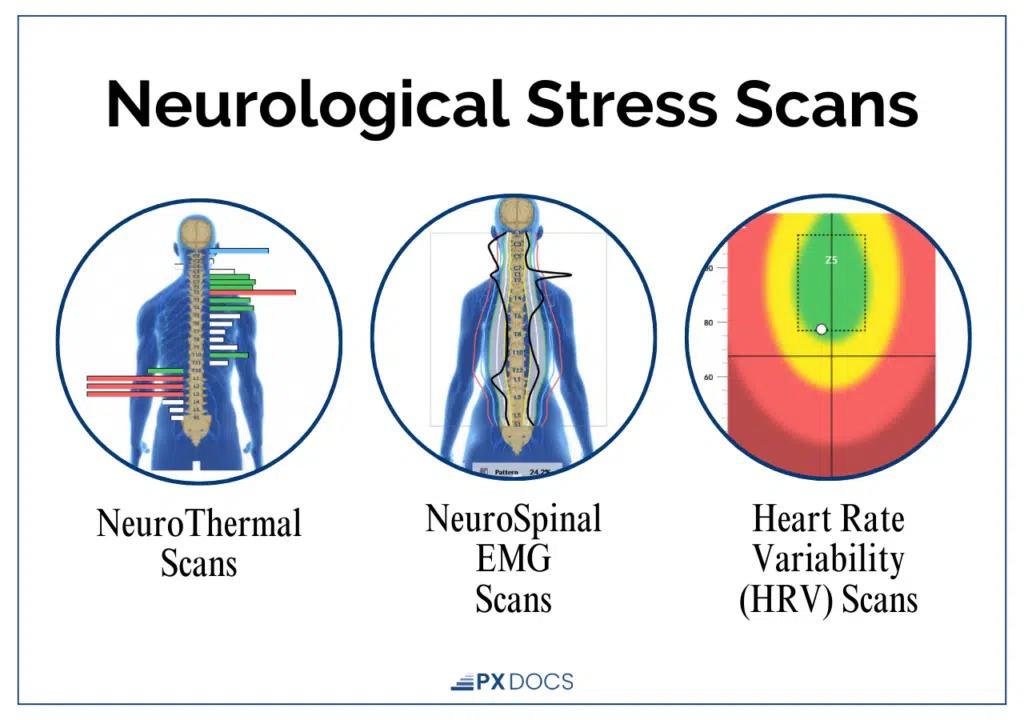
What makes these scans valuable is their ability to detect subtle changes in neurological function long before those changes show up as symptom improvements. For children struggling with self-regulation, these scans often reveal exactly the pattern parents have been describing, a nervous system stuck in overdrive with the brake pedal barely engaging.
How Does Neurologically-Focused Chiropractic Care Help Kids Self-Regulate?
When we talk about subluxation in pediatric neurology, we’re describing more than a structural issue. Subluxation involves misalignment, fixation, and neurological interference—a pattern that disrupts the normal communication between the brain and body. When subluxation is present, particularly in the upper cervical and brainstem regions, it can keep the nervous system locked in a state of sympathetic dominance.
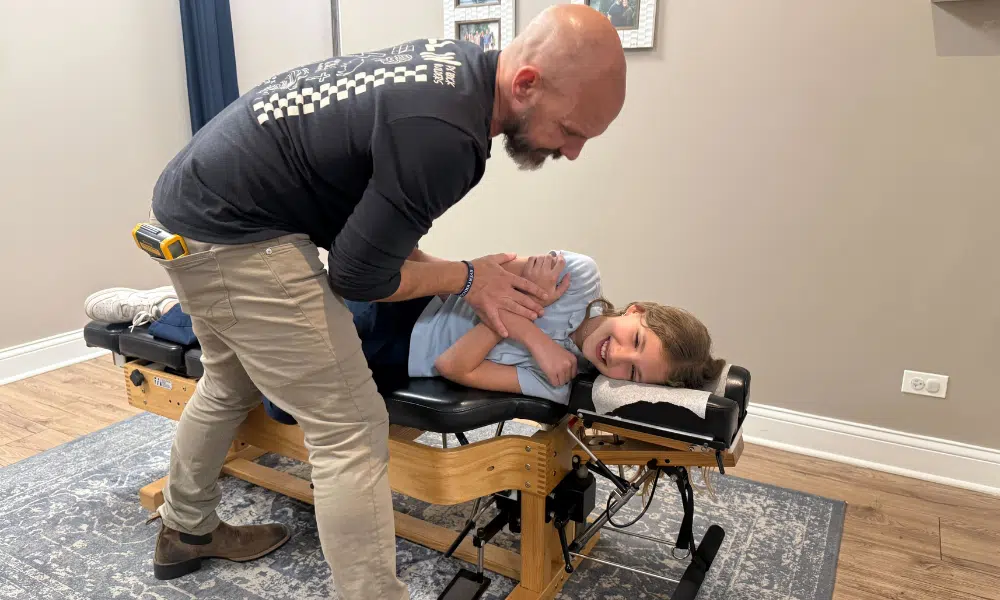
Neurologically-Focused Chiropractic Care addresses this by working directly with the areas of the spine and nervous system where interference is greatest. The goal isn’t to treat self-regulation difficulties or any specific condition. The goal is to restore proper neurological function, to help get that stuck gas pedal unstuck, and allow the brake pedal to do its job again.
As the nervous system begins to regulate and shift out of chronic stress mode, so many parents report improvements in their child’s ability to handle transitions, manage frustration, sleep through the night, and recover from emotional moments more quickly. These changes happen from the inside out, starting with neurological function and gradually expressing as improved behavior and emotional capacity.
Xander is a powerful example. His mom, an experienced behavior therapist, had all the right tools and strategies—but it wasn’t until his nervous system became calm and regulated through Neurologically-Focused Chiropractic Care that he was finally able to implement them.
When Self-Regulation Strategies Aren’t Enough
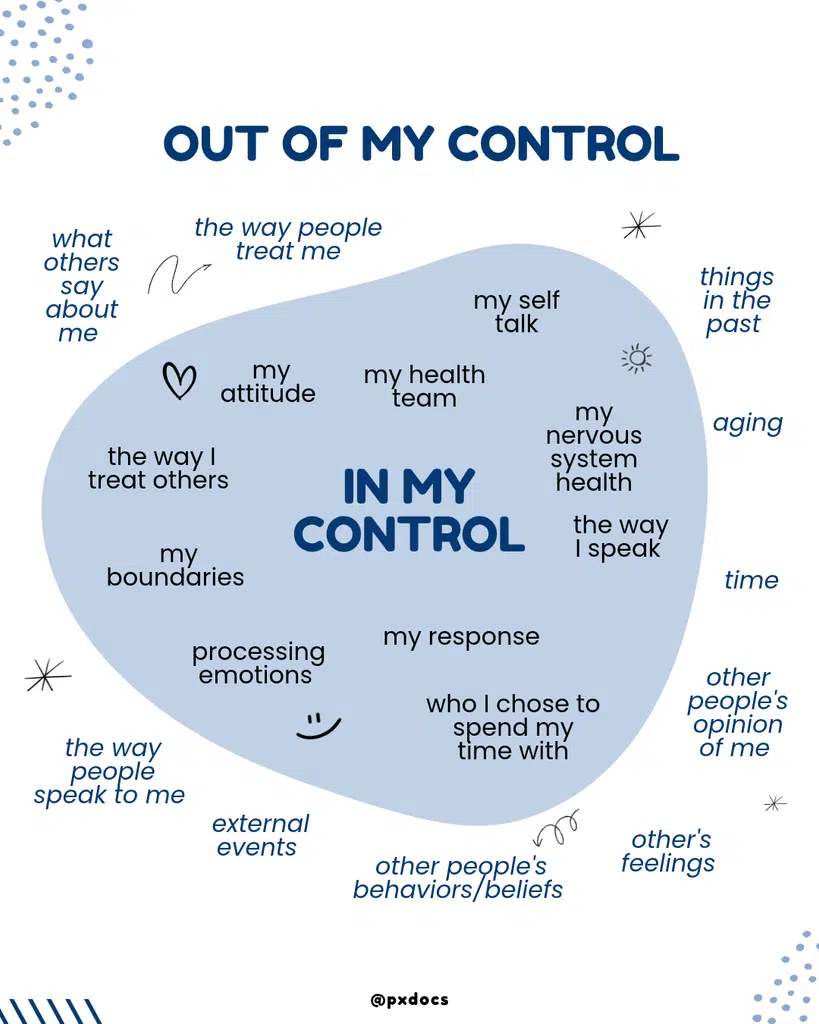
Self-regulation strategies for kids matter. Deep breathing, sensory breaks, co-regulation, routines, emotional labeling, and movement are all worth teaching and practicing. Don’t stop doing them.
But if your child has tried everything and is still struggling, it may be time to look beneath the behavior. The nervous system controls every function in your child’s body—including their ability to calm down, focus, and regulate their emotions. When that system is stuck, strategies alone aren’t enough.
Understanding The Perfect Storm of factors that can drive nervous system dysfunction gives parents the clarity they’ve been searching for. And finding a PX Docs provider who can measure and address that dysfunction with INSiGHT scans and neurologically-focused care may be the missing piece that finally helps your child thrive.
Frequently Asked Questions
What are the best self-regulation strategies for kids?
The most effective self-regulation strategies for kids include deep breathing exercises, sensory breaks with tools like weighted blankets or fidget toys, co-regulation with a calm caregiver, visual schedules to reduce transition anxiety, positive self-talk, and regular physical activity. These strategies work best when the child’s nervous system is functioning well enough to respond.
At what age should a child be able to self-regulate?
Self-regulation develops gradually. Toddlers have a very limited capacity, while most typically developing children show significant improvement between the ages of four and six. The prefrontal cortex continues developing into the mid-twenties, so even older children and teenagers sometimes struggle. Persistent difficulties beyond age five may warrant a closer look at nervous system function.
Why can’t my child calm down even with calming strategies?
When calming strategies aren’t working despite consistent practice, it often points to an underlying nervous system issue. If a child’s Autonomic Nervous System is stuck in sympathetic dominance, in chronic fight-or-flight mode, the parasympathetic “brake pedal” can’t engage effectively. Addressing nervous system dysfunction may be the missing step.
What is the connection between the vagus nerve and self-regulation?
The vagus nerve is the primary driver of the parasympathetic nervous system, which controls the body’s ability to rest, digest, and regulate emotions. Strong vagal tone allows children to shift between emotional states fluidly. When vagus nerve function is compromised, often due to early-life stress or birth interventions, self-regulation becomes much harder.
Can chiropractic care help with self-regulation in children?
Neurologically-Focused Chiropractic Care doesn’t directly treat self-regulation difficulties. Instead, it addresses subluxation (misalignment, fixation, and neurological interference) that can keep the nervous system stuck in a stress response. By restoring proper neurological function, many families see improvements in their child’s ability to regulate emotions, handle transitions, and recover from stressful moments.
What is “The Perfect Storm” in pediatric health?
“The Perfect Storm” refers to a combination of early-life stressors, prenatal stress, birth trauma and interventions, and early childhood exposures that can overwhelm a child’s developing nervous system. When these factors accumulate during critical developmental windows, they can shift the nervous system into chronic sympathetic dominance, contributing to challenges with self-regulation, sensory processing, digestion, sleep, and immune function.
How do INSiGHT Scans work?
INSiGHT Scans use three technologies: Heart Rate Variability (HRV), Surface Electromyography (sEMG), and thermal scanning, to measure nervous system function. They don’t diagnose conditions; instead, they identify patterns of nervous system dysfunction and dysregulation. For children with self-regulation challenges, these scans often reveal an autonomic imbalance that helps explain why calming strategies alone haven’t been enough.