

A weak immune system in a child is an immune defense network that can’t effectively fight off infections, regulate inflammation, or maintain a balance between overreacting and underreacting to threats. Signs of a weak immune system in a child include frequent infections that linger longer than expected, slow wound healing, chronic digestive issues, persistent fatigue, and recurring ear infections or respiratory illnesses that never fully resolve.
If your child catches every bug that goes around and holds onto it for weeks while other kids bounce back in days, you’re not imagining things. Something deeper is going on. And what most parents don’t realize is that the immune system doesn’t operate on its own. It’s controlled and coordinated by another system entirely: the nervous system.
What Are the Most Common Signs of a Weak Immune System in Children?
The signs tend to show up as patterns rather than isolated events. It’s not about one bad cold—it’s about getting sick constantly, recovering slowly, and never reaching full health between episodes.
- Frequent infections are the first red flag. While it’s normal for young children to get 6-8 colds per year, children with weakened immunity experience significantly more—especially ear infections, sinus infections, and recurring respiratory illnesses. According to the Jeffrey Modell Foundation, four or more ear infections, two or more serious sinus infections, or two or more pneumonias within a year may indicate an underlying immune issue.
- Slow recovery from illness is another hallmark. Most kids fight off a cold within 7-10 days, but children with compromised immune function may take weeks to recover, or improve briefly before relapsing. That “never fully well” baseline is something parents describe to us constantly.
- Chronic digestive problems are a sign many parents miss. Because roughly 70-80% of the immune system resides in the gut, digestive issues such as constipation, diarrhea, bloating, and food sensitivities often go hand in hand with immune weakness.
- Delayed growth, persistent fatigue, and skin issues round out the picture. Chronic immune activation diverts metabolic resources away from growth, kids who should have boundless energy run on empty, and recurring eczema, rashes, or slow-healing wounds signal an immune system that’s struggling.
Why Does Your Child Keep Getting Sick While Other Kids Stay Healthy?
Most children with recurring illness aren’t dealing with a rare genetic immune deficiency; they’re dealing with a functional communication breakdown between the nervous system and the immune system. The immune system doesn’t run itself. It’s regulated by the Autonomic Nervous System, particularly the vagus nerve.
Think of it this way, your child’s immune system is the army, but the nervous system is the general giving the orders. If the general can’t communicate with the troops, the defense falls apart.
Research on the cholinergic anti-inflammatory pathway has shown that the vagus nerve plays a direct role in regulating inflammatory and immune responses. When the vagus nerve functions properly, it releases acetylcholine, which regulates pro-inflammatory cytokines such as TNF-alpha and IL-6 — helping keep the immune response balanced.
When vagus nerve function is compromised, a child’s immune system becomes simultaneously suppressed, hyperactive, and confused. That’s why children with immune dysfunction often have both frequent infections AND allergies, eczema, or food sensitivities—their immune system is dysregulated, not simply “weak.”
What Causes Immune System Dysfunction in Children?
Immune dysfunction in children is most often caused by Autonomic Nervous System imbalance, specifically, a nervous system stuck in sympathetic dominance (“fight or flight”) with reduced parasympathetic and vagal tone. This pattern, called dysautonomia, suppresses immune coordination and keeps the body in a state of chronic stress.
The Autonomic Nervous System has two branches that work like a gas pedal and a brake pedal.
- The Sympathetic Nervous System (gas pedal) activates “fight or flight.”
- The Parasympathetic Nervous System (brake pedal), largely driven by the vagus nerve, handles “rest, digest, and regulate,” including immune regulation.
When a child’s nervous system gets stuck with the gas pedal floored and the brake pedal offline—a state of sympathetic dominance—stress hormones like cortisol directly suppress immune function. Reduced vagal tone means the vagus nerve can’t coordinate the gut-brain axis or regulate inflammation through the cholinergic anti-inflammatory pathway.
So what puts a child’s nervous system in this state?
Dr. Tony Ebel, founder of PX Docs, has identified a pattern called “The Perfect Storm,” a sequence of stressors that build on each other during the most critical windows of neurological development.
- Stage one: Prenatal stress. Maternal stress, anxiety, and health challenges during pregnancy can alter fetal autonomic development, programming the baby’s nervous system for heightened stress response. Prenatal stress influences the developing nervous system through the umbilical cord—it’s not just a nutrient delivery system, it’s an electrical connection between mom’s nervous system and baby’s.
- Stage two: Birth trauma. Interventions like C-sections, vacuum extraction, forceps, and induction can strain a baby’s upper cervical spine and brainstem—exactly where the vagus nerve originates. Birth trauma to this area can lead to subluxation, a combination of misalignment, fixation, and neurological interference that disrupts the nervous system’s ability to regulate immune response.
- Stage three: Early childhood toxic overload. Antibiotic use (which decimates the gut microbiome where most immunity lives), environmental toxins, and chronic medication use further overwhelm an already stressed nervous system. Early-life microbiome disruption has lasting effects on both immune development and neurological function.
When these stages stack up, the child’s nervous system becomes locked in nervous system dysregulation, cascading into immune dysfunction, gut problems, sleep issues, and the chronic illness patterns that bring so many frustrated parents to our doors.
How Can INSiGHT Scans Help Identify the Root Cause?
Standard blood work tells you what the immune system looks like, but not how well it’s being controlled. It doesn’t measure the neurological signaling that determines whether the immune system can mount a coordinated response.
It’s important to note that INSiGHT scanning technology does not diagnose medical conditions, and Neurologically-Focused Chiropractic Care is certainly not a treatment or cure for immune dysfunction or any other condition, not even back pain. Instead, these INSiGHT Scans help us track down the root cause of nervous system dysfunction and dysregulation, and build customized care plans and adjusting protocols to help shift the nervous system back into a state of balance, regulation, and resilience.
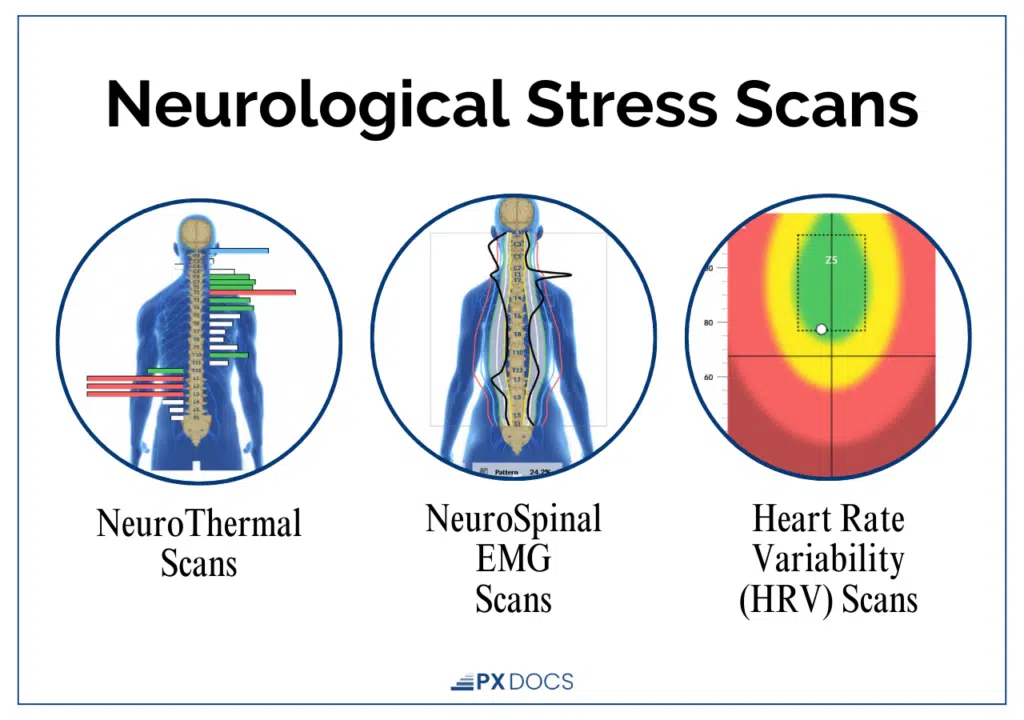
INSiGHT Scans measure three things:
- Heart Rate Variability (HRV) is the balance between the sympathetic and parasympathetic branches of the autonomic nervous system
- Surface Electromyography (sEMG) measures areas of neuromotor tension along the spine, indicating subluxation patterns
- Thermal Scanning measures temperature differences, revealing areas of dysautonomia that impair immune function.
What’s the Connection to Other Childhood Conditions?
Immune dysfunction rarely shows up alone. Autism research shows a significant link that children on the spectrum have documented immune dysfunction. Children with ADHD frequently present with allergies, asthma, and eczema. Sensory Processing Disorder often co-occurs with gut and immune challenges. And emotional dysregulation commonly accompanies chronic stress response.
The shared mechanism?
Autonomic nervous system dysfunction driven by subluxation and dysautonomia. When the nervous system controls the immune system, the gut, sensory processing, and emotional regulation, dysfunction in the control center creates simultaneous dysfunction across all these areas.
How Can Parents Naturally Strengthen Their Child’s Immune System?
- Prioritize nervous system health. Neurologically-Focused Chiropractic Care uses gentle, precise adjustments to address subluxation patterns. When the nervous system shifts out of sympathetic dominance and the vagus nerve comes back online, the immune system can finally do its job.
- Support gut health. Whole foods, fermented foods, minimizing unnecessary antibiotics, and age-appropriate probiotics all support the microbiome, where most immunity lives.
- Protect sleep and reduce stress. Sleep is when the immune system repairs itself, and children absorb the stress in their environment. Building calm and regulation into daily family rhythms supports autonomic balance.
If your child experiences four or more ear infections per year, repeated pneumonias, infections requiring IV antibiotics, or failure to thrive, consult your pediatrician to rule out primary immunodeficiency. If testing comes back “normal” but your child is still constantly sick, a functional nervous system assessment may be the missing step. Our Raising Healthy Kids Naturally Playbook provides further guidance on strengthening your child’s immune and nervous systems.
Visit the PX Docs Directory to find a trained Neurologically-Focused Chiropractor who can run INSiGHT scans and help determine if nervous system dysfunction is driving your child’s immune challenges.
Frequently Asked Questions
How many infections per year are too many for a child?
From a conventional medical perspective, four or more ear infections, two or more sinus infections requiring antibiotics, or two or more cases of pneumonia within a year may indicate an immune deficiency. While 6-8 colds per year are typical for young children, persistent or severe infections warrant evaluation by a pediatrician and may indicate immunodeficiency.
While these are the conventional thresholds used to determine when further medical investigation may be necessary, from a nervous system perspective, the goal isn’t to wait until a child becomes chronically sick. Frequent infections—even if they fall within what’s considered “normal”—can be a sign that the body’s adaptive capacity is being challenged. Identifying and addressing nervous system stress early may help support healthier immune function and resilience over time.
Can stress really affect a child’s immune system?
Chronic stress shifts the autonomic nervous system into sympathetic dominance, which suppresses immune function through elevated cortisol and reduced vagal tone. The vagus nerve directly regulates inflammation through the cholinergic anti-inflammatory pathway—when vagal tone drops, immune coordination suffers.
Is my child’s weak immune system related to their gut problems?
Approximately 70-80% of the immune system resides in the gut, and the vagus nerve coordinates both gut function and immune response. Nervous system dysfunction disrupts gut motility, nutrient absorption, and microbiome balance, thereby compromising immune function and digestive health.
What’s the difference between a weak immune system and an overactive one?
Many children have both simultaneously—an immune system that is too weak to fight infections yet overreacts to harmless substances like food proteins, pollen, or environmental triggers. This paradox of allergies plus frequent illness results from autonomic nervous system dysregulation rather than the immune system being simply “too strong” or “too weak.”
What role does birth trauma play in immune system problems?
Birth interventions such as C-sections, vacuum extraction, and forceps delivery can strain the upper cervical spine and brainstem, where the vagus nerve originates. This physical stress can cause subluxation—misalignment, fixation, and neurological interference—that compromises vagal tone and immune regulation from the earliest days of life.