

Brain inflammation, also called neuroinflammation, is a chronic overactivation of the brain’s immune cells (microglia) that leads to elevated pro-inflammatory cytokines like TNF-alpha and IL-6, disrupting neural communication and contributing to brain fog, mood changes, cognitive decline, and developmental challenges in children. Reducing brain inflammation requires addressing the nervous system, gut health, diet, and lifestyle factors that perpetuate the inflammatory cycle.
If you’ve been searching for how to reduce brain inflammation, you’re likely dealing with frustrating symptoms that haven’t responded to conventional approaches. Maybe it’s your child who can’t focus, struggles with big emotions, or deals with constant gut issues. Or maybe it’s you, battling brain fog and exhaustion that no amount of sleep seems to fix. Either way, you’re in the right place.
At PX Docs, we’ve spent years helping families understand that brain inflammation isn’t just an adult problem tied to aging or Alzheimer’s. It shows up in children far more often than most people realize, and its roots often trace back further than anyone expects. In this article, you’ll learn exactly what causes neuroinflammation, the signs to watch for, proven natural strategies to reduce it, and a neurological approach that most health resources completely miss.
What Is Brain Inflammation and Why Should You Take It Seriously?
Brain inflammation, or neuroinflammation, is a protective immune response that occurs inside the central nervous system. Your brain has its own dedicated immune cells, called microglia, and when they detect a threat such as an infection, injury, or toxin, they activate and release pro-inflammatory chemicals to fight the threat.
Here’s where it gets tricky. Unlike immune cells in the rest of your body that eventually stand down after the threat passes, microglia don’t have a reliable “off switch.” Once activated, they can stay in a heightened state for up to 15 months. This chronic activation is what researchers now recognize as a central driver behind many neurological conditions, from Alzheimer’s and Parkinson’s disease in adults to Autism, ADHD, and Sensory Processing Disorder in children.
When microglia stay fired up, they release a steady stream of pro-inflammatory cytokines, chemicals like TNF-alpha and interleukin-6 (IL-6), that damage neurons, slow communication between brain cells, and break down the blood-brain barrier. That barrier is supposed to protect your brain from toxins and pathogens circulating in the bloodstream. When it’s compromised, even more inflammatory substances flood in, creating a vicious cycle that’s incredibly hard to break without addressing the root cause.
Research published in Alzheimer’s & Dementia has shown that reducing TNF-alpha levels in the brain improved memory and cognitive function in animal models, providing direct evidence that neuroinflammation itself, not just the diseases associated with it, drives cognitive decline.
What Are the Most Common Signs and Symptoms of Brain Inflammation?
One of the biggest challenges of brain inflammation is that the brain lacks pain receptors, so it can’t signal distress the way a sprained ankle does. Instead, it communicates through changes in function. Here are the most common signs:
- Brain fog and cognitive struggles. This is often the first and most recognizable sign. Thinking feels slow, decisions become harder, and reading or following conversations takes more effort than it should. In children, this can look like difficulty focusing in school, struggling with instructions, or seeming “checked out.”
- Mood and emotional changes. Depression, anxiety, irritability, and emotional outbursts are strongly linked to neuroinflammation. Pro-inflammatory cytokines directly interfere with dopamine pathways, the brain chemical responsible for mood and motivation. For kids, this often shows up as meltdowns, heightened anxiety, or emotional responses that seem disproportionate to the situation.
- Fatigue that sleep doesn’t fix. When your brain’s immune cells are focused on fighting inflammation, they can’t perform their normal functions of supporting energy, repair, and recovery. This leaves both adults and children feeling exhausted, no matter how much rest they get.
- Gut and digestive issues. The brain and gut are connected through the vagus nerve, the longest cranial nerve in the body, which extends from the brainstem through the neck, chest, and abdomen and serves as the primary driver of the Parasympathetic Nervous System. This gut-brain axis means brain inflammation often accompanies digestive problems like constipation, bloating, food sensitivities, and irregular bowel movements—especially in children.
- Sensory sensitivities. Overreacting to sounds, lights, textures, or crowds is a hallmark of an inflamed nervous system on high alert. Many children with sensory processing challenges have underlying neuroinflammation that’s never been identified.
- Memory problems. Forgetting conversations, misplacing things, or struggling with recall can all indicate inflammation in brain regions involved in memory formation, particularly the hippocampus.
What Causes Brain Inflammation in Children and Adults?
Understanding the cause is the first step toward effectively reducing brain inflammation. While the triggers can vary between children and adults, the underlying mechanisms share common ground.
- Chronic stress and sympathetic dominance. When the nervous system gets stuck in a “fight or flight” state, what we call sympathetic dominance, it creates a cascade of stress hormones that promote inflammation throughout the body and brain. In adults, this often comes from work stress, poor sleep, and lifestyle factors. In children, it can start much earlier than most people realize.
- Poor diet and blood sugar dysregulation. Diets high in processed foods, refined sugars, and industrial seed oils directly increase inflammatory markers like C-reactive protein (CRP) and IL-6. These inflammatory signals travel from the gut to the brain through the gut-brain axis, promoting neuroinflammation and oxidative stress.
- Gut dysfunction and the gut-brain connection. Your gut and brain communicate constantly through the vagus nerve, a massive nerve highway that runs from the brainstem to the abdomen. When the gut lining becomes compromised, often called “leaky gut,” inflammatory particles and toxins escape into the bloodstream and can cross the blood-brain barrier, triggering microglial activation in the brain. The gut microbiome also produces neurotransmitters like serotonin and dopamine, so gut dysfunction directly impacts brain chemistry.
- Infections and toxic exposures. Viral and bacterial infections, as well as environmental toxins such as heavy metals and pesticides, can all trigger neuroinflammatory responses. In children, frequent antibiotic use can disrupt the gut microbiome, further weakening the gut-brain axis and promoting chronic inflammation.
- Traumatic brain injuries. Concussions and head injuries activate microglia to begin the healing process, but these immune cells often don’t shut off, especially when other inflammatory factors are already present. This is why traits can persist long after the initial injury.
- Sedentary lifestyle and poor sleep. Physical inactivity is associated with higher levels of systemic inflammation, which translate into increased neuroinflammation. Sleep deprivation compounds the problem by impairing the brain’s glymphatic system, its built-in cleaning mechanism that clears inflammatory proteins and metabolic waste during deep sleep.
How Can Diet Help Reduce Brain Inflammation?
Diet is one of the most evidence-supported ways to influence inflammation throughout the body and brain. What you eat determines the composition of your gut microbiome, which directly affects brain health through the gut-brain axis.
- Focus on anti-inflammatory whole foods. An anti-inflammatory diet emphasizes vegetables, fruits, wild-caught fish, nuts, seeds, and healthy fats. The Mediterranean diet, which is high in these foods, has been associated with reduced inflammatory markers and a lower risk of cognitive decline. Omega-3 fatty acids found in salmon, sardines, walnuts, and flaxseeds are particularly powerful because they help regulate microglial activity and reduce pro-inflammatory cytokine production.
- Remove the biggest inflammatory triggers. Refined sugars, processed foods, industrial seed oils (canola, soybean, corn), and artificial additives are some of the most potent drivers of systemic inflammation. For many children, gluten and dairy are also significant triggers. When these foods irritate the gut lining, they set off an immune response that travels directly to the brain.
- Support your gut microbiome. A diverse gut microbiome helps regulate inflammation at its source. Eating a wide variety of fiber-rich vegetables feeds beneficial bacteria that produce short-chain fatty acids like butyrate, a powerful anti-inflammatory compound. Fermented foods like sauerkraut, kimchi, and yogurt introduce beneficial bacteria directly. For children who are picky eaters, even small increases in the variety of vegetables can make a meaningful difference over time.
- Consider targeted supplements. Several nutrients have strong evidence for reducing neuroinflammation, including omega-3 fatty acids (particularly EPA), curcumin, magnesium (especially magnesium L-threonate, which crosses the blood-brain barrier), vitamin D, and glutathione precursors like N-acetyl cysteine (NAC). Always consult a healthcare provider before starting supplements, especially for children.
What Lifestyle Changes Help Lower Brain Inflammation?
Beyond diet, several lifestyle factors have a powerful impact on brain inflammation. The good news is that you can start implementing these today.
Regular Physical Activity
Exercise is one of the most potent natural anti-inflammatory interventions available. Studies have shown that physical activity increases anti-inflammatory factors and decreases pro-inflammatory cytokines while also improving gut microbiome composition.
For adults, aim for a combination of cardiovascular exercise and strength training most days. For children, unstructured outdoor play, swimming, and movement-rich activities are ideal. Even moderate amounts of exercise have been shown to reduce the risk of cognitive decline.
Prioritize Quality Sleep
Research has proven that during deep sleep, the brain’s glymphatic system becomes highly active, clearing inflammatory proteins, toxins, and metabolic waste. Sleep deprivation impairs this process and directly increases neuroinflammation.
Adults should target seven to nine hours per night, while children need even more depending on their age. Creating consistent bedtime routines and limiting screen time before bed can dramatically improve sleep quality.
Manage Chronic Stress
Chronic stress elevates cortisol and other stress hormones that fuel inflammation and keep the nervous system locked in sympathetic dominance. Practical stress-management strategies for both adults and children include mindfulness practices, deep breathing exercises, time in nature, and reducing overscheduling.
When the nervous system can shift back toward parasympathetic “rest and digest” mode, inflammation naturally begins to resolve.
Reduce Toxic Exposures
Minimizing exposure to environmental toxins like pesticides (choose organic when possible), heavy metals, air pollution, and household chemicals reduces the inflammatory load on the brain.
Filtering drinking water, choosing non-toxic cleaning products, and reducing processed food consumption are practical starting points.
Why Does the Nervous System Hold the Key to Reducing Brain Inflammation?
Here’s what most articles about brain inflammation completely miss: the nervous system itself is the master regulator of your body’s inflammatory response. Specifically, the vagus nerve, the longest cranial nerve in the body, acts as a direct communication line between the brain and nearly every major organ system, including the gut, heart, lungs, and immune system.
The vagus nerve is the primary driver of the Parasympathetic Nervous System, often called the “brake pedal” of the Autonomic Nervous System. When vagal tone is strong and the vagus nerve is functioning well, it keeps inflammation in check by signaling immune cells to stand down once a threat has passed. This is called the cholinergic anti-inflammatory pathway, and it’s one of the body’s most powerful built-in mechanisms for controlling neuroinflammation.
But here’s the problem. When the nervous system is stuck in a pattern of sympathetic dominance—where the “gas pedal” is floored and the “brake pedal” isn’t working—the vagus nerve can’t do its job. The result is a pro-inflammatory state that affects the entire body, from the gut to the brain.
This is especially relevant for children. Many kids today are stuck in sympathetic overdrive from very early in life, and their parents and pediatricians don’t even realize it. When the nervous system can’t regulate properly, inflammation builds, the gut-brain axis breaks down, and signs cascade from digestive issues and immune dysfunction to behavioral challenges, sensory sensitivities, and cognitive struggles. This pattern of Autonomic Nervous System dysfunction, specifically pediatric dysautonomia, creates a neurological environment in which chronic neuroinflammation thrives.
This is also why children with neuroinflammation frequently experience co-occurring conditions like Autism, ADHD, Sensory Processing Disorder, chronic gut issues, and emotional dysregulation. These conditions share the same underlying pattern of Autonomic Nervous System dysfunction, in which sympathetic dominance and vagus nerve impairment drive both inflammation and downstream symptoms.
An estimated 69% of children with Autism experience immune system dysfunction and excessive levels of neuroinflammation. A direct consequence of nervous system dysregulation that starts early and compounds over time.
How Does “The Perfect Storm” Lead to Brain Inflammation in Children?
At PX Docs, we’ve identified a pattern that explains why so many children today struggle with neuroinflammation and the conditions connected to it. We call it “The Perfect Storm,” a concept developed by Dr. Tony Ebel describing the cumulative sequence of neurological stressors (prenatal stress, birth trauma, and early childhood toxic load) that can overwhelm a child’s developing nervous system, leading to subluxation, dysautonomia, and chronic health challenges, including neuroinflammation.
- It starts before birth. Prenatal stress, fertility challenges, and maternal anxiety during pregnancy expose the developing baby to elevated stress hormones like cortisol. These hormones cross the placenta and can alter how the baby’s Autonomic Nervous System develops, shifting it toward sympathetic dominance before the child even takes their first breath. Prenatal stress creates the foundation for neurological imbalance.
- Birth trauma adds another layer. Interventions during delivery, including C-sections, vacuum extraction, forceps, induction, and prolonged labor, create physical strain on the baby’s delicate neurospinal system, particularly the upper cervical spine and brainstem region where the vagus nerve originates. This physical stress can lead to subluxation, a combination of misalignment, fixation, and neurological interference that disrupts normal nervous system communication. When birth trauma affects the brainstem and vagus nerve, it directly impairs the body’s ability to regulate inflammation from the very start of life.
- Early childhood stressors compound the problem. After birth, frequent antibiotic use, environmental toxins, chronic illness, poor nutrition, and excessive screen time add more stress to an already overwhelmed nervous system. These factors disrupt the gut microbiome, weaken immune function, and push the system further into sympathetic dominance, creating a pro-inflammatory environment where neuroinflammation thrives.
This is the pattern we see over and over in clinical practice. It’s not that these children are broken. Their nervous systems are stuck in a stressed, dysregulated state that promotes chronic inflammation. And until someone addresses the neurological root cause, the cycle continues.
How Can Neurologically-Focused Chiropractic Care Help With Brain Inflammation?
This is where Neurologically-Focused Chiropractic Care offers something that diet, supplements, and lifestyle changes alone often can’t achieve. While those strategies are essential and important, they work on the inputs to the nervous system. NFCC works on the nervous system itself, the control center that determines how well everything else functions.
The first step is identifying exactly where and how the nervous system is stuck. This is where INSiGHT scanning technology becomes so valuable. Using a combination of Heart Rate Variability (HRV), surface electromyography (sEMG), and thermal scanning, these scans provide an objective, detailed map of nervous system function—showing exactly where stress, tension, and dysautonomia are present.
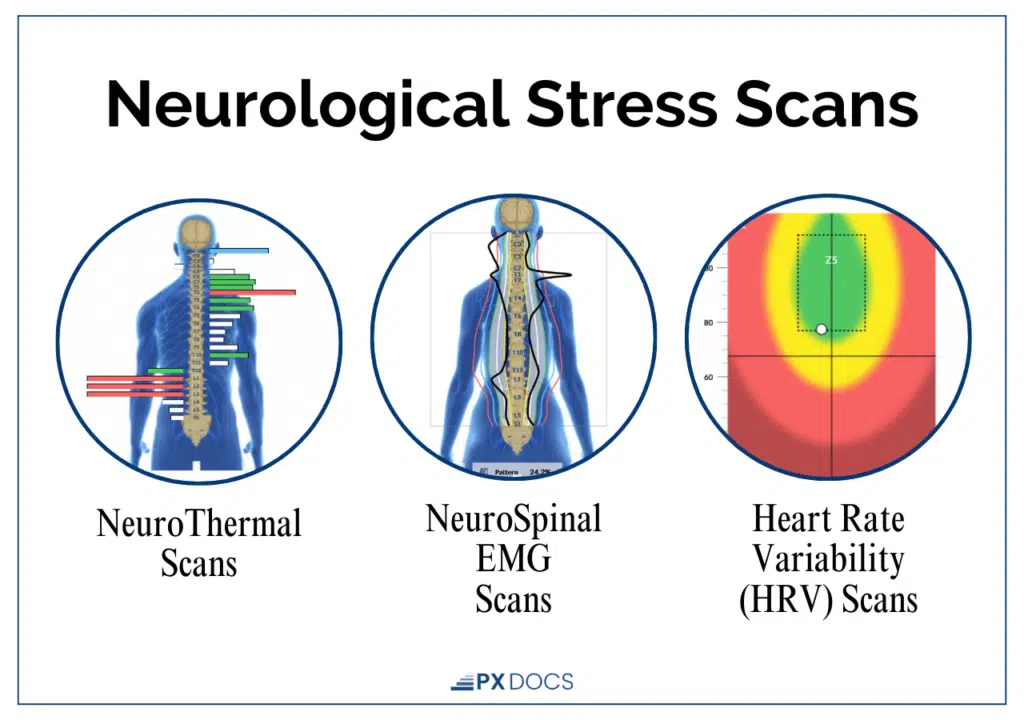
It’s important to note that this technology does not diagnose medical conditions, and Neurologically-Focused Chiropractic Care is certainly not a treatment or cure for neuroinflammation or any other condition, not even back pain. Instead, these INSiGHT Scans help us track down the root cause of nervous system dysfunction and dysregulation, and build customized care plans and adjusting protocols to help shift the nervous system back into a state of balance, regulation, and resilience.
When subluxation patterns are identified and addressed through specific, gentle adjustments, several important things happen. The vagus nerve begins to function more effectively, activating the parasympathetic “brake pedal” system. Sympathetic dominance starts to ease. The Autonomic Nervous System regains its ability to regulate, which means it can properly control inflammation, immune function, digestion, sleep, and emotional regulation.
For families dealing with children who have chronic inflammation-related challenges—whether that looks like Autism, ADHD, chronic gut issues, immune dysfunction, or emotional dysregulation—addressing the nervous system through Neurologically-Focused Chiropractic Care provides a foundational piece that’s nearly always missing from the conversation.
Taking the Next Step Toward Reducing Brain Inflammation
Brain inflammation doesn’t have to be a mystery, and it doesn’t have to be permanent. Whether you’re an adult dealing with brain fog and fatigue or a parent watching your child struggle with focus, mood, gut issues, or sensory challenges, there are clear and actionable steps you can take.
Start with the foundational strategies: clean up your diet, prioritize sleep, move your body, and reduce toxic exposures. These steps matter, and they work. But if you’ve been doing all the “right things” and still not seeing the results you expect, consider that the missing piece might be the nervous system itself.
When the nervous system is stuck in a dysregulated, sympathetically dominant state, it can’t properly control inflammation, no matter how perfect the diet or supplement routine. That’s where a Neurologically-Focused Chiropractor who uses INSiGHT scanning technology can help identify what’s really going on beneath the surface, and build a plan to help the nervous system get back to doing what it’s designed to do: heal, regulate, and thrive.
To find a trained PX Doc near you, visit the PX Docs Directory today and take the first step toward getting to the root cause of brain inflammation for yourself or your child.
Frequently Asked Questions About Brain Inflammation
What is the fastest way to reduce brain inflammation?
The fastest initial steps include removing highly inflammatory foods (processed sugars, seed oils, gluten), prioritizing quality sleep to help the glymphatic system clear inflammatory proteins, and starting regular physical activity. For the most comprehensive results, addressing nervous system function through vagus nerve support and Neurologically-Focused Chiropractic Care helps the body restore its own anti-inflammatory regulation.
Can children have brain inflammation?
Yes. Brain inflammation in children is more common than most people realize. Research shows that 69% of children with Autism have immune dysfunction and excessive neuroinflammation. In children, neuroinflammation often shows up as behavioral challenges, sensory processing difficulties, cognitive struggles, gut issues, and emotional dysregulation rather than the brain fog and memory issues typically associated with adults.
What foods reduce brain inflammation?
The most powerful anti-inflammatory foods include fatty fish rich in omega-3s (salmon, sardines, mackerel), berries (blueberries, strawberries), leafy greens, turmeric, walnuts, extra virgin olive oil, and fermented foods that support gut health. The Mediterranean diet closely follows anti-inflammatory eating principles and has strong evidence supporting brain health protection.
How do you know if you have brain inflammation?
Common signs include persistent brain fog, unexplained fatigue, mood changes (depression, anxiety, irritability), memory difficulties, gut issues, and sensory sensitivities. In children, look for difficulty focusing, emotional outbursts, food sensitivities, frequent illness, and developmental or behavioral challenges. An INSiGHT scan can help identify underlying nervous system dysregulation that often accompanies neuroinflammation.
Does gut health affect brain inflammation?
Absolutely. The gut and brain communicate constantly through the gut-brain axis and vagus nerve. When the gut lining is compromised (“leaky gut”) or the microbiome is out of balance, inflammatory compounds can travel to the brain and activate microglia. Improving gut health through diet, reducing antibiotic overuse, and supporting the vagus nerve are critical steps in reducing brain inflammation.
What role does the vagus nerve play in brain inflammation?
The vagus nerve is the body’s primary anti-inflammatory regulator. It activates the cholinergic anti-inflammatory pathway, which signals immune cells to reduce inflammation once a threat has passed. When the vagus nerve isn’t functioning properly—due to subluxation, chronic stress, or sympathetic dominance—the body loses its ability to control inflammation effectively. Restoring vagal tone is essential for long-term resolution of neuroinflammation.