

Most parents understand the feeling of trying to do everything right. Specialists, therapies, a clean diet, supplements, and so much more. By the time you add it all up, it barely fits into one single planner or calendar – leaving parents constantly overwhelmed and feeling like they’re moving in every direction but forward.
The worst feeling is doing everything and still feeling stuck in the mud, not seeing progress. Sleep is still hard. Congestion won’t clear. Constipation persists. Meltdowns keep happening. Seizure thresholds remain low. Even eating super clean and being consistent with all the supplements, therapies, and so forth still leaves many families feeling like they’re missing something.
When that happens, we need to look beyond the usual suspects. One of the most overlooked causes is environmental stress, especially mold.
Certain molds commonly cause an infection in the central nervous system that can lead to overload, drive inflammation, and keep the body stuck in stress mode. They also cause all sorts of other problems, including constant fatigue and working “overtime” for the neuro-immune system.
If mold exposure is constant in the home, the nervous system and immune system never get a break. However, when mold is found and remediated, we often see rapid, dramatic improvements, sometimes in days.
Once that toxic stress is gone, the nervous system can finally heal, and progress can kick into high gear once again!
What Is Mold Toxicity?
Mold itself is the fungus growing on surfaces. Mycotoxins are the toxic byproducts these molds release into the air. When your child breathes air contaminated with mycotoxins, they’re inhaling neurotoxins that cross the blood-brain barrier and directly irritate the brain and nervous system.
The most common toxic molds, Stachybotrys (black mold), Aspergillus, and Penicillium, thrive in damp, poorly ventilated areas. Basements, bathrooms, under sinks, behind appliances, anywhere water damage has occurred.
What makes this challenging: if mold is actively growing in your home, your child is being re-exposed every single day, 24/7/365. The nervous system never gets a break to process the toxic load and recover.
Genetic susceptibility accounts for why mold affects some children severely while others appear unaffected. Research suggests 25%+ of the population has a genetic variation that makes it harder to recognize and eliminate mycotoxins efficiently.
Mold as a Neurotoxin
Conventional medicine considers mold primarily in terms of respiratory symptoms or allergic reactions. But mycotoxins don’t just irritate lungs. They’re neurotoxins that directly impact brain function and the autonomic nervous system.
When mycotoxins cross the blood-brain barrier, they create oxidative stress. The brain uses roughly 20% of your body’s oxygen despite being only 2% of body weight. When mycotoxins interfere with oxygen utilization and increase inflammation, neurological function drops. Brain fog, attention difficulties, emotional dysregulation, and sensory processing disorders are all downstream effects of a brain under toxic stress.
Mycotoxins also irritate the vagus nerve and autonomic nervous system. The autonomic nervous system becomes stuck in sympathetic dominance. Think of it like this: the Sympathetic Nervous System is the gas pedal (fight-or-flight), and the Parasympathetic is the brake pedal (rest, digest, regulate). With chronic mold exposure, that gas pedal stays floored while the brake pedal gets exhausted.
Your child is stuck in overdrive with no way to calm down or heal.
Mold Toxicity Symptoms
Parents describe symptoms that don’t fit together: chronic respiratory issues, behavioral challenges, chronic fatigue in a young child, cognitive difficulties that appeared out of nowhere, and even seizures and motor tics.
The tricky part is these often mimic Autism, ADHD, anxiety, or other neurodevelopmental disorders that are known to have multi-faceted root causes that stem from nervous system dysregulation, gut-immune dysfunction, and so much more – leaving parents and providers looking down those roads, but often missing the mold component entirely.
A common pattern we see is symptoms improving when a child is away from home – doing better at school, during vacations, or while staying with grandparents. This contrast is a significant red flag that the nervous system is responding to environmental stressors.
Another pattern is multiple body systems affected simultaneously. Not just respiratory OR behavioral OR immune – all three together.
When mycotoxins create chronic inflammation and overwhelm the autonomic nervous system, every system that the nervous system controls starts malfunctioning because they’re all controlled by the same master system under toxic stress.
How Mold Toxicity Affects Your Child’s Developing Brain
When mycotoxins enter the body, they trigger inflammation throughout the nervous system. With chronic mold exposure, that alarm never turns off. This creates sympathetic dominance or dysautonomia, the gas pedal stuck on while the brake pedal becomes exhausted.
Here’s what this looks like: can’t sit still, can’t calm down when upset, can’t fall asleep, can’t digest food properly, and overreacts to sensory input. These aren’t separate issues; they’re all manifestations of a nervous system stuck in high alert.
The developing nervous system in children is particularly vulnerable. Children’s nervous systems are still building infrastructure for self-regulation, sensory processing, and emotional control. When mold toxicity hijacks this development, you’ll see regression or a plateau.
The vagus nerve, which connects the brainstem to the heart, lungs, gut, and immune system, becomes exhausted under chronic mycotoxin stress. Poor vagal tone means poor digestion, poor immune coordination, and disrupted behavioral regulation.
Research suggests that mycotoxins have a particular affinity for the brain and cerebellum, which control coordination, balance, sensory integration, and autonomic function. This is likely because the brainstem area is known to have a more permeable blood-brain barrier. When mycotoxins irritate the brainstem, you see scattered, inconsistent patterns.
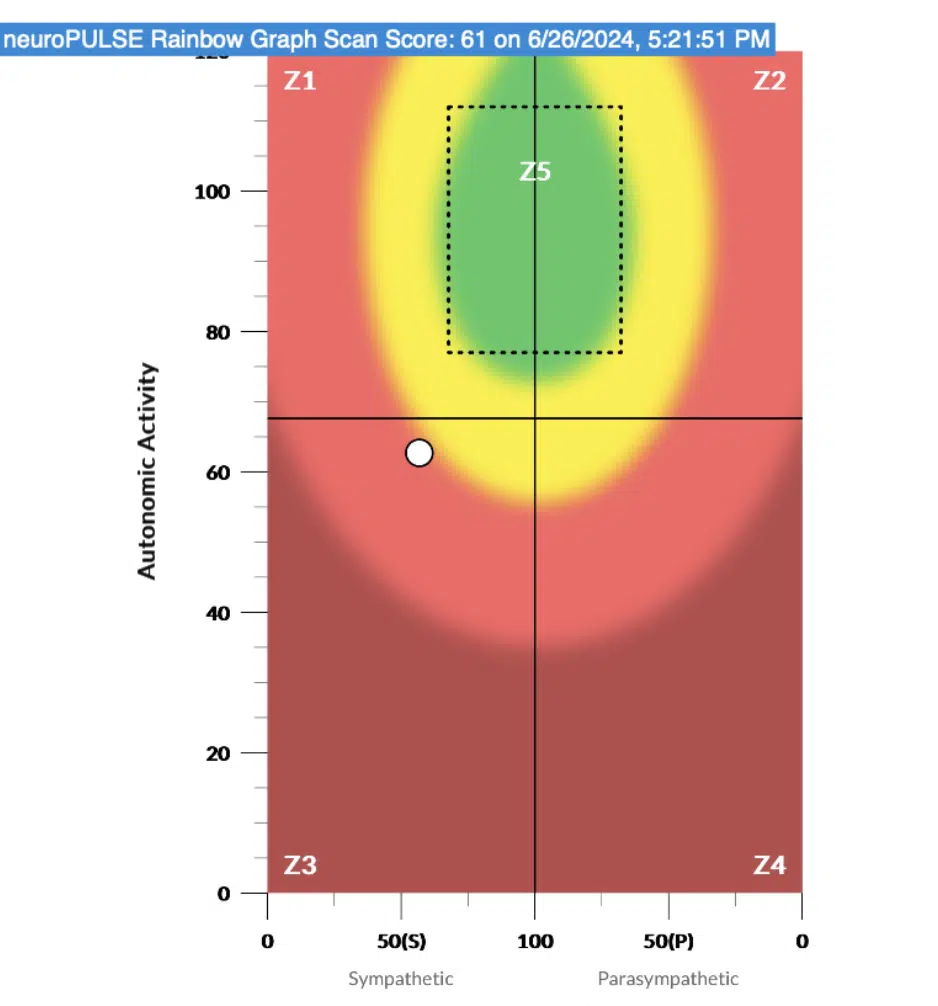
From a clinical perspective, when we measure nervous system function on INSiGHT scans, mold toxicity creates specific patterns: massive sympathetic overactivity (gas pedal stuck), parasympathetic exhaustion (brake pedal burned out), and scattered patterns indicating unstable brainstem function.
This is why approaches that focus only on surface-level changes often produce limited results when mold toxicity is present. You may be addressing downstream effects, but the upstream stressor continues to overwhelm the nervous system around the clock. True healing can’t occur while mold exposure remains.
Mold Toxicity and The “Perfect Storm”
Not everyone exposed to mold develops toxicity. Most often, mold exposure isn’t happening to a blank slate; it’s happening to a nervous system with a history. Mold toxicity rarely acts alone.
It becomes the tipping point that overwhelms a nervous system already compromised by earlier events.
- Component 1: Prenatal Stress Sets the Stage. Maternal stress during pregnancy, fertility challenges, and prenatal medications. When a mother experiences chronic stress, elevated cortisol crosses the placenta. Research shows babies born to highly stressed mothers enter the world with nervous systems already tilted toward sympathetic dominance—22% higher reactivity to stress.
- Component 2: Birth Trauma Creates Subluxation. C-sections, forceps, vacuum extraction, prolonged labor, and induction—these create physical stress to the infant’s delicate upper cervical spine, brainstem, and vagus nerve. Physical trauma during birth creates subluxation and neurological dysfunction, where physical stress creates interference in nervous system communication.
- Component 3: Mold as Environmental Stressor. Now layer mold exposure on top of this already-compromised nervous system. The child with prenatal stress and birth trauma doesn’t have the same adaptive capacity. Mold becomes the accumulating stressor that pushes them over the edge.
This explains why two siblings in the same moldy house respond differently: the difference lies in the accumulation of stressors.
The “Perfect Storm” isn’t about blame. It’s about understanding why your child is vulnerable and recognizing that addressing mold alone often provides incomplete results.
What Neurological Scans Reveal
INSiGHT scans provide a window into nervous system function that conventional medicine doesn’t have. The scan technology consists of three components:
- Heart Rate Variability (HRV): Measures balance between sympathetic (“fight-or-flight”) and parasympathetic (“rest, digest, regulate”) nervous systems.
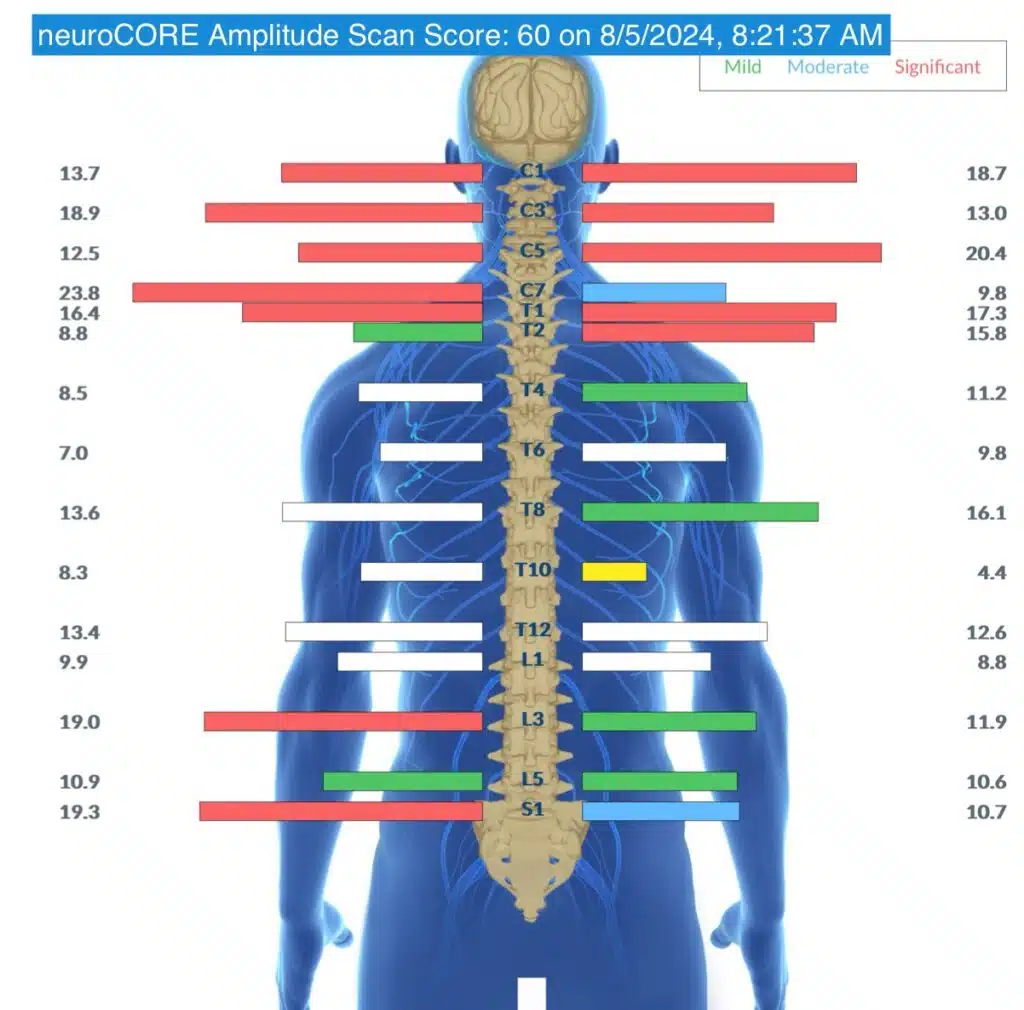
- Surface Electromyography (EMG): Assesses electrical activity of muscles along the spine, identifying areas of tension, asymmetry, exhaustion, and altered neuromuscular function.
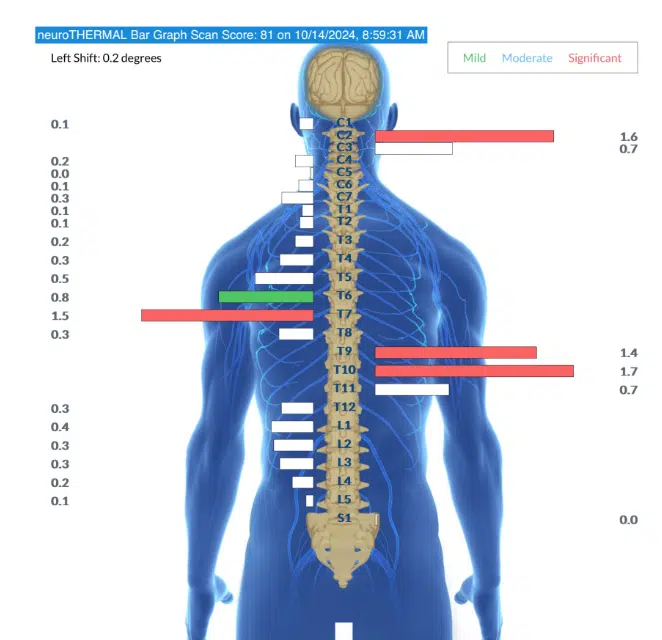
- Thermal Scanning: Uses infrared sensors to measure temperature differences along the neurospinal system, indicating areas of autonomic imbalance and irritation.
The Clinical Indicator
Here’s the pattern that flags mold investigation: a family is locked in with care, doing everything right, but the scans stay stubborn through five, six, and seven progress evaluations.
When mold toxicity is present, HRV typically shows chronically low scores with brief improvements that don’t stick. The nervous system tries to recover but can’t maintain gains because the toxic load keeps pushing it back.
The thermal scan shows persistent asymmetric heat patterns and inflammation that do not resolve because the source continues daily.
The EMG shows either massive global overactivity or significant underactivity, scattered, chaotic patterns reflecting brainstem and cerebellar dysfunction.
When we see persistent dysautonomia despite excellent care, there’s an ongoing stressor that hasn’t been removed.
When to Investigate Mold
- Symptoms are not improving despite comprehensive care. Your child is receiving consistent adjustments, following protocols, but symptoms plateau or worsen.
- Scans consistently show dysautonomia and drag. INSiGHT scans reveal persistent sympathetic dominance, low HRV, and scattered EMG patterns that don’t shift over multiple evaluations.
- HRV won’t recover. Brief improvements that tank by the next scan.
- The chronic congestion + mood swings + brain fog triad. When these appear together, it suggests systemic inflammation from environmental toxins.
- Symptoms worsen at home, improve away. Better at school or during vacations.
- Known water damage or damp areas. Your home has had flooding, leaks, musty odors, or visible mold growth.
The most important indicator: doing everything right, but still stuck.
Mold Toxicity Testing and Treatment
Start with an environmental assessment. Hire a certified mold inspector. Urinary mycotoxin testing measures whether your child is actively dealing with exposure, but testing has severe limitations. The most accurate diagnosis integrates clinical presentation, scan patterns, environmental assessment, history, and testing.
Care follows a specific sequence:
- Step 1: Mold Remediation. Professional remediation must remove contaminated materials, fix moisture sources, and control humidity (30-50%). Healing can’t happen when mold is in the way.
- Step 2: Reduce Dietary Mold Sources. Temporarily reduce grains, coffee, peanuts, dried fruits, and aged cheeses.
- Step 3: Support Detoxification. This requires specific testing and a specific protocol for each child, but often includes things like glutathione or N-acetylcysteine, binders (under guidance), lymphatic drainage, and hydration.
- Step 4: Continue Nervous System Care. Maintain consistent Neurologically-Focused Chiropractic Care throughout. The nervous system controls detoxification pathways. Adjustments remove neurological interference so detox pathways function optimally.
What Happens When Mold Is Removed?
When mold is properly remediated, children make leaps forward that often shock parents who’ve been stuck in plateaus for months.
HRV scores leap forward. Thermal scans start to finally calm and clear. EMG patterns stabilize, and symmetry returns. Symptoms resolve: chronic congestion clears, sleep normalizes, behavioral regulation improves, brain fog lifts, energy returns, immune function strengthens, sensory processing normalizes, and developmental progress resumes.
This pattern repeats when mold is the hidden stressor. Remove the interference, support the nervous system, and the body heals.
The Role of Neurologically-Focused Chiropractic Care
The nervous system must be functional to detoxify effectively. The vagus nerve coordinates liver function, lymphatic drainage, kidney elimination, intestinal motility, and immune responses. When subluxation creates interference, the body can’t effectively clear toxins.
If you’ve been receiving chiropractic care while unknowingly living with mold exposure, those adjustments were helping, preventing worse outcomes, holding off deeper neurological penetration, and maintaining baseline function.
Once mold is removed, the nervous system, now free from constant bombardment, can accelerate neuroplastic recovery. The body can finally fully respond because the interference has been removed.
Finding Answers When Healing Stalls
Mold toxicity is more common than realized, yet it remains overlooked when children’s health challenges persist despite comprehensive care. If your child’s progress has plateaued, if you’re doing everything right but results aren’t matching effort, environmental interference and toxic overload deserve investigation.
Your instincts brought you here. Trust them. Sometimes the missing piece isn’t another therapy or supplement. Sometimes it’s removing an environmental toxin that’s overwhelming your child’s nervous system 24/7.
The nervous system is designed to heal when interference is removed. Children often recover more rapidly than adults from mold toxicity. Their nervous systems have greater neuroplastic capacity. If your child’s progress has stalled, if scans show persistent dysautonomia, if symptoms improve away from home, investigate mold. We encourage you to visit our directory to find a PX Docs office that can conduct INSiGHT scans and provide a comprehensive neurological assessment.