
You feel present but somehow absent. Maybe it’s you… exhausted, no matter how much you sleep, numb to things that used to bring joy, pulling away from people without quite knowing why. Or maybe it’s your child, who seems emotionally checked out, flat, and far away. You’ve been told it’s “just a phase” or “give it time,” but your gut says something deeper is going on.
You’re not imagining it.
Dorsal vagal shutdown is an involuntary nervous system response to a threat the body reads as overwhelming or inescapable. Instead of fight-or-flight, the system slams on the brakes and conserves energy—heart rate slows, energy drops, and a person goes numb, disconnected, or “frozen” and collapsed. It’s a protective survival state, not a choice or a character flaw.
This isn’t a behavioral problem or a willpower problem. It’s the Autonomic Nervous System doing exactly what it was built to do under extreme stress. The good news is that “stuck” doesn’t mean “broken.” When the nervous system gets the right support, it has a remarkable ability to regulate, adapt, and find its way back to safety.
What Is Dorsal Vagal Shutdown?
Dorsal vagal shutdown is a state where the body shifts into its most primitive form of self-protection: immobilization. The term comes from Polyvagal Theory, a framework introduced by neuroscientist Dr. Stephen Porges that describes how the vagus nerve and Autonomic Nervous System manage our sense of safety and threat.
Polyvagal Theory describes three states the nervous system moves through, in a predictable order:
- Safe and connected (ventral vagal): calm, social, able to rest, focus, and engage with others.
- Fight-or-flight (sympathetic): the Sympathetic Nervous System revs everything up to mobilize against a threat—the gas pedal.
- Shutdown (dorsal vagal): when a threat feels too big, or escape feels impossible, the system gives up on mobilizing and conserves energy instead—the emergency brake, slammed all the way down.
Here’s a simple way to picture it. The Sympathetic Nervous System is the gas pedal. The Parasympathetic Nervous System, driven largely by the vagus nerve, is the brake pedal. In a healthy system, the two trade off smoothly. In dorsal vagal shutdown, the brake gets stomped so hard that the whole system stalls out. The body is essentially “playing dead” at a neurological level.
You’ll also see this state described as hypoarousal, tonic immobility, or a collapse-type freeze response. Different fields use different names for the same underlying experience: a low-energy, “I can’t do anything right now” mode that arrives after overwhelm.
One honest note: Polyvagal Theory is influential and widely used by clinicians, but it remains debated within neuroscience, and “dorsal vagal shutdown” is a useful description of a real experience rather than a formal medical diagnosis. What’s not in dispute is that the nervous system has distinct states of mobilization and shutdown, and that chronic stress can lock a person into the wrong one.
Dorsal Vagal Shutdown vs. Freeze and Fight-or-Flight
People often lump “freeze” and “shutdown” together, but they’re not the same thing, and the difference matters for how you respond.
| State | What’s happening | What it looks like |
| Fight-or-flight (sympathetic) | High energy, mobilized to act | Anxiety, racing heart, anger, restlessness, panic |
| Freeze | High energy, but movement is blocked | “Deer in headlights”—alert and tense but stuck in place |
| Dorsal vagal shutdown | Low energy, system conserves and collapses | Numb, exhausted, disconnected, withdrawn, “nobody home” |
Freeze is still a sympathetic, high-energy state: the body is loaded with fuel but momentarily can’t move. Dorsal vagal shutdown goes a step further. The energy isn’t pent up; it’s been pulled offline. Rather than frozen and tense, a person in shutdown is collapsed and depleted.
Signs and Symptoms of Dorsal Vagal Shutdown
Dorsal vagal shutdown shows up as a distinct pattern across the body, emotions, and thinking. Common signs and symptoms include:
- Physical: deep fatigue that rest doesn’t fix, low energy and heaviness, cold hands and feet, a slowed heart rate, shallow breathing, and chronic digestive issues (especially constipation).
- Emotional and behavioral: emotional numbness (trouble feeling joy or sadness), the “checked out” look, social withdrawal, flat facial expression, and loss of interest in things once enjoyed.
- Cognitive: brain fog, slowed thinking, trouble concentrating, memory lapses, and a sense of dissociation or disconnection from the body.
Acute vs. Chronic Shutdown
There’s an important difference between a shutdown that passes and one that lingers.
- Acute shutdown is temporary. Something overwhelming happens, the system goes into shutdown for hours or a day or two, and then it returns to baseline. This is the nervous system working as designed.
- Chronic shutdown is when the system gets stuck in this mode for weeks, months, or years and can’t find its way out. This usually isn’t about one single event. It points to underlying nervous system dysregulation that has built up over time.
In children, chronic shutdown often has a long backstory. The baby with colic, reflux, and constipation. The toddler with recurrent ear infections. The preschooler with sensory struggles and meltdowns. These weren’t separate, unrelated problems; they were early signals of a nervous system that was already having trouble regulating.
What Triggers Dorsal Vagal Shutdown?
Triggers are highly individual, but the common thread is the nervous system hitting capacity, not whether a situation looks “serious” from the outside. The body tends to tip into shutdown when something is too much, too fast, or too long.
Common triggers include:
- Sensory overload, too much noise, light, touch, or activity at once.
- Acute or accumulated trauma, including early childhood adversity.
- Chronic, unrelenting stress that never fully resolves.
- Burnout and “masking,” holding it together and performing for too long until the body finally crashes.
- A single overwhelming event that exceeds what the body can adapt to in the moment.
For many people, the crash doesn’t hit during the stressful stretch; it lands afterward, when the bill finally comes due, and the body drops into exhaustion and disconnection.
Dorsal Vagal Shutdown, ADHD, and Autism
Shutdown shows up often in those with autism or ADHD, and there’s a reason for that. Neurodivergent nervous systems tend to be more sensitive and more easily shifted into a stressed state, so a loud room, an unexpected change in plans, or the cumulative weight of masking can trip the threat response faster.
ADHD nervous systems in particular often cycle between hyperactivation and exhaustion. After a long stretch of overwhelm, sensory overload, or rejection sensitivity, the system can drop from “wired” straight into shutdown—fatigue, numbness, task paralysis, and difficulty getting started. Understanding this pattern reframes a lot of “laziness” or “attitude” labels as what they often are: a nervous system that has run out of capacity.
How Long Does Dorsal Vagal Shutdown Last?
It depends on whether the shutdown is acute or chronic. Acute dorsal vagal shutdown usually lasts minutes to hours, sometimes a day or two, and lifts on its own once the body registers safety again. Chronic shutdown is different—it can persist for weeks, months, or years because the nervous system has lost its ability to shift back into a regulated state without support.
The length isn’t really about the triggering event. It’s about how much reserve and regulation the nervous system has to begin with. A system that’s already dysregulated takes longer to climb back out.
How to Come Out of Dorsal Vagal Shutdown
Coming out of shutdown isn’t about forcing yourself to “snap out of it.” Pushing harder usually backfires, because the system shut down precisely because it felt overwhelmed. The path out runs through safety and gentle, gradual re-engagement.
Approaches that help the nervous system shift back toward regulation include:
- Establish safety first. Lower the demands. Dim the lights, reduce the noise, and remove the pressure to perform. Signals of safety are what allow the system to come back online.
- Gentle movement. Small, low-stakes movement—stretching, a short walk, swaying—helps bring energy back without overwhelming the system.
- Grounding and the senses. Warmth, a weighted blanket, feeling your feet on the floor, or naming what you can see and hear can re-anchor you in the present.
- Slow, extended exhales. Breathing out longer than you breathe in gently nudges the vagus nerve toward the calm, connected state.
- Co-regulation. A calm, safe person nearby—their steady voice, presence, and tone—helps a dysregulated system borrow stability. For children, this is often the single most powerful tool a parent has.
- Gentle vagus nerve support. Humming, singing, gargling, cold exposure, and time in nature can all give the vagus nerve light, natural input.
These tools genuinely help, and for an acute shutdown, they’re often enough. But here’s the honest limitation: when shutdown is chronic, breathing exercises and grounding can soothe the moment without resolving why the system keeps defaulting to shutdown in the first place. Coping tools manage the state. They don’t always address the underlying vagus nerve dysfunction and nervous system dysregulation driving it. That’s the piece most approaches miss, and it’s where the deeper work begins.
Why the Nervous System Gets Stuck: The Perfect Storm
If coping tools aren’t enough, the real question becomes: why is this nervous system stuck in protection mode to begin with? In our work with thousands of families at PX Docs, we’ve seen a pattern that conventional approaches usually overlook. For many people, especially children, the roots of chronic shutdown trace back much earlier than anyone realizes, sometimes before birth. We call this pattern the “Perfect Storm.”
The “Perfect Storm” isn’t one event. It’s a combination of stressors that stack up and shape how a nervous system develops:
- Early neurological stress. Maternal stress during pregnancy can influence the developing nervous system. Stress hormones like cortisol cross the placenta, and a developing nervous system that forms in a chronically stressed environment can be programmed with sympathetic dominance as its baseline “normal.” This isn’t about blaming mothers; it’s understanding that vulnerability can start early.
- Birth trauma and interventions. Birth trauma from C-section, forceps, vacuum extraction, or prolonged labor places mechanical stress on a baby’s head, neck, and brainstem, the exact region where the vagus nerve exits. Stress here can disrupt autonomic regulation from day one.
- Early childhood stressors. Environmental and medical stressors—repeated illness, frequent antibiotics, and chemical exposures—add more strain to a system that’s still developing.
By the time a visible shutdown appears, the system has often been under strain for years. The gas pedal has been floored trying to manage all of it, and eventually, it can’t sustain that level of activation. The system crashes, the brake slams down, and everything stalls out. That’s chronic dorsal vagal shutdown—not from one trauma, but from accumulated stress on a nervous system that’s been dysregulated for a long time.
The Neurological Link: Subluxation and Dysautonomia
The mechanism that connects these stressors is subluxation. Subluxation is a pattern of misalignment and fixation in the spine, most importantly in the upper neck and brainstem region, that creates neurological interference, disrupting how well the brain and body communicate. It’s far more than a structural issue; the neurological piece is the main event.
When stress creates subluxation in that upper cervical area, it can interfere with the vagus nerve and tip the system into dysautonomia—an imbalance between the sympathetic (fight-or-flight) and parasympathetic (rest, digest, regulate) branches. When the parasympathetic side, run largely by the vagus nerve, can’t do its job, the body loses its most important pathway back to calm. That’s a nervous system primed to get stuck in shutdown.
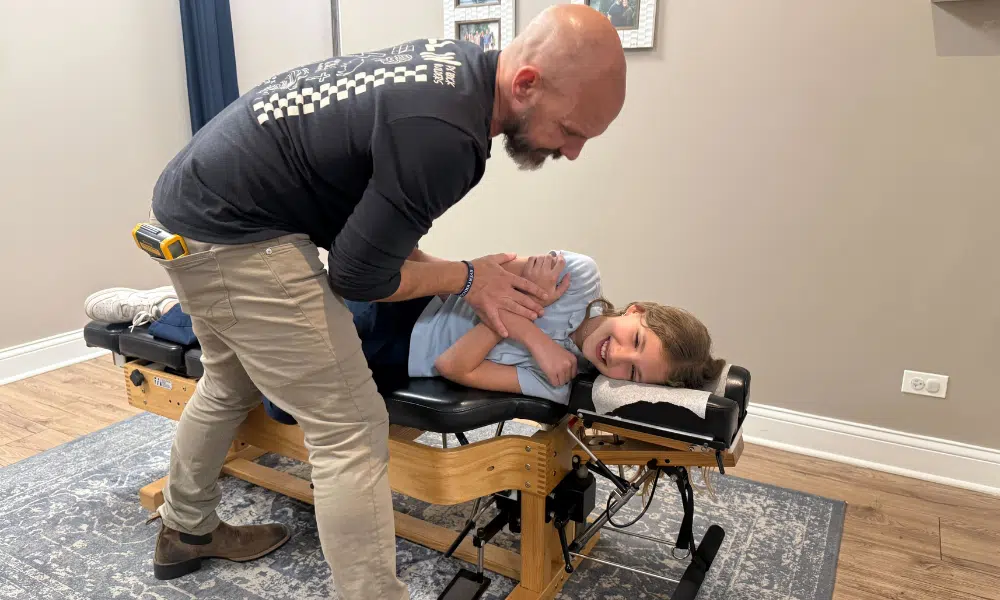
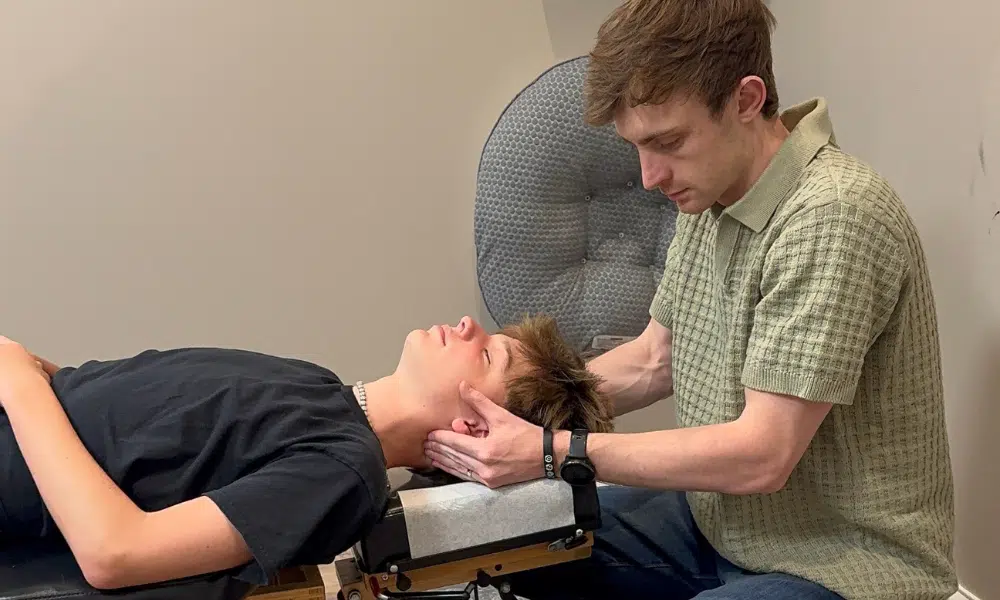
How Neurologically-Focused Chiropractic Care Helps
Most approaches to shutdown focus on coping strategies or on processing a specific trauma. Those have real value. But if the nervous system itself is dysregulated at the root, regulation tools alone often aren’t enough to create lasting change.
Neurologically-Focused Chiropractic Care takes a different starting point: assess and address nervous system function directly. That begins with measuring it. Using INSiGHT scanning technology, developed by the Chiropractic Leadership Alliance (CLA), we can objectively see where a nervous system is stuck in stress and where regulation is breaking down, using heart rate variability, surface EMG, and thermal readings.
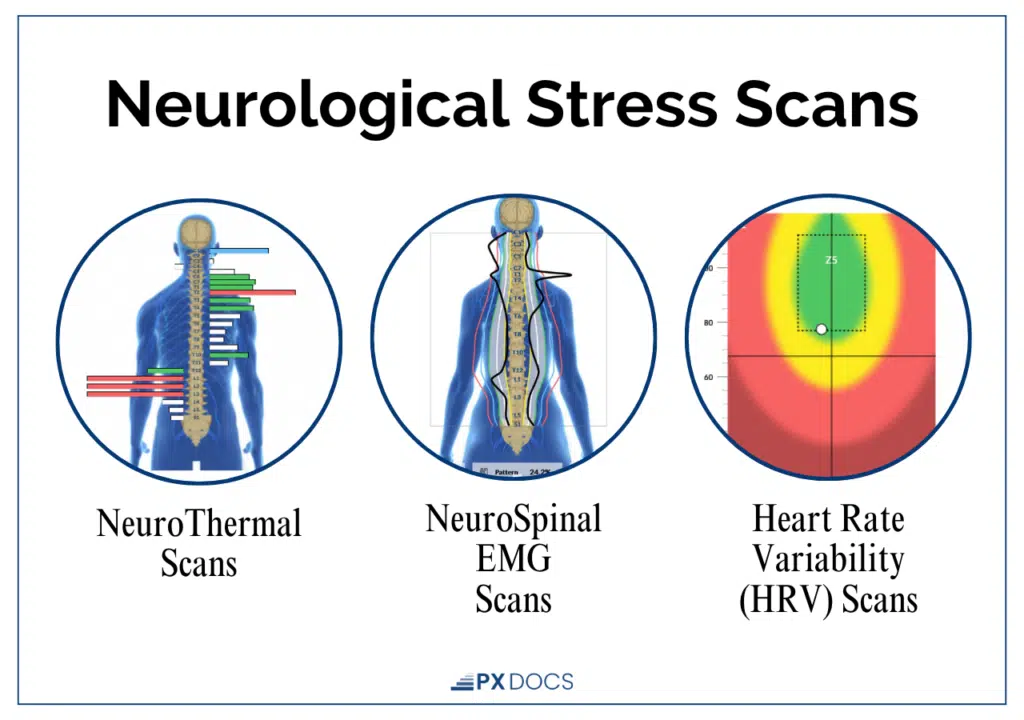
It’s important to note that this technology does not diagnose medical conditions, and Neurologically-Focused Chiropractic Care is certainly not a treatment or cure for dorsal vagal shutdown or any other condition, not even back pain. Instead, these INSiGHT scans help us track down the root cause of nervous system dysfunction and dysregulation, and build customized care plans and gentle, specific adjusting protocols to help shift the nervous system back into a state of balance, regulation, and resilience.
The goal isn’t to silence symptoms. It’s to help restore the nervous system’s own ability to find safety, so it doesn’t keep defaulting to shutdown in the first place. We don’t treat or cure; we work to address the neurological root cause and support the body’s capacity to heal.
Finding Real Help
If you recognize this pattern in yourself or your child, the most important thing to know is that a stuck nervous system is not a permanent one. Shutdown is the body’s way of protecting itself when it has run out of capacity, and capacity can be rebuilt.
If you want to understand what’s happening beneath the surface and address it at the root rather than chasing one symptom at a time, we encourage you to find a PX Doc near you and ask about INSiGHT scans. Getting a clear, objective picture of how the nervous system is functioning is often the first real step toward lasting regulation, resilience, and hope.
Frequently Asked Questions
How do you get out of dorsal vagal shutdown? Start by lowering demands and creating signals of safety: less noise, less light, less pressure. Then add gentle movement, grounding through the senses, slow extended exhales, and the calm presence of a safe person (co-regulation). For an acute shutdown, this is often enough. Chronic shutdown usually needs the underlying nervous system dysregulation addressed, not just managed in the moment.
How long does dorsal vagal shutdown last? Acute shutdown typically lasts minutes to hours and resolves once the body feels safe again. Chronic shutdown can last weeks, months, or years because the nervous system has lost its ability to shift back into regulation on its own.
What causes dorsal vagal shutdown? It’s triggered when the nervous system reads a threat as too much, too fast, or too long to escape. Sensory overload, trauma, chronic stress, and burnout are common triggers. Underneath that, a nervous system that’s already dysregulated, often from early-life stress, birth trauma, and accumulated load, is far more prone to getting stuck there.
Is dorsal vagal shutdown the same as the freeze response? No. Freeze is a high-energy state—alert and tense but unable to move. Dorsal vagal shutdown is a low-energy collapse, where the system conserves resources and goes numb and disconnected.
Can the nervous system be reset after shutdown? The nervous system can absolutely shift back toward regulation; it’s built to adapt. Safety, co-regulation, and supporting vagus nerve function all help. When shutdown is chronic, addressing the root cause of the dysregulation is what makes the change hold.