
Important Note: This article is for educational purposes only and does not claim to diagnose, treat, cure, or prevent epilepsy or seizure disorders. Neurologically-Focused Chiropractic Care is intended to support nervous system health and function and is not a replacement for medical care.
For the millions of parents worldwide who have watched helplessly as their child suffered a seizure, the fear and uncertainty surrounding epilepsy is all too real. Epilepsy affects approximately 1 in 150 children, often leaving families feeling powerless in the face of this neurological condition. The sudden, unpredictable nature of seizures can significantly impact a child’s safety, development, and quality of life.
Epilepsy is a complex neurological condition, and there is no known cure. When we talk about “prevention” in this context, we are not referring to treating or curing epilepsy, but rather to understanding how early nervous system development, regulation, and function influence overall neurological health.
A neurologically focused, drug-free approach is centered on supporting optimal nervous system function and adaptability – factors that play a foundational role in how the brain and body respond to stress, development, and neurological challenges over time.
In this article, we’ll explore The “Perfect Storm” of events that can set the stage for epilepsy, the critical role of the nervous system in seizure activity, and how Neurologically-Focused Chiropractic Care offers a promising pathway for families and individuals looking to proactively promote nervous system regulation and optimize brain function.
Understanding Epilepsy
To recognize how to best care for and address seizures, it’s important to first understand epilepsy. Epilepsy is a neurological condition characterized by recurrent, unprovoked seizures. A seizure occurs when there is a sudden, uncontrolled electrical disturbance in the brain, leading to physical signs such as convulsions, loss of consciousness, or altered sensory experiences.
Seizures can be classified into two main categories:
- Generalized seizures: These involve the entire brain and typically cause loss of consciousness and full-body convulsions
- Focal seizures: These originate in a specific area of the brain and may cause localized signs such as twitching, sensory changes, or emotional disturbances
Epilepsy is the most prevalent chronic neurological condition in pediatric populations. For these children, the unpredictable nature of seizures can lead to significant challenges, including:
- Increased risk of physical injury during a seizure
- Difficulty with learning and academic performance
- Social stigma and isolation
- Emotional and behavioral problems
- Reduced overall quality of life
The conventional medical approach to epilepsy primarily involves the use of Anti-Epileptic Drugs (AEDs) to suppress seizure activity. While seizure medication can be effective in managing seizures for some children, it does not address the underlying causes of the condition and can come with a range of side effects. Moreover, many children and patients with epilepsy continue to experience seizures despite medical care.
To truly help children with epilepsy, it is essential to look beyond symptom management and investigate the root causes of seizure activity. By understanding the complex interplay of genetic, environmental, developmental, and physical factors that contribute to epilepsy, we can work towards prevention and more comprehensive, individualized care approaches.
The “Perfect Storm” of Epilepsy Triggers
In many cases, epilepsy is associated with a combination of factors rather than a single cause. The “Perfect Storm” concept highlights how multiple stressors — especially during critical periods of development — may influence long-term neurological organization and function.
Even when these factors occur early in life, their influence may persist by altering how the nervous system develops, adapts, and regulates over time.
Prenatal Influences
Fertility challenges, prenatal stress, and maternal health play a meaningful role in early neurological development. Research has shown that high levels of maternal stress, toxin exposure, and nutritional deficiencies during pregnancy may influence fetal brain development and nervous system organization.
Preterm Birth
Preterm birth is recognized as a potential contributor to later neurological challenges because significant brain and nervous system development occurs during the final weeks of pregnancy. When birth occurs early, development continues under different physiological and environmental conditions, which may influence long-term neurological regulation and adaptability.
Birth Trauma and Early Physical Stress
Birth trauma and medical interventions are another important consideration. Prolonged labor, oxygen deprivation, forceps or vacuum extraction, induction, and cesarean delivery can place stress on the delicate structures of the brain and nervous system.
These early physical stressors may affect the brainstem, upper cervical spine, and surrounding neurospinal regions — areas that play a foundational role in neurological regulation and brain-body communication.
The Vagus Nerve and Neurological Regulation
The vagus nerve originates in the brainstem and plays a central role in autonomic balance, stress regulation, digestion, immune communication, and brain-body coordination. Stress or dysfunction affecting the brainstem or upper cervical region may influence vagal signaling, limiting the nervous system’s ability to regulate efficiently.
Reduced neurological adaptability and regulation are patterns commonly observed in individuals with complex neurological conditions, including seizure disorders.
Childhood Stressors and Environmental Factors
Additional factors that may influence neurological development include:
- Traumatic brain injuries or concussions
- Severe neurological infections such as meningitis or encephalitis
- Exposure to environmental toxins
- Chronic stress or trauma
- Nutritional deficiencies affecting brain development
When layered together, these environmental stressors may overwhelm a developing nervous system, contributing to long-term patterns of neurological dysregulation.
The Role of Subluxation and Nervous System Dysfunction
To better understand neurological health and development, it’s important to examine subluxation and how it may affect nervous system function over time.
Subluxation is a complex state involving three interconnected components:
- Misalignment: Structural shifts or imbalances in the neurospinal system, spinal cord, and surrounding tissues
- Fixation: Abnormal motion or reduced mobility in spinal joints (decreases proprioceptive input)
- Neurological Interference: Altered communication between the brain, spinal cord, and peripheral nervous system
When subluxation is present, it may place additional stress on the nervous system’s ability to communicate, coordinate, and adapt. The nervous system relies on clear, organized signaling to regulate bodily functions and respond appropriately to stress.
The upper cervical and brainstem regions — along with the lower cervical and upper thoracic spine — are especially significant due to their role in:
- Autonomic nervous system regulation
- Breathing and oxygenation
- Sensory processing and integration
- Motor coordination and posture
- Stress response and sleep regulation
Patterns of neurological imbalance or dysregulation, sometimes described as dysautonomia, are commonly observed in individuals with complex neurological challenges, including seizure disorders.
A helpful analogy is that of a busy highway. When traffic flows smoothly, communication is efficient and predictable. When structural disruptions or bottlenecks occur, congestion develops, and function slows. Similarly, subluxation may interfere with the efficient flow of neurological information, limiting the nervous system’s ability to regulate and adapt optimally.
Supporting Seizure Prevention with a Neurologically-Focused Approach
Neurologically-Focused Chiropractic Care does not claim to diagnose, treat, cure, or prevent epilepsy. Instead, it emphasizes supporting optimal nervous system function, regulation, and adaptability.
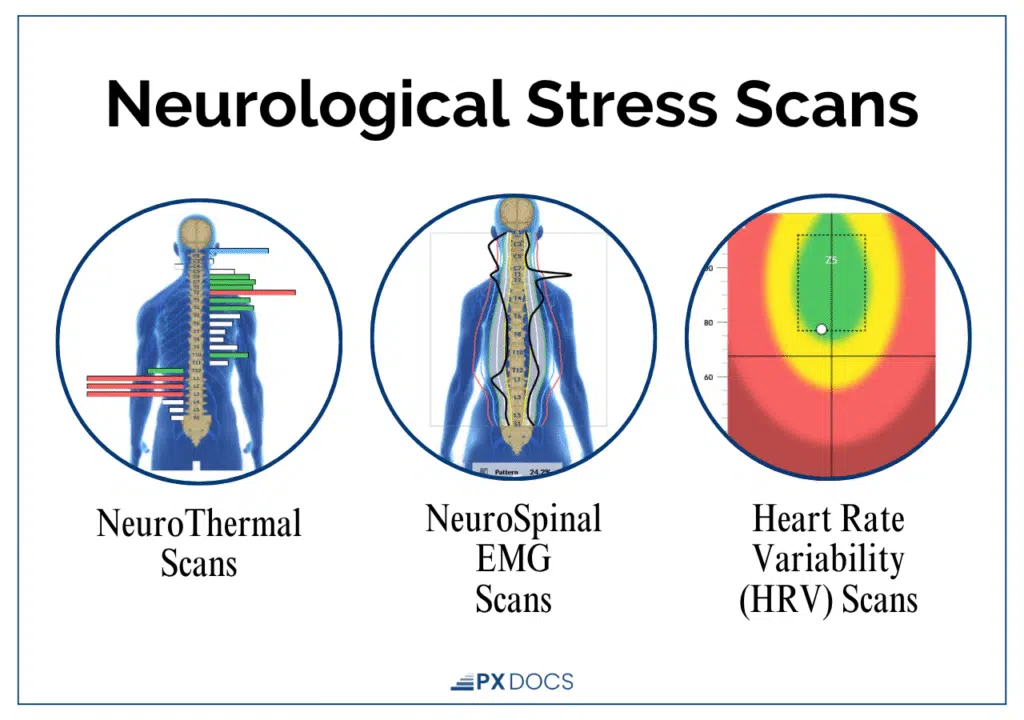
Using advanced neurological assessments, such as INSiGHT scans, Neurologically-Focused Chiropractors evaluate how the nervous system responds to stress and identify areas of imbalance or dysregulation. Care is focused on gently supporting improved communication and coordination within the nervous system.
The benefits of Neurologically-Focused Chiropractic Care for children with epilepsy or at risk for seizures are numerous. Regular adjustments may help:
- Improve Autonomic Nervous System function and regulation
- Enhance sensory processing and integration
- Boost immune function and overall resilience
- Promote better sleep, digestion, and emotional well-being
- Support optimal cognitive development and learning
This approach is often used alongside conventional medical care and other specialists as part of a collaborative, integrative model that prioritizes the child’s overall neurological health and quality of life.
It is important to note that a drug-free approach to epilepsy prevention does not exclude conventional medical care. In fact, the most effective outcomes often result from a collaborative, integrative approach that combines the best of both natural and conventional therapies.
By working closely with a team of healthcare providers, including neurologists, pediatricians, and Neurologically-Focused chiropractors, parents can ensure their child receives comprehensive, individualized care that addresses their unique needs and risk factors.
Empowering Parents to Take Action
Parents play an important role in supporting their child’s neurological development and overall well-being. Education, awareness, and proactive support can help families make informed decisions about care.
Supportive actions may include:
- Recognizing potential warning signs and risk factors, such as a difficult birth, developmental delays, or a family history of seizures
- Seeking regular chiropractic evaluations to identify and address any areas of subluxation, neurological dysfunction, and dysautonomia
- Partnering with a PX Doc who specializes in pediatric care and has experience working with people with epilepsy or other neurological conditions
- Implementing supportive lifestyle changes, such as a healthy diet, regular sleep routines, and stress management techniques
By focusing on nervous system health and overall quality of life rather than just symptoms, families can help create a strong neurological foundation that supports adaptability and resilience over time.
The Path to Hope and Healing
Epilepsy can feel overwhelming, but understanding the broader neurological context offers families clarity, empowerment, and hope. By exploring how genetic, environmental, developmental, and physical factors interact with nervous system regulation, parents can better understand their child’s unique neurological story.
Neurologically-Focused Chiropractic Care represents one supportive approach within a broader integrative model aimed at promoting optimal nervous system function and quality of life.
By partnering with a skilled and compassionate PX Doc, you can unlock the power of this innovative approach and give your child the best possible chance at an optimal quality of life. To find a qualified practitioner in your area who specializes in pediatric neurological care, visit our PX Docs directory today.
Remember, knowledge is power. By educating yourself and using supportive tools and resources to promote your child’s neurological health, you are taking an important step toward supporting healthy nervous system development and long-term well-being. Together, we can help create a future where every child has the opportunity to thrive with greater neurological resilience, adaptability, and quality of life.