
Watching your child struggle with anxiety is equal parts heartbreaking and exhausting. You feel helpless, frustrated, and desperate for answers that actually last.
If this scenario feels all too familiar, you’re not alone. Anxiety conditions are the most common mental health concern in children today, affecting nearly 1 in 12 children and 1 in 4 teens. Left unaddressed, childhood anxiety can interfere with social development, academic performance, and family life, and it can set the stage for a lifetime of emotional challenges.
Here’s the good news. At PX Docs, we look at the root causes of anxiety, and we’ve helped thousands of kids break free from its grip. Helping kids with anxiety isn’t about masking symptoms. It’s about restoring healthy nervous system function, so the change actually holds.
Childhood anxiety is more than a feeling or a thought pattern. At its root, it’s a sign the nervous system is stuck in a chronic stress response, with the “fight or flight” sympathetic side on overdrive and the calming, regulating side suppressed. This is why anxiety so often shows up in the body, not just the mind, and why lasting relief starts with the nervous system.
What Does Anxiety Look Like in Kids?
Anxiety in children can show up in a lot of different ways, some obvious and some easy to miss, depending on whether your child has low or high-functioning anxiety. Many anxious kids don’t say “I’m worried.” Their body says it for them.
Common physical signs of anxiety in children include:
- Stomachaches, headaches, or other persistent pains with no clear medical cause
- Rapid heartbeat or breathing
- Sweating, trembling, or feeling shaky
- Difficulty falling asleep, restless sleep, or frequent nightmares
You might also notice emotional and behavioral changes, such as:
- Excessive worrying or rumination
- Irritability, tearfulness, or angry outbursts
- Avoidance of certain situations or activities
- Constant need for reassurance
- Difficulty concentrating or remembering things
In school, anxious children may struggle to participate, finish assignments, or maintain grades, and may find friendships and social situations hard. These signs tend to cluster across multiple body systems at once, because anxiety isn’t just an emotion. It’s a whole-body state coordinated by the nervous system.
What Actually Causes Anxiety in Children?
So why do some children develop anxiety while others seem to roll with life’s challenges? You’ve probably been told it’s genetic, or that it’s a chemical imbalance your child was simply born with. We want to gently push back on that, because the science there is far shakier than most parents are led to believe.
Yes, neurotransmitters like serotonin, dopamine, and GABA are involved. But here’s the part that rarely gets explained: those chemicals don’t run the show. The nervous system controls the release of those neurotransmitters. Chemistry follows neurology. So if a child’s nervous system is stuck in a chronic stress state, the chemistry is going to look “off” too, and no amount of tinkering with the chemicals alone gets to why they’re off in the first place.
That “why” is what Dr. Tony Ebel calls the “Perfect Storm.” The “Perfect Storm” is a concept developed by Dr. Tony Ebel describing the cumulative sequence of neurological stressors, prenatal stress, birth trauma, and early childhood toxic load that overwhelm a child’s developing nervous system, leading to subluxation, dysautonomia, and chronic health challenges.
It often starts before a child is even born. Maternal stress during pregnancy exposes the developing baby to high levels of cortisol, which can shape brain development and prime the nervous system for hypersensitivity. Birth interventions like C-sections, forceps, or vacuum extraction can add physical stress and tension to the brainstem and upper neck, the exact area where so much of the nervous system’s balance is coordinated. From there, the stressors keep piling on: early antibiotic and medication use, gut and immune challenges, falls and injuries, chronic family or environmental stress, and, for older kids, the constant overstimulation of screens and social media.
None of these on their own causes anxiety. But stacked up over months and years, they flip the nervous system from a calm, balanced state into a chronic stress state. That same “Perfect Storm” sits underneath many of the conditions parents are told are separate and unrelated. Autism, ADHD, Sensory Processing Disorder, and anxiety often share the same underlying nervous system dysregulation. When you understand the storm, you finally understand why anxiety is exploding in this generation of kids, and more importantly, that it isn’t permanent.
Why Is My Child Stuck in “Fight or Flight”?
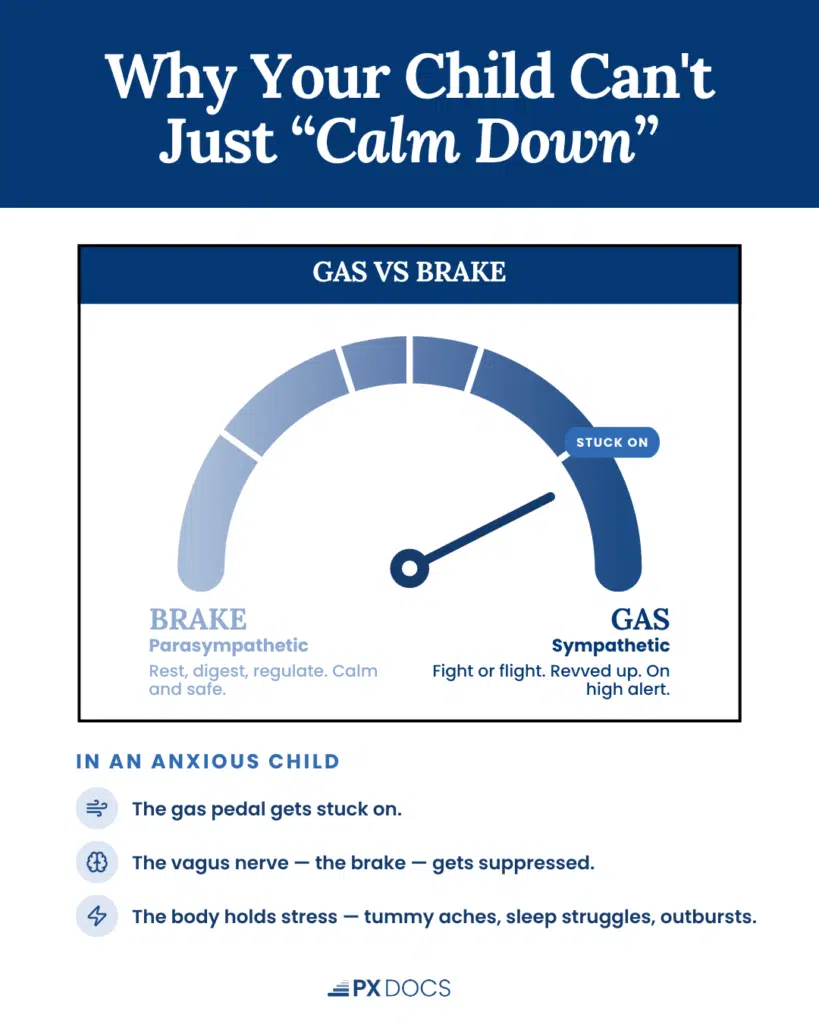
To understand anxiety, it helps to picture two pedals in a car. The Sympathetic Nervous System is the gas pedal: it powers “fight or flight,” revving the body up to face a threat. The Parasympathetic Nervous System is the brake pedal: it powers “rest, digest, and regulate,” helping the body calm down and recover. In a healthy child, the two stay in balance: the gas kicks in when needed, and the brake brings things back down.
With anxiety, the gas pedal gets stuck on. When stress floods in and that switch flips to fight or flight for days, weeks, months, even years, the body lands in a state called sympathetic dominance, the measurable hallmark of dysautonomia. Dysautonomia is an imbalance within the Autonomic Nervous System, specifically, an overactivation of the sympathetic “fight or flight” response and an underactivation of the parasympathetic “rest, digest, and regulate” response, driven primarily by the vagus nerve.
The brake pedal is controlled primarily by the vagus nerve, the longest cranial nerve in the body, which runs from the brainstem down through the neck, chest, and abdomen. It regulates heart rate, breathing, digestion, cortisol output, and emotional regulation. When the vagus nerve is strong and online, a child can take on stress and bounce back. Dr. Tony calls healthy vagus nerve function the “armor of adaptability.” It’s what lets a child feel a wave of stress, ride it out, and come back to calm on their own. When that vagal tone gets suppressed, the brake stops working, the stress responses can’t be shut off, and the child gets locked into anxiety loops.
One way we explain this to parents is the smoke alarm analogy. In an anxious child, the brain’s smoke alarm has simply become too sensitive. It’s going off when there’s no fire, not because the alarm is broken, but because it’s been exposed to too much stress for too long and has hardwired itself that way. The parts of the brain that handle calm, flexibility, and reasoning get suppressed, while the threat center stays on high alert.
This also explains the exhaustion so many parents describe. A nervous system can only run on the gas pedal for so long before it runs out of gas. Stress and anxiety come first, then trouble focusing, and finally a stage of true neurological exhaustion, where a child sleeps but never feels rested. That worn-out, “I have no energy, and I’m still anxious” child isn’t lazy or unmotivated. Their nervous system is depleted.
Why Is Anxiety Often Worse at Bedtime and in the Morning?
If your child’s anxiety is worst first thing in the morning and again at night, that’s not a coincidence, and it’s not just emotional. It’s neurological, tied to a part of the stress system called the HPA axis (the hypothalamic-pituitary-adrenal axis), which controls the release of the stress hormone cortisol.
In a healthy rhythm, cortisol is high in the morning to get you up and going and low at night to help you wind down. When the stress response stays switched on, that rhythm breaks. Cortisol can flip: low and sluggish in the morning, when you can’t get your kiddo out of bed or off to school, then spiking at night, exactly when they should be settling down.
The result is the bedtime battles, the racing mind, the trouble falling asleep, and the nightmares or restless sleep that go hand in hand with childhood anxiety. Fixing the bedtime routine helps, but if the underlying cortisol rhythm is broken, routines alone often aren’t enough.
How Is Childhood Anxiety Measured?
Here’s a fair question almost no one asks: if anxiety is supposedly a chemical imbalance, where’s the test? Medicine rarely measures serotonin or dopamine levels before or after prescribing to confirm whether anything changed. For nearly every other health issue, we test first: imaging for a disc problem, bloodwork for cholesterol. Anxiety care deserves that same objective look at what’s actually happening in the nervous system.
That’s where INSiGHT Scans come in. INSiGHT Scans are a set of three neurological assessment technologies used by Neurologically-Focused Chiropractors: Heart Rate Variability (HRV) testing, surface electromyography (sEMG), and thermal scanning. Together, they objectively measure nervous system function and autonomic balance:
- Heart Rate Variability (HRV) measures vagal tone and the balance between the sympathetic and parasympathetic systems. In anxious kids, HRV is typically low, a sign the brake pedal isn’t firing.
- Surface EMG (sEMG) measures the electrical tension in the muscles along the spine, showing where the body is holding stress.
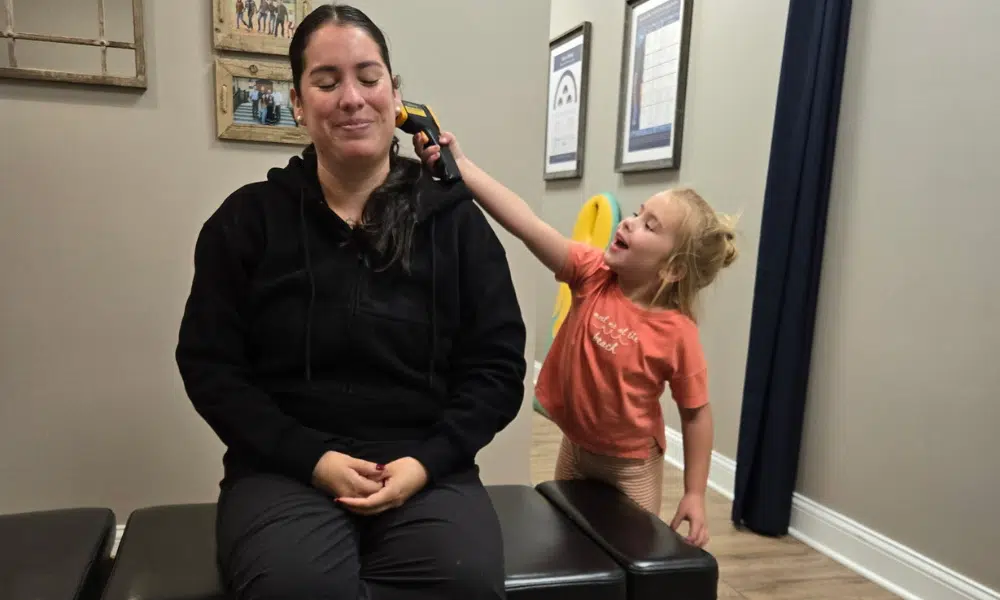
- Thermal scanning uses infrared sensors to detect patterns of autonomic dysfunction along the spine.
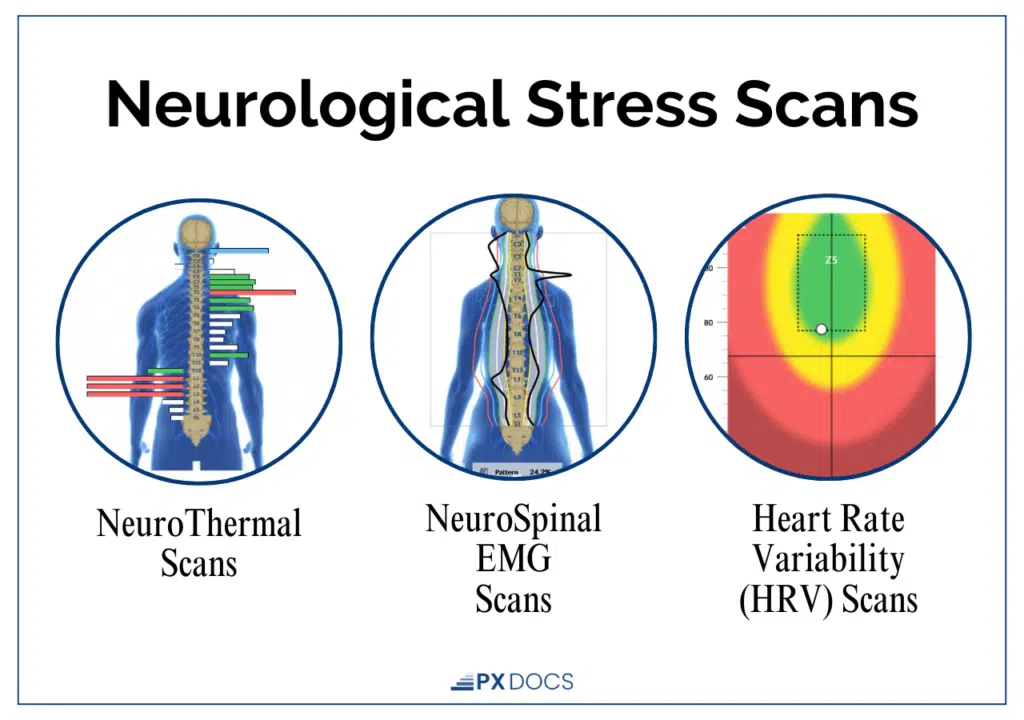
It’s important to note that this technology does not diagnose medical conditions, and Neurologically-Focused Chiropractic Care is certainly not a treatment or cure for anxiety or any other condition, not even back pain. Instead, these INSiGHT Scans help us track down the root cause of nervous system dysfunction and dysregulation, and build customized care plans and adjusting protocols to help shift the nervous system back into a state of balance, regulation, and resilience. For many families, this is the first time they’ve seen an objective picture of what’s driving their child’s anxiety.
The PX Docs Root-Cause Approach to Helping Kids With Anxiety
Rather than just chasing symptoms, neurologically-focused pediatric chiropractors focus on finding and addressing the underlying cause. In many anxious kids, these issues trace back to subluxation, dysautonomia, and vagus nerve dysfunction.
Subluxation is a pattern of neurological dysfunction in the spine characterized by three components: misalignment within the neurospinal system, fixation or restricted joint motion, and neurological interference that disrupts communication between the brain and body. This is the part most people get wrong: subluxation isn’t just a bone “out of place.” It’s a functional problem in how the nervous system communicates.
Here’s why it matters so much for anxiety. When kids go through the “Perfect Storm,” especially birth trauma, they often develop subluxation and stuck tension in the upper neck, right where the vagus nerve and brainstem live. Those tense muscles reduce proprioception, the nervous system’s sense of where the body is in space, which is one of the biggest natural sources of calming, parasympathetic input to the brain. So a vicious cycle forms: sympathetic overdrive tightens the muscles; tight muscles dampen proprioception; low proprioception suppresses the vagus nerve; and the suppressed vagus nerve lets the sympathetics run even harder. That’s how a child gets neurologically “stuck” in anxiety.
This is also why movement helps so much, and why it’s not just a mood thing. Every time your child runs, walks, plays outside, or moves their body, they’re feeding proprioception into the brain and stimulating the calming brake pedal. It’s the same reason you feel better mentally after a walk.
Once we have a clear picture from the INSiGHT Scans, we build a personalized care plan that may include:
- Specific, gentle chiropractic adjustments to address subluxation and help the nervous system shift out of sympathetic overdrive
- Adjustments aimed at stimulating the vagus nerve and bringing the parasympathetic brake pedal back online
- Neuro-developmental movement and breathing strategies to build regulation
- Nutrition and lifestyle recommendations to support overall health and resilience
One of the most powerful things about this approach is that the adjustment works whether or not a child is doing anything else to help themselves, which matters enormously for an exhausted, anxious kid who can’t yet “do the work.” And as the nervous system calms, something else happens: care opens up a child’s ability to respond to everything else. Therapy, counseling, better sleep, better nutrition, all of it tends to work better once the nervous system feels safe. It’s a one-plus-one-equals-eleven effect. We’re not replacing those supports. We’re building the foundation that lets them finally take hold.
A quick, honest word here. This isn’t about being anti-medication or anti-therapy. Medication can ease symptoms in the short run, and counseling has helped many families. But medication changes the neurotransmitters without changing the core neurophysiology underneath, which is why so many parents tell us, “the meds help a little, but we never feel like we’re getting to the other side.” Getting to the other side means addressing the nervous system itself. Always talk with your child’s healthcare provider before making any changes to their care.
How Can Parents Help a Child With Anxiety at Home?
Professional care addresses the root, but what you do at home matters enormously. These strategies support your child’s nervous system alongside care.
Create a Supportive Home Environment
You play a crucial role in helping your child feel safe. One of the most important things you can do is create a calm, understanding home where your child feels heard and secure. A regulated parent helps regulate a dysregulated child; your own calm is contagious.
Encourage Open Communication
Start by validating your child’s feelings. Let them know it’s okay to feel anxious sometimes and that you’re with them no matter what. Ask open-ended questions, listen without judgment, and offer comfort, without over-focusing on the fear itself, which can unintentionally make it grow.
Establish Predictable Routines
Predictable routines and structure give an anxious nervous system a sense of safety. Regular mealtimes, consistent bedtimes, and dependable family rhythms tell the brain it can lower its guard.
Teach Coping Skills
Simple, repeatable tools help your child manage anxious moments:
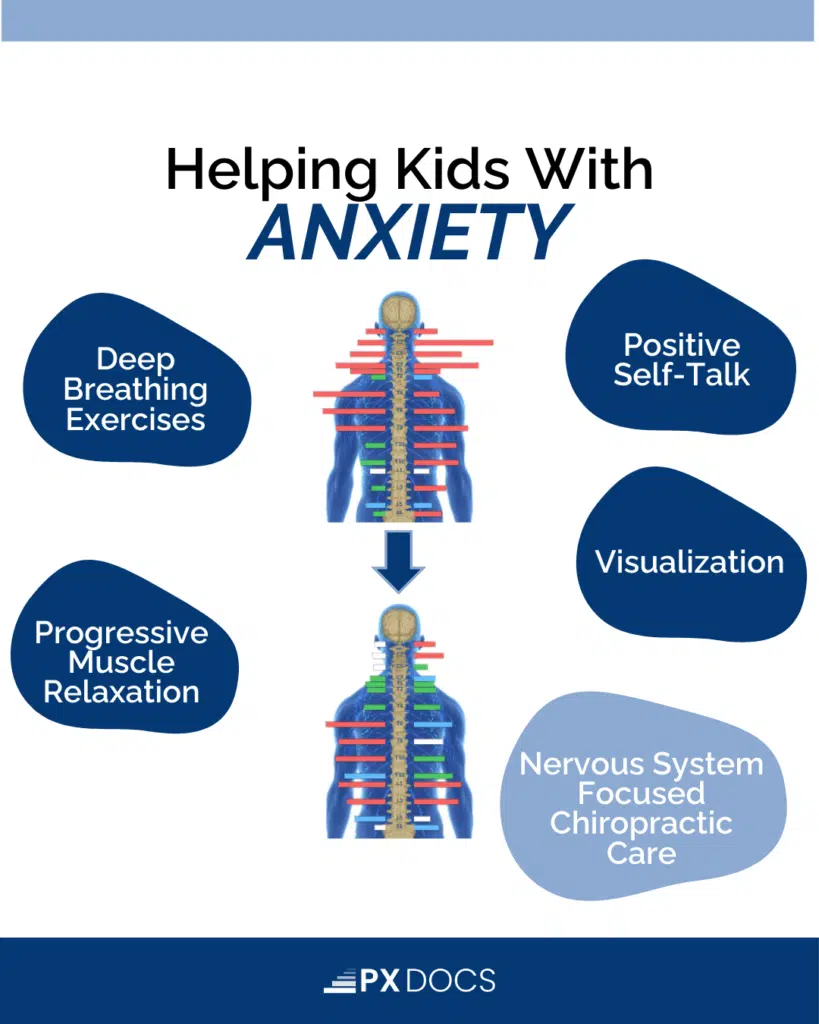
- Deep breathing: Slow, deep belly breaths are one of the fastest natural ways to stimulate the vagus nerve and tap the brake pedal.
- Progressive muscle relaxation: Gently tensing and releasing muscle groups helps release stored physical tension and signals calm.
- Positive self-talk: Help your child notice anxious thoughts and reframe them into more realistic, empowering ones.
- Visualization: Encourage them to picture a calm, safe place when worry rises.
As your child grows more comfortable, gently encourage small steps outside their comfort zone, and celebrate every bit of progress.
Prioritize Movement, Sleep, and Nutrition
Don’t underestimate the basics, they’re nervous system fuel. Encourage your child to:
- Get regular physical activity and outdoor play, movement feeds proprioception, and naturally calms the nervous system
- Eat whole foods and limit sugary, processed snacks that can spike the stress response
- Stay hydrated throughout the day
- Get quality sleep, aiming for 9 to 12 hours for school-aged children
Make this a family affair. Take walks and bike rides together, cook nutritious meals as a team, and protect a calm wind-down time before bed.
When Should You Seek Professional Help for Childhood Anxiety?
Some anxiety is a normal, expected part of childhood. But there are times it makes sense to seek an anxiety test or professional support. According to the CDC, signs worth paying attention to in children include:
- Persistent, severe anxiety that interferes with daily life at home or school
- Separation anxiety when away from parents
- Avoidance of activities, social situations, or school because of anxiety
- Frequent physical complaints like headaches or stomachaches with no medical cause
- Sleep disturbances, nightmares, or trouble falling asleep tied to anxiety
- Co-occurring concerns such as depression or obsessive-compulsive disorder
If you notice these signs, or your child’s anxiety isn’t improving despite your best efforts at home, it’s worth consulting a professional who looks at the whole picture, including nervous system function.
There Is Hope for Your Anxious Child
If you take one thing from this article, let it be this: there is real hope for kids struggling with anxiety. When you understand the root cause, support the nervous system, and pair that with practical strategies at home and school, change is absolutely possible.
At PX Docs, we’re here to walk alongside you. Our Neurologically-Focused approach addresses the root causes of anxiety and helps restore balanced nervous system function, the foundation for lasting health. We’ve seen some of the most anxious kids and teens heal naturally and come out the other side stronger, more resilient, and more joyful.
If you suspect your child is struggling with anxiety, reach out to a PX Docs provider near you. Together, we can help your child break free from the weight of anxiety and step into the confidence and resilience they deserve.
Frequently Asked Questions
Can childhood anxiety go away on its own?
Mild, situational worry often passes on its own as a child grows. But chronic anxiety that’s rooted in a dysregulated nervous system usually doesn’t resolve by itself; it tends to deepen as the sympathetic stress state becomes more hardwired over time. The encouraging news is that the nervous system is changeable. With the right support that addresses the root cause, many children move from chronically anxious to calm and resilient.
Is anxiety in children genetic?
Genetics can create a predisposition, but it doesn’t tell the whole story, and it’s far from destiny. Nothing influences anxiety more powerfully than a child’s lifestyle and accumulated stressors, what we call the “Perfect Storm.” Being told anxiety is purely genetic and unchangeable can actually make it worse, because it leaves kids feeling there’s nothing they can do. The neurophysiology says otherwise.
Can chiropractic care help with a child’s anxiety?
Neurologically-Focused Chiropractic Care does not treat or cure anxiety. It addresses nervous system function, specifically the sympathetic overdrive and suppressed vagus nerve function that often sit underneath anxiety. By helping the nervous system shift out of chronic stress mode and back into balance, many families see meaningful changes in how their child handles stress, sleeps, and feels day to day.
What’s the difference between normal worry and an anxiety disorder?
Normal worry is temporary, tied to a specific situation, and fades once the situation passes. Anxiety becomes a clinical concern when it’s persistent, out of proportion to the situation, and starts interfering with everyday life, school, friendships, sleep, and family routines. The physical signs, like ongoing stomachaches, a racing heart, and disrupted sleep, are clues that the nervous system is stuck in a state of chronic stress rather than reacting to a passing event.
Is anxiety medication safe for kids?
That’s a decision for you and your child’s prescribing doctor. Medication can reduce symptoms in the short term, but it works by altering neurotransmitters rather than changing the underlying neurophysiology, and it carries side effects and dependency risks worth discussing carefully. Many parents find medication helpful as one piece of the picture while they also work to address the nervous system at the root.
Why is my anxious child always so tired?
A nervous system that’s been running in fight or flight for months or years eventually burns out. This is the exhaustion stage of nervous system dysregulation. The child may sleep but never feel rested, because the body has been stuck on the gas pedal far too long. This kind of fatigue isn’t laziness; it’s a worn-out, depleted nervous system that needs to be brought back into balance.
How long does it take to see changes with Neurologically-Focused Chiropractic Care?
Every child is different, and results vary based on how long the nervous system has been dysregulated. Some families notice shifts in sleep or mood within the first few weeks, while deeper, lasting changes in nervous system regulation build over a longer care plan. INSiGHT Scans let us objectively track real neurological progress, often before symptoms fully resolve.