
Let me guess. Your child’s pediatrician keeps saying “they’ll grow out of it,” but your gut tells you something deeper is wrong. As a parent, it’s heartbreaking to see your child struggle with chronic health issues. Yet, an alarming 40% of school-aged children today suffer from at least one ongoing health problem, according to the CDC. From digestive conditions and respiratory challenges to neurological conditions like ADHD and anxiety, our children are facing an unprecedented epidemic of poor health.
If you’re researching subluxation after a medical diagnosis of shoulder or joint subluxation—a partial dislocation from an injury—this article focuses on the chiropractic perspective of vertebral subluxation, which describes a neurological dysfunction pattern in the spine. Both uses of the term “subluxation” are valid in their respective fields, but they describe different conditions requiring different approaches.
But what if there was a common thread underlying many seemingly unrelated conditions? A root cause that, when addressed, could unlock your child’s innate potential for healing and thriving?
That missing piece of the puzzle is often chiropractic subluxation—a dysfunction within the nervous system that can set the stage for a wide range of both acute and chronic health challenges. While subluxation is a term many may not be familiar with, understanding its role in your child’s well-being could be the key to finally finding the answers and solutions you’ve sought.
When your conventional pediatrician dismisses your concerns, continues to blame genetics or bad luck, or says “don’t worry, they’ll grow out of it,” it often means they may not be trained to evaluate the neurological root causes of health challenges in kids, particularly how nervous system function affects development.
Let’s explore subluxation, how it develops, and its far-reaching impact on your child’s health. We’ll also explore the factors that can lead to subluxation, how it can manifest in various traits and conditions, and how Neurologically-Focused Chiropractic Care can help in ways you likely never knew!
Understanding the Two Definitions of Subluxation
In medicine, subluxation refers to a partial dislocation of a joint, where bones that normally meet in a joint are partially separated but still maintain some contact. These subluxations result from acute trauma like falls, sports injuries, or accidents.
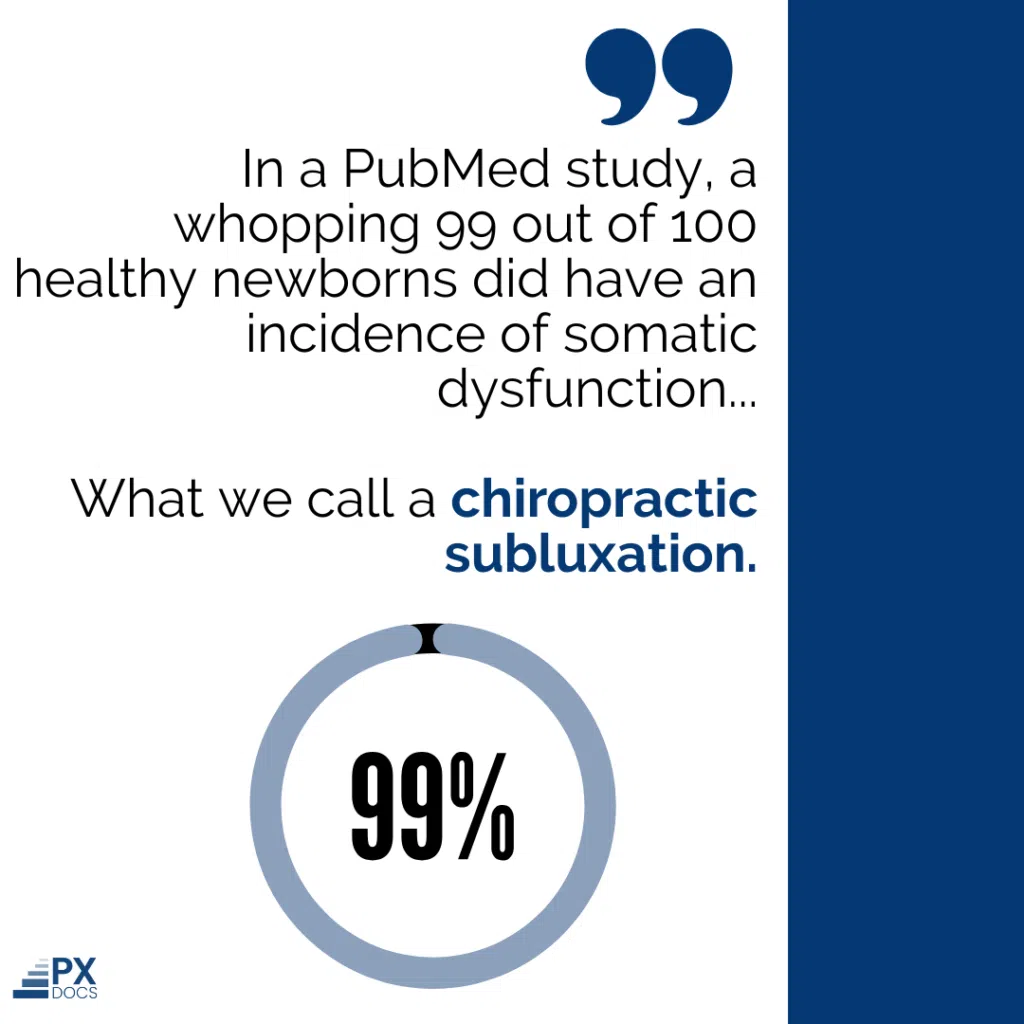
In chiropractic, we use the term vertebral subluxation or vertebral subluxation complex to describe something different: a pattern of neurological dysfunction in the spine affecting alignment, joint motion, and nervous system communication. This type of subluxation may not show dramatic structural changes on X-ray because we’re measuring functional problems—how the nervous system communicates—rather than just bone displacement.
Neurologically-Focused Chiropractors detect these patterns through functional assessment tools like INSiGHT Scans that measure nervous system activity directly.
Both definitions share a common thread: they describe altered joint function that affects the body’s ability to work properly. The key difference is focus—medical subluxation emphasizes structural displacement requiring repositioning, while chiropractic subluxation emphasizes neurological dysfunction requiring specific adjustments to restore optimal nerve function. This article focuses on the chiropractic perspective, particularly as it relates to children’s development and chronic health challenges.
What is Subluxation?
Subluxation refers to a complex neurological dysfunction within the body, characterized by three main components:
- Misalignment: Altered positioning and spinal alignment within the neurospinal system.
- Fixation & Restriction Motion: Abnormal tension or fixation within these neurospinal segments and regions then leads to reduced range of motion and overall movement.
- Neurological Interference & Imbalance: The combination of this misalignment and restricted movement (proprioception) disrupts and alters neurosensory input into the brain, leading to interference and imbalance within the nervous system.
This pattern is sometimes referred to as the vertebral subluxation complex in chiropractic literature, distinguishing it from medical joint subluxation.
When subluxation occurs, it can interfere with the proper functioning of the nervous system, which is responsible for controlling and coordinating all the systems in the body. Nervous system dysregulation and dysfunction are easily the most overlooked and dismissed components of both acute and chronic health challenges in kids and adults alike.
The key component of subluxation that sets all the neurological dysfunction in motion is the joint fixation and restriction of movement, which is known as proprioception.
Proprioception is the body’s sense of position and movement. It relies on sensory receptors in the joints, muscles, and connective tissues to communicate with the brain. Subluxations can disrupt this communication, leading to decreased proprioception and increased perception of noxious or stressful stimuli and input into the brain (nociception).
While a medical subluxation involves visible structural displacement of joint surfaces, neurological subluxation focuses on the functional impact—how altered joint mechanics disrupt nerve signaling between the body and brain. This is why traditional X-rays may not show what we’re measuring: we’re assessing function, not just structure.
While this may present as true physical pain and discomfort in an adult, in kids, it more commonly presents as altered sensory input or sensory overload, digestive or immune system dysfunction, and especially as altered sensory perception and motor input, tone, and coordination. Subluxation plays a major role in the development of both gross and fine motor delays, as well as overall developmental delays and challenges in children.
The upper neck and brainstem region are particularly vulnerable to subluxation because they house a high concentration of proprioceptors and contain critical spinal nerve roots that are responsible for controlling many vital functions in the body, such as:
- Breathing
- Heart rate
- Blood pressure
- Digestion
- Immune function
- Sensory processing
- Motor control
In addition, the upper neck and brainstem are in close proximity to the vagus nerve and Autonomic Nervous System, which regulates the body’s involuntary functions. The Autonomic Nervous System is divided into two branches: the Sympathetic Nervous System, which is responsible for the “fight or flight” response, and the Parasympathetic Nervous System, which is responsible for the “rest and digest” functions and overall nervous system regulation.
Subluxation of the spine or brainstem can disrupt the balance between the sympathetic and parasympathetic nervous systems, leading to a wide range of signs and health challenges. This imbalance, known as dysautonomia, is a critical factor in many of the chronic health conditions we see in children today.
What Causes Subluxation? Understanding “The Perfect Storm”
While subluxation can occur at any age, children are particularly vulnerable to developing this neurological dysfunction due to a combination of factors that we call “The Perfect Storm.” This term describes the cumulative impact of various physical, chemical, and emotional stressors and stages of subluxation that can overwhelm a child’s developing nervous system, leading to subluxation and subsequent health challenges.
Prenatal Stress and Anxiety
“The Perfect Storm” often begins before a child is even born, with the mother’s experience of stress and anxiety during pregnancy. Research has shown that maternal stress can have a significant impact on fetal development, including the development of the brain.
When a mother experiences chronic stress, her body releases higher levels of stress hormones, such as cortisol, which can cross the placenta and affect the developing fetus. This exposure can alter how the baby’s nervous system develops, making it more susceptible to subluxation and dysregulation later in life.
Birth Trauma and Interventions
The process of birth itself can also contribute to the later development of subluxation stress and illness, particularly when interventions such as forceps, vacuum extraction, or cesarean section are used. These interventions can cause physical strain, biomechanical stress, and trauma to the baby’s delicate nervous system if the baby is not in the proper position, leading to misalignment, soft tissue damage, and tension in the upper neck, brainstem, and other components of the neurospinal system.
Even in cases of “normal” vaginal delivery, the intense pressure and twisting forces experienced by the baby’s head and neck can cause significant misalignments and nerve interference, causing their physiological function to get off track just enough to trigger difficulty nursing, soothing, sleeping, and so forth.
Early Childhood Stressors
After birth, a variety of common childhood experiences can further contribute to development issues. These early childhood stressors include:
- Colic and reflux
- Constipation and digestive issues
- Repeated ear infections and respiratory illnesses
- The overuse of antibiotics and gut dysbiosis
When a child experiences these stressors, their nervous system can become stuck in a state of “fight or flight,” leading to chronic tension and imbalance. This sympathetic dominance can interfere with the child’s ability to rest, digest, and heal, creating a vicious cycle of stress and dysfunction.
Fortunately, by understanding “The Perfect Storm” of factors leading to subluxation, parents can identify potential root causes of their child’s health challenges and take steps to support their nervous system health.
How is Subluxation Diagnosed?
Medical doctors diagnose joint subluxation through physical examination and diagnostic imaging.
Neurologically-Focused Chiropractors take a different approach because we’re measuring function rather than just structure. While X-rays show bone position, they don’t reveal how well the nervous system is communicating. That’s why we use specialized technology like INSiGHT Scans to measure nervous system activity directly. These scans detect patterns of neurological dysfunction that traditional imaging may miss—heat patterns indicating dysautonomia, muscle tension revealing neuromuscular imbalance, and heart rate variability showing autonomic stress.
Think of it this way: an X-ray is like taking a photo of your house’s structure, while INSiGHT Scans are like checking if the electrical system is working properly. Just as an electrician uses specialized tools to measure current and voltage—not just looking at wires—we use functional assessments to measure how your child’s nervous system is performing, not just how the spine looks.
This functional approach is especially important for children, where the clinical presentation often includes developmental delays, behavioral challenges, and chronic health issues rather than just pain or visible deformity.
Signs and Symptoms of Subluxation in Children
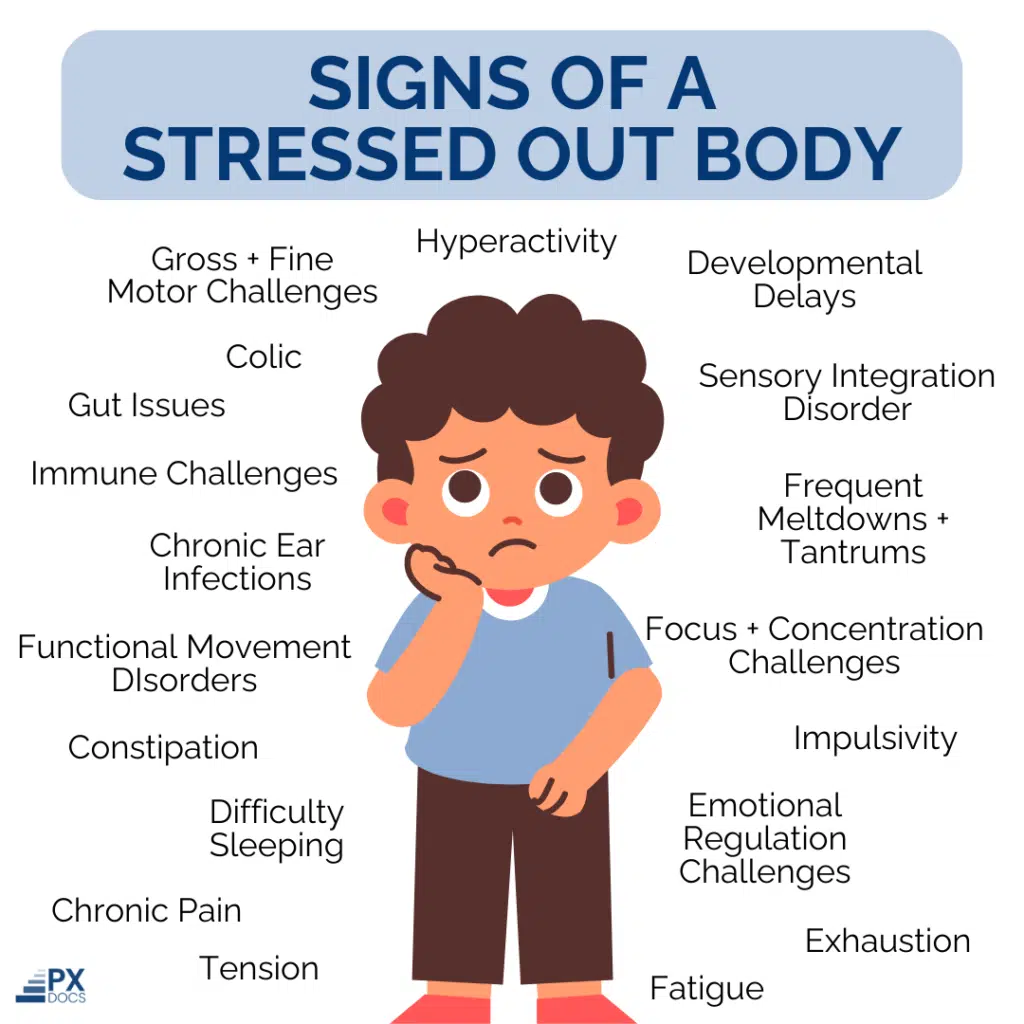
Neurological subluxation can manifest differently from medical joint subluxation, especially in children. Subluxation can manifest in many signs and symptoms in children, some of which may be easily recognizable, while others may be more subtle or overlooked. As a parent, it’s essential to be aware of these potential indicators so that you can seek appropriate care for your child.
Some common signs of spinal subluxation include:
Developmental, Behavioral, and Neurological Symptoms
- Delays in reaching milestones, such as crawling, walking, or talking
- Poor coordination or clumsiness
- Difficulty with fine motor skills, such as writing or tying shoelaces
- Sensory processing issues, including sensitivity to light, sound, or touch
- Speech delays and apraxia
- Attention and focus difficulties
- Emotional dysregulation, such as frequent meltdowns or tantrums
- Anxiety or mood swings
- Stimming, toe-walking, and dyspraxia
- Motor tics and seizure conditions
Physical Symptoms
- Chronic pain and tension, particularly in the neck, back, or head
- Poor range of motion, posture, or uneven shoulder height
- Joint instability or unusual flexibility
- Digestive issues, such as constipation, reflux, or colic
- Respiratory problems, including asthma, allergies, or frequent infections
- Difficulty sleeping or restless sleep patterns
- Bedwetting or constipation
While these traits and conditions can indicate the presence of subluxation and specific patterns of neurological dysfunction, it’s important to note that addressing subluxation is not a direct care plan or cure for any sign or condition.
Subluxation-Based Nervous System Focused Chiropractic Care, which we’ll explain in more detail below, simply yet effectively addresses subluxation and nervous system dysregulation in order to help improve overall neurophysiological function within the body. From there, the body is more than capable of healing and restoration all on its own!
This is where the chiropractic and medical approaches differ substantially. While medical care aims to address the signs of a condition, chiropractic seeks to address the underlying root cause and provide care that improves nervous system function first and foremost, allowing the body to address the signs and conditions more effectively on its own.
When Should You Seek Medical Care First?
If your child experiences acute trauma from a fall, accident, or sports injury with visible joint deformity, severe pain, or inability to move a limb, seek emergency medical care immediately. Some situations require emergency room evaluation before any other approach:
Emergency indicators requiring immediate medical attention:
- Visible bone displacement or joint deformity
- Severe pain with complete loss of function in a joint
- Numbness, tingling, or weakness suggesting nerve compression
- Recent traumatic injury to the neck or spine
- Any injury involving the head with confusion or loss of consciousness
For acute injuries, medical evaluation is essential to rule out fractures, complete dislocations, or severe soft tissue damage that may require immobilization, closed reduction, or surgical intervention. Emergency physicians and orthopedic specialists are experts in managing these structural injuries.
Neurologically-Focused Chiropractic Care addresses a different set of challenges: chronic patterns of nervous system dysfunction, developmental concerns, sensory processing issues, digestive problems, and the long-term effects of birth trauma or early life stress. These are functional challenges that diagnostic imaging may not detect but that significantly impact your child’s quality of life.
Many families benefit from both approaches: medical care for acute structural injuries and emergency situations, and chiropractic care for optimizing nervous system function and addressing the root causes of chronic health challenges. You know your child best. Trust your instincts about when immediate medical evaluation is needed, and know that addressing nervous system function is a powerful next step for supporting your child’s overall health and development.
The PX Docs’ Approach to Addressing Subluxation
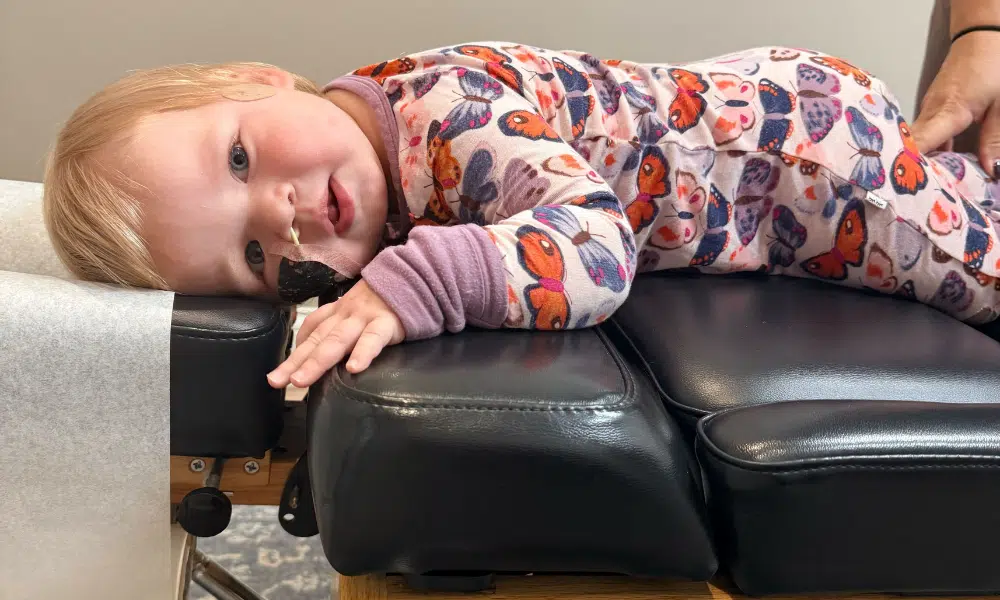
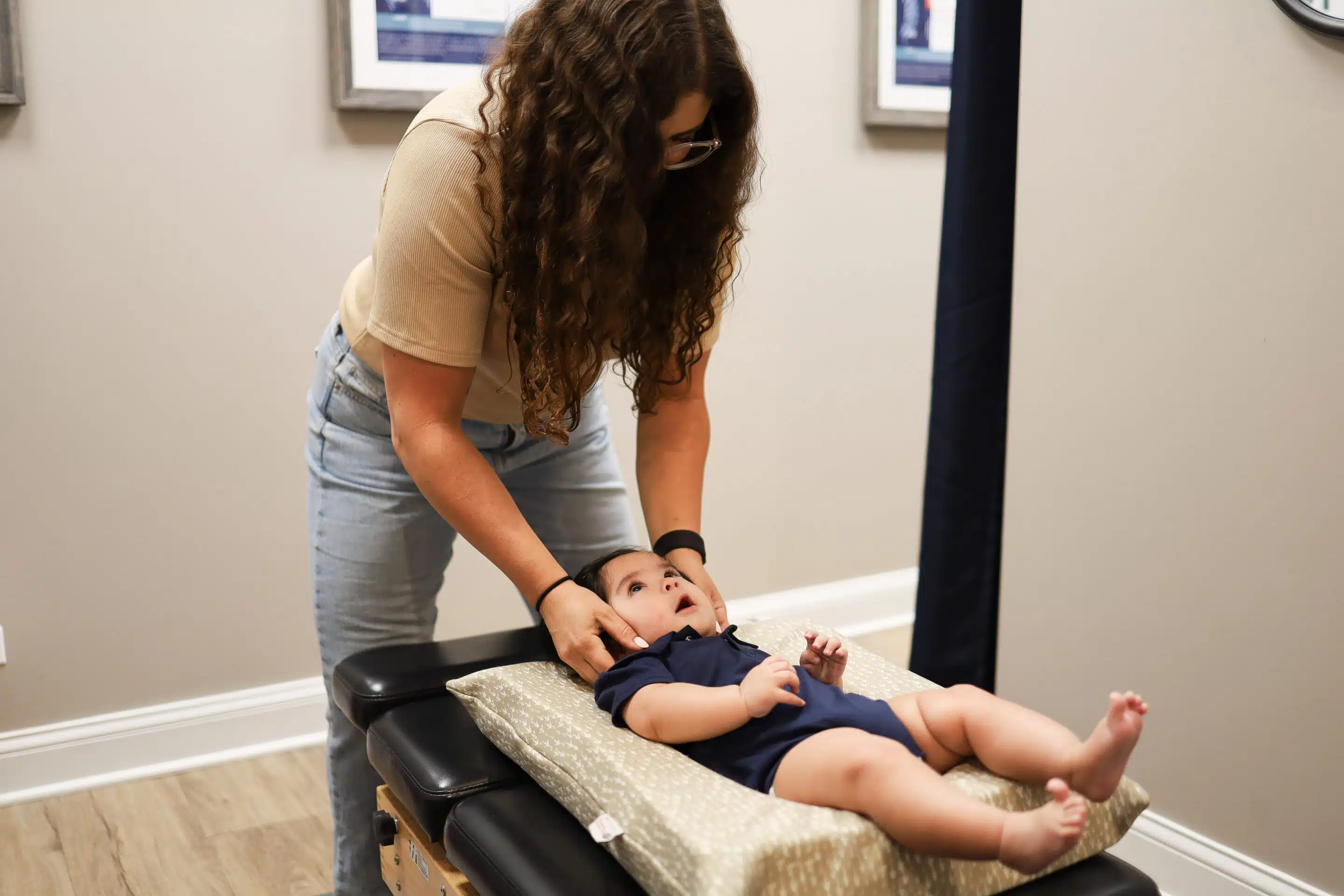
At PX Docs, we take a unique, Neurologically-Focused approach to identifying and addressing subluxation and nervous system dysfunction in children and adults alike. Our doctors undergo extensive training in Pediatric + Family Chiropractic Care, allowing them to provide gentle, specific adjustments tailored to each child’s needs.
True Neurologically-Focused Pediatric + Family Chiropractors do not just rely on the signs, postural distortions, x-rays, or palpation for their pattern analysis and clinical results, but instead utilize cutting edge technology called the INSiGHT Scans to take their work to a whole new level.
It only takes a matter of minutes to run these scans, and the amount of wildly insightful clinical information they provide a nervous system focused chiropractor is truly incredible.
The INSiGHT Scans consist of the 3 various scans, including:
- NeuroThermal: Measures asymmetrical infrared heat patterns within the neurospinal system, detecting patterns of regional dysautonomia and nervous system dysregulation.
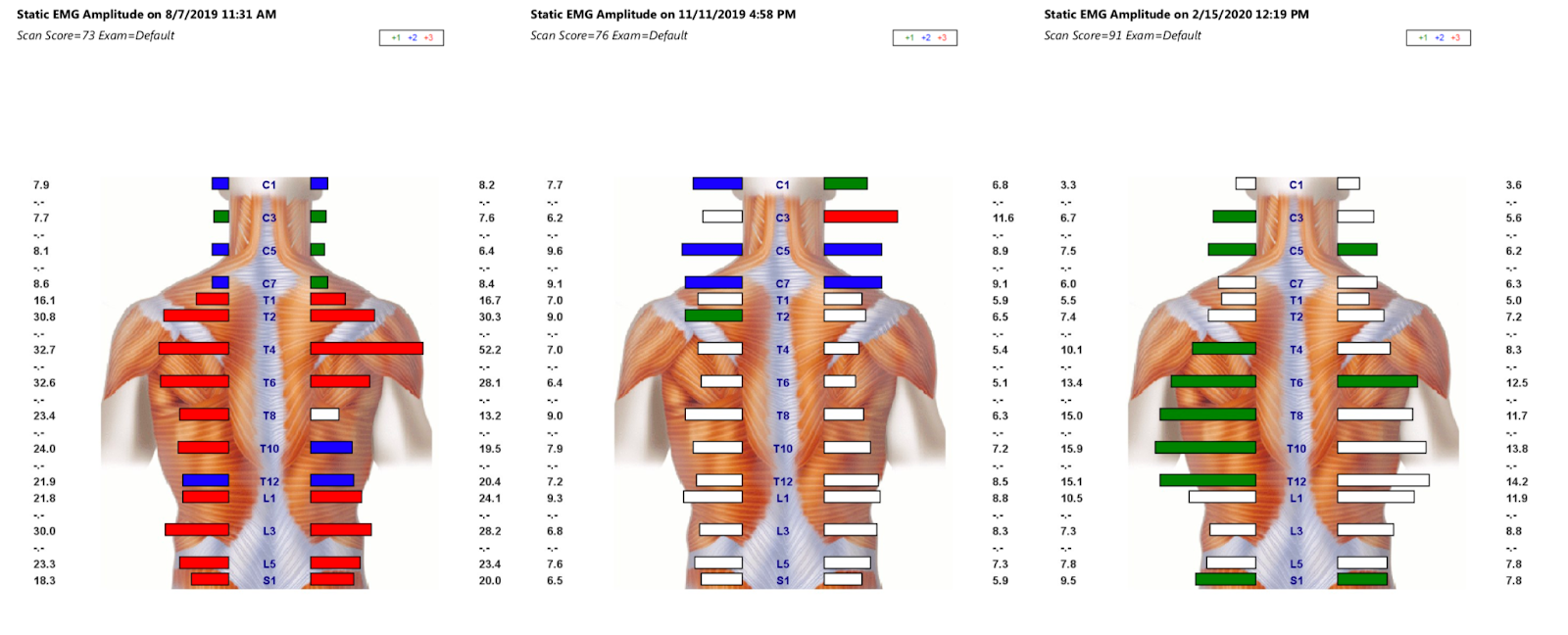
- NeuroCore (sEMG): Assesses patterns of neuromuscular dysfunction, asymmetry, tension, exhaustion, and more, helping determine which components of neurospinal motor function are most negatively affected and interfered with. These scans detect and measure what is known as dysponesis and altered proprioception or sensory input.
- Heart Rate Variability (HRV): Evaluates how subluxation and nervous system dysfunction has affected overall autonomic function, adaptability, and reserve capacity (energy). HRV is a direct and effective measurement of dysautonomia.
These INSiGHT Scans help our PX Doctors look far deeper into patterns of subluxation and neurological dysfunction than traditional analysis methods like x-ray, posture, and palpation. Those are still fantastic and helpful methods of subluxation and pattern analysis, but the INSiGHT Scans stand alone as the gold standard in today’s practice environment.
The clinical application of these scans and pattern analysis goes far beyond just the initial look into subluxation and neurological dysfunction, and also allow our PX Docs to do the following:
- Create Customized Care Plan: Pattern analysis allows chiropractors to develop a more individualized care plan based on the specific neurological patterns they observe in a patient. This can lead to more targeted and effective adjusting techniques and approaches, instead of doing the same thing for each and every patient.
- Tracking Progress: By continually assessing the patterns before and after a series of adjustments (usually six to twelve), Neurologically-Focused Chiropractors can determine the effectiveness of the care being provided and make necessary modifications to the care plan or adjusting protocols if needed.
Below is an image of Initial and Progress EMG Scans on a pediatric patient who was struggling with Sensory Processing Disorder and High Functioning Anxiety.
As shown in the initial EMG scan on the left, her nervous system was overwhelmed with excessive sensory input and stress (red and blue areas). After 2-3 months of care, her subluxation and sensory stress were reduced, resulting in the calm, regulated scan on the right (white and green areas).
Neuro-Tonal Subluxation Analysis + Adjusting
While nothing provides the comprehensive and in-depth level of subluxation analysis quite like the INSiGHT Scans, each of the doctors in our PX Docs Network is trained in our Neuro-Tonal Analysis and Adjusting system as well.
Each and every visit, our doctors conduct a series of sequential neurological patterns and subluxation analysis checks to determine exactly which regions and areas require targeted adjustments, as well as which particular adjusting techniques will be most effective for this particular visit.
Our manual therapy approach is where PX Doctors are quite different from even other nervous system-focused and subluxation-based chiropractors, in that we do not adhere to the same adjusting technique and protocol for every single patient. Instead, we work hard to adapt and pair the most effective adjusting technique to each and every patient, and each and every adjustment.
What to Expect: Your Child’s Healing Timeline
Unlike medical subluxation, where recovery means repositioning the joint back into place, neurological subluxation healing follows an inside-out process. Just as “The Perfect Storm” built up stress layers over time—prenatal stress, birth trauma, childhood stressors—healing peels them away layer by layer. The nervous system begins reorganizing and regulating before you see outward trait changes. This is why we track progress with INSiGHT Scans: they show neurological improvements happening beneath the surface.
Typical recovery timeline and what to expect:
- Initial Assessment Phase (1-2 visits): Comprehensive INSiGHT Scans establish baseline measurements of your child’s nervous system function. These scans reveal patterns you can’t see with your eyes but that explain the signs you’ve been observing.
- Intensive Care Phase (2-3 months, 6-12 adjustments): This is when the most significant neurological changes occur. INSiGHT scans typically show measurable improvements in this timeframe—reduced heat patterns indicating better autonomic balance, decreased muscle tension showing improved neuromuscular function, and enhanced heart rate variability reflecting greater adaptability. Many children show these scan improvements weeks before parents notice trait changes. This is expected and encouraging.
- Progress Re-evaluation (Every 90 days): We repeat INSiGHT Scans every three months to objectively measure functional recovery. These scans guide care plan adjustments and show you—in color-coded visual proof—how your child’s nervous system is reorganizing toward optimal function.
Small wins come first. Your child might fall asleep ten minutes faster, have one less meltdown this week, try a new food, or make eye contact a bit longer. We literally celebrate these victories like we won the lottery. Why? Because these “small” changes indicate massive neurological shifts happening beneath the surface. Bigger changes follow—developmental milestones reached, reduced sensory overwhelm, improved focus, better digestion, and more regulated emotions.
Every child’s healing journey is unique. Some show rapid improvements within the first month, while others need consistent care over 6-12 months. The prognosis is highly individual and depends on how long “The Perfect Storm” has been building, the severity of the nervous system dysregulation, and how well the child responds to adjustments. Trust the process. Your child’s body knows how to heal when interference is removed. Healing isn’t linear; you might see two steps forward, one step back. That’s normal and part of the journey.
Frequently Asked Questions About Subluxation
What’s the difference between subluxation and dislocation?
A complete dislocation is when joint surfaces fully separate and no longer touch at all. A subluxation is a partial dislocation where joint surfaces still have some contact but are misaligned. In chiropractic, we use “subluxation” to describe vertebral subluxation complex—a neurological dysfunction pattern affecting the spine—which is different from the medical use of the term for structural joint displacement. Both are valid uses of the word in their respective fields, but they describe different conditions.
Can subluxation be seen on X-ray?
Medical joint subluxations (shoulder, ankle, elbow) are visible on X-ray because they involve measurable structural displacement of bones. Neurological subluxation patterns in the spine may not show dramatic structural changes on traditional imaging because we’re measuring functional problems—how the nervous system communicates and processes information—rather than just bone position.
That’s why Neurologically-Focused Chiropractors use INSiGHT Scans to measure nervous system function directly. X-rays show structure; INSiGHT Scans show function. Both provide valuable but different information.
Is there scientific research on chiropractic subluxation?
Research on vertebral subluxation and its care is ongoing. Studies demonstrate that chiropractic adjustments create measurable changes in brain function, including areas controlling sensory processing and autonomic regulation. This research shows that adjustments affect the prefrontal cortex and other brain regions involved in sensory integration.
The neurophysiological mechanisms—how proprioception and sensory input affect nervous system function—are well-established in neuroscience literature, though more pediatric-specific outcome studies are needed. Our INSiGHT Scans provide objective, measurable data showing nervous system changes throughout care.
When should I see a chiropractor versus a medical doctor?
See a medical doctor first for: acute trauma with visible deformity, severe pain with complete loss of joint function, concerns about fractures or complete dislocations, or any emergency situation requiring immediate structural intervention. See a Neurologically-Focused Chiropractor for: chronic health challenges, developmental delays, nervous system dysregulation, sensory processing issues, digestive problems, sleep difficulties, behavioral challenges, and addressing root causes after a medical evaluation rules out structural emergencies.
Many families benefit from both approaches—medical care for acute structural needs, chiropractic care for optimizing nervous system function, and supporting long-term health. If you believe your child might be dealing with subluxation or nervous system dysregulation, visit the PX Docs Directory to find a qualified practitioner near you.
Empowering Your Child’s Health: The Power of Neurologically-Focused Care
As a parent, you want nothing more than for your child to be healthy, happy, and able to reach their full potential. When subluxation and nervous system dysregulation is present, it can create a significant barrier to achieving these goals, leading to a wide range of health challenges, developmental delays, and limited healing capacity.
Understanding the difference between acute structural subluxation and chronic neurological patterns helps you make informed decisions about your child’s care.
By understanding the role of subluxation in your child’s well-being and seeking the care of a qualified PX Doctor, you can take a proactive approach to better support your child’s health and healing. Our Neurologically Focused Chiropractic Care is designed to address subluxation and nervous system dysfunction using safe, drug-free approaches that seek to restore proper nervous system function and empower your child’s body to heal itself.
If you believe you or your child might be dealing with subluxation or any of the signs of nervous system dysregulation we’ve discussed, we encourage you to visit the PX Docs Directory to begin your journey toward improved health and optimal healing for the whole family.
Our network of highly trained and compassionate pediatric chiropractors is dedicated to helping children of all ages overcome health challenges and thrive.