
If you have a child struggling with gut issues and neurodevelopmental challenges like autism, ADHD, or sensory processing differences, it’s likely you’ve come across more diet recommendations than you can count.
You may have heard of the GAPS diet. But you’re exhausted, overwhelmed, and wondering: Is this the answer? Will another restrictive diet finally be the one that works?
Here’s what you need to know. The GAPS diet (Gut and Psychology Syndrome) is a legitimate approach to gut healing that’s helped many families. But there’s a piece of the puzzle that gets missed, a foundational piece that determines whether dietary interventions like GAPS actually work. And that missing piece is your child’s nervous system.
What Is the GAPS Diet?
The GAPS diet was created in 2004 by Dr. Natasha Campbell-McBride, a neurologist and nutritionist. She developed this protocol after observing a pattern in her clinical practice: children with neurological and psychological conditions, Autism Spectrum Disorder, ADHD, learning disabilities, and depression often also struggled with severe digestive issues.
Dr. Campbell-McBride theorized that these conditions are connected through what she calls “Gut and Psychology Syndrome.” The core idea is that a damaged, permeable gut lining (often called “leaky gut”) allows undigested food particles, bacteria, and toxins to enter the bloodstream. Once in the blood, these substances can supposedly reach the brain, causing inflammation and affecting neurological function.
The GAPS dietary protocol is designed to heal and seal the gut wall, prevent toxins from entering the bloodstream, and restore healthy gut bacteria. It’s an elimination diet that cuts out foods thought to contribute to gut permeability, including grains, pasteurized dairy, starchy vegetables, and refined carbohydrates.
The Three Phases of GAPS
The GAPS protocol unfolds over a potentially years-long process divided into three main stages:
1. Introduction Diet (3 weeks to 1 year)
This is the most restrictive phase, often called the “gut healing phase.” It’s broken into six progressive stages where foods are introduced slowly:
- Stage 1: Homemade meat stock (not bone broth), soups with well-cooked meat and vegetables, probiotic foods like fermented vegetable juices, and herbal teas. For those not dairy intolerant, homemade yogurt or kefir cultured for at least 24 hours.
- Stage 2: Add raw organic egg yolks, ghee, and stews with soft-cooked vegetables.
- Stage 3: Include avocado, fermented vegetables, GAPS-recipe pancakes made with nut flours, and scrambled eggs cooked in animal fats.
- Stage 4: Introduce grilled and roasted meats, cold-pressed olive oil, fresh vegetable juice, and GAPS-recipe breads.
- Stage 5: Add cooked apple puree, gradually introduce raw vegetables starting with lettuce and peeled cucumber, and small amounts of non-citrus fruits.
- Stage 6: Finally, introduce more raw fruit, including citrus, and begin GAPS-approved baked goods using dried fruit as a sweetener.
You move from one stage to the next based on tolerance, meaning you’re having normal bowel movements without digestive distress.
2. Full GAPS Diet (1.5 to 2 years)
Once you complete the introduction diet, you transition to the full GAPS protocol. This phase emphasizes:
- Fresh, hormone-free, grass-fed meats
- Animal fats (lard, tallow, duck fat, ghee, raw butter)
- Wild-caught fish and shellfish
- Organic eggs
- Fermented foods (homemade sauerkraut, kefir, yogurt)
- Non-starchy vegetables (both cooked and raw)
- Moderate amounts of nuts and nut-flour baked goods
- Limited fruit
The diet requires that about 85% of daily food come from meats, fish, eggs, fermented dairy, and vegetables. Baking and fruit should be limited to snacks between meals, not main meals. Bone broth should accompany every meal.
3. Reintroduction Phase (several months)
After experiencing normal digestion for at least six months on full GAPS, you slowly reintroduce other foods. The diet suggests starting with potatoes and fermented gluten-free grains, introducing each food individually in small amounts. You watch for reactions over 2-3 days before increasing portions.
Even after completing GAPS, followers are advised to continue limiting ultra-processed foods and refined sugars.
What Conditions Is GAPS Supposed to Help?
Dr. Campbell-McBride and GAPS practitioners promote the diet as a natural care plan for a wide range of conditions:
- Autism Spectrum Disorder (ASD)
- ADHD and ADD
- Dyspraxia and dyslexia
- Depression and anxiety
- Schizophrenia
- Tourette syndrome
- Bipolar Disorder
- Obsessive-Compulsive Disorder (OCD)
- Eating conditions
- Food allergies and intolerances
- Chronic digestive issues (IBS, Crohn’s disease, ulcerative colitis)
- Eczema and other skin conditions
The theory is that by healing the gut, you can improve or even resolve these neurological and psychological conditions.
The Problem with GAPS (and Why Many Families Plateau)
If you’ve tried the GAPS diet, or you’re considering it, you need to understand something important. The diet itself isn’t wrong. The emphasis on whole foods, bone broth, fermented foods, and eliminating processed junk is absolutely valuable. Dr. Campbell-McBride is right about the gut-brain connection being crucial.
But here’s what gets missed: you can’t heal the gut without the nervous system working first.
Think about what controls your child’s gut function. Every single aspect of digestion, motility, enzyme production, nutrient absorption, and immune function is controlled and coordinated by the nervous system. The vagus nerve, specifically, is the communication highway between the brain and the gut.
When your child’s nervous system is stuck in a stressed, dysregulated state from day one, their gut can’t function properly. The sympathetic “fight or flight” system is running the show when the parasympathetic “rest and digest” system should be in charge.
This is why we see families spend thousands of dollars on the GAPS protocol, follow it perfectly for months or even years, and still plateau. The supplements help a little. The diet changes make some difference. But there’s still that underlying struggle because the nervous system, the master control system, is stuck.
The “Perfect Storm” of Why Modern Kids’ Guts Are Struggling
Before we go further, you need to understand why your child’s gut is in trouble in the first place. It’s not just bad luck. It’s not just genetics. And it’s not simply the food.
What we see clinically in children struggling with digestive issues is what we call the “Perfect Storm”, a combination of three major stressors that dysregulate the nervous system early on:
1. Prenatal and Maternal Stress
Your child’s nervous system development began in utero. Maternal stress during pregnancy, whether physical, chemical, or emotional, can affect fetal development. High cortisol levels cross the placenta. The Autonomic Nervous System starts forming early, and stress during this critical window can set the stage for dysregulation.
2. Birth Trauma and Intervention
This is huge. C-sections, vacuum extraction, forceps delivery, induced labor, epidurals, these interventions can create physical stress and tension in the upper cervical spine and brainstem area. This is where the vagus nerve exits the skull to travel down to the gut.
Even “normal” vaginal births can be traumatic if they’re prolonged, if positioning is off, or if there’s any pulling or twisting during delivery. We see subluxation (neurological interference) in the upper cervical and cranial regions in many newborns.
3. Early Childhood Stressors
After birth, additional stressors pile on. Antibiotics in the first year of life (which have been shown to disrupt gut flora), frequent ear infections, vaccines given to an already stressed system, lack of breastfeeding, environmental toxins, and emotional stress all contribute.
When these three stressors combine, they create the “Perfect Storm,” a nervous system stuck in survival mode, unable to regulate properly. And when the nervous system can’t regulate, the gut can’t function properly or heal fully.
The Nervous System Foundation
Here’s what we’ve learned from working with thousands of children struggling with gut issues alongside other neurodevelopmental challenges:
The Vagus Nerve Controls Everything
The vagus nerve is the main component of the Parasympathetic Nervous System, your body’s “rest, digest, and heal” mode. It originates in the brainstem and travels down to innervate virtually every organ in your body, especially the digestive tract.
The vagus nerve controls:
- Gut motility (the wave-like contractions that move food through)
- Stomach acid production
- Enzyme secretion
- Nutrient absorption
- Gut barrier integrity
- Inflammatory responses
- Gut bacteria balance
- Bowel movements
When the vagus nerve isn’t functioning properly, when it’s compressed, irritated, or stuck in a low tone state, none of these processes work right. You get constipation because peristalsis isn’t happening well. You get malabsorption because nutrients aren’t being recognized and transported. You get inflammation because the vagus nerve’s anti-inflammatory signals aren’t getting through.
Sympathetic Dominance Shuts Down Digestion
When your child’s nervous system is stuck in sympathetic dominance (fight-or-flight), their body prioritizes survival over digestion. Blood flow gets redirected away from the gut to the muscles. Digestive processes slow or stop. The immune system goes on high alert, overreacting to normal foods.
This is why stressed kids don’t digest food well. This is why anxiety makes gut issues worse. This is why your child’s constipation gets worse during transitions or changes.
The Gut Can’t Heal Without Proper Nerve Function
You can have the perfect diet, the best supplements, and the most healing protocol, but if the nervous system isn’t working well, the gut can’t execute the healing.
Think of it this way. You can have all the right building materials to build a house. Perfect lumber, quality nails, excellent tools. But if the construction crew doesn’t show up, nothing gets built. The nervous system is the construction crew. It coordinates and executes healing.
Once the nervous system is online and functioning, the gut can finally do what the GAPS diet was trying to help it do all along.
The PX Docs Approach: Nervous System First, Then Everything Else Works Better
It’s common for parents to struggle when their child is dealing with digestive issues, food sensitivities, and behavioral challenges. At PX Docs, we use a Neurologically-Focused approach. Start with regulating the nervous system, and everything else will follow.
1. Get a Neurological Assessment
Find a pediatric chiropractor trained in Neurologically-Focused Care who uses INSiGHT scanning technology. These scans objectively measure nervous system function and show where subluxation interferes with communication between the brain and the body.
At PX Docs practices, we use three specific scans:
- NeuroThermal Scan: Measures Autonomic Nervous System balance and identifies sympathetic dominance
- Electromyography (EMG): Measures neuromusclular tension patterns indicating subluxation
- Heart Rate Variability (HRV): Assesses stress response and nervous system adaptability
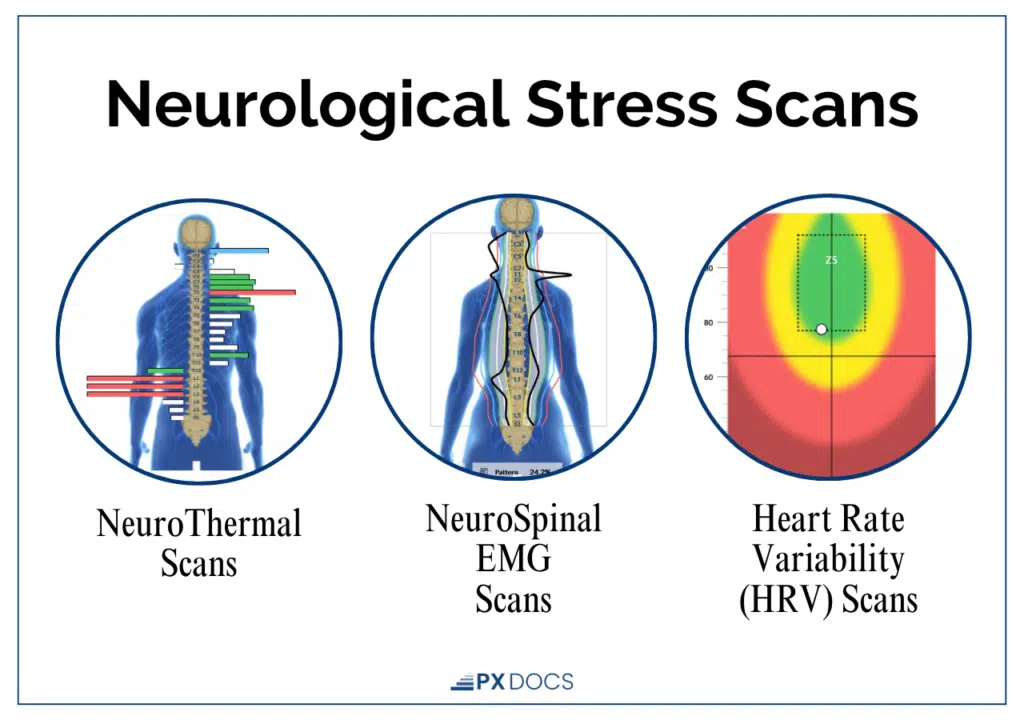
INSiGHT Scanning Disclaimer: INSiGHT scanning technology is used to detect and measure patterns of stress and tension in the spinal muscles and nerves. These scans do not diagnose medical conditions. The information from these scans is used to guide chiropractic care decisions and track progress over time.
These scans provide objective data about what’s actually happening in your child’s nervous system.
2. Address the Neurological Foundation First
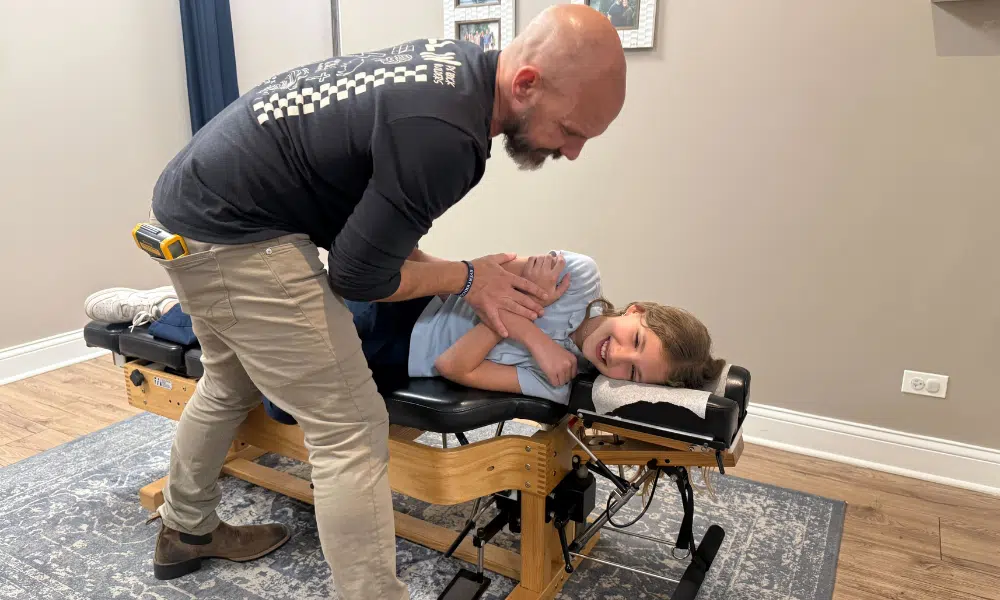
Before diving into GAPS or any other restrictive dietary protocol, consider spending 8-12 weeks addressing nervous system function through specific, gentle chiropractic adjustments. Let the vagus nerve start working. Let the parasympathetic system come back online. Create the foundation for gut healing.
3. Keep Your Approach Simple Initially
While addressing the nervous system, make basic dietary improvements without going full GAPS immediately:
- Eliminate obvious junk (refined sugars, artificial colors, processed foods)
- Add bone broth if possible
- Include probiotic foods if tolerated
- Focus on whole, real foods
- Don’t stress about perfection
As the nervous system heals and gut function improves, you can expand the diet based on your child’s response.
4. Consider GAPS as a Partner, Not a Replacement
If you decide to pursue GAPS after establishing neurological function, it can be a powerful tool. The difference is that now your child’s body can actually execute the healing. The diet works because the nervous system is coordinating the process.
Keep notes on:
- Bowel movements (frequency, consistency)
- Food reactions and sensitivities
- Behavioral patterns
- Sleep quality
- Skin condition
- Energy levels
This data helps you see what’s actually working versus what’s just keeping you busy.
Important GAPS Considerations
If you’re thinking about starting the GAPS diet, here’s what you should understand:
- GAPS Is Extremely Restrictive: The introduction phase, especially, can be incredibly challenging. You’re making everything from scratch; meat stock takes 24+ hours. Fermented foods take days to prepare. Many families find it unsustainable, especially if you have other children or work full-time.
- Success Requires More Than Diet Alone: Every child’s history, stress load, and nervous system are different, so what helps one child may not work the same way for another. Families who see the strongest results with GAPS are often combining it with other supports like occupational therapy, behavioral support, and yes, addressing nervous system function. If you try GAPS in isolation without addressing the neurological foundation, you’re more likely to hit a plateau.
- Work with Professionals: If you decide to pursue GAPS, work with a certified GAPS practitioner and a registered dietitian who understands the protocol. The official GAPS book provides detailed guidance, but having professional support helps ensure you’re meeting your child’s nutritional needs and adjusting the protocol appropriately for their specific situation.
- Watch for Signs of Struggle: If your child is already very restrictive with food, has significant sensory issues around eating, or has a history of eating conditions, GAPS may not be appropriate. The additional restrictions could worsen the relationship with food.
A Balanced Perspective: What GAPS Gets Right
Despite our emphasis on the nervous system foundation, there’s much about the GAPS approach that aligns with what we know about healing:
- Bone Broth Is Valuable: Rich in collagen, gelatin, and amino acids that support gut lining repair. The minerals are easily absorbed. It’s genuinely beneficial.
- Fermented Foods Matter: Probiotics from fermented foods help restore healthy gut bacteria. When the nervous system is working, these beneficial bacteria can colonize and thrive.
- Eliminating Processed Foods Helps: Refined sugars, artificial additives, and processed junk absolutely interfere with gut healing. Removing these is beneficial for anyone.
- Whole Foods Provide Better Nutrition: Real food, quality proteins, healthy fats, and vegetables give your body the building blocks it needs for repair.
- The Gut-Brain Connection Is Real: Dr. Campbell-McBride’s emphasis on this relationship is absolutely correct. The vagus nerve serves as the highway between the gut and the brain, and what happens in one affects the other.
Where GAPS falls short isn’t in what it includes, it’s in what it misses. Without addressing the nervous system dysfunction that’s preventing the gut from functioning in the first place, even the most perfect diet can only take you so far.
Finding a Neurologically-Focused Pediatric Chiropractor
If you’re ready to address your child’s nervous system as the foundation for gut healing, we encourage you to visit our directory to find a PX Docs provider in your area. Our practitioners are specifically trained in pediatric neurodevelopment and use the INSiGHT scanning technology to objectively assess and track nervous system function.
Schedule your consultation and INSiGHT scans to see exactly what’s happening in your child’s nervous system and start building the foundation for real, lasting healing.