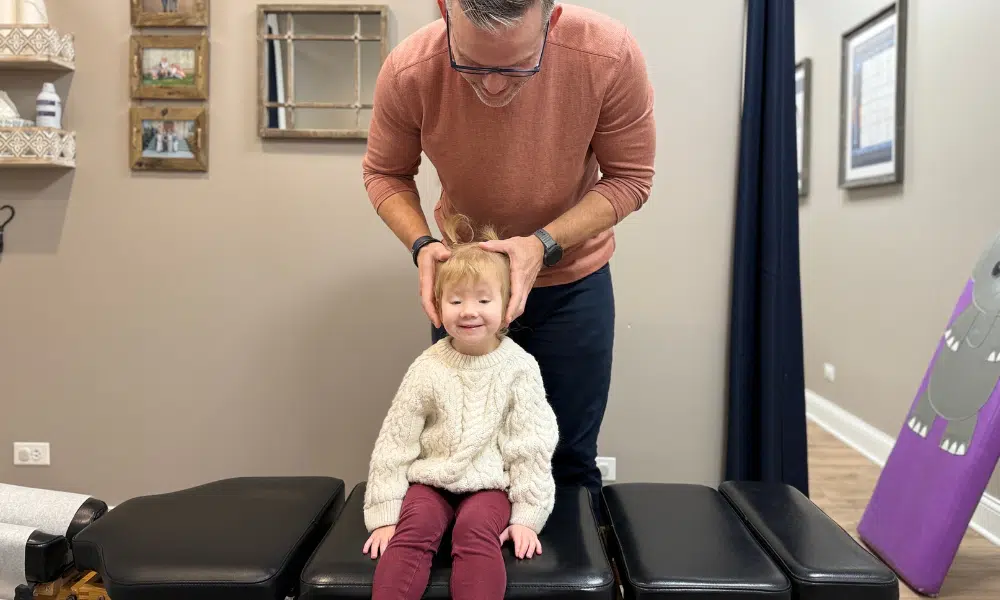

If you’re researching whether ashwagandha is safe for kids, you’re most likely dealing with a child who is struggling with anxiety, poor sleep, or focus issues, and you’ve been searching for natural solutions that actually work.
The short answer? Yes, ashwagandha can be safe for children when used appropriately. But here’s the bigger question most articles won’t ask: Why does your child need ashwagandha in the first place?
Your child’s anxiety or ADHD has a story behind it. In many cases, these challenges develop over time through a pattern of neurological stress that can begin even before birth. Understanding this sequence helps explain why families are often searching for support now. At PX Docs, we refer to this combination of factors as the “Perfect Storm.”
Before we get into safety data and dosing, understand this: supplements work through nervous system pathways. If those pathways are blocked by neurological interference from subluxation and dysautonomia, even the highest-quality ashwagandha won’t work the way you’re hoping.
At PX Docs, we don’t guess about nervous system function—we measure it. This article will walk you through the safety information you’re searching for, while also explaining why some children appear to benefit from ashwagandha, and others don’t—and how supporting the nervous system at the root may remove the need for supplements in the first place.
What Is Ashwagandha?
Ashwagandha (Withania somnifera) is an adaptogenic herb used in traditional Ayurvedic medicine for over 3,000 years. It’s also called “Indian ginseng” or “winter cherry,” though it’s not related to either plant.
The name translates roughly to “smell of horse” in Sanskrit, referring both to the root’s distinct odor and the traditional belief that consuming it would give you the strength and vitality of a horse.
How It Works in the Body
Ashwagandha’s effects come primarily from compounds called withanolides, naturally occurring steroids found in the plant’s roots and leaves. The most relevant mechanism for kids involves the hypothalamic-pituitary-adrenal (HPA) axis.
Here’s the simple version: When your child experiences stress, their brain signals the pituitary gland, which tells the adrenal glands to release cortisol—the primary stress hormone. This is your child’s “gas pedal” getting pressed down.
Ashwagandha appears to help modulate this stress response by reducing cortisol levels and supporting Parasympathetic Nervous System activation—the “brake pedal” that helps your child calm down, sleep, and digest properly.
But here’s what most articles won’t tell you: ashwagandha works through specific pathways in the nervous system. If those pathways aren’t functioning because of neurological interference, the supplement can’t reach its target.
Potential Benefits of Ashwagandha for Kids
Parents typically consider ashwagandha for children dealing with chronic stress, anxiety, sleep issues, or focus problems. Research, mostly in adults, suggests that ashwagandha may help.
Anxiety and Stress Reduction
Multiple studies in adults have found that ashwagandha supplementation reduces anxiety signs and stress markers. A 2019 study of 60 adults taking 240mg daily for 60 days showed significant reductions in anxiety scores and morning cortisol levels compared to placebo.
Research published in the Journal of Clinical Psychopharmacology found participants taking ashwagandha experienced a 44% reduction in stress scores, compared to just 5.5% in the placebo group.
The mechanism? Ashwagandha appears to support GABA (gamma-aminobutyric acid) activity in the brain, the neurotransmitter responsible for calming nervous system activity. It’s helping the brake pedal work.
Sleep Quality and Duration
Ashwagandha can improve sleep quality, reduce the time it takes to fall asleep, and increase total sleep duration.
A 2020 systematic review analyzed five randomized controlled trials and found that ashwagandha improved sleep quality and reduced insomnia symptoms, particularly in those taking 600mg or more for at least 8 weeks.
The sleep benefits likely stem from ashwagandha’s ability to reduce cortisol, which naturally drops at night to support melatonin production and sleep initiation. When cortisol stays elevated (gas pedal stuck), sleep suffers.
Focus, Attention, and Cognitive Function
Some research suggests ashwagandha may enhance cognitive function. A 2024 study found that ashwagandha supplementation enhances aspects of memory, vigilance, attention, and executive function, while reducing feelings of tension and fatigue in healthy, younger individuals.
A 2020 study published in the Journal of Ethnopharmacology gave children with ADHD 225mg of ashwagandha twice daily for four months. The study found improvements in attention, impulse control, and hyperactivity—with no serious adverse effects reported.
Immune System Support
Ashwagandha has demonstrated immunomodulating properties—it helps regulate immune function rather than simply “boosting” it. Studies show it can increase white blood cell counts and enhance the body’s defense against infection.
For kids who are constantly sick with chronic ear infections, recurring colds, and constant congestion, parents wonder if ashwagandha’s immune support could help.
Immune function is directly controlled by the nervous system, particularly through the vagus nerve. If the nervous system is stuck in sympathetic dominance (gas pedal mode), immune function gets suppressed regardless of supplements. The body can’t fight infections when it thinks it’s being chased by a bear.
These benefits sound promising, and for some kids, ashwagandha delivers.
But these benefits depend on one critical factor: your child’s nervous system function.
Ashwagandha works through specific neurological pathways that must be functional for the supplement to have any effect. When subluxation creates neurological interference, it’s like streaming a movie over a broken Wi-Fi connection. The content and device are fine, but the signal can’t get through.
Same with ashwagandha. The supplement and dosage are fine, but if neurological interference blocks the pathways, nothing gets through.
This is why some kids take ashwagandha and feel nothing.
Dosage Guidelines for Children
There are only a few standardized dosage recommendations for ashwagandha in children, because the research just isn’t there yet. What we have are general guidelines based on limited pediatric studies, traditional use, and extrapolation from adult dosing.
Age-Based Dosing Ranges
Ages 8-12:
- Starting dose: 6mg daily
- Maximum studied: 8mg daily (divided doses)
Ages 13-17:
- Starting dose: 150-250mg daily
- Therapeutic range: 300-500mg daily
Under Age 6:
- Not recommended without direct supervision from a healthcare provider familiar with pediatric supplement use
- No safety or efficacy data in this age group
Important Dosing Considerations
- Form and Standardization: Look for products standardized to withanolide content.
- Start Low, Go Slow: Always begin at the lowest dose and increase gradually over 2-3 weeks while monitoring effects and side effects. Find the minimum effective dose.
- Timing Matters: For sleep support, ashwagandha is typically given in the evening. For anxiety or focus support, it’s often split into two doses (morning and afternoon/evening). Some kids do better with a single morning dose to avoid drowsiness.
- Consistency is Key: Ashwagandha doesn’t work immediately. Most studies showing benefits used at least 6-8 weeks of consistent daily use. You’re supporting a gradual shift in stress response.
How to Know If Your Child’s Nervous System Is Ready for Ashwagandha
So how do we know if a child’s nervous system can actually benefit from supplements like ashwagandha?
We measure it.
The nervous system controls how the body digests, absorbs, and responds to support. When it’s stuck in stress mode or dysregulated, even the best supplements can fall flat. That’s why at PX Docs, we don’t guess—we use technology to measure nervous system function and make the invisible visible.
INSiGHT Scanning Technology
At PX Docs, we use INSiGHT scanning technology to objectively assess nervous system function. These FDA-approved scans are completely non-invasive (kids usually think they’re cool), safe for all ages, and provide objective data on where and how the nervous system is stressed.
Nervous system dysregulation may be the very reason your child is struggling—and why you’ve found yourself searching for solutions like ashwagandha in the first place.
INSiGHT Scans include three assessments:
- Heart Rate Variability (HRV): This scan measures the balance between your child’s gas pedal (sympathetic) and brake pedal (parasympathetic). It shows us how adaptable their nervous system is to stress, how well they can shift between states, and whether they have the neurological flexibility to respond to interventions like ashwagandha.
- NeuroThermal Scan: Using infrared technology, this scan measures temperature differences along the neurospinal system that indicate inflammation and nervous system dysfunction. Where there’s subluxation, there’s inflammation. Where there’s inflammation, there’s temperature variance. This scan shows which organ systems are under stress—digestive (common in kids who need anxiety support), immune (kids who are always sick), or neurological (behavior and mood challenges).
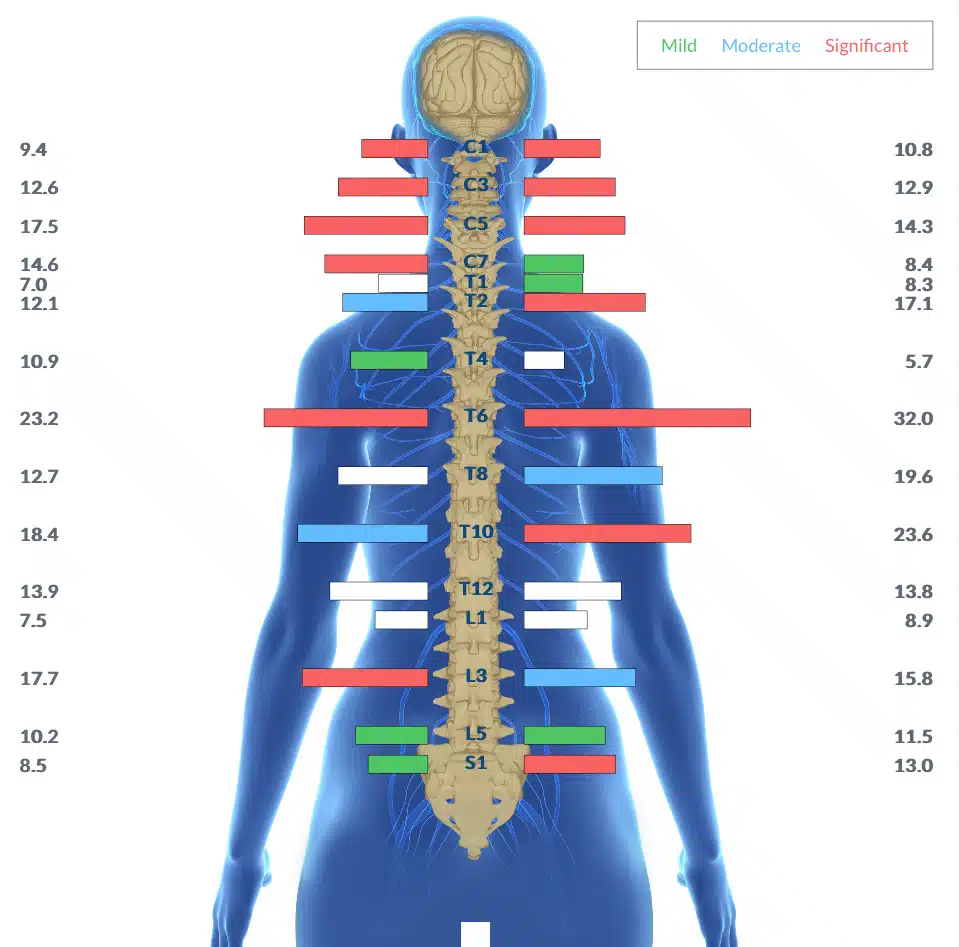
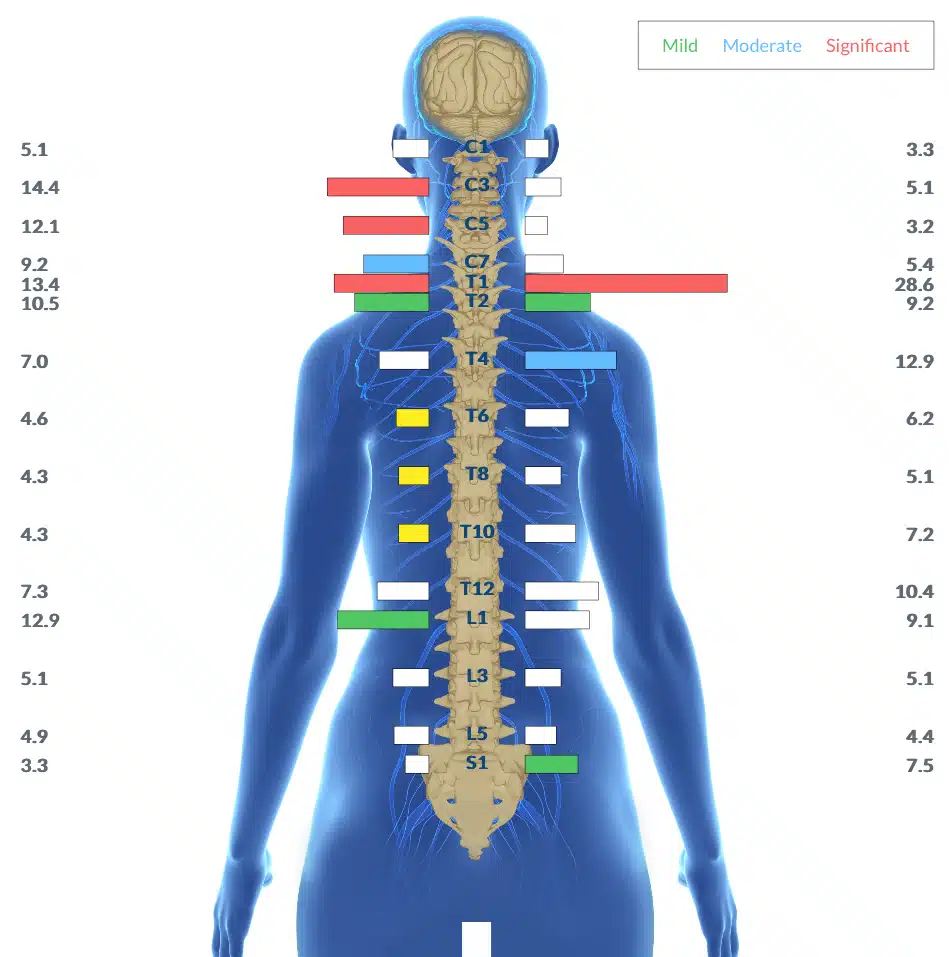
- NeuroSpinal EMG: This scan measures neuromuscular tension and shows how much energy your child uses just to hold their body upright. It’s like checking the battery drain on your phone. Some kids are using 90% of their energy just to exist, sitting still, staying upright—leaving almost nothing for learning, healing, or growing. This chronic neurological tension is a clear marker of sympathetic dominance.
What the Scans Reveal
When we scan kids dealing with anxiety, ADHD, sleep issues, or chronic stress, the exact challenges parents are trying to address with ashwagandha, we tend to see repetitive patterns emerge.
For example, their EMG scans are “lit up like Christmas trees,” showing disorganized, colorful patterns that indicate the nervous system is stuck in a constant stress response. When this stress is centered in areas like the upper neck (vagus nerve) or mid-back, it can especially affect how well the gut functions, making it harder for the body to properly digest, absorb, and use nutrients, even when diet and supplements are in place.
Or they are completely exhausted from being stuck on stress like that for so long, showing a lot of yellow.
Here’s what’s fascinating: these scan patterns can help predict how a child will respond to supplements.
Kids with severely stressed patterns typically don’t respond well to ashwagandha or other supplement protocols alone. Their nervous systems are often too dysregulated to use the supplement effectively.
Kids with milder stress patterns or whose scans have improved after addressing subluxation tend to respond much better to the same supplement at the same dose.
This isn’t guesswork or trial and error. It’s what we see repeatedly when objective scan data is interpreted through the lens of a thorough case history and experienced clinical insight.
Finding Real Solutions for Your Child
If you’re reading this, you may have already tried ashwagandha. You’ve probably tried other supplements, dietary changes, behavior strategies, and maybe even medication.
And you’re still searching because you know there’s something deeper that needs to be addressed.
You’re right.
The answer usually isn’t another supplement to try or another dose to adjust. The answer could likely be addressing the neurological foundation that determines whether any intervention, natural or pharmaceutical, can actually work.
At PX Docs, we help families identify and correct the subluxation and nervous system dysfunction that creates the need for ashwagandha in the first place. We use objective scanning technology to measure what’s actually happening in your child’s nervous system, and we create individualized care plans based on those findings—not guesswork. We encourage you to visit the PX Docs directory to find a provider near you to schedule a comprehensive neurological assessment for your child. See what the scans reveal about their nervous system function, and get answers about why previous interventions haven’t worked the way you hoped.