
If there is one thing parents today want more than ever, it’s simply this – answers.
When they ask the conventional pediatrician what’s really going on with their child and why their health is struggling, they’re so very often met with outdated answers, half-truths, and quite often, flat-out inaccurate explanations.
In stark contrast, when parents sit down for the initial consultation with a Pediatric Chiropractor from our PX Docs Network, they’re shocked to find out not only do we take the time to truly hear them out, but when we answer their questions… we do so with fully clear, scientifically-based, complete answers.
The one thing parents are consistently most shocked and excited to learn about is the science behind what causes subluxation, how simple it is, and how subluxation and nervous system dysregulation can be easily connected to most any childhood health challenge, sign, and symptom.
Parents become excited to finally make sense of why their child has been struggling for so long, and why the traditional medical system has struggled to fully explain things to them. If you don’t get down to the true roots and foundation of the problem, nervous system dysfunction (subluxation), you can’t access the deeper, more complete healing components built within each and every child.
Chronic Health Issues in Kids
With the CDC admitting that 40% of children today struggle with chronic health issues, and other research putting it beyond 45%, it’s time we stop only blaming genetics and gluten and look deeper so that we can do better for our kids.
That’s where the conversation of subluxation comes into play. While this term may not be a household name just yet, it soon will and absolutely should be. In this article, we’re not only going to cover subluxation, but we’re going even deeper, into the exact types of stressors and toxins that trigger subluxation and nervous system dysregulation in the first place.
While we can’t prevent every single type of stressor, sickness, or toxic exposure for our kids, we can understand what happens to their nervous system when they are exposed to too many of these stressors (toxic load theory), and most importantly, exposed to them too early during what are called sensitive or critical periods of development.
A Common Thread, Subluxation
What if there were a common thread underlying many seemingly unrelated conditions? A root cause that, when addressed, could unlock your child’s innate potential for healing and thriving?
That missing piece of the puzzle is often subluxation, a dysfunction within the nervous system that can set the stage for a wide range of both acute and chronic health challenges. While subluxation may not be a term many are familiar with, understanding its role in your child’s well-being could be the key to finally finding the answers you’ve been seeking.
Let’s explore subluxation, its development, and the far-reaching impact it has on your child’s health. We’ll also explore the factors that can lead to subluxation, how it can manifest in various signs and conditions, and how Neurologically-Focused Chiropractic Care can help in ways you may never have considered.
What is Subluxation?
In chiropractic, subluxation refers to a vertebra or spinal joint that has shifted out of its normal alignment and is no longer moving the way it should. Unlike a full dislocation, where bones completely separate and require emergency care, a subluxation is more subtle. The bones are still in contact, but the fixation is enough to interfere with how the nervous system sends and receives signals.
That’s what makes it easy to miss: subluxation doesn’t always cause immediate pain, but the disruption to nerve communication compounds quietly over time
- Misalignment: Altered positioning and alignment within the neurospinal system.
- Fixation & Restricted Motion: Abnormal tension or fixation within these neurospinal segments and regions then leads to reduced range of motion and overall movement.
- Neurological Interference + Dysfunction: The combination of this misalignment and restricted movement (decreased proprioception) disrupts and alters neurosensory input to the brain, leading to interference and imbalance throughout the nervous system.
When spinal subluxation occurs, it can interfere with the proper functioning of the Central and Autonomic Nervous System, which is responsible for controlling and coordinating all the systems in the body. This interference and dysregulation lead to a range of signs and health challenges that may initially seem unrelated, but once explained, parents can easily start to connect the dots.
The key component of subluxation that sets all neurological dysfunction in motion is joint fixation and restriction of movement, known as proprioception. Proprioception is the body’s sense of position and movement. It relies on sensory receptors in the joints, muscles, and connective tissues to communicate with the brain. Subluxation can disrupt this crucial communication, leading to decreased proprioception, increased perception of noxious or stressful stimuli, and altered input to the brain and brainstem (nociception).
It has been said, “motion is life,” and that is absolutely true during the crucial first few years of neurodevelopment. If a developing infant, toddler, or young child has their sensorimotor (movement) input altered even just a little bit, it can lead to all sorts of dysfunction, dysregulation, and “disconnection” within the crucial brain-body communication circuits.
In kids, subluxation more commonly presents as altered sensory input or sensory overload, digestive or immune system dysfunction, and, especially, altered sensory perception and motor input, tone, and coordination. Subluxation plays a major role in the development of both gross and fine motor delays, as well as overall developmental delays and challenges in children.
To summarize, subluxation and nervous system dysfunction negatively affect the following systems most often in a sequential order:
- Motor Tone + Coordination: Every pediatric development expert knows that if gross and fine motor delays set in, then that child is more likely to struggle with brain-based neurosensory challenges of all sorts later in life.
- Digestive Motility + Function: When subluxation is present, it often slows digestive motility, disrupts absorption and assimilation, and limits the gut’s ability to detoxify and eliminate properly, which is now a much bigger deal in the toxic world our kids are growing up in.
- Immune Function + Inflammation: When subluxation sets in, so does sympathetic dominance, leading to a pro-inflammatory and hyper-inflammatory state throughout the entire body, along with general immune system suppression and dysfunction.
Signs of Subluxation in Children
One of the most important things parents need to understand about subluxation symptoms in children is that they often don’t look like what you’d expect. There’s rarely dramatic pain or a visible injury. Instead, signs of subluxation in kids tend to show up as behavioral, developmental, or functional patterns that pediatricians often dismiss as “normal phases.”
Here’s what parents commonly report noticing before a subluxation diagnosis:
- Difficulty latching or breastfeeding as a newborn is often traced back to tension in the upper neck from birth
- Excessive fussiness, colic, or reflux in infants is connected to vagus nerve interference and digestive dysfunction
- Sleep disruption, the nervous system can’t downregulate when stuck in fight-or-flight mode
- Sensory sensitivity or overload, altered proprioceptive input, which changes how the brain processes sensory information
- Developmental delays, motor milestones (sitting, crawling, walking) that are consistently behind
- Recurring ear infections, constipation, or immune challenges, all connected to the Autonomic Nervous System imbalance subluxation creates
- Tension headaches in older kids are often described as pressure building without a clear cause
- Poor posture combined with fatigue, anxiety, or difficulty focusing
The reason these signs feel so scattered is that they’re all downstream effects of nerve interference in the nervous system. Subluxation isn’t a single sign; it’s a root cause that shows up differently in every child, depending on where the interference is and how long it’s been there.
What Causes Subluxation? Understanding The “Perfect Storm”
While subluxation can occur at any age, children are particularly vulnerable to developing this neurological dysfunction due to a combination of factors that we call “The Perfect Storm.” This term describes the cumulative impact of various physical, chemical, and emotional stressors that can overwhelm a child’s developing nervous system, leading to subluxation and subsequent health challenges.
Chiropractic researchers have long described the causes of vertebral subluxation using a framework known as the Three T’s—Trauma, Toxins, and Thoughts. At PX Docs, we’ve expanded this framework specifically for children and call it The “Perfect Storm,” because the timing and layering of these stressors during early development is what makes them particularly damaging to a young nervous system.
Fertility Challenges, Prenatal Stress, and Maternal Health
The “Perfect Storm” often begins before a child is even born, with the mother’s experience of stress and anxiety during both the fertility journey and pregnancy.
Research has shown that prenatal stress can have a significant impact on fetal development, including the development of the nervous system. When a mother experiences chronic stress, her body releases higher levels of stress hormones, such as cortisol, which can cross the placenta and affect the developing fetus. This exposure can alter how the baby’s nervous system develops, making it more susceptible to subluxation and dysregulation later in life.
Birth Interventions and Trauma
The process of birth itself can also contribute to subluxation, particularly when interventions such as forceps, vacuum extraction, induction, or cesarean section are used. These interventions can cause physical strain and trauma to the baby’s delicate nervous system, leading to misalignment and tension in the upper neck and brainstem regions, along with other regions of the neurospinal system from the cranium to the sacrum.
Even in cases of “normal” vaginal delivery, the intense pressure and twisting forces experienced by the baby’s head and neck, particularly from birth canal pressure during prolonged labor, can cause misalignments and nerve interference. This can disrupt the baby’s ability to latch and breastfeed, sleep, and properly digest food, setting the stage for further health challenges. To understand this connection more deeply, see our full article on birth trauma.
Early Childhood Stressors + Toxic Overload
After birth, a variety of common childhood experiences can further contribute to the development of subluxation. These early childhood stressors include:
- Childhood illnesses
- Antibiotic overuse
- The overuse of other medications and medical interventions
- Falls and injuries during playtime
- Sports injuries as children get older
- Poor posture with excessive screen time.
When a child experiences these stressors, their nervous system can become stuck in a state of “fight or flight,” leading to chronic tension and imbalance. This sympathetic dominance can interfere with the child’s ability to rest, digest, and heal, creating a vicious cycle of stress and dysfunction.
Physical Trauma: A Common Cause of Subluxation
While the “Perfect Storm” of early life stressors can set the stage for subluxation, physical trauma is another common cause of this neurological dysfunction. From acute injuries to repetitive strain, physical stressors can lead to misalignment, fixations, and nerve interference.
Acute injuries, such as those sustained during sports, car accidents, or falls, can cause sudden and severe trauma. Even seemingly minor incidents, like a slip on an icy sidewalk or a fender bender, can result in enough force to disrupt the delicate balance of the nervous system.
Just think of how many times your infant and toddler fell over or bumped into something while learning how to sit up, crawl, walk, run, climb stairs, and so forth. Thankfully, God designed our children with all sorts of “pliability” and adaptability to withstand these bumps and bruises, but for many children, certain injuries can be damaging enough, or the accumulation of enough little ones can add up to subluxation and nervous system dysfunction.
Repetitive strain and overuse injuries are another frequent culprit behind subluxation. Many jobs and hobbies involve repetitive motions or prolonged time in awkward positions, which can lead to microtraumas in the neurospinal system over time. For example, a hairstylist who spends hours standing and leaning over clients may develop subluxation in the neck and upper back due to the constant strain on those areas.
For kids, this means sitting in school or at home doing homework, stuck in an uncomfortable desk and chair for long periods, bent forward to read and study. Or worse, doing the same while staring at a smartphone, iPad, computer screen, or TV. The screen time component exacerbates poor posture and physical wear and tear, as all electronic and digital devices introduce EMF radiation toxicity and overload the Sympathetic Nervous System.
Poor posture overall is also a significant contributor to subluxation, particularly in our modern age of smartphones and desk-based jobs. Over time, this can lead to structural changes and imbalances that interfere with proper nervous system function. What we used to see only in teenagers and adults, we now see setting in as early as preschool and kindergarten.
The impact of physical trauma on the neurospinal system can be insidious, slowly accumulating over months or years until symptoms finally appear. That’s why it’s essential to address subluxation proactively, even in the absence of pain or obvious injury.
The Hidden Factors: Toxins and Emotional Stress
While physical trauma and the “Perfect Storm” of early life stressors are well-known contributors to subluxation, there are other, less obvious factors that can also play a significant role. Two of the most important hidden factors are toxins and emotional stress, the second and third of the Three T’s.
In our modern world, we are exposed to an unprecedented number of toxins daily. From the air we breathe and the water we drink to the food we eat and the products we use, harmful chemicals and substances are practically inescapable.
Some of the most common toxins that can disrupt nervous system function include environmental toxins such as air pollution, pesticides, and heavy metals; food additives and preservatives; and medications, particularly antibiotics, when overused or prescribed unnecessarily.
When we are exposed to these toxins, our bodies go into a state of high alert, activating the fight-or-flight response in an attempt to protect us from the perceived threat. Over time, this chronic stress response can lead to muscle tension, altered neurology, and eventually, subluxation.
Emotional stress and trauma can have a similar effect on the body. When we experience prolonged or intense stress, our bodies respond by activating the Sympathetic Nervous System. This can lead to muscle tension, particularly in the neck, shoulders, and upper back, resulting in neurospinal misalignment and subluxation.
Research has also shown that emotional stress and trauma can change the way our brains function, altering the way we process and respond to sensory input. This creates a vicious cycle, where subluxation and nervous system dysfunction make us more susceptible to stress, which in turn exacerbates the subluxation.
Subluxation and Autonomic Dysfunction: A Crucial Connection
One of the most significant ways subluxation can impact health is through its effect on the Autonomic Nervous System (ANS). The ANS controls involuntary functions, such as heart rate, digestion, and immune response, and is regulated in large part by the vagus nerve.
Subluxation, particularly in the upper neck and brainstem region, can lead to vagus nerve dysfunction and dysautonomia, an imbalance in the ANS. When the vagus nerve is not functioning optimally, it can result in a wide range of symptoms and conditions, including:
- Digestive issues like constipation, diarrhea, and reflux
- Chronic inflammation and lowered immunity
- Anxiety, depression, and mood imbalances
- Difficulty with emotional regulation and social engagement.
The vagus nerve plays a crucial role in the body’s “rest and digest” parasympathetic response. When subluxation interferes with this function, it can leave the body stuck in a state of chronic stress and sympathetic dominance. This can have far-reaching effects on gut health, brain function, and overall well-being.
Other Risk Factors for Subluxation
While “The Perfect Storm” of early life stressors, physical trauma, and toxin exposure are common causes of subluxation, there are other risk factors that can contribute to its development. These include joint hypermobility conditions, such as:
- Ehlers-Danlos syndrome can lead to frequent subluxation and joint instability
- Arthritic conditions and degenerative changes in the spine, which can alter normal joint mechanics
- Genetic predispositions may make some individuals more susceptible to developing subluxation.
While these risk factors can increase the likelihood of subluxation, they do not necessarily guarantee its development. Conversely, individuals without these predisposing factors may still develop subluxation due to other stressors and challenges.
Identifying and Addressing Subluxation: The PX Docs Approach
At PX Docs, we recognize the crucial role subluxation plays in the health and well-being of children. That’s why we use state-of-the-art technology and a Neurologically-Focused Approach to identify and address this often-overlooked dysfunction.
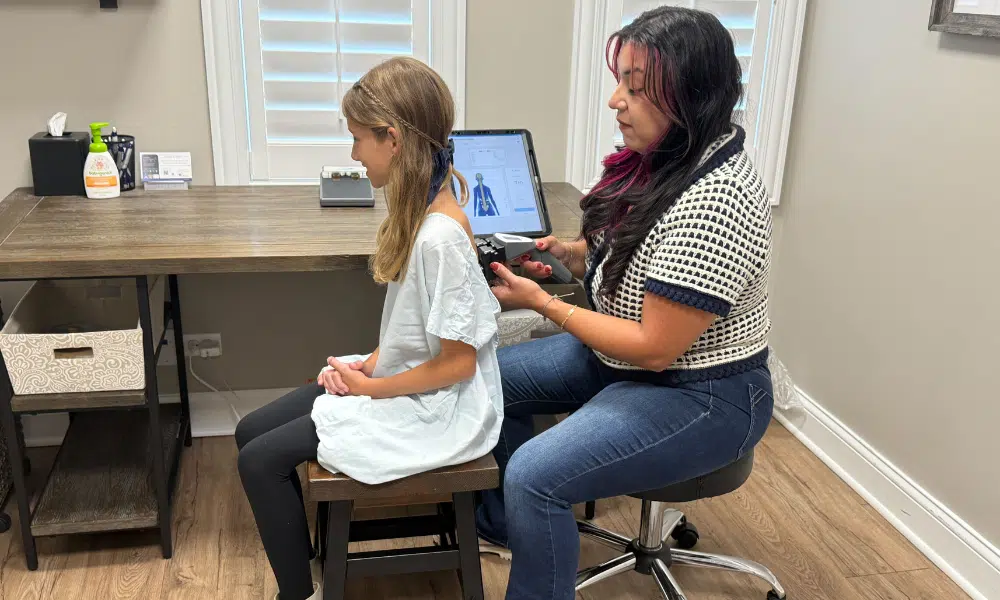
Our practitioners use advanced INSiGHT scanning technology to detect areas of nervous system dysfunction and pinpoint the exact location and nature of subluxation. These scans include:
- Thermal scans, which measure skin temperature patterns to identify areas of autonomic imbalance and dysregulation.
- Surface electromyography (sEMG) scans assess neuro-motor tension and identify areas of nerve interference and dysfunction.
- Heart rate variability (HRV) scans, which evaluate the overall balance and resilience of the Autonomic Nervous System.
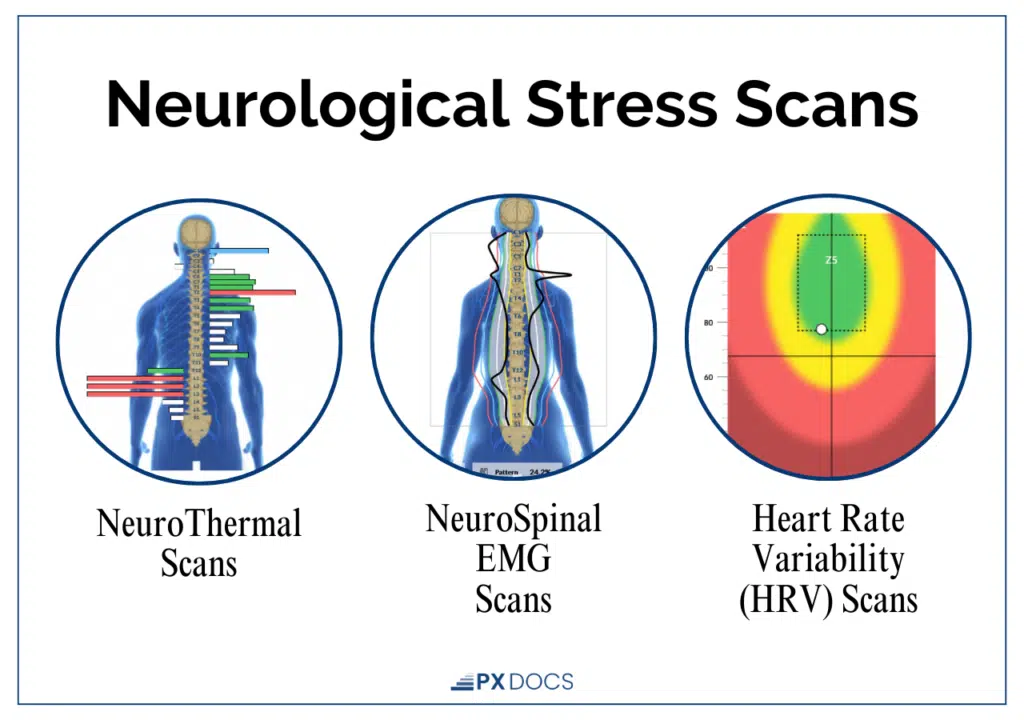
By combining these objective measures with a thorough health history and physical examination, PX Docs practitioners can develop a comprehensive picture of a child’s neurological health and create a customized care plan to address their unique needs.
Our gentle, specific Neuro-Tonal adjustments are designed to restore proper nervous system function, alleviate subluxation, and promote optimal health and development. By addressing the root cause of dysfunction rather than just managing symptoms, we help children unlock their full potential for healing and thriving.
The Power of a Proactive Approach
As a parent, navigating the complexities of your child’s health can feel overwhelming, especially when faced with chronic challenges and a lack of answers from traditional medical approaches. However, by understanding the role subluxation plays in your child’s well-being and seeking Neurologically-Focused Chiropractic Care, you can take a proactive approach to support their healing and resilience.
At PX Docs, we are committed to providing parents with the knowledge, tools, and support they need to make informed decisions about their children’s health. Our network of skilled doctors is dedicated to identifying and addressing the root causes of subluxation, helping children of all ages thrive and reach their full potential.
If you suspect subluxation may be affecting your child’s health, we encourage you to visit the PX Docs directory to find a qualified PX Doc in your area. With a comprehensive, Neurologically-Focused Approach, you can help your child build a strong foundation for lifelong health and well-being.
Remember, you are your child’s greatest advocate and ally on their healing journey. By staying informed, asking questions, and seeking out the care that aligns with your family’s values and goals, you can make a profound difference in your child’s life.