
When a child suddenly begins showing repetitive, involuntary movements or sounds, it can be both alarming and heartbreaking. These episodes—often called anxiety tics—can interrupt their ability to focus in school, connect with friends, or simply feel comfortable in their own body. For parents, witnessing this shift can stir up deep worry and uncertainty. You don’t want to keep bringing attention to it and make things worse, but you also can’t just ignore it and hope it goes away.
You’re not alone in this. Recent studies show that as many as 1 in 5 children will experience some form of tic disorder, and anxiety is one of the most common triggers. Yet despite how common they are, many families find themselves navigating a confusing healthcare system that focuses on managing symptoms instead of uncovering why they appear in the first place.
We understand how overwhelming this journey can feel—and we want you to know there is hope. Every child deserves the chance to thrive free from the constant stress these tics can bring. That’s why we take a different approach: by looking deeper into the neurological roots of anxiety tics and working to restore balance and resilience to the nervous system.
In the article ahead, we’ll help you understand what’s really going on beneath the surface—and empower you with the knowledge, tools, and support you need to help your child find lasting relief and get back to being their vibrant, joyful self.
What are Anxiety Tics?
Anxiety tics are sudden, repetitive, and involuntary movements or vocalizations that occur in response to feelings of stress, worry, or nervousness. These tics can range from mild to severe and may be temporary or persist over time. Children with anxiety tics often have some form of Anxiety Disorder and struggle to control their symptoms, leading to feelings of frustration, embarrassment, and social isolation.
There are two main types of anxiety tics:
- Motor tics: These are repetitive movements that involve specific muscle groups. Examples of motor tics include eye blinking, facial grimacing, head jerking, shoulder shrugging, and arm or leg twitching.
- Vocal tics: These are repetitive sounds or words that are uttered involuntarily. Examples of vocal tics include throat clearing, grunting, sniffing, whistling, and repeating words or phrases (echolalia).
Children with nervous tics may experience a combination of motor and vocal tics, which can vary in frequency and intensity depending on the level of stress or anxiety they are experiencing. A study indicates that stress from family, personal relationships, and school are linked to increased tic severity in children.
Some common anxiety tics examples in children include:
- Sudden, repetitive movements or vocalizations that are difficult to control (sign of Tourette syndrome)
- Tics that worsen during periods of stress, excitement, or fatigue
- Temporary suppression of tics with focused concentration or distraction
- Feelings of tension or discomfort before the tic occurs (premonitory urge)
- Embarrassment, frustration, or self-consciousness about tics
- Avoidance of social situations or activities due to tics
- Difficulty concentrating or completing tasks due to tic-related distractions
The impact of anxiety tics on a child’s life can be significant, affecting their self-esteem, social relationships, and academic performance. Children with tics may face bullying, teasing, or social rejection from peers who don’t understand their condition. They may also struggle to participate in classroom activities or extracurricular pursuits due to the disruptive nature of their symptoms..
As a parent, you often know when something just isn’t right — even before anyone else notices. That gut feeling matters. If you’ve seen subtle shifts in your child and sensed something deeper going on beneath the surface, trust that instinct. You don’t have to wait for things to get worse or for someone else to “see what you see.” The sooner you lean into those instincts and seek answers, the sooner your child can get the support they need.
The Conventional Approach to Anxiety Tics
When children begin showing signs of anxiety tics, the medical system often approaches it through evaluations with pediatricians or mental health professionals. These assessments typically involve reviewing the medical history, conducting a physical examination, and discussing when the tics began and how they’re affecting daily life.
But in most cases, the conventional approach to treating anxiety tics relies heavily on medication. Antipsychotic drugs, such as risperidone and aripiprazole, are commonly prescribed to help reduce the frequency and intensity of tics. However, these medications come with a range of potential side effects, including weight gain, metabolic disturbances, and movement conditions like Tardive Dyskinesia.
So many parents tell us they walk away feeling like there has to be something more going on — an underlying reason their child’s nervous system is struggling in the first place. They want to understand why the tics are happening, not just manage them with medications that come with side effects and don’t address the root cause.
In addition to medication, behavioral therapies are often recommended as part of the conventional approach to anxiety tics. Cognitive-behavioral therapy (CBT) can help children learn coping strategies and relaxation techniques to manage their symptoms. Habit reversal training (HRT) is another common therapy that teaches children to identify and replace tic behaviors with alternative, less disruptive actions.
While these therapies can be helpful for some children, they also often fail to address the underlying neurological factors that contribute to anxiety tics. By focusing solely on management, the conventional approach may provide temporary relief but fail to promote long-term healing and resilience.
We believe that a more comprehensive approach to anxiety tics is needed—one that addresses the root causes of these signs and promotes optimal nervous system function and regulation.
The Neurological Roots of Anxiety Tics
To truly understand anxiety tics and develop effective strategies for managing these symptoms, it’s essential to explore the neurological roots of this condition. At the core of anxiety tics lies a complex interplay between the brain, the nervous system, and the body’s stress response mechanisms.
The nervous system plays a critical role in regulating emotions and behavior. Any nervous system dysregulation or imbalances in this delicate system can contribute to the development of anxiety tics. One of the key factors in this process is subluxation, which refers to excessive stress or tension in the neurospinal system that can interfere with proper nervous system function.
When subluxation occurs, it disrupts and distorts proper proprioceptive and mechanoreceptive (position sense) sensory input into the spinal cord, brainstem, and cerebellum, leading to a wide range of challenges, including anxiety tics. They can cause irritation and inflammation in the surrounding tissues, triggering a stress response that can exacerbate feelings of anxiety and contribute to the onset of tics.
Another critical factor in the neurological roots of anxiety tics is dysautonomia, which refers to an imbalance between the sympathetic and parasympathetic branches of the autonomic nervous system. The sympathetic nervous system is responsible for the body’s “fight or flight” response, while the parasympathetic nervous system promotes relaxation and restoration.
In children with anxiety tics, the sympathetic nervous system may be overactive, leading to a constant state of hyperarousal and stress. This imbalance can make it difficult for the body to regulate emotions and behavior effectively, contributing to the development and persistence of tic signs.
Research has shown that children with tic disorders often have reduced sympathetic tone, which means that their sympathetic system is not functioning optimally. This dysfunction can make it more difficult for the body to regulate stress and anxiety effectively, leading to the onset and persistence of tics.
The vagus nerve, which is a key component of the parasympathetic nervous system, also plays a significant role in the neurological roots of anxiety tics. This long, wandering nerve extends from the brainstem to the abdomen, connecting the brain to various organs and systems throughout the body.
When functioning properly, the vagus nerve helps to promote relaxation, reduce inflammation, and regulate stress responses. However, when the vagus nerve is dysfunctional or impaired, it can contribute to a wide range of signs, including anxiety tics.
Rather than relying solely on medication or behavioral interventions, a Neurologically-Focused Chiropractic approach to anxiety tics seeks to address the underlying imbalances and dysfunction that contribute to these signs, promoting optimal nervous system function and regulation.
The “Perfect Storm” of Factors Contributing to Anxiety Tics
The development of anxiety tics is often the result of what we call a “Perfect Storm” of factors that build up and overwhelm the nervous system. While the exact combination looks different for every child, research and clinical experience have identified several common contributors:
- Prenatal stress and maternal health: Research has shown that children born to mothers who experience high levels of stress, anxiety, or trauma during pregnancy are more likely to develop neurodevelopmental conditions, including anxiety tics
- Birth trauma and interventions: Difficult or assisted births — such as forceps, vacuum extraction, or cesarean deliveries — can place physical stress on a baby’s head, neck, and brainstem that can disrupt healthy nervous system regulation.
- Early childhood stress and adversity: Exposure to chronic stress, emotional trauma, or toxic environments in early life can keep a child’s nervous system stuck in a constant “fight or flight” mode.
- Toxic or inflammatory exposures: Factors such as environmental toxins, chronic inflammation, or certain infections can place additional strain on a child’s developing nervous system.
- Sudden stressful events later in life: Even if these underlying factors have been quietly building, a major stressor — like illness, injury, or emotional trauma — can be the tipping point that pushes the nervous system into a state of overload where tics begin.
These factors can interact and compound over time, creating a snowball effect that overwhelms the nervous system and leads to the development of anxiety tics. Understanding this complex interplay is key to finding care that doesn’t just manage the surface symptoms, but addresses the deeper root causes.
The PX Docs Approach to Addressing Anxiety Tics
At PX Docs, we take a unique, Neurologically-Focused approach to addressing anxiety tics that goes beyond the limitations of conventional medicine. Our approach is not a ‘treatment’ or ‘cure’ but grounded in the understanding that anxiety tics are not simply a behavioral or psychological problem, but a manifestation of underlying neurological imbalances and dysfunction.
The cornerstone of our approach is Neurologically-Focused Chiropractic Care, which is designed to identify and correct subluxation and other neurological imbalances that contribute to anxiety tics. Using advanced diagnostic tools like INSiGHT scans, our doctors are able to pinpoint the specific areas of the nervous system that are stuck on sympathetic stress, allowing us to develop targeted, personalized care plans for each child.
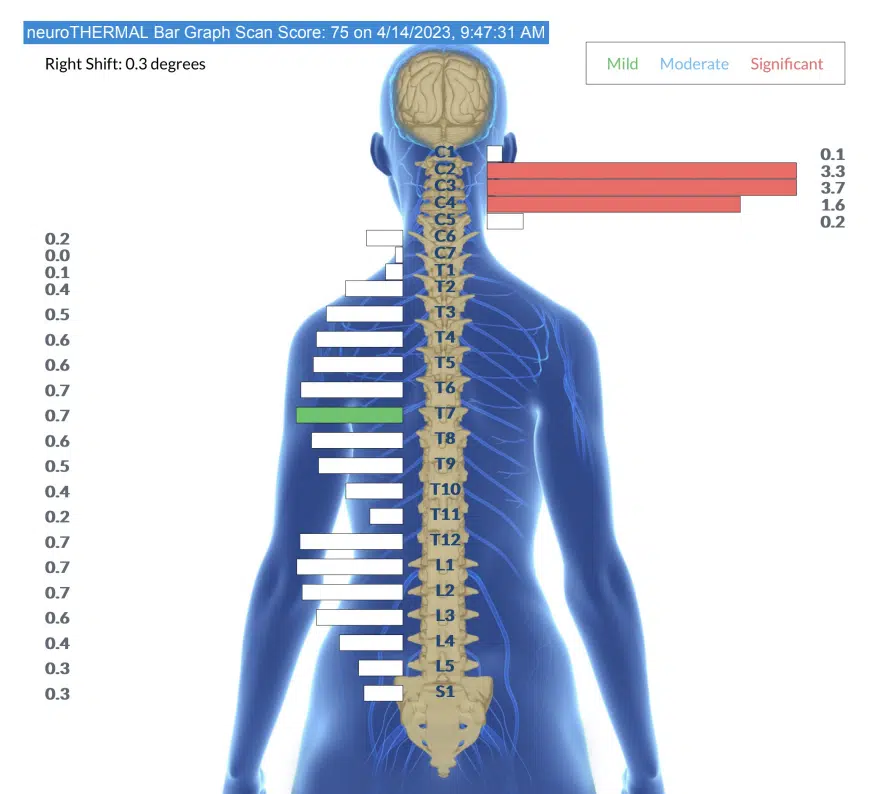
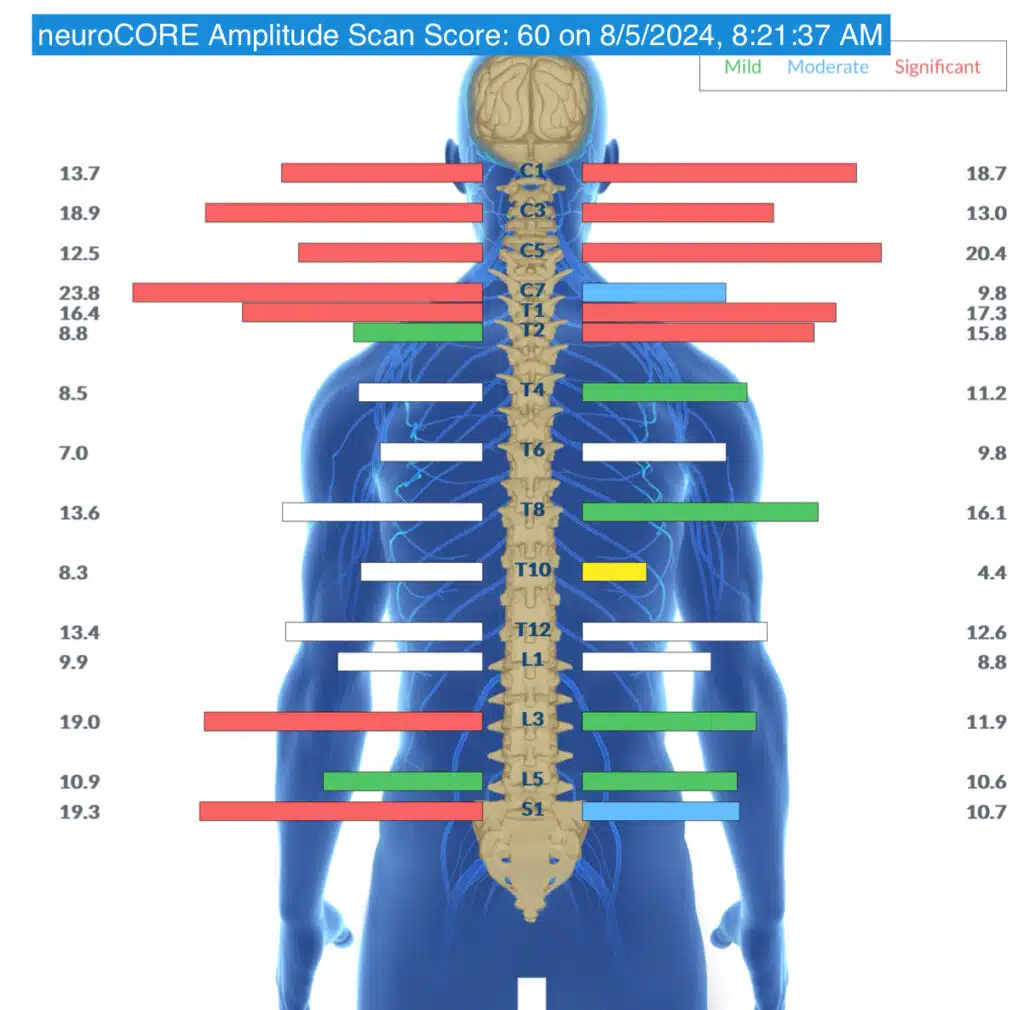
Take Caleb, for example! Caleb’s bright 4th-grade spirit was dimmed by sudden motor tics, mood swings, trouble focusing — and a PANDAS diagnosis on top of it all. After seeing “every specialist under the sun,” trying medications for anxiety and ADHD, and even receiving a Tourette’s label, nothing seemed to help. His grades began to slip, and he felt like a social outcast.
That’s when his family found their local PX Docs office. “From the start, they made us feel heard and gave us hope again,” his mom shared.
Once Caleb began his personalized care plan, things started to shift. His tics began to fade, his mood stabilized, and his grades improved. Today, his mom says his tics are down by 90%, he’s easier to redirect, and he’s engaging better with friends.
By addressing the root causes of anxiety tics and enhancing nervous system function, our approach has helped many children find lasting relief and reach their potential. We’ve witnessed the transformative benefits of Neurologically-Focused Chiropractic Care and are dedicated to sharing our expertise with families facing anxiety, tics, and neurodevelopmental challenges.
Taking the First Step Towards Healing
As you embark on this journey towards healing, remember that you are not alone. We are here to support you every step of the way, offering guidance, encouragement, and a wealth of resources to help you navigate the challenges of nervous tics and other neurodevelopmental conditions.
At PX Docs, a practitioner will take the time to listen to your child’s unique story, understand their challenges and goals, and develop a personalized care plan that addresses the root causes of their symptoms. With the help of advanced diagnostic tools, gentle adjustments, and supportive therapies, your child can begin to experience the benefits of optimal nervous system function and regulation.
If you’re ready to help your child find relief from anxiety tics, visit the PX Docs Directory to connect with a qualified practitioner near you. Our dedicated network of skilled doctors is committed to delivering high-quality care and support to children and families facing neurodevelopmental challenges.
So take that first step today and discover the transformative power of Neurologically-Focused Chiropractic Care. With the right support and care, your child can overcome their challenges, build resilience and confidence, and unlock their full potential. The path to healing starts here, and we are honored to be a part of your journey.