
Do you tuck your child into bed, only to find them wide awake hours later, crying and begging to stay up? They’re terrified of falling asleep, and no amount of reassurance seems to help. This scenario is the reality for many families struggling with somniphobia, a debilitating fear of sleep that affects countless children worldwide.
According to Johns Hopkins Medicine, phobias are relatively common, with an estimated 19 million Americans having one. Somniphobia, however, may be lesser known while still posing health risks to those who have it.
Children with somniphobia may experience panic attacks, heart palpitations, and extreme anxiety at the thought of going to bed, leading to chronic sleep deprivation and a host of physical and mental health challenges.
While conventional approaches to caring for somniphobia rely on medication and therapy, these solutions may only provide temporary relief without addressing the underlying causes of the fear and struggles.
In this article, we’ll explore the causes and signs of somniphobia, the limitations of traditional care plans, and the life-changing potential of Neurologically-Focused Chiropractic Care.
What is Somniphobia?
Somniphobia is a type of specific phobia characterized by an intense and irrational fear of falling asleep. Unlike general sleep disorders in children, which may cause occasional worries or concerns about sleep, somniphobia is a more severe condition that can significantly impact a child’s daily life and overall well-being.
Children with somniphobia may experience a range of signs, including:
- Intense fear or panic when thinking about or attempting to sleep
- Avoidance of bedtime routines or sleep-related situations
- Physical signs such as sweating, trembling, or a rapid heartbeat when faced with the prospect of sleep
- Difficulty concentrating or focusing on tasks due to constant worries about sleep
- Emotional distress, irritability, or mood swings related to lack of sleep
In some cases, children with somniphobia may also have a fear of the dark, a fear of being alone, or a fear of losing control. These associated fears can further exacerbate the anxiety surrounding sleep, making it even more challenging for children to relax and drift off to sleep.
It’s important to note that somniphobia is not a simple case of a child being stubborn or defiant about going to bed. The fear of sleep experienced by children with somniphobia is real and can be overwhelming, often requiring professional help and support to overcome.
Fortunately, by understanding the specific signs and behaviors associated with somniphobia, parents can take the first step towards recognizing the problem and seeking the appropriate care for their child. In the following sections, we’ll explore the potential causes of somniphobia and the impact it can have on a child’s life, as well as the unique approach PX Docs takes to address this challenging condition.
The Impact of Somniphobia on Children and Families
Somniphobia can have a profound impact on a child’s overall health and well-being, affecting not only their sleep but also their physical, mental, and emotional development. When left unaddressed, the long-term effects of somniphobia can be significant and far-reaching.
Some of the potential consequences of unaddressed somniphobia include:
- Chronic sleep deprivation, which can lead to fatigue, difficulty concentrating, and impaired cognitive function
- Weakened immune system, making the child more susceptible to illness and infections
- Increased risk of anxiety, depression, and other mental health conditions
- Strained family relationships and social interactions due to the child’s anxiety and sleep disturbances
- Decreased academic performance and school attendance due to exhaustion and emotional distress
Beyond the impact on the child, somniphobia can also take a toll on the entire family. Parents may experience mental health issues such as increased stress, frustration, and helplessness as they struggle to help their child overcome their fear of sleep. Siblings may also feel neglected or resentful as the family’s attention and energy are focused on managing the child’s somniphobia.
In some cases, families may even resort to unhealthy coping mechanisms, such as allowing the child to sleep in the parents’ bed or providing constant reassurance throughout the night. While these strategies may give temporary relief, they can ultimately reinforce the child’s anxiety and make it more challenging to break the cycle of fear.
The “Perfect Storm” of Causes Leading to a Fear of Sleep
At PX Docs, we understand that sleep difficulties and bedtime anxiety in children are rarely just about behavior or “bad habits.” Often, these challenges arise when the autonomic nervous system becomes stuck in a state of ‘fight or flight,’ keeping the body on high alert.
When this stress response becomes chronic, it can lead to a condition known as dysautonomia—an imbalance within the autonomic nervous system that disrupts the body’s ability to regulate basic functions like sleep, digestion, heart rate, and mood. Instead of smoothly shifting between “fight or flight” and “rest and regulate,” a child’s nervous system stays wired for stress.
When this happens, relaxing, self-regulating, and transitioning into restorative sleep becomes extremely difficult. This often shows up as bedtime anxiety, trouble falling asleep, frequent night wakings, or racing thoughts. It can create a cycle where the nervous system remains overstimulated and the body never fully rests, recovers, or regulates.
For many kids, this nervous system dysregulation doesn’t happen overnight — it builds over time through a combination of stressors early in life that we call The Perfect Storm.
Stressors like birth trauma or interventions can create early physical stress on the brainstem and developing nervous system. Repeated antibiotic use and environmental toxins add chemical stress, while high emotional stress during pregnancy, infancy, or early childhood compounds the load. When these layers of stress accumulate faster than the body can adapt, the nervous system becomes overwhelmed and stuck in a chronic state of imbalance.
By understanding the role of “The Perfect Storm” in the development of sleep challenges and somniphobia, we can begin to approach this condition from a more comprehensive and drug-free perspective. Rather than simply caring for the signs of somniphobia, we can work to identify and address the underlying causes of a fear of falling asleep, supporting the child’s healing processes with natural sleep remedies for long-term health and well-being.
The Conventional Approach to Caring For Somniphobia
When faced with a child struggling with somniphobia, many parents turn to conventional care options, such as therapy and medication. While these approaches can provide some relief, they can also fail to address the underlying causes of the fear and may come with significant limitations and side effects.
Cognitive-behavioral therapy (CBT) is standard care for somniphobia, focusing on identifying and changing negative thought patterns and behaviors related to sleep. While CBT can be effective for some children, it may not be sufficient for those with more severe cases of somniphobia or those with underlying nervous system dysregulation.
Medications, such as sedatives or anti-anxiety drugs, are sometimes prescribed to help children relax and fall asleep. However, these medications can have undesirable side effects, such as daytime drowsiness, dizziness, nausea, and impaired cognitive function. Additionally, long-term use of sleep medications can lead to dependence and may not address the root causes of somniphobia.
The PX Docs Solution of Neurologically-Focused Chiropractic Care
At PX Docs, we believe that the key to overcoming somniphobia lies in addressing the underlying nervous system dysfunction that often contributes to this debilitating fear. Our approach centers on Neurologically-Focused Chiropractic Care, a safe and drug-free method of repairing and regulating nervous system function.
We understand that somniphobia is complex, and while there’s no single solution, supporting the nervous system is often a crucial step. Neurologically-Focused Chiropractic Care helps calm and regulate the body, giving children the stability they need to begin truly resting and recovering.
It’s important to note that Neurologically-Focused Chiropractic Care is not a treatment or cure for somniphobia. Instead, it supports the body by improving communication within the nervous system and helping restore balance between the sympathetic and parasympathetic responses. By addressing underlying dysregulation, many children experience improved adaptability, calmer sleep patterns, and better overall emotional regulation, creating a stronger foundation for healing.
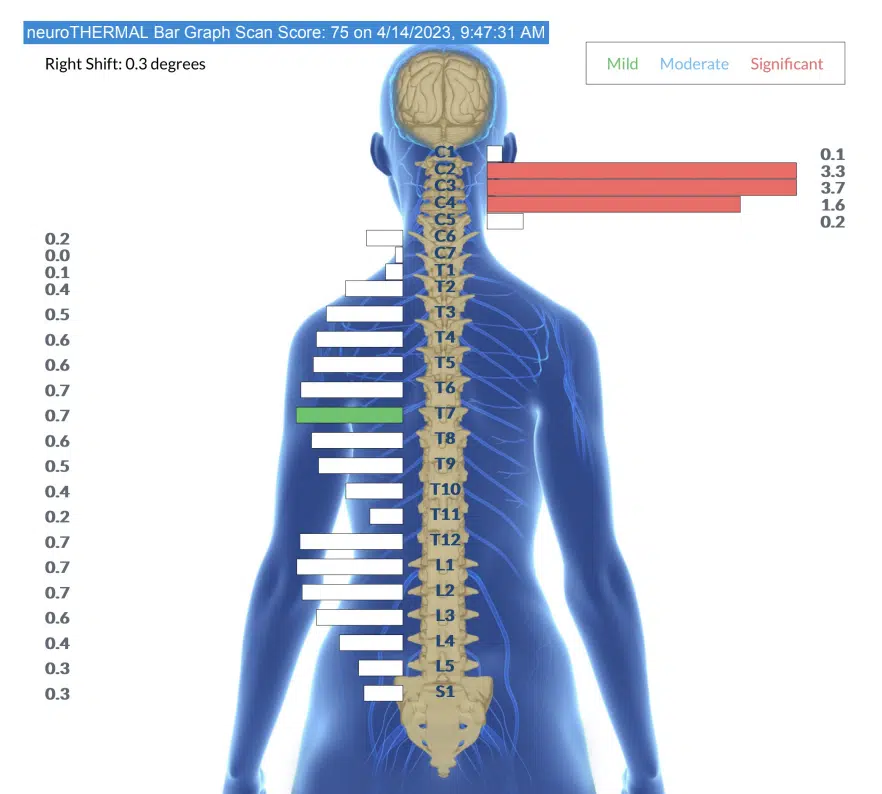
Through advanced diagnostic tools, such as the INSiGHT Scans, our trained practitioners can identify areas of subluxation and nervous system interference that may contribute to a child’s somniphobia. By identifying and correcting these misalignments, we can help restore proper nervous system regulation, reduce anxiety, and promote more restful, restorative sleep.
Reclaiming Control Over the Fear of Falling Asleep
If you suspect that your child may be struggling with somniphobia, it’s essential to trust your instincts and seek help from a qualified healthcare provider. The first step in your journey toward healing is to find a PX Docs practitioner specializing in Neurologically-Focused Chiropractic Care for children.
During your initial consultation, your PX Docs practitioner will take a comprehensive health history, perform a thorough physical examination, and use advanced diagnostic tools to assess your child’s nervous system function. Based on their findings, they will develop a personalized care plan designed to address the specific needs and challenges for your child.
In addition to chiropractic care, there are several steps you can take at home to create a supportive sleep environment and promote healthy sleep habits for your child:
- Establish a consistent bedtime routine that includes calming activities, such as reading or taking a warm bath
- Create a cool, dark, and quiet sleep space free from electronic distractions
- Encourage regular exercise and outdoor play during the day to promote natural fatigue
- Limit caffeine and sugar intake, especially in the hours leading up to bedtime
- Practice relaxation techniques, such as deep breathing or progressive muscle relaxation, to help your child unwind and manage anxiety
When families work alongside a PX Doc and create a calm, regulated home environment, it helps support the child’s nervous system in moving toward better balance and adaptability. This combination can open the door for more restful nights and a greater sense of ease for the whole family.
A Brighter Future for Children with Somniphobia
Somniphobia can be a frightening and isolating experience for children and their families, but it’s important to remember that there is hope. By understanding the root causes of this debilitating fear and seeking the guidance of a Neurologically-Focused Chiropractor, you can help your child break free from the cycle of anxiety and sleep deprivation.
At PX Docs, we are committed to empowering families with the knowledge, tools, and support they need to overcome somniphobia and reclaim the restful, recharging sleep essential for optimal health and well-being.
Our drug-free approach to care focuses on identifying and addressing the underlying nervous system dysfunction that often contributes to this condition, helping children develop healthier sleep habits.
If you’re ready to take the first step towards reclaiming peace for your child, we invite you to visit our PX Docs directory and find a PX Doc near you. With proper support and guidance, your child can overcome sleep challenges and embrace a brighter, more well-rested future.