
If your child struggles with coordination, sensory overwhelm, or motor skills that should come naturally, the answer might lie in how their Somatic Nervous System developed, and whether there’s been interference along the way.
At PX Docs, we look at the Somatic Nervous System differently than traditional medicine. We’ll show you not just what this system does, but why it sometimes doesn’t work properly, and what you can do to help.
What Is the Somatic Nervous System?
The Somatic Nervous System is a component of your child’s peripheral nervous system. All the nerves outside the brain and spinal cord. It handles everything your child consciously decides to do, from wiggling their toes to writing their name.
It has two main jobs:
- Sensory Input: Receptors throughout your child’s body detect temperature, texture, sound, taste, and touch. Sensory neurons carry that information to the spinal cord and brain.
- Motor Control: The brain sends instructions through motor neurons to skeletal muscles, controlling voluntary movement.
Unlike the Autonomic Nervous System (which runs automatic functions like heart rate), the somatic system manages movements and sensations your child can control.
Here’s what doctors don’t emphasize: this system develops throughout childhood. When there’s been interference early on, you’ll see developmental delays, coordination struggles, and sensory challenges that conventional medicine often dismisses as “just how your child is.”
How the Somatic Nervous System Works
Your child’s Somatic Nervous System maintains a constant conversation between the body and the brain. Understanding this process helps explain why disruptions at any point along the pathway cause problems.
- Detection: Sensory receptors throughout your child’s body—in the skin, muscles, joints, ears, nose, and tongue—notice changes in the environment. When your child touches something hot, specialized nerve endings called nociceptors detect that potentially harmful stimulus.
- Signal Creation: Those receptors convert the physical stimulus into electrical signals. These travel through sensory neurons, whose cell bodies are clustered in structures called dorsal root ganglia, right next to the spinal cord.
- Spinal Transmission: The sensory signals enter the spinal cord through the dorsal (back) part of each spinal nerve. These signals travel up specific tracts to the brain, crossing to the opposite side along the way.
- Brain Processing: Different brain areas process different information. The thalamus acts as a relay station, sending sensory information to the right parts of the cerebral cortex. This is where your child becomes consciously aware of what they’re touching, hearing, or tasting.
- Motor Response: Once the brain interprets the input, the primary motor cortex sends instructions through motor neurons. These signals travel down the corticospinal tract through the spinal cord, exit through the ventral (front) part of the spinal nerves, and head to specific muscle groups.
- Muscle Action: At the neuromuscular junction, motor neurons release acetylcholine, which binds to muscle receptors and triggers contraction. This is how your child pulls their hand away from something hot.
This entire process happens in fractions of a second, but only when there’s no interference.
We’ve seen that subluxation disrupts this signal flow. Subluxation occurs when neurological interference within the neurospinal system disrupts the brain’s ability to properly activate and coordinate muscle tone and movement. The result? Delayed responses, poor coordination, sensory processing issues, and motor skill challenges that frustrate both kids and parents.
Somatic vs. Autonomic: Why Both Matter
The Autonomic Nervous System controls the automatic functions that keep your child alive and stable—heart rate, breathing, digestion, and the stress response. The somatic nervous system, on the other hand, controls voluntary movement—balance, coordination, posture, and fine motor skills like writing or buttoning a shirt.
While they have different roles, they constantly influence one another. The brain doesn’t separate “movement” from “stress.” It integrates everything.
When a child’s nervous system is stuck in sympathetic overdrive, often called dysautonomia, the effects go far beyond emotions. Chronic fight-or-flight changes muscle tone, coordination, and body awareness. These kids may experience:
- Shaky or clumsy movements
- Poor posture or core stability
- Sensory overwhelm
- Difficulty learning new motor skills
- Trouble sitting still or focusing
This happens because the brain prioritizes survival over skill development. If the nervous system perceives stress or threat, energy is directed toward protection—not precision, balance, or learning.
That’s why improving overall nervous system regulation can dramatically shift outcomes. When the body feels safe, the brain can shift out of survival mode and into growth, coordination, and learning mode, allowing both the autonomic and somatic systems to function as they were designed.
Key Structures Building the Somatic Nervous System
Your child’s Somatic Nervous System is made up of specific structures that work together to create every movement and sensation.
Cranial Nerves
Twelve pairs of cranial nerves emerge directly from the brain stem, and eleven are part of the somatic system. These control:
- Facial movements and expressions
- Chewing and swallowing
- Eye movements and focus
- Hearing and balance
- Taste and smell (partially)
- Tongue movement
- Head and neck movements
One cranial nerve deserves special attention: the vagus nerve (cranial nerve X). While primarily part of the Autonomic Nervous System, it also has somatic components that affect swallowing, speech, and throat sensation. When kids struggle with speech clarity, difficulty swallowing, or frequent gagging, vagus nerve dysfunction is often involved.
Spinal Nerves
Thirty-one pairs of spinal nerves branch from the spinal cord:
- 8 cervical nerves (neck region)
- 12 thoracic nerves (mid-back region)
- 5 lumbar nerves (lower back region)
- 5 sacral nerves (pelvis region)
- 1 coccygeal nerve (tailbone region)
Each spinal nerve has both a sensory root (dorsal) and a motor root (ventral) that merge before branching out to specific body regions. This is why problems at one spinal level cause both sensation and movement issues in the same area.
Neurons
Two main types make up this system:
- Sensory Neurons: These carry information from receptors toward the central nervous system. They have specialized structures to detect different stimuli—mechanoreceptors for touch, thermoreceptors for temperature, nociceptors for pain, and proprioceptors for body position.
- Motor Neurons: These carry commands from the central nervous system to skeletal muscles. Upper motor neurons in the brain send signals to lower motor neurons in the spinal cord, which connect directly to muscles.
Reflex Arcs
Not every action needs to go to the brain for processing. Reflex arcs allow instant protective responses, like jerking your hand away from something hot before you even feel pain consciously.
In infants, primitive reflexes such as the Moro reflex (startle response) and the rooting reflex should integrate as the nervous system matures. When these reflexes don’t integrate properly—something we see frequently in kids with birth trauma—it creates ongoing challenges with movement coordination, balance, and sensory processing.
The “Perfect Storm” Affecting Development
Your child’s Somatic Nervous System doesn’t develop in a vacuum. Multiple factors shape how well it forms and functions, and many start before birth.
At PX Docs, we talk about the “Perfect Storm,” an accumulation of stressors that build on each other.
Prenatal Stress: The foundation for your child’s nervous system gets laid during pregnancy. Preconception and prenatal stress don’t just affect mom; they directly impact the developing fetus’s nervous system.
Research shows that when expecting mothers experience chronic stress, elevated cortisol levels can cross the placenta and can alter fetal brain development. This affects how sensory and motor neurons form their initial connections.
Common sources include:
- High levels of work or family stress
- Anxiety or depression during pregnancy
- Physical trauma or accidents
- Medical complications requiring intervention
- Environmental toxins
Birth Trauma & Intervention: The birth process creates enormous mechanical stress on a baby’s spine and nervous system. While most babies handle this relatively well, interventions and complications create significant problems.
Birth trauma affecting the Somatic Nervous System includes:
- Prolonged labor (more than 12-18 hours)
- Very fast delivery (less than 3 hours)
- Forceps or vacuum extraction
- C-section delivery
- Shoulder dystocia
- Induction
- Cord-wrapping
- Strong manual assistance
- Abnormal positioning in the birth canal
These events can cause subluxation in the upper cervical spine (neck), where critical nerve pathways exit the skull and spinal cord. Even subtle misalignments here can interfere with signals traveling between the brain and the body.
We see this clinically all the time. Babies who experienced difficult births often struggle with nursing, have poor head control, show asymmetrical movement patterns, and develop motor delays.
Early Childhood Stressors: After birth, additional stressors continue impacting nervous system development and contributing to subluxation:
Physical Stressors:
- Limited movement and “container” overuse (car seats, swings, bouncers)
- Lack of tummy time and floor play
- Falls and accidents (especially head injuries)
- Poor posture from excessive screen time
Chemical Stressors:
- Food sensitivities and allergies
- Antibiotic use disrupting the gut-brain connection
- Environmental toxins
- Nutritional deficiencies
Emotional Stressors:
- Family stress and parental anxiety
- Changes in routine or environment
- Lack of adequate sleep
- Sensory overwhelm in modern environments
Each stressor adds to the total load on a developing nervous system. When that load becomes too great, the system shifts into chronic dysautonomia, and the Somatic Nervous System can’t develop properly.
Signs Your Child’s Somatic Nervous System Isn’t Working Right
When this system is dysregulated, it shows up in specific, observable ways that affect daily life.
Sensory Processing Challenges:
Tactile Issues:
- Extreme sensitivity to clothing textures, tags, or seams
- Avoiding getting hands messy (refusing finger painting, playing in sand)
- Disliking being touched or hugged
- Not noticing when face or hands are dirty
- Seeking out intense touch or pressure
Auditory Issues:
- Covering ears in noisy environments
- Getting overwhelmed by background noise
- Difficulty filtering out irrelevant sounds to focus
- Delayed response to their name being called
Oral Sensory Issues:
- Extreme pickiness about food textures
- Gagging easily with certain foods
- Preference for bland or very strong flavors
- Constant chewing on objects or clothing
Motor Coordination Issues:
Gross Motor Challenges:
- Delayed walking or running
- Frequent falls and trips
- Difficulty with activities like jumping, hopping, or skipping
- Poor ball skills (can’t catch or throw accurately)
- Struggles with riding a bike or scooter
- Appearing “clumsy” or accident-prone
Fine Motor Challenges:
- Delayed development of pincer grasp
- Difficulty with buttons, zippers, or snaps
- Poor handwriting or grip on pencil
- Struggles with scissors and other tools
- Messy eating with utensils
- Taking much longer to complete fine motor tasks
Body Awareness Problems:
Kids with poor proprioception often show these patterns:
- Constantly bumping into walls, furniture, or people
- Standing too close to others (invading personal space)
- Difficulty judging how much force to use (breaking toys, hurting others unintentionally)
- Poor posture and body positioning
- Frequently falling out of chairs
- Seeking out intense physical input (crashing, jumping, rough play)
- No sense of danger (climbing too high, running into traffic)
Developmental Red Flags:
Certain patterns should prompt immediate attention:
- Missing multiple motor milestones
- Losing skills they previously had
- Significant difference in development between the two sides of the body
- Persistent toe-walking after age 2
- W-sitting (sitting with legs in a “W” shape)
- Retained primitive reflexes past expected integration times
- Poor eye contact and visual tracking
If you’re seeing several of these signs, your child isn’t just “behind” or going through a phase. There’s likely real interference in how their Somatic Nervous System is developing and functioning.
Related Conditions
Sensory Processing Disorder: SPD affects approximately 1 in 6 children and results from how the Somatic Nervous System processes sensory input. When sensory neurons don’t transmit clear signals, often due to subluxation, the brain can’t make sense of incoming information.
Developmental Coordination Disorder: DCD affects 5-6% of school-age children. The conventional view cares for this as a disorder kids “just have.” The PX Docs perspective asks: what’s interfering with signal transmission? Often, we find subluxation affecting brainstem function.
The Neurologically-Focused Approach
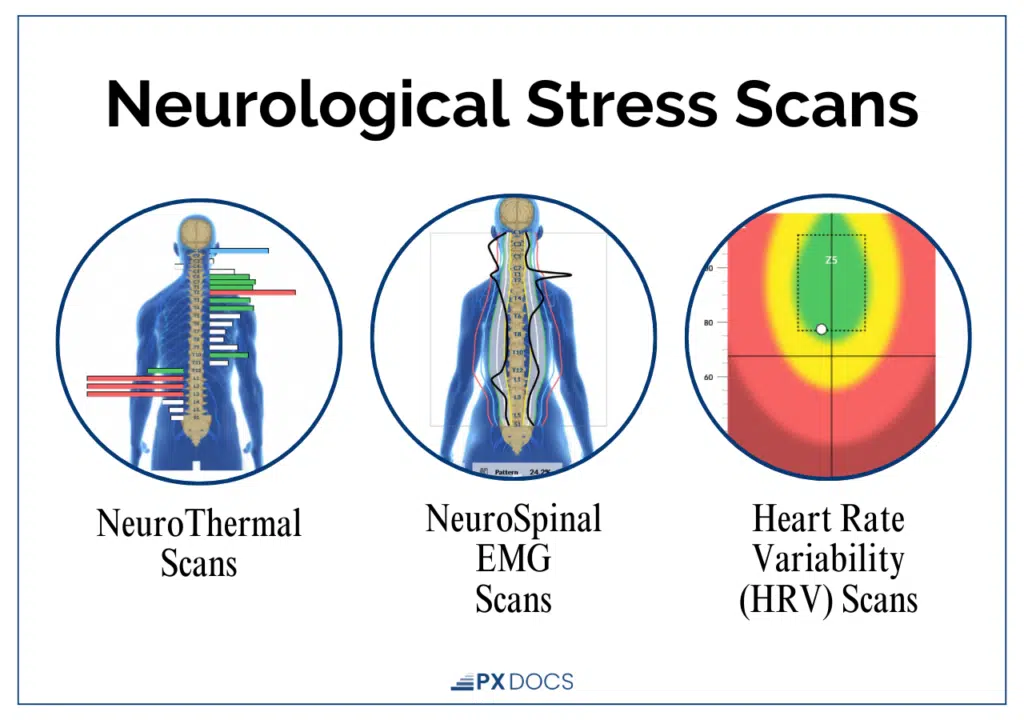
Instead of treating symptoms individually, we address the root cause: nervous system dysfunction. We use objective measurements, INSiGHT scans, to identify where subluxation creates interference:
- Heart Rate Variability measures the nervous system’s adaptability
- Surface EMG detects muscle tension patterns showing nerve interference
- Thermal scanning identifies inflammation and autonomic dysfunction
These give us measurable baseline data and allow us to track progress objectively.
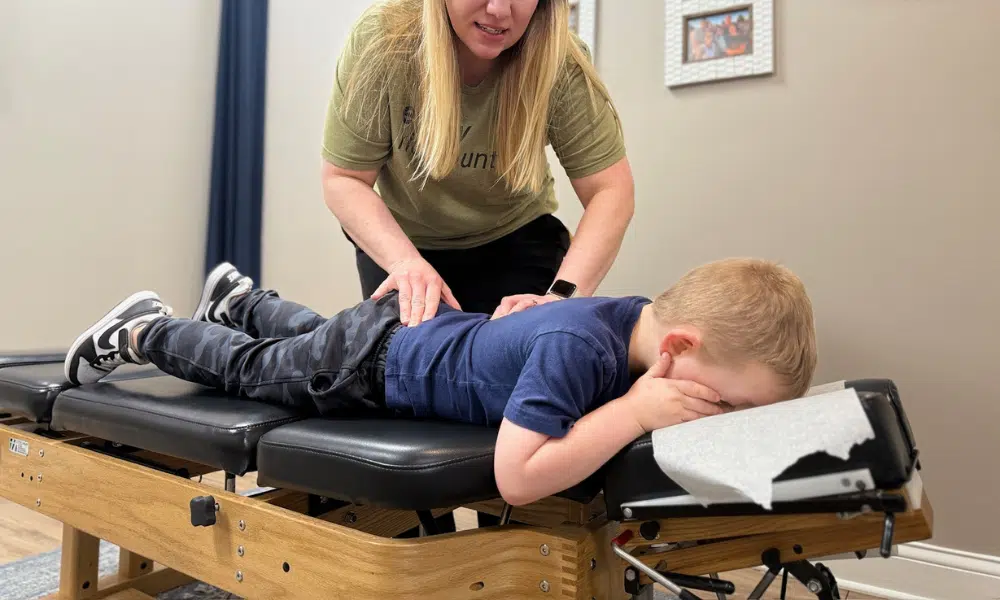
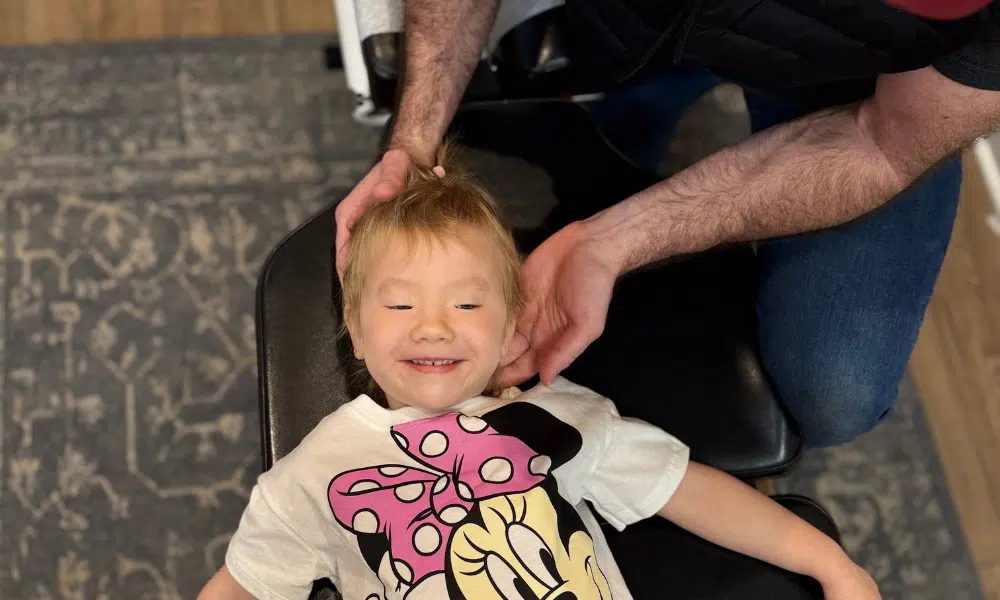
Pediatric adjustments use gentle pressure to remove interference and restore nerve function. We focus on areas critical for somatic function:
- Upper cervical spine (brainstem, vagus nerve, proprioception)
- Mid-cervical (arm and hand function)
- Thoracic (core stability, posture)
- Lumbar and sacral (leg function, balance)
These changes happen because the Somatic Nervous System can finally do its job properly.
Taking the Next Step
If you’ve recognized your child in this article, there is hope. The Somatic Nervous System is incredibly responsive when we address the root cause of dysfunction.
Your child’s struggles aren’t a character flaw. They’re pointing to real nervous system interference that needs real intervention.
The PX Docs approach offers what conventional medicine can’t: a way to identify and address the neurological interference holding your child back from reaching their full potential. We encourage you to visit our directory, search for a PX Docs provider near you, and schedule an initial assessment. Understanding what’s really going on with your child’s nervous system changes everything.