

It’s late, sleep still isn’t happening, and the search for answers keeps leading back to the same question: could magnesium help your child sleep? You’ve already tried routines, melatonin, and environmental fixes; this just feels like the next possible option.
Magnesium does play a fundamental role in sleep. It helps regulate calming neurotransmitters, supports melatonin production, and relaxes muscles. But research in children is limited, and results are inconsistent. Some families see noticeable improvements, while others see little to no change.
The reason isn’t willpower or dosage, it’s nervous system regulation. Magnesium can support sleep, but only when a child’s nervous system can respond to it. And in many cases, children may not need to supplement with magnesium at all—because their sleep difficulties aren’t caused by a nutrient deficiency but by an overstimulated or dysregulated nervous system.
This article breaks down the science, safety, and guidelines around magnesium, and explains why nervous system health, often shaped by early life stress, matters more than any supplement alone.
What Is Magnesium and Why Does It Matter for Kids?
Magnesium is the fourth most abundant mineral in the human body. Your child’s body can’t produce it—every bit must come from food or supplements. It’s constantly being utilized in over 300 enzymatic reactions throughout the body.
Critical functions include:
- Bone development. About 60% of your child’s magnesium is stored in their bones, working alongside calcium and vitamin D to build a strong skeletal structure.
- Muscle function. Magnesium acts as a natural muscle relaxer, helping muscles contract when needed, then release. Without adequate magnesium, muscles can stay tense or cramp.
- Nerve transmission. Magnesium helps nerve cells communicate by regulating signals along nerve pathways. This role in nerve transmission becomes especially important when we understand how the nervous system coordinates everything from sleep to digestion to behavior.
- Energy production. Every cell produces energy through ATP (adenosine triphosphate). Magnesium must be attached to ATP for the body to use that energy.
When magnesium levels drop, multiple systems begin to struggle at once.
How Magnesium Influences Sleep in Children
The relationship between magnesium and sleep quality centers on neurotransmitters—the chemical messengers that tell your brain when to wake up and when to wind down.
GABA (gamma-aminobutyric acid) is your brain’s primary calming neurotransmitter. It slows nerve activity and helps the brain transition to sleep mode. Magnesium helps GABA bind to its receptors more effectively, turning up the volume on the brain’s “calm down” signals.
Glutamate is GABA’s opposite—an excitatory neurotransmitter that keeps the brain alert. Too much glutamate activity at night prevents sleep. Magnesium helps regulate glutamate, preventing overstimulation.
Magnesium also supports melatonin production, the hormone that signals it’s time for sleep. And it blocks calcium from entering muscle cells, allowing muscle relaxation.
Here’s the key: magnesium helps the nervous system shift from “fight-or-flight” to “rest-and-digest” mode—but only if the nervous system can receive and respond to those signals.
What the Research Shows (and Doesn’t Show)
Studies on magnesium for sleep in children are limited. Most research has been conducted in adults. The adult research is promising—studies suggest magnesium may support better sleep quality, faster sleep onset, and improved duration. The mechanism makes physiological sense.
But pediatric studies are sparse. There isn’t robust clinical trial data specifically examining magnesium supplements for sleep problems in healthy children. Many practitioners recommend magnesium for children’s sleep based on adult research, known physiological mechanisms, and clinical experience.
Results vary—which we’ll explore next.
How Much Magnesium Do Kids Need?
The Recommended Daily Allowance (RDA) for magnesium:
Infants 0-6 months: 30 mg daily
Infants 7-12 months: 75 mg daily
Toddlers 1-3 years: 80 mg daily
Children 4-8 years: 130 mg daily
Children 9-13 years: 240 mg daily
Teen boys 14-18 years: 410 mg daily
Teen girls 14-18 years: 360 mg daily
It’s nearly impossible to get too much magnesium from food; your kidneys filter excess efficiently. Supplements are different. The upper tolerable limit from supplements:
Children 1-3 years: 65 mg
Children 4-8 years: 110 mg
Children 9-18 years: 350 mg
The most common side effect of excessive supplementation is diarrhea. Children with kidney problems may not eliminate excess magnesium properly—consult a qualified healthcare professional familiar with your child’s health before use.
Getting Magnesium Through Diet
Food should be the foundation. Top magnesium sources:
- Leafy greens: Spinach (18 mg/ ½ cup cooked), Swiss chard (150 mg/cup), kale (23 mg/cup)
- Nuts and seeds: Pumpkin seeds (156 mg/oz), almonds (80 mg/oz), cashews (74 mg/oz), peanut butter (49 mg/2 tbsp)
- Whole grains: Quinoa (118 mg/cup), brown rice (84 mg/cup), oatmeal (36 mg/packet)
- Legumes: Black beans (120 mg/cup), chickpeas (78 mg/cup), lentils (71 mg/cup)
- Other sources: Avocado (44 mg/cup), bananas (32 mg), dark chocolate (64 mg/oz), yogurt (42 mg/cup)
For picky eaters:
- Blend spinach into fruit smoothies
- Mix finely chopped greens into pasta sauce
- Spread nut butter on apple slices
- Start whole grains with 50/50 blends (half white, half brown rice)
- Roast chickpeas with cinnamon and sugar for crunchy snacks
A nutrient-dense diet supports nervous system health—magnesium is just one piece of that foundation.
When to Consider Magnesium Supplements
Types of Magnesium
- Magnesium glycinate is generally best for sleep. It’s highly absorbable, gentle on the stomach, and most effective for nervous system support. More expensive but recommended when sleep is the primary goal.
- Magnesium citrate is well absorbed and more affordable, but it can cause laxative effects. Good for kids with both sleep and constipation issues.
- Magnesium oxide has poor absorption (only 4%) and isn’t recommended for sleep support.
- Topical magnesium (sprays, Epsom baths) provides relaxation but minimal absorption. Don’t rely on it to address a deficiency.
Safe Dosing
Always talk with a trusted provider before starting supplements, especially if your child takes medications, has kidney problems, or is under age 1.
Start low—typically 50-70% of the RDA gap between diet and needs. For an 8-year-old who gets 80 mg from food (needs 130 mg), start with 25-50 mg of supplemental.
Give magnesium 30-90 minutes before bedtime. Monitor for side effects (diarrhea, upset stomach). Give it 3 months—magnesium needs time to build up in the body’s stores.
If you see no improvement after 3 months at appropriate doses, it’s time to look deeper. The issue may be nervous system dysfunction, preventing your child from using the magnesium they’re getting.
The Magnesium Connection to ADHD, Anxiety, and Behavior
Studies show children with ADHD tend to have lower magnesium levels than children without ADHD. Research found that magnesium supplementation combined with vitamin B6 improved hyperactivity and inattention scores.
For anxiety, magnesium influences the stress response system, modulates cortisol, and supports calming GABA activity.
Here’s what we see clinically: sleep problems, behavioral challenges, attention difficulties, and digestive issues rarely occur in isolation. They cluster together. A child struggling with sleep often also deals with hyperactivity, anxiety, digestive problems, and frequent illness.
When you see this clustering, that’s not a magnesium deficiency. That’s a nervous system under stress. The Autonomic Nervous System controls all these functions. When it’s dysregulated, multiple systems struggle simultaneously.
Synergistic combinations:
- Magnesium + Vitamin B6 (neurotransmitter synthesis)
- Magnesium + Vitamin D (both essential for mood regulation)
- Magnesium + Zinc (neurological and immune function)
But if the nervous system can’t coordinate properly, supplementing with handfuls of nutrients won’t address underlying dysfunction.
Why Magnesium Works for Some Kids—But Not All
Here’s the limitation: magnesium supports function, but doesn’t fix dysfunction. It provides the raw materials the nervous system needs to operate. But if the nervous system itself is dysregulated—if the wiring is faulty—adding more magnesium is like putting premium gas in a car with a faulty engine.
This is why results vary dramatically. Some kids improve quickly because their nervous systems function well enough to use what they’re getting. Other kids see minimal change because the nervous system can’t properly receive or respond to magnesium’s calming signals, or a lack of magnesium isn’t the problem at all.
When magnesium supplementation, sleep hygiene, and conventional approaches don’t work, or when sleep problems exist alongside digestive issues, frequent illness, and behavioral challenges, that’s a sign the nervous system needs direct attention.

The Hidden Cause of Sleep Problems in Kids
We call this the “Perfect Storm”: a combination of childhood stressors that keep the developing nervous system in overdrive.
- Prenatal stress affects fetal brain development. Chronic maternal stress, anxiety, or trauma sends stress hormones like cortisol across the placenta, influencing the developing nervous system and altering the baby’s stress response before birth.
- Birth interventions create physical stress. C-sections, vacuum extraction, forceps, prolonged labor, induction, and more—these can create trauma to the upper cervical spine where the neck meets the skull. This area houses the brainstem (which coordinates autonomic function,s including sleep-wake cycles) and the vagus nerve (which controls digestion, heart rate, inflammation, and regulation).
- Early childhood stressors compound the problem. Frequent antibiotics disrupt the gut microbiome. Chronic infections, digestive issues, and environmental toxins place additional stress on an already stressed nervous system.
Each piece alone might not cause major problems. Together, they create subluxation—a combination of neurospinal misalignment, restricted movement, and neurological dysfunction that interferes with regulation.
Subluxation and Sympathetic Dominance
Subluxation can majorly interfere with healthy vagus nerve communication. When vagus nerve dysfunction occurs, transitioning from alert to calm becomes difficult.
This creates sympathetic dominance, the gas pedal stuck down. The nervous system stays in “fight-or-flight” even when it’s time to rest. Heart rate stays elevated. Muscles stay tense. The brain stays alert.
In this state, supplements are often not the answer. The nervous system isn’t receiving proper “calm down” signals because the communication pathways themselves are disrupted, making it difficult for your child to access rest mode and fall asleep.
How INSiGHT Scans Reveal the Root Cause
Standard pediatric visits can’t detect nervous system dysfunction. INSiGHT scans provide an objective measurement of what’s happening in your child’s nervous system:
- Heart Rate Variability (HRV) measures balance between Sympathetic (“fight-or-flight”) and Parasympathetic (“rest and digest”) nervous systems. Low HRV indicates the nervous system is stuck in stress mode. Kids with sleep problems typically show low HRV—their system can’t shift into parasympathetic state needed for sleep.
- Surface Electromyography (sEMG) assesses electrical activity of muscles along the spine, identifying tension and altered neuromuscular function signaling nervous system stress.
- Thermal Scanning uses infrared sensors to measure temperature differences along the spine, indicating areas of dysautonomia—where the Autonomic Nervous System isn’t regulating properly.
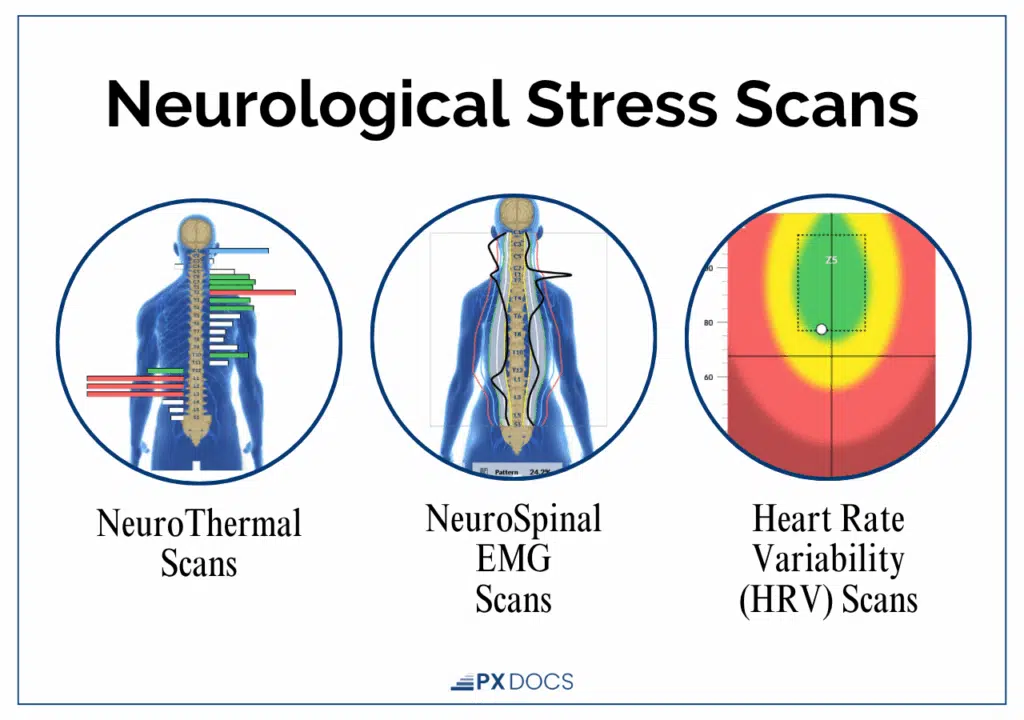
Sleep is often one of the first signs that the nervous system is calming and organizing. We see this regularly in our offices—children receive an adjustment and then take long, deep naps as their bodies finally shift out of constant alert mode and into rest. For many families, improvements in sleep appear before other changes.
Neurological scans allow us to track this process objectively over time. Rather than relying solely on symptoms or trial-and-error, we can see whether the nervous system is moving toward better regulation and adapt care based on measurable change.
Addressing the Nervous System First
Neurologically-Focused Chiropractic Care removes subluxation so your child’s nervous system can function properly. When healthy nervous system regulation is restored, the parasympathetic nervous system can engage, the vagus nerve can coordinate properly, and the body can shift into healing mode.
The adjustments are gentle and precise. For infants, the pressure is about what you’d use to check a tomato for ripeness. The goal isn’t to “crack” joints—it’s to restore normal movement, function, and nervous system communication to areas that have become restricted due to birth trauma or early stress.
By addressing subluxation, especially in the upper neck, care supports healthy vagus nerve function. As vagus tone improves, kids often see improvements across multiple areas simultaneously: sleep, digestion, immunity, and behavior. This is why signs improve in clusters—we’re addressing the nervous system that controls them all.
Neurologically-Focused Chiropractic Care helps restore the nervous system’s ability to regulate and rest. By reducing subluxation and improving communication, the body can better access its natural calming pathways—allowing supportive tools like magnesium to work alongside a nervous system that’s finally able to respond.
Supporting Your Child’s Sleep: A Multi-Layered Strategy
The most effective approach addresses multiple layers:
- At home: Consistent bedtimes, dark rooms, cool temperatures, no screens before bed, calming routines.
- Nervous system foundation: If your child has a history of birth trauma, early life stress, or signs clustering together (sleep + digestion + behavior + immunity), get their nervous system assessed with INSiGHT scans.
- Nutrition: Magnesium-rich diet plus targeted supplementation (typically magnesium glycinate 30-90 minutes before bed). Start low, increase gradually, and give it 3 months.
- Timeline expectations: The nervous system starts regulating before sleep fully improves. Trust the process even when you can’t see changes yet.
Red flags requiring assessment:
- Sleep problems that started after a difficult birth or a high-stress period
- Clustering with digestive problems, frequent illness, and behavioral challenges
- No improvement after 3 months of magnesium and sleep hygiene
- Signs getting worse despite interventions
Magnesium is important—but true healing happens when we address the nervous system foundation.
The Answer: It’s Not Just About Magnesium
Yes, magnesium supports sleep. It helps regulate neurotransmitters, supports melatonin production, and relaxes muscles. Those mechanisms matter.
But here’s what matters more: whether your child’s nervous system can calm itself and actually use that magnesium supplement if needed.
If you’ve tried magnesium and seen little improvement, if sleep problems exist alongside digestive and behavioral challenges, if signs started after a difficult birth or stressful early life—the issue likely isn’t magnesium. It’s nervous system dysfunction preventing your child’s body from functioning properly.
Your instincts were right. There is more going on than meets the eye.Visit our directory to find a PX Docs provider who can assess your child’s nervous system with INSiGHT scans and create a care plan that addresses the root cause, not just the signs. Because every child deserves a nervous system that functions properly, and every parent deserves answers that actually work.