
HPA axis dysfunction is a dysregulation of the hypothalamic-pituitary-adrenal axis, the communication network between the hypothalamus, pituitary gland, and adrenal glands that controls your stress response, cortisol production, energy regulation, immune function, and metabolism. When this system loses its ability to self-regulate after prolonged stress, it produces erratic cortisol patterns that ripple through nearly every organ system in the body.
If you’re constantly exhausted despite enough sleep, dealing with unexplained weight changes, mood swings, brain fog, or a stress cycle that never lets up, and your labs keep coming back “normal,” you’re not imagining things. These aren’t isolated problems. They’re signs of a deeper nervous system dysregulation affecting this crucial hormonal pathway.
What conventional healthcare often misses is that caring for anxiety, sleep issues, and fatigue as separate problems doesn’t get to the root cause. HPA axis dysfunction isn’t simply “adrenal fatigue.” It’s a neurological imbalance driven by chronic stress and nervous system dysfunction, and addressing it means looking at the whole system, not just the individual signs.
What is HPA Axis Dysfunction?
Hypothalamic-Pituitary-Adrenal (HPA) axis dysfunction refers to a dysregulation in the communication network between three critical components of the endocrine system:
- The hypothalamus
- The pituitary gland
- The adrenal glands.
It’s a complex problem that involves the entire stress-response system and its interconnections with the central nervous system.
Think of this axis as your body’s stress command center. Each component plays a specific role:
- Hypothalamus: This brain region maintains homeostasis by regulating body temperature, sleep, hunger, thirst, and emotions. When stress is detected, the hypothalamus secretes Corticotropin-Releasing Hormone (CRH).
- Pituitary Gland: Sometimes called the “master gland,” this tiny structure at the base of the brain receives CRH signals and responds by releasing Adrenocorticotropic Hormone (ACTH) into the bloodstream.
- Adrenal Glands: Small glands located atop each kidney that produce key hormones, including cortisol, DHEA, epinephrine (adrenaline), and norepinephrine in response to ACTH.
Under normal circumstances, these three components work in harmony. When you experience stress, the axis activates—increasing alertness, raising blood sugar for quick energy, and modulating inflammation. Once the stress passes, a negative feedback loop kicks in: rising cortisol levels signal the hypothalamus to stop producing CRH, and the system returns to baseline.
But with chronic, prolonged stress, whether physical, emotional, or environmental, this delicate balance breaks down. Instead of the adrenal glands simply “fatiguing,” the entire HPA axis develops patterns of dysfunction. Cortisol production can become erratic, with levels that are inappropriately high at bedtime or insufficient in the morning. In other cases, receptor sensitivity changes, meaning even normal cortisol levels don’t produce appropriate responses in the body’s tissues—a state researchers call cortisol resistance.
Here’s what makes this condition particularly tricky. The HPA axis is intimately connected with the nervous system, especially the Autonomic Nervous System that controls our “fight-or-flight” and “rest-and-digest” responses. Think of it like a gas pedal and brake pedal.
- Your Sympathetic Nervous System is the gas pedal
- Your Parasympathetic Nervous System is the brake.
When subluxation and dysautonomia (dysfunction in the Autonomic Nervous System) are present, that gas pedal gets stuck, perpetuating and worsening HPA axis imbalances in a vicious cycle that conventional medicine often fails to recognize.
Is HPA Axis Dysfunction the Same as Adrenal Fatigue?
You’ve probably come across the term “adrenal fatigue” in your search for answers. It’s one of the most commonly discussed health topics online, and understandably so, when you’re exhausted all the time, the idea that your adrenal glands are simply “worn out” makes intuitive sense. But the scientific community doesn’t support the adrenal fatigue model.
A systematic review examining all available research found no consistent evidence that chronic stress causes the adrenal glands to produce insufficient cortisol. In fact, when stimulated with ACTH in clinical testing, the adrenal glands of “fatigued” patients still respond normally.
What the research does show is something more complex and more important. HPA axis dysfunction involves the entire communication network between your brain and adrenal glands—not just tired adrenals. The negative feedback loop becomes disrupted. Cortisol rhythms flatten or invert. Receptor sensitivity shifts. The brain itself changes how it interprets and responds to stress signals.
This distinction matters because it changes the entire approach to healing. If you’re only supporting your adrenal glands with supplements and rest, you’re addressing one piece of a much larger puzzle. True recovery requires addressing the neurological dysfunction that’s driving the entire pattern, the communication breakdown between the brain, hormones, and nervous system.
What Causes HPA Axis Dysfunction?
HPA axis dysfunction develops through a cumulative sequence of stressors, which we call “The Perfect Storm.” Developed by Dr. Tony Ebel, this concept recognizes that health challenges rarely stem from a single cause but rather develop through interconnected stressors, including prenatal stress, birth trauma, and early childhood toxic load that overwhelm the body’s natural resilience.
The “Perfect Storm” for HPA axis dysfunction can begin early in life, often before a child is even born. Prenatal stress plays a significant role in setting the stage for future dysregulation. A 2024 review in the Journal of Experimental Biology found that maternal stress during pregnancy can alter HPA axis programming in the developing fetus, and early life stress is now recognized as a risk factor for persistent HPA axis dysregulation into adulthood.
Birth trauma represents another significant trigger. Interventions such as forceps delivery, vacuum extraction, C-sections, and induction can cause physical trauma to an infant’s delicate neurospinal system, particularly affecting the upper cervical spine and brainstem region. This area houses critical neurological structures involved in autonomic regulation, including pathways that influence the HPA axis.
The physical strain from these interventions can create subluxation, a combination of misalignment, fixation, and neurological interference that disrupts proper communication between the brain and body, including the endocrine system that governs the HPA axis.
Beyond these early life factors, several ongoing stressors contribute to HPA axis dysfunction:
- Chronic psychological stress from work, relationships, or constant digital connectivity that keeps the stress response activated without adequate recovery periods
- Sleep disruption and circadian rhythm imbalances that interfere with the normal daily cortisol rhythm, when cortisol is high at night and low in the morning, everything downstream suffers
- Environmental toxins, including mold, pesticides, and endocrine-disrupting chemicals, place an additional burden on an already overwhelmed system
- Chronic inflammation from food sensitivities, gut dysbiosis, or autoimmune conditions that create constant physiological stress signals
- Undiagnosed infections that create ongoing immune system activation and keep the body in a state of heightened alert
- Medication use, particularly antibiotics, corticosteroids, and hormonal contraceptives that can directly alter HPA axis signaling
The vagus nerve plays a particularly critical role here. This major nerve connects the brain to nearly every major organ and is a key component of the parasympathetic (“rest and digest”) nervous system—your brake pedal.
When subluxation affects the areas where the vagus nerve originates, or when chronic stress suppresses vagal tone, it creates dysautonomia, an imbalance between the sympathetic and parasympathetic branches. This directly impacts HPA axis function because the vagus nerve helps regulate the hypothalamus, which initiates the entire HPA axis cascade.
Without addressing these interconnected root causes, particularly the neurological dysfunction that maintains the cycle, many people find themselves trapped in a downward spiral of worsening symptoms.
What Are the Signs of HPA Axis Dysfunction?
HPA axis dysfunction produces symptoms across multiple body systems simultaneously, including persistent fatigue unrelieved by sleep, brain fog, anxiety, disrupted cortisol rhythms, digestive issues, and hormonal imbalances. Because the HPA axis influences virtually every system, the effects can be far-reaching. Many people bounce from specialist to specialist, getting pieces of the puzzle addressed, but never connecting the dots back to one underlying cause.
Physical Signs:
- Persistent fatigue and exhaustion that isn’t relieved by sleep (often resembling chronic fatigue syndrome)
- Disrupted sleep patterns, difficulty falling asleep, staying asleep, or waking unrefreshed
- Unexplained weight changes, especially stubborn weight gain around the midsection
- Weakened immune function leading to frequent infections
- Digestive issues, including constipation, bloating, and IBS-like traits
- Dizziness upon standing (orthostatic hypotension)
- Salt and sugar cravings
- Muscle weakness and slow recovery from exercise
Cognitive and Emotional Signs:
- Brain fog and difficulty concentrating
- Increased anxiety, irritability, and mood swings
- Feeling “wired but tired” (especially at night)
- Poor stress tolerance, small things feel overwhelming
- Decreased motivation and depressed mood
- Memory problems and difficulty making decisions
Hormonal and Metabolic Signs:
- Irregular menstrual cycles or changes in flow
- Thyroid dysfunction traits (the thyroid and HPA axis are closely linked)
- Blood sugar regulation issues and increased risk of metabolic syndrome
- Low libido and fertility challenges
- Increased systemic inflammation
What makes this particularly challenging is how these signs feed into each other, creating a vicious cycle that can feel impossible to break. The fatigue leads to reduced physical activity, which worsens sleep quality, which further disrupts cortisol rhythms, which increases inflammation, which creates more fatigue.
For many people, this cycle has been building for years, sometimes since childhood. The nervous system gets stuck in a chronic “gas pedal on” state, and the body simply can’t keep up with the demand. That’s why addressing only the signs without looking at the underlying neurological patterns rarely produces lasting change.
HPA axis dysfunction frequently co-occurs with conditions like chronic fatigue syndrome, anxiety, autoimmune conditions, and thyroid dysfunction. This co-occurrence isn’t coincidental—all of these conditions share a common root in Autonomic Nervous System dysfunction and the chronic sympathetic dominance that keeps the stress response locked in overdrive.
How is HPA Axis Dysfunction Tested?
HPA axis dysfunction is best assessed by tests that measure cortisol patterns over a full day, not by single-point blood draws. Standard blood tests measure hormones at one moment in time, which is like taking one photograph of a river and trying to understand its current. Cortisol levels naturally fluctuate throughout the day, and a single snapshot fails to capture the dynamic rhythm patterns that actually define this condition.
This is why so many people hear “your labs look normal” despite feeling anything but normal. The dysfunction isn’t about cortisol being too high or too low at one moment; it’s about the pattern being disrupted across the full 24-hour cycle.
More comprehensive testing approaches that capture these patterns include:
- Salivary cortisol testing: Measures cortisol at multiple points throughout the day (morning, noon, afternoon, and evening), revealing the diurnal cortisol pattern rather than a single snapshot.
- DUTCH testing (Dried Urine Test for Comprehensive Hormones): Provides detailed information about cortisol production, metabolism, and metabolites, offering insights into both the quantity and quality of hormone production.
- Adrenocortex Stress Profile: Measures cortisol and DHEA through timed saliva samples to identify specific dysfunction patterns.
- Heart Rate Variability (HRV) assessment: HRV provides a window into Autonomic Nervous System function, which is closely linked to HPA axis regulation. Low HRV can be associated with HPA axis dysfunction and chronic stress.
While these specialized tests provide valuable information, at PX Docs, we recognize that testing alone isn’t enough. Understanding the neurological patterns driving the dysfunction is what changes outcomes.
How Does Neurologically-Focused Chiropractic Care Address HPA Axis Dysfunction?
Neurologically-Focused Chiropractic Care addresses HPA axis dysfunction by focusing on the intricate relationship between the nervous system and the stress-response system. While most conventional approaches target the hormones themselves—or try to manage individual signs like fatigue, anxiety, and sleep disruption—this approach goes upstream to address the neurological dysfunction driving the entire pattern.
This approach recognizes that subluxation can disrupt the critical communication pathways between the brain and body, including those that regulate cortisol levels and the stress response. When these pathways are compromised, the HPA axis can’t receive or process the feedback signals it needs to self-regulate. The gas pedal stays stuck, and no amount of supplements or lifestyle changes alone can fully release it.
That’s why our approach incorporates INSiGHT Neurological Scanning, a non-invasive assessment that helps identify the underlying neurological imbalances contributing to HPA axis dysfunction. It’s important to note that this technology does not diagnose medical conditions, and Neurologically-Focused Chiropractic Care is certainly not a treatment or cure for HPA axis dysfunction or any other condition, not even back pain. Instead, these INSiGHT Scans help us track down the root cause of nervous system dysfunction and dysregulation, and build customized care plans and adjusting protocols to help shift the nervous system back into a state of balance, regulation, and resilience.
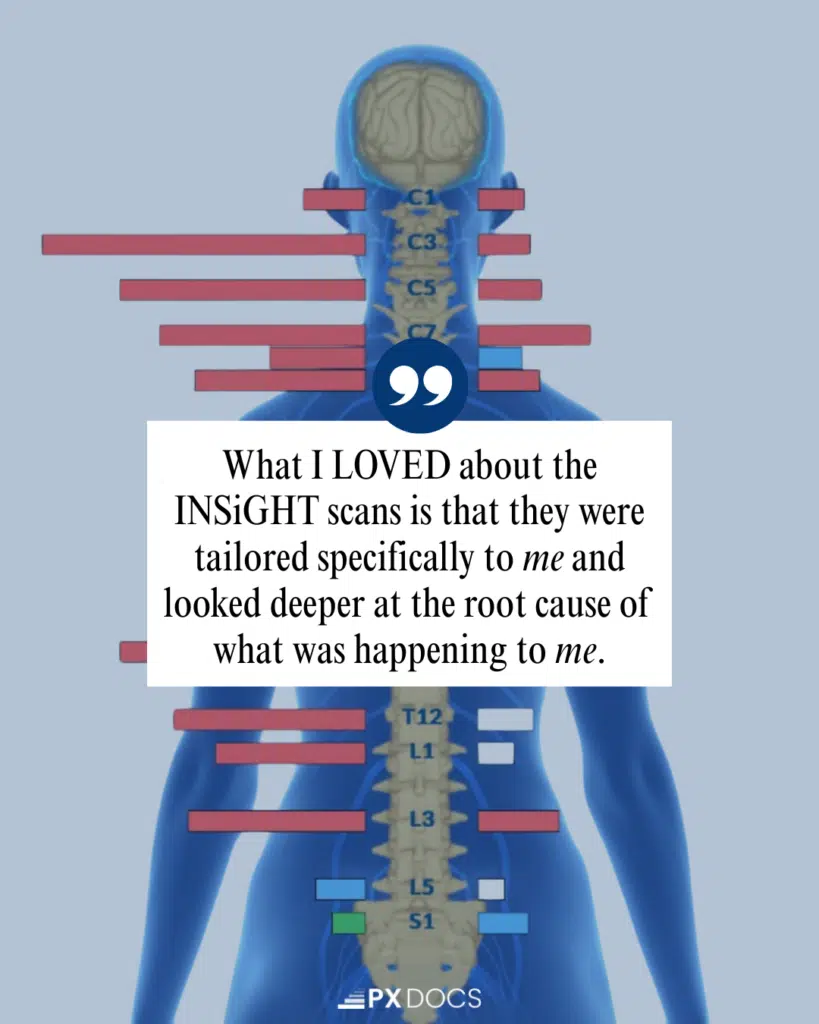
The INSiGHT Scans consist of three components:
- NeuroThermal Scanning: Detects patterns of autonomic disturbance along the spine that may affect HPA axis regulation
- NeuroSpinal EMG: Measures tension patterns in the muscles supporting the spine, which can indicate areas of neurological stress and subluxation
- Heart Rate Variability Assessment: Evaluates the balance between sympathetic and Parasympathetic Nervous System function, which directly impacts HPA axis regulation
These scans allow PX Docs practitioners to identify specific patterns of neurological dysfunction and create customized care plans that address the unique root causes of each individual’s HPA axis dysfunction.
What Lifestyle Changes Support HPA Axis Recovery?
While addressing the neurological component is essential, supportive lifestyle strategies can accelerate healing when combined with Neurologically-Focused Chiropractic Care. Think of these as giving your brake pedal the best possible conditions to do its job.
Nutrition and Blood Sugar Support
The HPA axis requires specific nutrients that get depleted during chronic stress—particularly vitamin C (essential for adrenal hormone production), magnesium (rapidly used up during prolonged stress responses), B vitamins (critical for energy production and nervous system function), and omega-3 fatty acids (which support a healthy inflammation response).
Insufficient blood glucose can negatively affect the HPA axis through the Paraventricular Nucleus. Stabilizing blood sugar through protein-rich meals, healthy fats, and balanced snacks throughout the day prevents the cortisol spikes that come with blood sugar crashes.
Stress Reduction and Nervous System Support
Since chronic stress can lead to multiple forms of HPA axis dysfunction, intentional stress reduction isn’t optional; it’s part of the recovery plan. Practices like mindfulness meditation, breathing exercises, gentle yoga, and regular time in nature all help activate the Parasympathetic Nervous System.
Setting firm boundaries around work and digital connectivity gives the nervous system the recovery windows it desperately needs. Even short periods of intentional calm throughout the day can begin to retrain the stress response over time.
Sleep and Circadian Rhythm Optimization
Quality sleep is non-negotiable for HPA axis recovery because cortisol production follows a circadian pattern—highest in the morning and lowest at night. Disrupted sleep throws this rhythm off entirely.
Consistent sleep-wake times, morning sunlight exposure within the first 30 minutes of waking, a dark and cool sleep environment, and limiting screen time before bed all support healthy cortisol patterns. When your circadian rhythm is aligned, your HPA axis has the best chance of recalibrating.
Adaptogenic Herbs
Certain herbs like ashwagandha, rhodiola, holy basil, and schisandra can help support healthy HPA axis function by helping the body respond more effectively to stress. These adaptogens have been used for centuries and have growing research support, but they should be used under professional guidance as part of a comprehensive approach, not as a standalone fix.
It’s important to understand that these supportive strategies work best when combined with addressing the underlying neurological imbalances through Neurologically-Focused Chiropractic Care. Without restoring proper nervous system function, without getting that stuck gas pedal unstuck, lifestyle changes alone often fall short of producing lasting results.
Reclaiming Balance and Vitality
HPA axis dysfunction represents a complex interplay between your nervous system, endocrine system, and cumulative stress throughout life. True healing requires addressing the root neurological causes that maintain the dysfunctional pattern, not just managing individual signs.
Recovery isn’t an overnight process, but your body has an incredible capacity to heal when given the right support. When the nervous system can finally shift from that chronic “gas pedal” state back into balance, the HPA axis has the foundation it needs to recalibrate.
We invite you to visit the PX Docs Directory to find a qualified Neurologically-Focused Chiropractor in your area who can help you take the first step toward restored nervous system regulation and renewed vitality.
Frequently Asked Questions About HPA Axis Dysfunction
Can HPA axis dysfunction be cured?
HPA axis dysfunction is not a permanent condition. With consistent support, including addressing underlying nervous system dysregulation, managing chronic stress, optimizing sleep and nutrition, and restoring autonomic balance, the HPA axis can recalibrate over time. Recovery timelines vary based on how long the dysfunction has been present and how many contributing factors are involved.
Is HPA axis dysfunction the same as adrenal fatigue?
No. Adrenal fatigue suggests the adrenal glands are “worn out” and produce insufficient cortisol, but a systematic review found no consistent evidence supporting this model (Cadegiani & Kater, 2016). HPA axis dysfunction is a more accurate term describing dysregulation across the entire brain-adrenal communication network, including disrupted cortisol rhythms and altered receptor sensitivity.
What does HPA axis dysfunction feel like?
The most common experience is persistent exhaustion that doesn’t improve with rest, often described as feeling “wired but tired.” Other common signs include brain fog, anxiety, mood swings, disrupted sleep, digestive issues, salt and sugar cravings, and feeling overwhelmed by stress that previously felt manageable.
Can stress in childhood cause HPA axis dysfunction later in life?
Yes. Research shows that early life stress, including prenatal maternal stress, birth trauma, and adverse childhood experiences, can alter HPA axis programming during critical developmental windows. These early disruptions can create persistent patterns of nervous system dysregulation that persist into adulthood and affect cortisol regulation.
How is HPA axis dysfunction different from Cushing’s syndrome or Addison’s disease?
Cushing’s syndrome involves consistently elevated cortisol from a tumor or medication, while Addison’s disease is a recognized autoimmune destruction of the adrenal cortex. HPA axis dysfunction is a functional dysregulation; the glands still work, but the communication network between the brain and adrenals has lost its normal feedback rhythm and flexibility.
What kind of doctor treats HPA axis dysfunction?
Functional medicine practitioners and integrative physicians often assess HPA axis dysfunction through salivary cortisol testing and DUTCH panels. Neurologically-Focused Chiropractors address the underlying Autonomic Nervous System dysfunction that drives many cases of HPA axis imbalance, using INSiGHT Scans to identify specific patterns of nervous system dysregulation.