
As a parent, you want nothing more than to see your child thrive and reach their full potential. You celebrate every developmental milestone, from their first steps to their first words, and you do everything in your power to support their growth and development. Amidst all of this, have you ever wondered about the different aspects of your child’s development and how they are all interconnected?
Understanding the five main developmental domains—physical, cognitive, emotional, social, and language—is important for nurturing your child’s overall well-being. Nearly 53 million children worldwide have identifiable developmental delays. By focusing on each of these areas, you can create a supportive environment that fosters your child’s growth and helps them navigate the challenges they may face along the way.
We will explore each developmental domain in depth, discussing its importance and interrelatedness. We will also provide practical strategies for supporting your child’s development in each area, as well as insights into the role of assessments and professional curricula in ensuring your child reaches their developmental milestones.
By the end of this article, you will have a comprehensive understanding of how to support your child’s growth across all domains and help them thrive.
Understanding Developmental Domains in Early Childhood
Developmental domains are specific areas of growth and change that occur throughout a child’s life. These domains encompass the skills, knowledge, and behaviors that children develop as they grow and interact with the world around them. While each child develops at their own unique pace, understanding these domains can help parents and caregivers provide targeted support and create an environment that nurtures their child’s overall development.
The five main domains of development are:
- Physical: This domain encompasses the growth and development of a child’s body, including their gross motor skills (large muscle movements, such as crawling and walking) and fine motor skills (smaller, more precise movements, like grasping objects).
- Cognitive: The cognitive domain focuses on a child’s ability to think, learn, and solve problems. It encompasses their understanding of the world, memory, creativity, and imagination.
- Emotional: Emotional development involves a child’s ability to understand and express their own feelings, as well as recognize and respond to the emotions of others.
- Social: The social domain encompasses a child’s ability to form relationships, communicate effectively with others, and participate in cooperative play.
- Language: Language development encompasses a child’s ability to understand and use words to express themselves and communicate with others.
While each domain has its own specific milestones and characteristics, it is important to recognize that they are all interconnected. Development in one area often influences and supports growth in others. For example, as a child’s language skills improve, they are better able to express their emotions and engage in social interactions with peers.
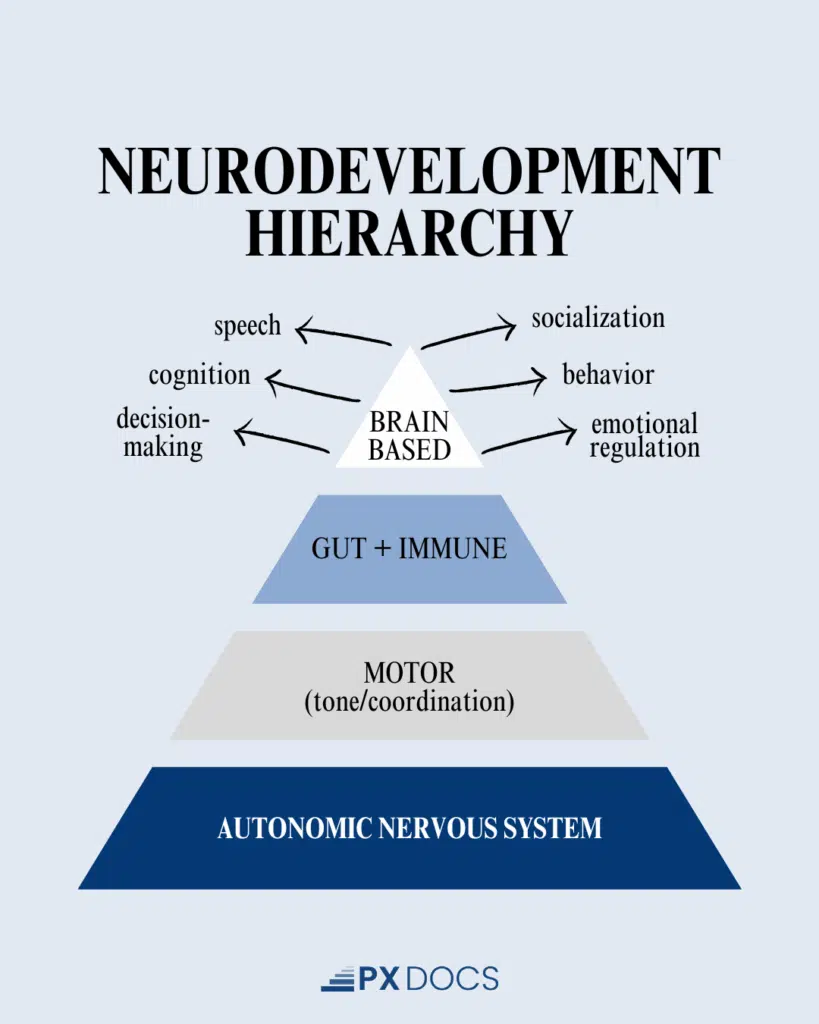
It’s also important to remember that all of these areas are controlled by the nervous system, which coordinates and regulates a child’s growth and development across every domain.
The Interrelatedness of Developmental Domains
One of the most fascinating aspects of child development is the way in which progress in one domain can have a profound impact on growth in others. This interrelatedness highlights the importance of nurturing all areas of a child’s development, as each domain supports and reinforces the others.
For example, a child’s physical development, particularly in terms of gross motor skills, can significantly influence their cognitive growth. As children learn to crawl and walk, they gain access to new environments and experiences that stimulate their curiosity and problem-solving skills. This, in turn, encourages them to explore further, leading to even greater physical and cognitive development.
The ability to move, roll, crawl, and coordinate the body isn’t just about exploring new environments—it’s how the nervous system builds itself, layer by layer, creating the foundation for higher-level functions like learning, communication, and emotional regulation.
Motor development and coordination are absolutely foundational, setting the tone for every other aspect of growth: physical, cognitive, and even physiological functions like digestion. It’s the first system that needs to come online as a baby grows, laying the groundwork for how the nervous system organizes and integrates information as development continues.
Later on, language development plays a crucial role in a child’s social interactions. As children learn to express themselves verbally, they are better able to communicate their needs, desires, and emotions to others. This enhanced communication ability enables them to form stronger relationships with peers and adults, which in turn supports their social and emotional development.
The “Perfect Storm” In Domains of Development
However, when a child faces challenges or stressors that disrupt their development, the effects can be far-reaching. This is where the “Perfect Storm” concept, as described by PX Docs, comes into play. The “Perfect Storm” refers to a combination of factors, such as birth trauma, emotional stress, and environmental toxins, that can lead to subluxation and developmental challenges.
Subluxation is a disruption in the neurospinal system that causes nervous system dysregulation and can have a significant impact on a child’s overall development. The nervous system is the body’s master control system, regulating all functions, including those related to physical, cognitive, emotional, social, and language development. When subluxation occurs, it can interfere with the proper functioning of the nervous system, leading to a wide range of developmental challenges.
For example, a child who experiences birth trauma, such as a prolonged or difficult delivery, may develop subluxation in the upper cervical region of the spine. This can lead to issues with feeding, digestion, and sleep, which, in turn, can affect the child’s physical growth and emotional well-being. As the child grows, the effects of subluxation may manifest in other ways, such as developmental delays, difficulty with focus and attention, sensory processing issues, or behavioral challenges.
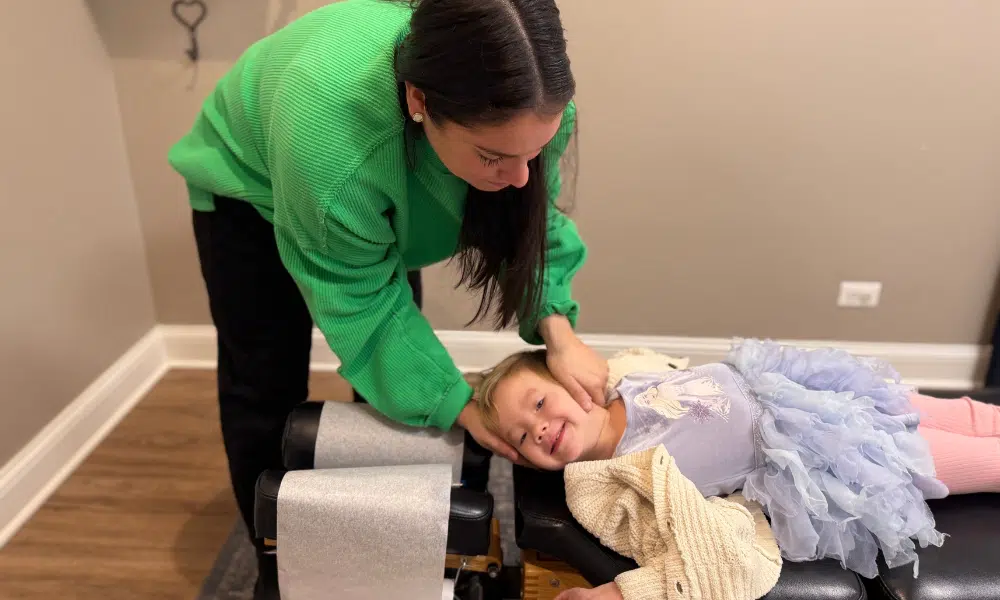
By understanding the interrelatedness of developmental domains and the potential impact of the “Perfect Storm,” parents and caregivers can take a proactive approach to support their child’s healthy development. This may include seeking out Neurologically-Focused Chiropractic Care to address subluxation, as well as providing a nurturing environment that promotes growth across all domains.
Supporting Physical Development
Physical development is one of the most visible and celebrated aspects of a child’s growth and development. From the moment a baby takes their first steps to the day a child learns to ride a bicycle, parents and caregivers delight in witnessing these physical milestones. Physical development encompasses both gross motor skills, which involve large muscle movements like walking and running, and fine motor skills, which involve smaller, more precise movements like grasping objects and drawing.
Supporting a child’s physical development is essential not only for their overall health and well-being but also for their growth in other developmental domains. For example, as children develop greater control over their bodies, they are better able to explore their environment, engage in social play, and express themselves creatively.
There are many strategies that parents and caregivers can use to support a child’s physical development, including:
- Outdoor play: Encouraging children to engage in outdoor activities like running, jumping, and climbing helps them develop their gross motor skills, balance, and coordination. Outdoor play also provides opportunities for children to explore their environment and engage in imaginative play, which supports both cognitive and social development.
- Art projects: Engaging children in art projects, such as drawing, painting, and sculpting, helps them develop fine motor skills, hand-eye coordination, and creativity. Art projects also provide a sense of accomplishment and can be a great way to encourage self-expression and emotional development.
- Structured physical activities: Enrolling children in structured physical activities, such as dance classes, gymnastics, or sports teams, can help them develop specific physical skills while also learning valuable lessons about teamwork, perseverance, and sportsmanship.
In addition to these strategies, it is important to recognize the role of healthy nervous system regulation in supporting optimal physical development. When a child’s nervous system is functioning properly, it enables smooth communication between the brain and the muscles, allowing for coordinated movement and balance.
When children get stuck in certain stages of physical and motor development, move in uncoordinated ways, or develop compensation patterns, it can signal that the nervous system is not fully integrated. These compensations—like favoring one side, skipping crawling, or showing stiffness in certain movements—may help them get by in the short term, but they can create inefficiencies in the development of the nervous system. Over time, this can impact posture, coordination, sensory processing, digestion, the immune system, and even cognitive and emotional development, since all these systems rely on a well-organized and regulated nervous system.
Nurturing Cognitive Development
Cognitive development refers to a child’s ability to think, learn, and problem-solve. It is a critical aspect of overall development, as it lays the foundation for future learning and success in school and beyond. In the first few years of life, more than 1 million new neural connections form every second, signifying their importance. Cognitive development occurs in stages, with each stage building upon the skills and knowledge acquired in the previous one.
The four main stages of cognitive development, as outlined by psychologist Jean Piaget, are:
- Sensorimotor stage (birth to 2 years): During this stage, infants and toddlers learn through their senses and motor actions, such as grasping and manipulating objects.
- Preoperational stage (2 to 7 years): Children in this stage begin to engage in symbolic thinking and use language to represent objects and ideas. They also start to develop imagination and engage in pretend play.
- Concrete operational stage (7 to 11 years): During this stage, children develop logical thinking skills and can solve concrete problems. They also begin to understand concepts such as conservation and reversibility.
- Formal operational stage (12 years and beyond): Adolescents and adults in this stage can think abstractly, reason hypothetically, and solve complex problems.
To support cognitive development, parents and caregivers can engage children in a variety of activities that promote learning and problem-solving, such as:
- Interactive storytelling: Reading books with children and asking questions about the story can help develop language skills, comprehension, and critical thinking. Encouraging children to make predictions, discuss character motivations, and relate the story to their own experiences can further enhance cognitive development.
- Puzzles and games: Engaging children in puzzles, memory games, and other cognitive challenges can help develop problem-solving skills, logical thinking, and spatial awareness. These activities also promote concentration and perseverance, which are important for academic success.
- Hands-on learning experiences: Providing children with opportunities to explore their environment through hands-on activities, such as science experiments, cooking projects, and nature explorations, can help develop curiosity, creativity, and critical thinking skills. These experiences also promote sensory development and can be a great way to reinforce concepts learned in school.
In addition to these strategies, it is necessary to recognize the role of a healthy nervous system in facilitating optimal cognitive function. The nervous system is the body’s master control system, regulating all functions, including learning, memory, and attention. When subluxation occurs, it can interfere with the proper functioning of the nervous system, leading to challenges with cognitive development.
For example, a child with subluxation may experience difficulty with focus and attention, which can lead to struggles in school and social situations. They may also have trouble with memory retention and recall, which can make it challenging to learn new information and skills.
Fostering Emotional Development
Emotional development involves a child’s ability to understand and express their own feelings, as well as recognize and respond to the emotions of others. This domain is crucial for building self-awareness, empathy, and resilience, which are essential skills for navigating life’s challenges and forming healthy relationships. Approximately 17% of children have some form of social-emotional delay.
To support emotional development, parents and caregivers can:
- Engage in role-playing games: Encouraging children to act out different scenarios and express various emotions can help them develop empathy, problem-solving skills, and emotional regulation.
- Practice emotion coaching: Helping children identify and label their emotions, while providing guidance on how to manage them effectively, can foster emotional intelligence and resilience.
- Participate in group activities: Engaging children in group activities, such as team sports or cooperative games, can help them learn to work together, share, and manage conflicts, which are important skills for emotional and social development.
Encouraging Social Development
Social development refers to a child’s ability to form relationships, communicate with others, and engage in cooperative play. This domain is closely linked to emotional development, as children who are emotionally aware and regulated are better able to navigate social situations and form positive relationships.
To support social development, parents and caregivers can:
- Arrange playdates and group activities: Providing opportunities for children to interact with peers in various settings can help them develop social skills, such as sharing, turn-taking, and communication.
- Model positive social behaviors: Children learn by example, so it is important for parents and caregivers to demonstrate kindness, empathy, and effective communication in their own interactions.
- Encourage cooperative play and shared projects: Engaging children in activities that require collaboration and teamwork, such as building a block tower or creating a group art project, can help them develop social skills and learn to work together towards a common goal.
Supporting Language Development
Language development encompasses a child’s ability to understand and use words to express themselves and communicate with others. This domain is closely linked to cognitive development, as language skills are essential for learning, problem-solving, and critical thinking.
Studies have shown that higher maternal depression contributed negatively to language skills in child development. To support language development, parents and caregivers can:
- Engage in interactive reading: Reading books with children and asking questions about the story, characters, and vocabulary can help develop language skills, comprehension, and critical thinking.
- Sing songs and recite rhymes: Singing and reciting rhymes with children can help develop phonological awareness, which is an important prerequisite for reading and writing.
- Encourage daily conversations: Engaging children in regular conversations about their experiences, interests, and feelings can help develop vocabulary, communication skills, and emotional intelligence.
The Role of Assessments in Developmental Domains
Regular assessments play a crucial role in ensuring that children meet developmental milestones and receive the support they need to thrive. Assessments can help parents, caregivers, and educators identify areas of strength and challenge, as well as develop targeted interventions and learning experiences to support these areas.
However, conventional milestone tracking—checking boxes on a developmental chart or comparing progress to age-based timelines—only tells part of the story. It shows what a child can or can’t do, but not why they may be struggling or what’s happening beneath the surface. True understanding comes from looking deeper at how the nervous system is communicating and coordinating development, which is where assessments like the INSIGHT Scans become so valuable. They go beyond surface-level milestones to reveal how efficiently a child’s brain and body are working together, guiding more personalized and effective care.
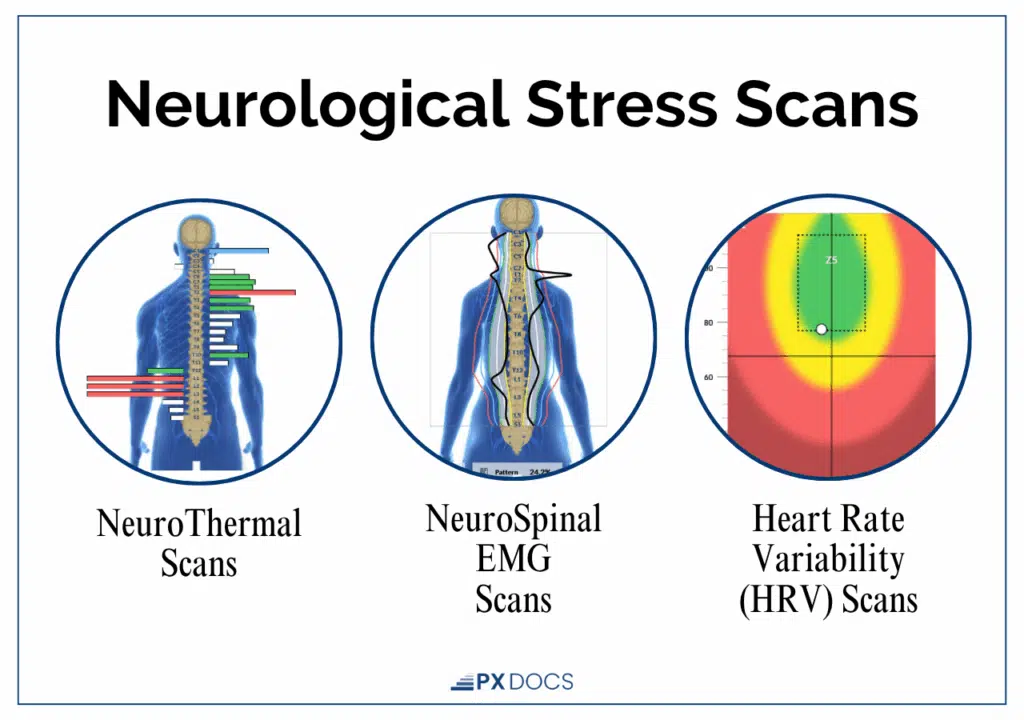
These scans help identify areas of stress, imbalance, or inefficiency within the nervous system, often long before outward symptoms or delays appear. By tracking how a child’s nervous system regulates, coordinates, and adapts over time, parents and practitioners gain a clear, measurable picture of progress. This enables care to be individualized and targeted, ensuring that every child receives the specific support they need for optimal growth, healing, and development.
If you’re a parent who feels like you’re doing all the right things—even the ones suggested in this article—but your child still seems stuck, struggles to connect, or finds it difficult to implement these supports, it’s often a sign that the nervous system itself needs attention. In these cases, scanning and Neurologically-Focused Chiropractic Care can provide the insight and guidance necessary to unlock progress, helping your child move, learn, and engage more fully with the world around them.
Empowering Children to Thrive
As parents and caregivers, it is our responsibility and privilege to support our children’s growth across all domains of development. By adopting a drug-free approach that acknowledges the interrelatedness of physical, cognitive, emotional, social, and language development, we can foster a nurturing environment that empowers children to thrive.
Central to this approach is the understanding that a healthy nervous system is the foundation for optimal development. When subluxation occurs, it can interfere with the proper functioning of the nervous system, leading to challenges in all areas of development.
By seeking out Neurologically-Focused Chiropractic Care, parents and caregivers can help support their child’s development at a foundational level. Regular neurotonal chiropractic adjustments can help restore proper nervous system function, allowing for optimal growth and learning across all domains.
Take Paisley, for example: Being under care herself, Paisley’s mom knew that extra “strong” babies and skipped milestones weren’t “normal” but signs that the nervous system needed extra support. Born prematurely at 36 weeks with her umbilical cord wrapped in a knot, Paisley was stiff, overactive, and sleeping only 90 minutes at a time.
After her first scan and adjustment at 6 weeks, she quickly improved—sleeping through the night and napping longer during the day. Her team helped her crawl at 7 months and walk at 10 months, supporting her system and guiding her development safely. Mom shared how reassured she felt knowing Paisley was thriving, ahead developmentally despite her early challenges, and how much she appreciated having a supportive team.
In addition to chiropractic care, parents and caregivers can support their child’s development by engaging in age-appropriate activities and providing a nurturing and stimulating environment.
By working together as a community of parents, educators, and healthcare providers, we can empower our children to reach their full potential and lead happy, healthy, and fulfilling lives.