
On the surface, anxiety can look like a child simply struggling with their emotions. Sleepless nights, constant worry, and daily meltdowns can make it feel like the issue is “all in their head.” When parents begin searching for answers beyond medication, the first solution they often hear about is diet and nutrition — specifically, how the gut might be driving mood and behavior.
There’s definitely truth to that, but the full story goes even deeper. The gut and brain are in constant communication through what’s called the gut-brain axis, a complex pathway controlled by the autonomic nervous system. This connection explains why what a child eats can affect how they feel.
But why does anxiety often persist even after parents have worked hard to clean up their diet, add probiotics, or remove trigger foods? This is why we like to refer to it as the brain-gut axis. If the nervous system that governs the gut-brain connection is stuck in stress mode, those efforts can only go so far.
According to the CDC, 10% of children aged 3-17 years have been diagnosed with anxiety — and that number continues to rise each year. For parents, this statistic is more than just a number; it reflects the very real struggles they see in their homes every day. What’s especially concerning is that these challenges often don’t exist in isolation. Children with anxiety frequently experience overlapping struggles like digestive issues, sleep disturbances, sensory sensitivities, and emotional dysregulation. This overlap is not a coincidence, but rather a sign that the nervous system — and specifically the vagus nerve, which regulates both digestion and emotional responses — may not be functioning as it should.
In this article, we’ll break down the fascinating world of this two-way communication and how imbalances in this complex system can contribute to anxiety in children. We’ll also get into the “Perfect Storm” of factors that set the stage for gut-brain dysfunction and, most importantly, how PX Docs’ Neurologically-Focused approach offers hope for lasting, drug-free healing.
The Gut-Brain Axis: A Complex Communication System
To understand how gut health and anxiety are connected, we first need to explore the gut-brain axis. This intricate communication network involves the Central Nervous System (CNS), the Enteric Nervous System (ENS), and the trillions of microorganisms that reside in the gut, known as the gut microbiota.
The ENS, often referred to as the “second brain,” is a complex system of neurons embedded in the gut wall. It communicates directly with the brain through the vagus nerve, the longest cranial nerve in the body. This two-way communication enables the gut and brain to exchange information constantly, influencing everything from digestion and nutrient absorption to mood and behavior.
The gut microbiota also plays a role in the brain-gut connection, mainly through chemical and immune signals rather than directly producing mood-regulating neurotransmitters. Gut bacteria create substances like short-chain fatty acids that influence inflammation and stress responses, and they help regulate the immune system. Some microbes also affect precursors for neurotransmitters, such as GABA and dopamine, thereby indirectly shaping brain function.
Many providers note that about 90% of the body’s serotonin is made in the gut, often suggesting this is why the gut affects mood and anxiety. While it’s true, most gut serotonin is used locally to regulate digestion, not mood. A small amount does communicate with the brain via the enteric nervous system and the vagus nerve, but this is only one piece of the puzzle.
Here are some key points to remember about the gut-brain axis:
- The ENS communicates directly with the brain through the vagus nerve (and vice versa)
- Gut microbiota produces neurotransmitters that can influence mood and behavior
- Stress and anxiety can have a major impact on gut health
- Imbalances in gut microbiota can contribute to inflammation and mood disorders
When the delicate balance of the gut-brain axis is disrupted, it can lead to a wide range of health issues, including anxiety.
Can Gut Health Cause Anxiety?
Have you ever noticed that your child’s anxiety seems to worsen when they’re experiencing digestive issues? Or that their mood takes a dive after a course of antibiotics? These observations are not just coincidences–they’re signs of the powerful connection between gut health and mental well-being.
When the delicate balance of gut microbiota is disrupted, a condition known as gut dysbiosis, it can have far-reaching effects on your child’s health, including their mental state. Research has shown that stress and anxiety can significantly alter the composition of gut microbiota, leading to a vicious cycle of gut-brain dysfunction.
But one of the key ways that gut dysbiosis contributes to anxiety is through inflammation. When the gut barrier becomes compromised, harmful substances can leak into the bloodstream, triggering an immune response and increasing inflammation throughout the body. This inflammation can then travel to the brain, affecting neurotransmitter production and leading to mood imbalances and anxiety.
In fact, studies indicate a co-occurrence of gut disorders and anxiety, particularly in children. One study published in the Journal of Abnormal Child Psychology found that 40.7% of children with anxiety had Functional Gastrointestinal Disorders (FGID) compared to those without anxiety.
These findings suggest that addressing gut health may be a crucial step in managing anxiety in children. By supporting the growth of beneficial gut bacteria through diet, lifestyle changes, and targeted interventions, we can help break the cycle of gut-brain dysfunction and promote optimal mental well-being.
But there’s another layer to this that is essential to healing the gut and regulating anxiety: the nervous system. Even with a healthy diet and supportive gut bacteria, if a child’s nervous system is stuck in stress mode, digestion and mood can remain out of balance.
This sets the stage for the next piece of the puzzle — the vagus nerve, the key pathway connecting the brain and gut and helping regulate both emotions and digestive function.
The ‘Brain to Gut’ Side of the Story
Most conversations about anxiety and gut health begin with the gut itself — diet changes, probiotics, and supplements. While those can be helpful, what often gets overlooked is that gut health depends on vagus nerve health. The vagus nerve is responsible for turning on the body’s “rest, digest, and regulate” mode.
When the vagus nerve is strong and functioning well, kids are able to digest food, absorb nutrients, and regulate their mood and emotions. But when the vagus nerve is stressed or disrupted, it creates problems at both ends of the gut-brain axis. Digestion slows, constipation and stomachaches show up, and at the same time, the brain struggles to calm itself — leading to worry, restlessness, meltdowns, and anxiety.
This means that the vagus nerve itself is not just a digestive regulator, but also one of the body’s most powerful emotional regulators. If it can’t do its job, the nervous system gets stuck in fight-or-flight mode. Kids live in a constant state of tension, where both their gut and their emotions feel “out of rhythm.”
That’s why at PX Docs, we look deeper than diet or supplements alone. Our Neurologically-Focused approach works to reduce subluxation, restore balance to the autonomic nervous system, and get the vagus nerve back online. When that happens, the gut can finally function the way it was designed to, and just as importantly, kids can experience greater calm, resilience, and emotional regulation.
The “Perfect Storm” of Factors Contributing to Gut-Brain Dysfunction
As parents, we often wonder what sets the stage for our children’s health challenges. Why do some children seem to struggle with anxiety and gut issues while others thrive? The answer lies in a combination of factors that can create a “Perfect Storm” of factors that really interfere with vagus nerve function (gut-brain connection) from early on.
Your child’s gut-brain axis is shaped by a variety of influences from preconception through early childhood:
- Prenatal stress and maternal health: Studies have found that high-stress levels during pregnancy can impact fetal brain development and alter the gut microbiota, setting the stage for future gut-brain imbalances.
- Birth trauma and interventions: Procedures like C-sections, forceps deliveries, and prolonged labor can cause physical stress to the baby’s delicate nervous system, leading to subluxations and altered gut function.
- Early life stressors: Emotional stress, environmental toxins, and other stressors in early childhood can further compromise the developing gut-brain axis.
- Antibiotic exposure: Overuse of antibiotics, especially in the first few years of life, can disrupt the delicate balance of gut microbiota and contribute to gut dysbiosis.
When these factors combine, they can create a “Perfect Storm” of nervous system dysregulation, known as subluxation and dysautonomia. Subluxation can be multiple areas of dysfunction in the neurospinal system that can disrupt the healthy regulation of the nervous system, while dysautonomia refers to an imbalance in the Autonomic Nervous System, which controls involuntary functions like digestion and mood regulation.
The PX Docs Approach to Addressing the Root Cause
When it comes to managing anxiety and gut health, conventional treatments often fall short. Medications like antacids and antidepressants may provide temporary relief, but they don’t address the underlying causes of gut-brain dysfunction.
Similarly, talk therapy and Cognitive-Behavioral Therapy (CBT) can help children cope with anxiety and depression symptoms, but they may not get to the root of the problem.
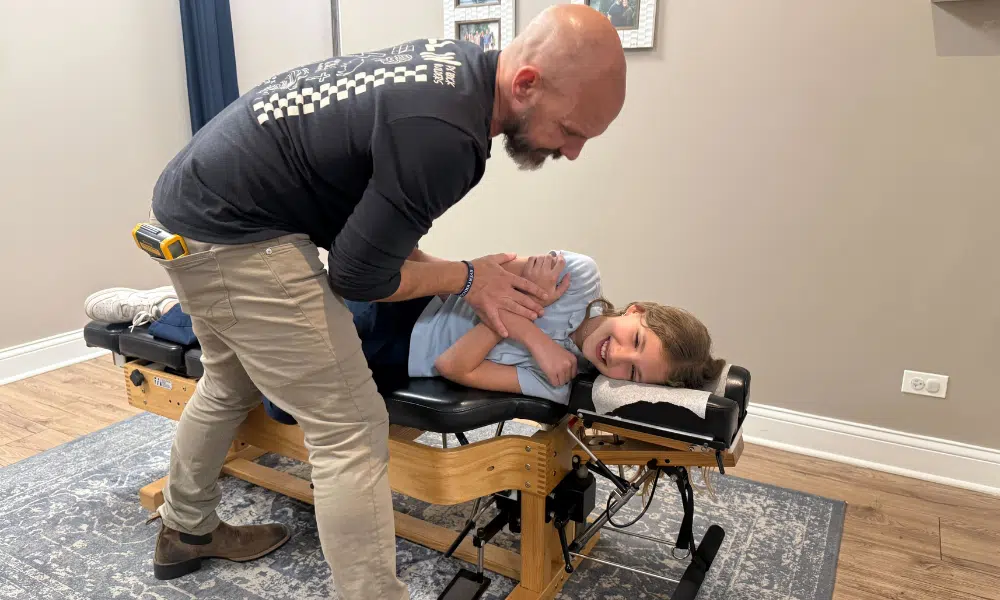
At PX Docs, we take a different approach. We recognize that optimal gut-brain health lies in supporting the nervous system. Our Neurologically-Focused Chiropractic Care aims to identify and address areas of subluxation and dysautonomia that may be contributing to your child’s digestive issues, anxiety, and other health challenges.
One of the unique tools we use to pinpoint nervous system imbalances is the INSiGHT scanning technology. These non-invasive scans allow us to create a detailed map of your child’s nervous system function, identifying areas of subluxation and dysautonomia that may not be visible to the naked eye.
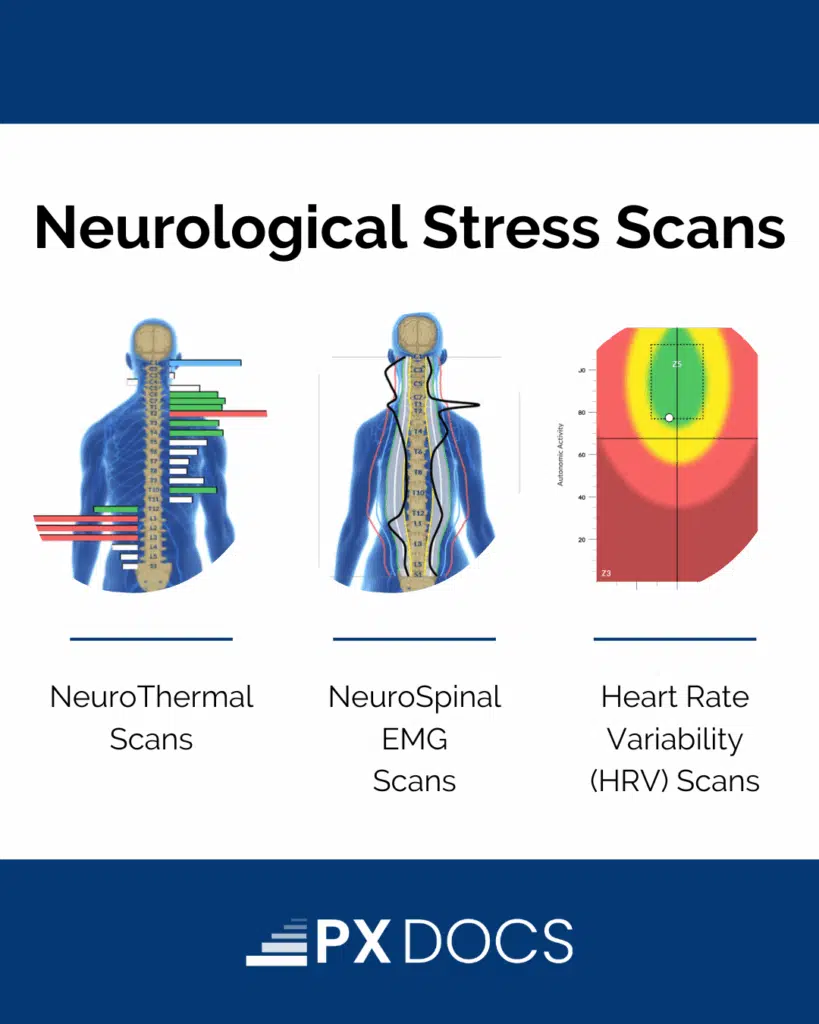
Think of it like a high-resolution map of a highway system, highlighting traffic jams and road closures that can slow down or disrupt the flow of communication and regulation within the nervous system.
By addressing the root cause of gut-brain imbalances, rather than just managing symptoms, PX Docs’ approach offers the potential for lasting, drug-free healing. When the nervous system functions optimally, the gut-brain axis can communicate effectively, resulting in improvements in digestion, mood, behavior, and overall well-being.
Supporting Gut Health and Neuro-Regulation at Home
As a parent, you play a crucial role in supporting your child’s gut-brain health. While Neurologically-Focused Chiropractic Care is a powerful tool for addressing the root causes of gut-brain dysfunction and facilitating repair, there are also things you can do at home to help promote a calm nervous system and healthy gut microbiota.
Here are some simple strategies to incorporate into your family’s daily routine:
- Practice stress-reducing activities like deep breathing, mindfulness, and gentle yoga with your child.
- Prioritize sleep by establishing a consistent bedtime routine and creating a calming sleep environment.
- Encourage regular physical activity, as exercise has been shown to support healthy gut bacteria and reduce anxiety.
- Focus on whole foods that are diet rich in prebiotics and probiotics, like fruits, vegetables, whole grains, and fermented foods.
- Limit processed foods, artificial additives, and excess sugar, which can disrupt gut health and exacerbate anxiety.
- Consider incorporating gut-supportive supplements like omega-3 fatty acids and probiotics under the guidance of a healthcare practitioner.
Remember, the earlier you address gut-brain imbalances in your child’s life and the nervous system, the greater the potential for long-term health and well-being. By prioritizing nervous system regulation and gut health from a young age, you’re setting your child up for a lifetime of resilience and vitality.
Unlocking Your Child’s Potential: The Gut-Brain Connection
The connection between anxiety and gut health in children is a complex and fascinating one, with far-reaching implications for their overall well-being. By understanding the role of the gut-brain axis and the factors that can disrupt its delicate balance, you’re empowering yourself to make informed choices about your child’s health.
Remember, your child’s health journey is unique, and there’s no one-size-fits-all solution. By partnering with a local PX Doc and implementing simple lifestyle changes at home, you’re taking a proactive approach to your child’s well-being and laying the foundation for a lifetime of optimal health.
If you suspect that your child may be struggling with gut-brain or nervous system imbalances, we invite you to visit our directory to find a local PX Docs office on our PX Docs website. From our qualified practitioners to our library of informative articles and webinars, we’re here to support you every step of the way.