
As a parent scrolling through Instagram in 2025, you’ve probably seen the viral trend celebrating “pandemic babies” and their supposedly remarkable early developmental milestones. If you’re like our entire PX Docs network and many, many moms today, you are well-versed in what’s trending on Instagram Reels.
Well, as of writing this, one of the top trending topics on ‘The Insta’ is this concept of “pandemic babies” and how it’s a good, positive thing that they are moving so fast through their motor development.
But who exactly are pandemic babies? These are the approximately 3.6 million infants born in the United States during the height of the COVID-19 pandemic. Many of these children are now 4 to 5 years old and entering kindergarten, giving us the first real glimpse of how those early pandemic experiences shaped their development.
There are now hundreds of videos each day being uploaded talking about how it’s a sign of resilience and strength if brand new, super young infants are doing these things:
- Holding their head up in a matter of days
- Pushing up on their arms in a matter of weeks
- Skipping crawling and going right to standing, walking, and running
Now, from a parent’s perspective, this could, without a doubt, be seen as a good thing! They obviously know firsthand how much stress, emotions, and challenges they had to endure with being pregnant and delivering their baby into this crazy, chaotic, and stressful world.
Despite clear evidence from the very beginning of it all that THANKFULLY pregnant mothers, infants, and really kids of all ages are at an extremely ridiculous low risk of Covid, the stress, constraints, and fear poured into and onto our poor pregnant mamas and their families has truly been at pandemic levels.
Even more unfortunate is this reality; this was already a significant problem before Covid.
Who Are Pandemic Babies?
Pandemic babies are the approximately 3.6 million infants born in the United States between March 2020 and December 2021. Many are now 4 to 5 years old and entering kindergarten, giving us the first real glimpse of how those early pandemic experiences shaped their development.
What Research Actually Shows
Here’s what the science tells us: Large-scale studies reveal small but measurable differences in certain developmental areas, but the findings may surprise you.
A Johns Hopkins study analyzing 50,205 children ages 0-5 found modest delays of approximately 3% in communication skills, 2% in problem-solving abilities, and 2% in personal-social skills compared to children born before the pandemic.
Importantly, researchers found no changes in gross motor skills or fine motor skills, the very abilities those Instagram videos celebrate.
Research from Ireland following 354 babies found similar patterns. By age two, pandemic babies showed slightly lower communication skills, but motor development remained relatively normal. Columbia University researchers studying 255 infants found lower scores across multiple domains at 6 months, but here’s the critical finding: maternal COVID-19 infection did NOT affect infant development. It wasn’t the virus itself that mattered.
What made the difference was the pandemic environment:
- Social isolation, limiting peer interaction
- Masked faces, which obscure the facial expressions babies rely on to learn communication
- Reduced opportunities for varied sensory experiences
- Significantly elevated parental stress
Research shows that prenatal exposure to maternal stress increases the risk for behavioral and mental health problems later in life. In our work, we’ve long known that significant exposure to emotional stress during pregnancy is often the first trigger of the “Perfect Storm” that children carry into their lives.
This is the science we need to understand that these trending “pandemic babies” videos are actually 180 degrees off track. It’s NOT good that these infants are moving so fast through motor development.
It’s actually a sign that very soon their adaptability and resilience, measured not by how fast they move, but by how well their nervous system can regulate stress, are going to be limited in a big way if something isn’t done to help.
Why Accelerated Motor Development Can Signal Nervous System Stress
Before we can understand why rapid motor development might indicate a problem, here’s what typical development looks like:
- Head control: 2-4 months (not days)
- Pushing up on arms: 4-6 months (not weeks)
- Crawling: 6-10 months (many babies skip this—that’s normal!)
- Walking independently: 9-15 months (not 6-8 months)
As an Iowa farmer might explain brain science: when your gas pedal is stuck down, you move fast, but that doesn’t mean the engine is healthy.
Babies exhibiting significantly accelerated gross motor milestones may have increased muscle tone driven by Sympathetic Nervous System activation—the body’s fight-or-flight response. When stress gets “stuck” in their developing nervous system, they’re in a constant state of heightened alert.
This manifests as:
- Rigid, tense movement patterns rather than fluid, exploratory movements
- Skipping critical developmental phases like crawling, which builds essential brain connections
- Reduced proprioceptive learning, the body’s sense of where it is in space
- Early weight-bearing is driven by muscle tension rather than developmental readiness
The first five years represent a critical window when 90% of brain development occurs. Research has found that prenatal pandemic stress was associated with measurable changes in infant brain connectivity.
If you look at those Instagram posts with #pandemicbabies, watch carefully. Look past the “cuteness” and observe: Do you see stress, fear, and tension in these infants’ eyes? Do they move with a stiff, rigid quality rather than a relaxed, fluid exploration?
The “Perfect Storm”: How Stress Compounds Upon Stress
What we’re seeing with many pandemic babies is a textbook example of the “Perfect Storm,” a multi-stage cascade in which stress compounds on stress, ultimately overwhelming the developing nervous system.
Stage 1: Prenatal Pandemic Stress
During the pandemic, pregnant mothers experienced unprecedented chronic stress, fear about the virus, social isolation, financial uncertainty, and constantly changing guidance. Studies show that when mothers experience chronic stress, elevated cortisol crosses the placenta and affects the developing fetal nervous system, essentially programming the baby’s stress response system before they’re even born.
Stage 2: Birth Trauma and Physical Stress
During delivery, whether through vacuum extraction, forceps use, emergency C-section, or even “normal” birth with significant pulling and twisting, the infant’s neck and brainstem area can experience physical trauma.
The upper cervical spine is the “on-off switch” for the nervous system—I know how simple that sounds, Iowa farmer teaching neuroscience here. But it’s true. This region houses the brainstem (controlling autonomic function), the vagus nerve, vertebral arteries, and cerebrospinal fluid pathways.
Physical stress to this area during birth can create what we call subluxation, which has three components:
- Misalignment: Physical displacement of vertebrae
- Fixation: Restricted movement, joints that are “stuck”
- Neurological interference: Disrupted nerve communication affecting body function
Once subluxation sets in, especially in a neurologically developing infant, they get shifted and “stuck” into a state of sympathetic fight-or-flight tone almost 24/7.
Stage 3: The Early Life Cascade
An infant who already has prenatal stress programming and birth-related nervous system tension now enters a world of isolation, masked faces, and stressed parents. Each stressor compounds the previous ones.
Once their neurological tone is stuck in this sympathetic state, it significantly alters motor development. They become wound up, tense, and rigid—and that’s exactly what you’ll see on all those Instagram “pandemic babies” posts.
This creates the accelerated motor milestones: increased muscle tone from sympathetic activation drives early movement. But it’s movement driven by tension, not by healthy neurological development.
Where Pandemic Babies Are Now
The first wave of pandemic babies are now 4 to 5 years old and entering kindergarten. So how are they doing?
Speech delays remain the most common concern, though many children who received early intervention have closed the gap significantly. Teachers also report noticing increased anxiety levels in some pandemic babies, particularly around separation from parents. Social skills development varies widely.
Here’s the most important thing parents need to understand: children’s brains are remarkably resilient. The concept of brain plasticity, the brain’s ability to reorganize and form new neural connections, means that early challenges don’t have to determine lifelong outcomes.
The same neuroplasticity that allowed stress to affect development also enables healing when the right support is provided. Studies tracking pandemic babies over time show that when children enter enriched environments, developmental gaps narrow significantly.
This is why early intervention matters so much. The earlier we address nervous system dysregulation, the more effectively we can support the brain’s natural healing capacity.
Supporting Your Pandemic Baby: Where to Start
Since the underlying cause is tension and dysregulation “stuck” in the central nervous system, that’s where help has to start.
A Team-Based Approach
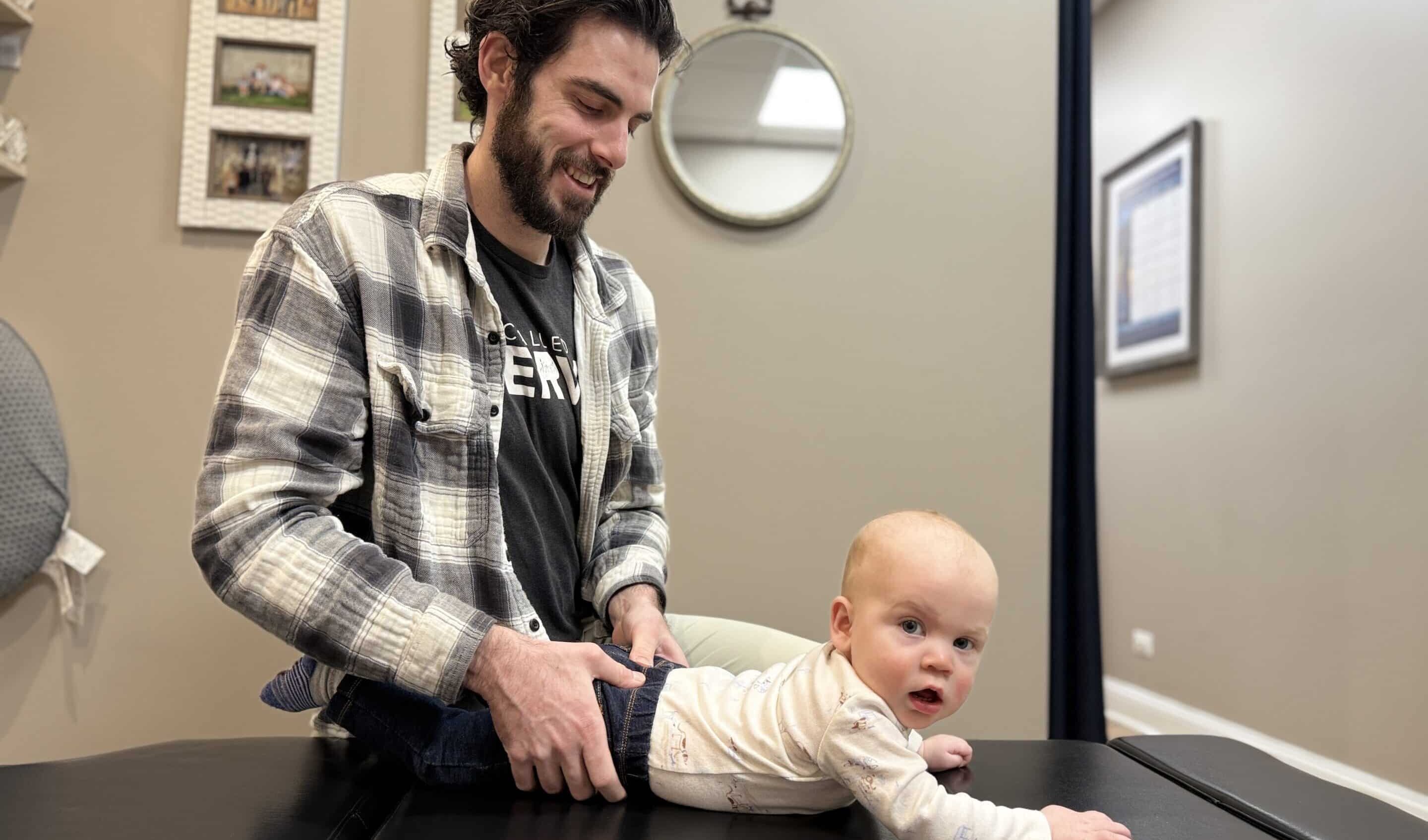
Neurologically-Focused Chiropractic Care addresses the foundational nervous system dysregulation. Gentle, specific pediatric chiropractic adjustments work to release the subluxation patterns that keep infants stuck in fight-or-flight mode. When we help “unstuck” the nervous system and restore better regulation, children often show improvements across multiple areas, including sleep, digestion, emotional regulation, and developmental progress.
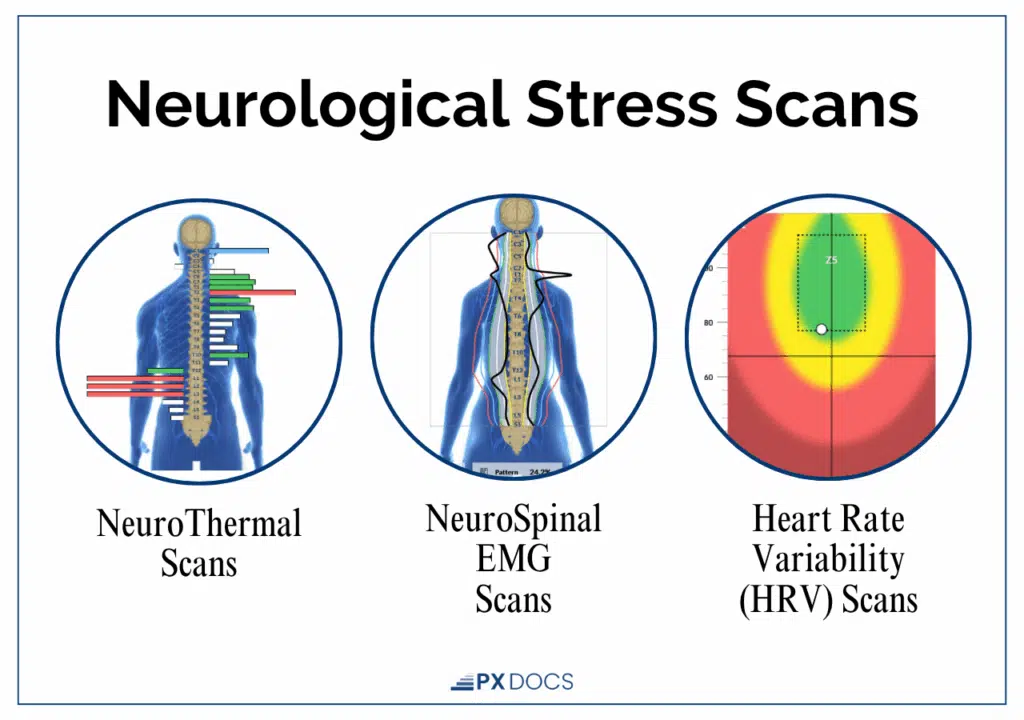
Our INSiGHT scanning technology provides objective measurement of nervous system function, showing patterns of stress and dysregulation that aren’t visible through standard developmental screening.
Speech therapy addresses communication delays. Occupational therapy helps with sensory processing challenges. Physical therapy supports motor development and balance.
The key is recognizing that these approaches work best together. Chiropractic care addresses the nervous system foundation, while other therapies provide skill-building in specific domains.
What Parents Can Do at Home
While professional support matters, parents play the most critical role:
- Prioritize Social Interaction: Arrange regular playdates, join parent-child groups, and expose your child to a variety.
- Create a Language-Rich Environment: Talk constantly, read every day, sing songs, prioritize face-to-face conversation over screens.
- Support Motor Development Through Play: Provide floor time, incorporate crawling activities if your child skipped that phase, and encourage varied movement.
- Establish Consistent Routines: Regular sleep and meal schedules help regulate the nervous system.
- Address Your Own Mental Health: Parental stress directly affects children; your nervous system regulation influences theirs.
- Consider Nervous System Support: If your child shows signs of the “Perfect Storm”—sleep struggles, digestive issues, frequent illness, behavioral challenges, or those accelerated motor patterns paired with tension, chiropractic evaluation may reveal underlying dysregulation.
Your Child’s Nervous System Is Designed to Heal
If you’re a parent of a pandemic baby reading this, first, take a deep breath. You’ve done your absolute best navigating impossible circumstances. The stress you experienced was real. Do not add more stress on top of everything you’ve already been through.
Here’s what you need to know:
- Most pandemic babies are remarkably resilient. While there may be small delays in certain areas, the majority are catching up beautifully.
- Brain plasticity means early challenges don’t determine lifelong outcomes. Your child’s brain has an incredible capacity to adapt when given the right support.
- Those accelerated motor milestones may signal underlying nervous system stress. If your baby is showing a rigid, tense quality, moving fast but not moving freely, it’s worth having their nervous system evaluated.
- The “Perfect Storm” framework provides a roadmap for healing. Understanding the connection between prenatal stress, birth trauma, and environmental stressors doesn’t assign blame—it shows the path forward.
- Support exists, and it works. Whether through chiropractic care addressing nervous system function, early intervention services, or creating opportunities for missed language and social interaction, there are clear, effective paths forward.
The Path Forward
If you’re noticing signs that your pandemic baby might be carrying The “Perfect Storm” — whether it’s accelerated motor patterns paired with tension, sleep struggles, digestive challenges, frequent illness, or emerging behavioral concerns—we encourage you to seek a comprehensive evaluation.
We encourage you to visit the PX Docs directory and find a trained PX Doc near you who understands these neurological patterns and can assess your child’s nervous system function using advanced INSiGHT scanning technology. This level of Neurologically-Focused Care requires specific training. Not every chiropractor has the expertise to work with infants and recognize these subtle but significant patterns.
Your beautiful pandemic baby has an innate capacity to heal and thrive. With the right support addressing the neurological foundation, you can help your child shift from “stuck” to resilient, ready to reach their full potential.
Welcome to having answers. The “Perfect Storm” ends here.