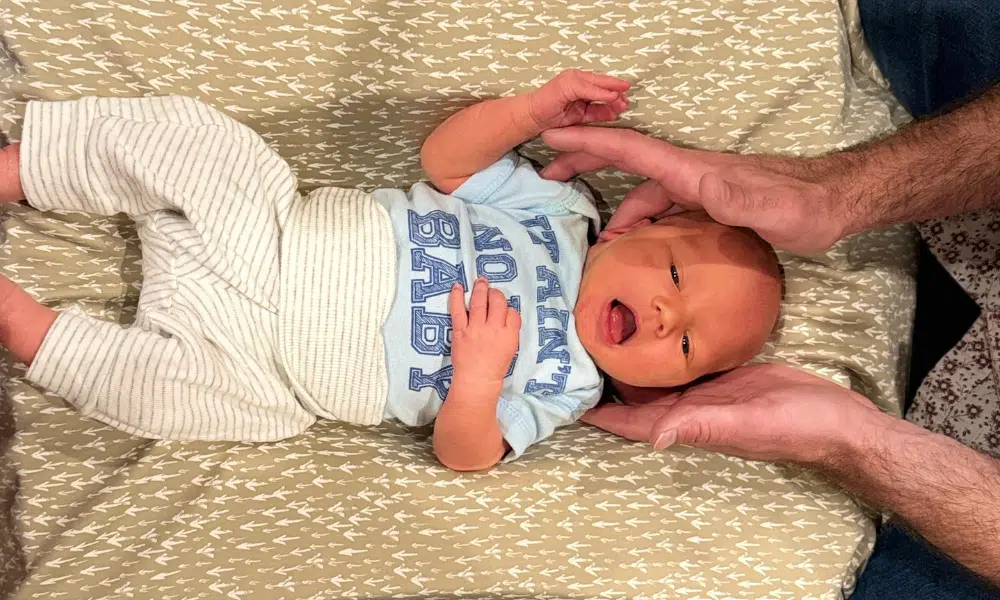

It’s 2 am, and your child has been restless all night, complaining of tummy pain and feeling warm to the touch. You realize they haven’t had a bowel movement for several days, and now you’re wondering if it could be causing a fever.
Constipation and fevers are two of the most common health concerns in children, affecting countless families worldwide. In fact, constipation is the culprit for nearly 1 in every 20 doctor’s visits. While these signs can be distressing for both children and parents, it’s essential to understand the relationship between the two and when it’s time to seek help.
In this article, we’ll explore the causes, signs, and care options for constipation and fevers in children, as well as the drug-free approach advocated by PX Docs.
Understanding Constipation in Children
Constipation is a common digestive issue in children, characterized by infrequent bowel movements or difficulty passing stools. A child may be considered constipated if they have an incomplete bowel movement or fewer than three bowel movements per week, or experience straining, discomfort, or pain when trying to go.
Other signs of constipation in children may include:
- Hard, dry, or lumpy stools
- Abdominal pain or cramping
- Bloating or a feeling of fullness in the belly
- Decreased appetite, weight loss, or nausea
- Irritability or moodiness
- Soiling accidents or leakage of stool
Several factors can contribute to constipation in children, ranging from dietary habits to underlying health conditions. Some of the most common causes include:
- Diet and hydration: A diet low in fiber, fruits, and vegetables or high in processed foods can lead to constipation. Inadequate fluid intake can also contribute to hard, dry stools.
- Lifestyle factors: Lack of physical activity, ignoring the urge to have a bowel movement, or changes in routine (such as travel) can disrupt regular bowel movements.
- Medications and underlying health conditions: Certain medications, such as antidepressants, can cause constipation. Some medical conditions, like hypothyroidism or celiac disease, may also lead to constipation.
The Nervous System Connection to Constipation
At PX Docs, we often see constipation in kids not as a digestive issue alone, but as a sign of nervous system imbalance or dysregulation. The body’s ability to go to the bathroom regularly and comfortably is regulated by the parasympathetic branch of the nervous system — often called the “rest and digest” system. But when a child’s nervous system is stuck in a state of stress and tension, dominated by the sympathetic “fight or flight” side, those natural digestive processes get disrupted.
This type of imbalance is often referred to as dysautonomia, which simply means the autonomic nervous system — the part that controls digestion, breathing, heart rate, and other vital functions — is not working the way it should. When dysautonomia is present, the gut can’t receive the proper neurological input needed to keep things moving smoothly. For kids, that can mean infrequent or painful bowel movements, even when parents have tried to optimize diet, hydration, and supplements. In other words, the nervous system is “out of rhythm,” so the digestive system falls out of rhythm as well.
A major driver of dysautonomia in children is something we call subluxation. Subluxation creates stress and tension within the nervous system, locking it into “fight or flight” and preventing full access to “rest and digest.” Rather than simply disrupting the gut’s signaling, subluxation keeps the entire autonomic nervous system on edge, making it difficult for normal digestive motility and elimination to occur.
By addressing subluxation through Neurologically-Focused Chiropractic Care, we help the nervous system restore balance, giving the body the chance to regulate digestion naturally and effectively.
Fever in Children: What Parents Need to Know
Fever is a common concern for parents, as it often signifies that their child’s body is fighting an infection or illness. According to the Cleveland Clinic, a fever is generally defined as a body temperature of 100.4°F (38°C) or higher in children. While fever can be alarming, it’s important to remember that it is a natural response and not always a cause for immediate concern.
When assessing your child’s fever, consider the following guidelines:
- Infants under three months: Rectal temperature of 100.4°F (38°C) or higher
- Children 3 months to 3 years: Oral temperature of 101°F (38.3°C) or higher
- Children over 3 years: Oral temperature of 103°F (39.4°C) or higher
In addition to the fever itself, pay attention to other signs that may indicate a more serious problem, such as:
- Lethargy or unresponsiveness
- Persistent vomiting or diarrhea
- Difficulty breathing or rapid breathing
- Stiff neck or severe headache
- Seizures or convulsions
Fever and Nervous System Regulation
Just like digestion, the body’s ability to mount and regulate a fever is under the control of the autonomic nervous system. A fever is not an illness itself, but rather a healthy, coordinated immune response that helps the body fight off infections. When the nervous system is balanced, the immune system can activate a fever at the right time, sustain it at the right level, and then bring it back down once the threat has passed.
But when a child’s nervous system is stuck in “fight or flight” or experiencing dysautonomia, that process doesn’t run smoothly. Some kids may spike fevers too often or too intensely, while others may rarely mount a fever at all — both of which are signs that the nervous system is not regulating immune function properly. Parents often notice their child cycling between frequent illness, prolonged sickness, or an inability to “kick” a cold completely.
Neurologically-Focused Chiropractic Care helps by reducing subluxation and restoring balance within the autonomic nervous system, allowing the immune system to regulate more effectively.
The Connection Between Constipation and Fevers
So, can constipation cause fevers? Not exactly. While constipation and fever can occur simultaneously in children, constipation itself does not directly cause a fever. However, certain conditions can lead to both, making it essential for parents to be aware of the potential connections:
- Infections: Viral infections, such as the flu or common cold, are the most frequent cause of fever in children. Bacterial infections, such as strep throat or pneumonia, and parasitic infections, like malaria, can also cause fever.
- Inflammatory conditions: Conditions that cause inflammation in the body, like appendicitis, Inflammatory Bowel Disease (IBD), or Juvenile Idiopathic Arthritis (JIA), can result in fever.
- Other underlying health issues: In some rare cases, fever may indicate a more serious health problem, such as cancer or an autoimmune condition.
It’s crucial to remember that fever is a sign that your child’s body is working to fight off an infection or illness. When the immune system detects a threat, it raises the body’s temperature to create an environment that is less hospitable to the invading pathogens.
Conventional Care Options for Constipation and Fevers
When dealing with constipation and fever in children, many parents turn to conventional care options, such as over-the-counter medications. These may include:
- Laxatives or stool softeners for constipation
- Acetaminophen or ibuprofen for fever reduction
In some cases, prescription medications may be necessary to address underlying conditions that are causing constipation and fevers, such as antibiotics for bacterial infections.
While these conventional care plans can provide some temporary relief, they often have limitations and potential side effects. Laxatives, for example, can lead to dependence or disrupt the natural balance of the digestive system if used long-term. Pain relievers and fever reducers may mask important signs that could help identify the underlying cause of the problem.
The PX Docs Approach: Addressing the Root Cause
At PX Docs, we believe in addressing the root cause of health issues rather than simply caring for signs. Our Neurologically-Focused approach focuses on identifying and addressing subluxation and dysautonomia, which can contribute to various health challenges in children, including constipation and fever.
The first step in our approach is to conduct a thorough assessment using INSiGHT Scans, which allow us to detect and measure nervous system dysregulation. These scans provide valuable information about the location and severity of subluxation, as well as the overall function of the nervous system.
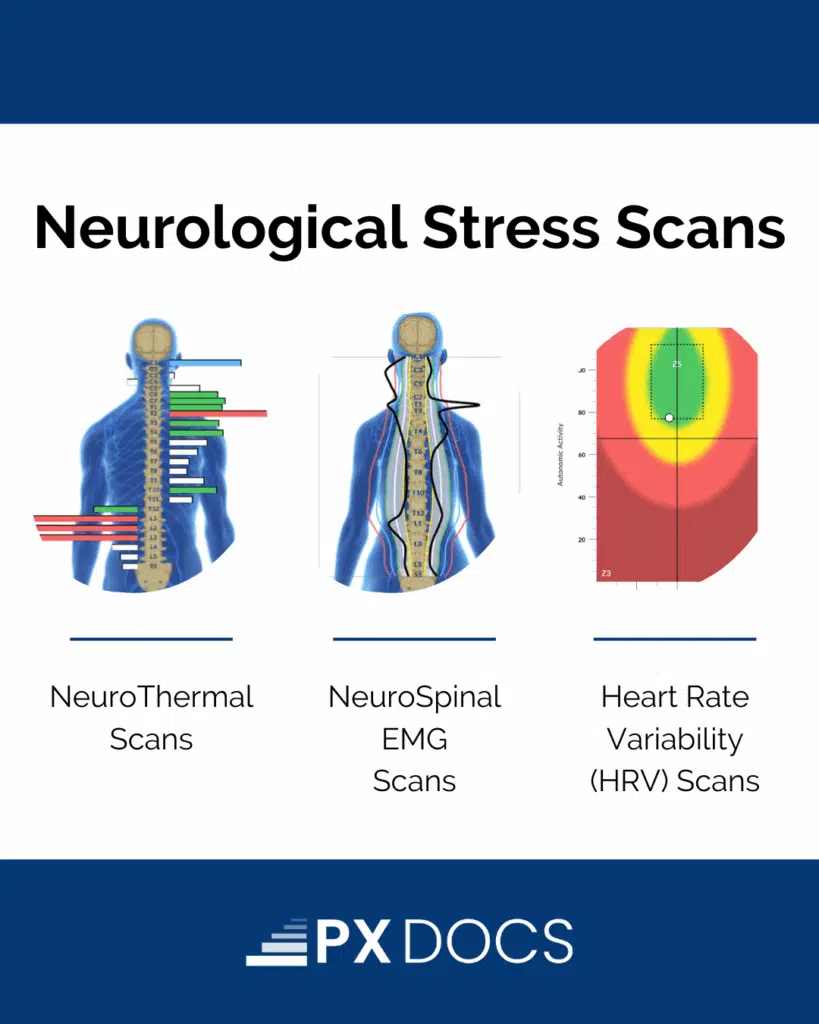
Armed with this information, our PX Docs develop a personalized care plan that includes specific chiropractic adjustments to restore balance and function to the nervous system.
In addition to chiropractic care, we also offer guidance on lifestyle modifications and natural remedies that can support digestive health and boost immune function. These may include:
- Dietary modifications to ensure adequate fiber and nutrient intake
- Strategies for staying hydrated
- Stress management techniques for both children and parents
- Gentle exercises and physical activity recommendations
- Probiotic supplements to support gut health
However, many parents come to us after trying everything they can think of — magnesium, probiotics, dietary changes, even suppositories. While these can provide some temporary relief, they don’t often get to the root cause if the nervous system itself is locked in stress mode.
Shelby’s mom shared that she had exhausted nearly every option for her daughter’s chronic constipation before walking into our office. After starting Neurologically-Focused Chiropractic Care, she was shocked to see that within just a few weeks, her daughter finally went on her own!
Constipation often improves even when it’s not the primary reason a family seeks care. Many parents bring their child in for challenges such as sensory struggles, sleep disturbances, or emotional regulation, and they’re surprised to see digestion improve along the way. As the nervous system begins to unwind and shift into better balance, the body can finally access “rest and digest” again. This not only supports brain and behavior, but also restores healthier rhythms between the nervous system and the gut.
By taking a drug-free approach to care, PX Docs helps children achieve lasting relief from constipation, fever, and other health challenges, while also promoting overall wellness and vitality.
When to Seek Medical Attention
While constipation and fever can often be managed with home remedies and natural approaches, there are certain situations in which it is important to seek medical advice and attention. Some signs that warrant a visit to your child’s pediatrician include:
- Severe abdominal pain
- Blood in the stool
- Vomiting that persists for more than 24 hours
- Fever that lasts longer than 3-5 days or exceeds 104°F (40°C)
- Signs of dehydration, such as decreased urine output, dry mouth, or sunken eyes
- Lethargy or unresponsiveness
If your child experiences any of these signs, it’s crucial to consult with a healthcare provider to rule out serious underlying conditions and develop an appropriate care plan. In some cases, your pediatrician may recommend additional testing or refer you to a specialist for further evaluation.
Taking a Proactive Approach to Your Child’s Health
Constipation and fever can be distressing for both children and parents, but it’s important to remember that constipation itself does not directly cause a fever. By understanding the potential connections between these signs and the underlying factors contributing to them, you can take a proactive approach to your child’s health.
We believe that identifying and addressing the root cause of health issues is crucial for achieving lasting relief and promoting overall wellness. Our Neurologically-Focused Chiropractic Care approach offers a safe, effective, and drug-free solution to helping children overcome constipation, fever, and other health challenges.
If you’re concerned about your child’s struggles or simply want to learn more about how chiropractic care can support their health, we encourage you to visit the PX Docs directory and find a qualified practitioner near you.
By taking this first step, you’ll be empowering yourself and your child to achieve optimal health and thrive, both now and in the future.