

The birth of a child is meant to be a joyous occasion, filled with the sweet sounds of a newborn’s first cries. But for some parents, those initial moments are shattered by an eerie silence, replaced by the sight of their baby struggling to breathe. This is the heart-wrenching reality faced by families whose infants are born with Meconium Aspiration Syndrome (MAS), a condition that occurs when a newborn inhales meconium-stained amniotic fluid during labor or delivery.
MAS affects approximately 2-10% of infants born through meconium-stained amniotic fluid, which affects around 12-20% of all births. The impact of this condition extends far beyond the hospital walls, as parents grapple with the emotional toll of seeing their child in distress and the uncertainty of their future health.
While conventional medical care is essential for stabilizing babies with Meconium Aspiration Syndrome, true healing goes beyond acute symptom management. More and more parents and providers are recognizing the importance of addressing the underlying neurological stress that often remains after the crisis has passed.
In this article, we’ll explore the intricate connection between the nervous system and Meconium Aspiration Syndrome — and how early stress impacts a baby’s ability to regulate, recover, and grow. Most importantly, we’ll share how Neurologically-Focused Chiropractic Care helps restore balance, resilience, and the body’s natural capacity to heal and thrive.
By understanding the true causes of MAS and the power of drug-free, Neurologically-Focused Care, parents can find hope and support in their journey toward helping their little ones thrive.
What is Meconium Aspiration Syndrome?
To understand Meconium Aspiration Syndrome, it’s essential to first know what meconium is. Meconium is a newborn’s first stool, typically dark green and tar-like in consistency. It is composed of various substances ingested by the fetus while in the womb, such as amniotic fluid, skin cells, and mucus. In most cases, babies pass meconium after birth. However, in some instances, the fetus may release the meconium in amniotic fluid before or during labor, leading to what is known as Meconium-Stained Amniotic Fluid (MSAF).
When a baby is born through MSAF, there is a risk that they may inhale (aspirate) the meconium-stained fluid into their lungs. This aspiration can cause a range of complications, as the thick, sticky meconium can block the airways, irritate the lung tissue, and interfere with the normal exchange of gases. Meconium Aspiration Syndrome (MAS) is the term used to describe the respiratory distress and other signs that result from this aspiration.
Infants with MAS may exhibit various signs, including:
- Labored or rapid breathing
- Grunting or other abnormal breath sounds
- Cyanosis (bluish discoloration of the skin)
- Limpness or poor muscle tone
- Low Apgar scores (a measure of a newborn’s health at birth)
- Meconium staining on the skin or nails
Conventionally, MAS is diagnosed based on the presence of respiratory distress in an infant born through MSAF, along with characteristic findings on chest X-rays and blood gas analysis. These care plans typically involve supportive care, such as oxygen therapy, mechanical ventilation, and antibiotics to prevent secondary infections. In severe cases, more invasive interventions like extracorporeal membrane oxygenation (ECMO) may be necessary.
In those first moments, the priority is always to put the fire out and make sure your baby can breathe properly and stabilize — that’s absolutely necessary.
But after that emergency and medical intervention passes, parents are often left wondering, what caused this, and what can we do now? Is there something else we should do now?
That’s where it becomes so important to look deeper — to understand how birth stress affects the nervous system and what kind of care can help your baby’s body truly heal and regulate afterward.
The “Perfect Storm” Leading to Meconium Aspiration Syndrome
Meconium Aspiration Syndrome isn’t usually a random or isolated event; it often develops from a “Perfect Storm” of stressors that affect both mom and baby before and during birth.
At the center of this storm is prenatal and birth stress, which can significantly impact how a baby’s nervous system develops and adapts. When a baby experiences stress in the womb — such as from maternal stress, placental issues, or a long, difficult labor — their body can shift into a heightened fight-or-flight state. This stress response can trigger the release of meconium before birth and increase the likelihood of aspiration.
Even after the lungs clear, that same early stress can leave the baby’s autonomic nervous system dysregulated, making it harder to breathe, digest, and self-regulate effectively.
When a fetus is exposed to chronic stress in utero, their nervous system may become primed for hyperreactivity, setting the stage for a heightened response to the challenges of birth. This heightened reactivity can make the baby more susceptible to the effects of birth trauma and interventions, such as:
- Forceps delivery
- Vacuum extraction
- Cesarean section (C-section)
- Manual traction or pulling during delivery
These interventions can cause physical stress and trauma to the delicate tissues of the neck and brainstem, leading to disruption of normal neurological function. In chiropractic terms, this is known as subluxation. Subluxation can interfere with the proper regulation of the nervous system, leading to a state of dysautonomia, or imbalance in the Autonomic Nervous System (ANS).
Dysautonomia occurs when the Sympathetic Nervous System (responsible for the “fight or flight” response) becomes overactive, while the Parasympathetic Nervous System (responsible for “rest, regulate, and digest” functions) is suppressed. This imbalance can contribute to a range of signs, including respiratory distress, difficulty feeding, and altered gut motility— all of which are common in infants with Meconium Aspiration Syndrome.
In addition to prenatal stress and birth trauma, other factors can contribute to the development of MAS, such as:
- Post-term pregnancy (gestational age > 42 weeks)
- Maternal health issues (e.g., diabetes, hypertension)
- Placental insufficiency or abnormalities
When these factors combine, they create a “Perfect Storm” of stress and neurological dysfunction that can either set the stage for Meconium Aspiration Syndrome or interfere with a baby’s ability to fully heal afterward.
By understanding how these stressors impact the developing nervous system, we can begin to see why it’s so important to address the underlying neurological imbalances in infants with MAS — not just manage the lingering symptoms.
The Neurological Connection of Subluxation and Dysautonomia
To fully understand the neurological roots of Meconium Aspiration Syndrome, it is essential to explore the concepts of subluxation and dysautonomia in more detail. Subluxation, as mentioned earlier, refers to stress in the neurospinal system that can disrupt normal neurological function. This can occur due to physical trauma, such as the birth interventions and stressors discussed in the previous section.
When subluxation is present, it can interfere with the proper regulation of the nervous system, leading to a wide range of potential health issues. In the case of MAS, subluxation can impact the function of the vagus nerve, which plays a crucial role in regulating respiratory function and other vital processes in the body.
The vagus nerve is the longest cranial nerve, extending from the brainstem to the abdomen. It is a key component of the Parasympathetic Nervous System, which is responsible for the “rest, regulate, and digest” functions that help the body relax and recover. When the vagus nerve is functioning optimally, it helps to regulate heart rate, breathing problems, and digestion, among other processes.
However, when subluxation is present, it can disrupt the normal function of the vagus nerve, leading to a state of dysautonomia. Dysautonomia refers to an imbalance in the Autonomic Nervous System, characterized by an overactive Sympathetic Nervous System (the “fight or flight” response) and an underactive Parasympathetic Nervous System.
In infants with MAS, dysautonomia can manifest in various ways, such as:
- Rapid, shallow breathing
- Difficulty coordinating sucking, swallowing, and breathing
- Increased heart rate and blood pressure
- Reduced gut motility and digestion
- Heightened stress response
These traits can further complicate the respiratory distress and other challenges associated with meconium aspiration, making it more difficult for the infant to recover and thrive.
By understanding the neurological connection between subluxation, dysautonomia, and MAS, we can begin to appreciate the importance of addressing these underlying imbalances through a targeted, drug-free approach. Rather than simply managing signs, Neurologically-Focused Chiropractic Care aims to restore proper function to the nervous system, including the vagus nerve, to promote healing and optimal development in infants with Meconium Aspiration Syndrome.
Limitations of Conventional Care
While conventional medical care plans for Meconium Aspiration Syndrome can be life-saving in acute situations, they often fall short in addressing the underlying neurological imbalances that contribute to the condition or persist afterwards. The primary focus of these care plans is on managing side effects, such as respiratory distress, rather than identifying and correcting the root causes of MAS.
Conventional interventions for MAS may include:
- Oxygen therapy
- Mechanical ventilation
- Antibiotics to prevent secondary infections
- Extracorporeal membrane oxygenation (ECMO) in severe cases
While these interventions can be crucial in stabilizing an infant with MAS, they do not address the neurological dysfunction that may have contributed to the aspiration in the first place. Furthermore, some of these care plans come with potential side effects and risks, such as:
- Oxygen toxicity from prolonged high-dose oxygen therapy
- Ventilator-associated lung injury or pneumonia
- Antibiotic-related disruption of gut flora and increased risk of antibiotic resistance
- Complications from invasive procedures like ECMO (e.g., bleeding, infection, neurological damage)
Moreover, the conventional medical approach often overlooks the critical role of the nervous system in regulating respiratory function and overall health. By focusing solely on the lungs and respiratory system, healthcare providers may overlook the underlying neurological imbalances that can perpetuate the traits of MAS and hinder recovery.
This lack of consideration for the nervous system’s role in Meconium Aspiration Syndrome highlights the need for a more drug-free, Neurologically-Focused approach to care. By identifying and addressing subluxation, dysautonomia, and other neurological imbalances, healthcare providers can support the body’s natural healing processes and promote optimal recovery in infants with MAS.
Unfortunately, many parents are unaware of the neurological aspects of MAS and the potential benefits of a drug-free approach to care. They may feel limited by the conventional care options presented to them and may not know where to turn for alternative solutions.
Neurologically-Focused Chiropractic Care: A Natural Solution
We recognize the limitations of conventional care plans for Meconium Aspiration Syndrome and believe that including a Neurologically-Focused approach is necessary to help infants truly heal and thrive.
Central to our approach is the use of INSiGHT Scans, a cutting-edge technology that allows us to assess the function of an infant’s nervous system and pinpoint areas of subluxation and dysautonomia. These scans provide valuable information about the health and balance of the Autonomic Nervous System, enabling our doctors to create personalized care plans tailored to each baby’s unique needs.
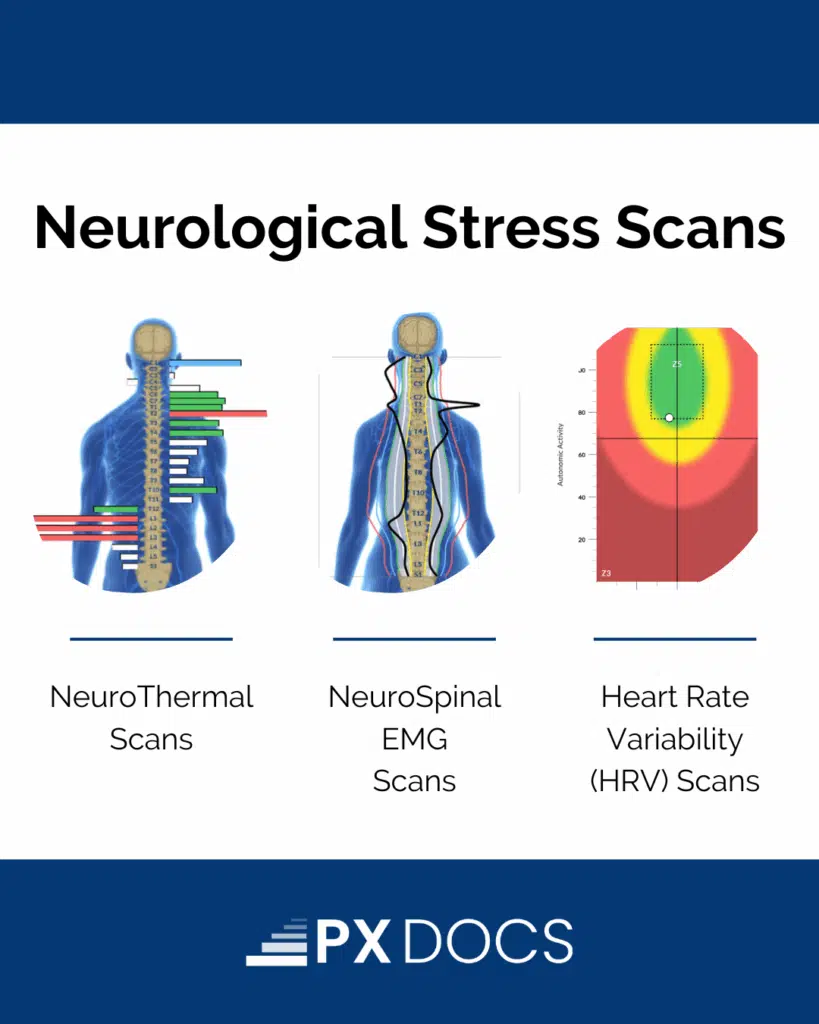
During a chiropractic adjustment for an infant, our doctors use techniques to address stress in the neurospinal system, with a particular focus on the upper cervical region and the areas that may impact vagus nerve function. By removing interference in the nervous system, these adjustments help to:
- Reduce sympathetic dominance and promote parasympathetic activation
- Improve vagal tone and support healthy respiratory function
- Enhance overall neurological balance and resilience
- Support the body’s natural healing processes
In addition to chiropractic adjustments, our doctors may also provide guidance on supportive care measures, such as optimizing feeding and sleeping positions, promoting skin-to-skin contact, and creating a nurturing, low-stress environment to facilitate healing.
By addressing the neurological imbalances associated with MAS, Neurologically-Focused Chiropractic Care offers a natural, drug-free path to recovery and optimal health for infants affected by this challenging condition.
Supportive Care for Infants with MAS
At PX Docs, we believe that parents play a crucial role in their infant’s journey to recovery from Meconium Aspiration Syndrome or any other birth-related stress or trauma. In addition to the Neurologically-Focused Chiropractic Care provided by our doctors, there are many ways that parents can support their baby’s healing process at home.
Some supportive care measures that parents can implement include:
- Creating a calm, nurturing environment: Infants with MAS may be more sensitive to stress and overstimulation. By creating a peaceful, low-stress home environment, parents can help their baby feel more relaxed and secure, promoting healing and reducing the likelihood of further neurological dysregulation.
- Prioritizing skin-to-skin contact: Skin-to-skin contact, also known as kangaroo care, has been shown to have numerous benefits for infants, including improved regulation of heart rate, breathing, and temperature. By holding their baby close, parents can provide a sense of comfort and security, while also supporting healthy bonding and attachment.
- Optimizing nutrition: Proper nutrition is essential for infants recovering from MAS, as it provides the building blocks necessary for growth, development, and healing. Parents should work closely with their healthcare providers to ensure that their baby is receiving the appropriate nutrition, whether through breastfeeding, formula feeding, or a combination of both.
- Engaging in gentle, age-appropriate activities: As their baby recovers, parents can gradually introduce gentle, age-appropriate activities that promote sensory integration, motor development, and overall neurological health. These may include tummy time, gentle massage, and exposure to a variety of sensory experiences, such as different textures and sounds.
By actively participating in their infant’s care and recovery process, parents can help create an environment that supports healing, growth, and optimal development.
Proactive Steps for a Healthy Pregnancy and Birth
While it may not be possible to completely prevent Meconium Aspiration Syndrome, there are proactive steps that expectant parents can take to promote a healthy pregnancy and birth, reducing the risk of complications that may contribute to MAS or other birth-related challenges.
- Manage prenatal stress: Given the potential impact of prenatal stress on fetal neurological development, it is crucial for expectant mothers to prioritize stress management throughout pregnancy. This may involve practicing relaxation techniques, such as deep breathing or meditation, as well as seeking support from loved ones, healthcare providers, or mental health professionals when needed.
- Educate yourself about the birthing process: By learning about the natural progression of labor and delivery, as well as the potential risks and benefits of various interventions, expectant parents can make informed decisions about their care and advocate for a birth experience that aligns with their values and preferences. Attending childbirth education classes, reading evidence-based resources, and discussing concerns with healthcare providers can help parents feel more prepared and empowered.
- Consider chiropractic care during pregnancy: Prenatal chiropractic care can help support a healthy pregnancy by promoting optimal alignment, reducing tension, and supporting overall nervous system function for mom and baby. Regular chiropractic adjustments may also help facilitate a more comfortable, efficient labor and delivery process, reducing the likelihood of interventions that may increase the risk of MAS.
- Communicate openly with your healthcare team: Establishing open lines of communication with your healthcare providers, including your obstetrician, midwife, chiropractor, and pediatrician, is essential for a healthy pregnancy and birth. Share your concerns, preferences, and questions, and work collaboratively to create a care plan that prioritizes the well-being of both you and your baby.
By taking a proactive, informed approach to prenatal care and birth preparation, expectant parents can help create the best possible conditions for a healthy, uncomplicated delivery, reducing the risk of factors that may contribute to Meconium Aspiration Syndrome.
Hope and Healing for Your Child with MAS
For parents facing the challenges of Meconium Aspiration Syndrome, the journey to recovery may seem daunting. However, with the support of Neurologically-Focused Chiropractic Care and a drug-free approach to healing, there is hope for infants affected by this condition.
By understanding the complex interplay of factors that contribute to MAS and interfere with healing, from prenatal stress and birth trauma to subluxation and dysautonomia, parents can begin to appreciate the importance of addressing the root causes of the condition, rather than simply managing side effects.
If your infant has been diagnosed with Meconium Aspiration Syndrome, or if you are seeking a more drug-free approach to your child’s health, we invite you to visit the PX Docs directory to find a qualified pediatric chiropractor near you. With the right support and care, your baby can overcome the challenges of MAS and thrive, reaching their fullest potential for health and happiness.
Together, let us embrace the power of Neurologically-Focused Chiropractic Care and embark on a journey of hope and healing for your little one.