When the vagus nerve can’t regulate inflammation, chronic illness can follow.


PX Doc Author
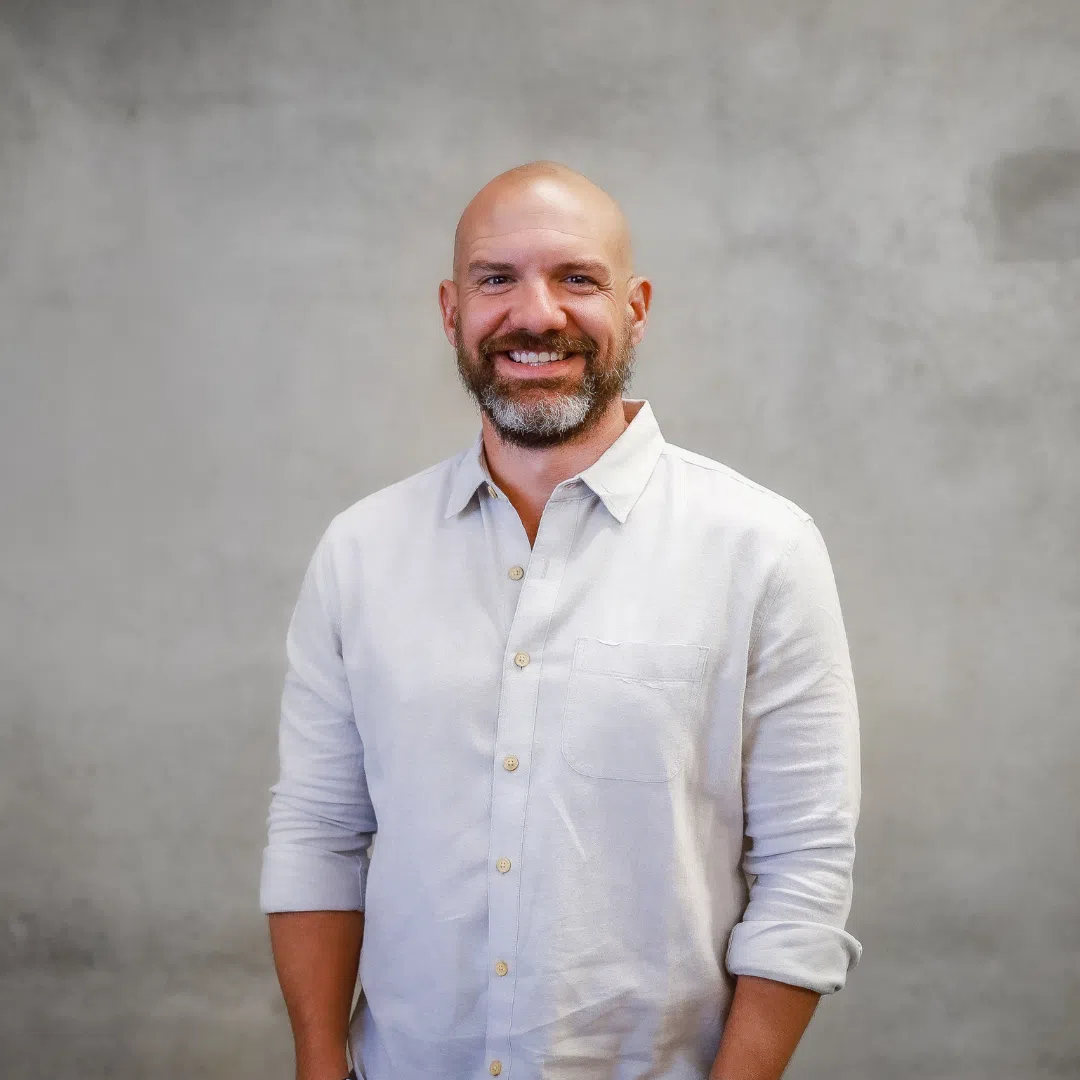
Through clinical practice, professional education, and public-facing platforms such as the Experience Miracles Podcast, Dr. Tony has dedicated his career to helping families and providers understand whole-child, nervous-system-based approaches to improving regulation, resilience, and quality of life. He has collaborated with and contributed alongside leaders in functional and integrative health, as well as organizations supporting families impacted by autism, epilepsy, and chronic childhood illness.
A sought-after voice in pediatric neurological health, Dr. Tony brings his signature ability to make complex neuroscience feel accessible and actionable to his writing on PX Docs. His articles are rooted in both clinical depth and real-world family experience — offering clarity, hope, and a genuine path forward for parents who have tried everything and been told to "just wait and see" one too many times.
When the vagus nerve can’t regulate inflammation, chronic illness can follow.

Repeated scan patterns usually mean we’ve found the nervous system’s main stress point .

Healing can’t move forward when hidden stressors like mold keep the nervous system overwhelmed.

Without neurological stability, small stressors can push a child past seizure threshold.
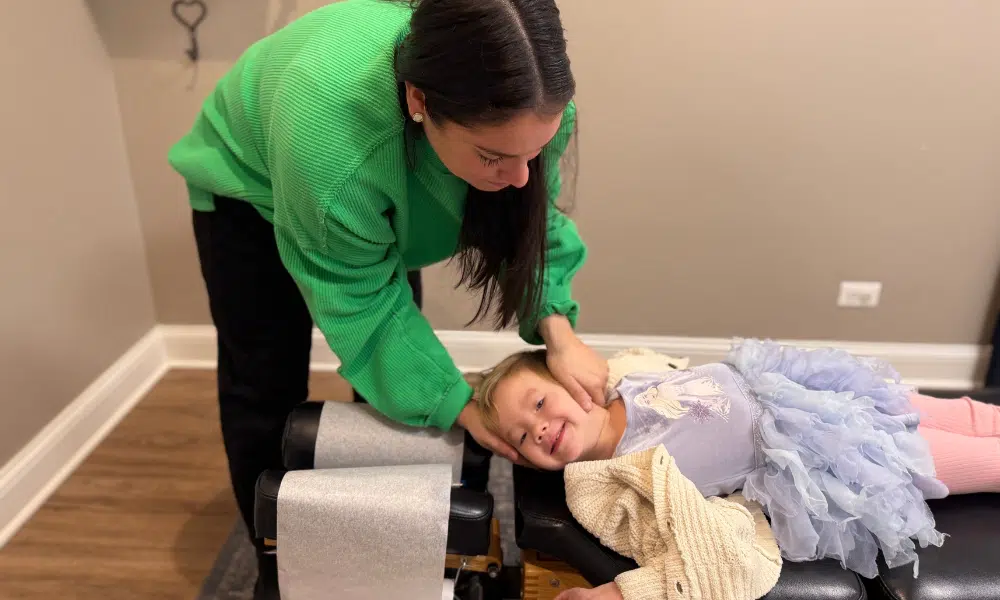
Neurological stability means things don’t fall apart easily. “Slack” is the buffer that keeps a child regulated.

When behavior doesn’t change, it’s often the nervous system — not the child — that needs support.
Directory
Our network of trusted experts, the PX Docs, are a simple search away. Enter your city and state below to search our directory of doctors.