
Every year when the seasons shift, so many parents start to brace themselves — not for the weather, but for what it does to their child. The sneezing fits, the runny nose that never quits, the itchy, watery eyes that steal their smiles. If you find yourself armed with tissues and wipes on repeat, we see you.
Allergies impact a significant number of children, with estimates indicating that up to 40% experience allergic rhinitis. Children are more prone to environmental allergies if one or both parents have allergies.
But what exactly are environmental allergies? In simple terms, they’re an overreaction of the immune system to typically harmless substances in the environment, such as pollen, dust mites, pet dander, or mold. When exposed to these allergens, a child with environmental allergies may experience symptoms such as sneezing, nasal congestion, itchy nose and eyes, and even difficulty breathing.
While the conventional approach to managing environmental allergies often focuses on suppression through medications like antihistamines and nasal sprays, we believe these allergic reactions point to a deeper imbalance within the body—specifically, nervous system dysregulation.
By understanding this critical link between environmental allergies and neurological health, parents can move beyond temporary relief and instead focus on addressing the true root cause of their child’s misery.
What are Environmental Allergies?
Environmental allergies, also known as allergic rhinitis, seasonal allergies, or hay fever, are a common condition in which the body’s immune system overreacts to substances in the environment that are typically harmless. When a child with environmental allergies comes into contact with these substances, their immune system mistakenly identifies them as a threat and releases chemicals like histamine to fight them off. It’s this histamine release that causes the all-too-familiar traits of allergies.
Some common environmental allergens include:
- Pollen from trees, grasses, and weeds. Pollen is considered the most common cause of allergic rhinitis.
- Dust mites are tiny creatures that thrive in warm, humid environments and feed on the dead skin cells shed by humans and pets
- Pet dander, the tiny flakes of skin shed by cats, dogs, and other furry or feathered animals
- Mold spores, which can grow both indoors and outdoors in damp, humid conditions
When a child is exposed to an allergen they’re sensitive to, they may experience a range of environmental allergy symptoms, such as:
- Sneezing
- Runny or stuffy nose
- Itchy, watery, or red eyes
- Itchy nose, throat, or roof of the mouth
- Coughing
- Wheezing or difficulty breathing
- Skin rash or hives
These signs can range from mild to severe and can significantly impact a child’s quality of life. They may have difficulty sleeping, struggle to concentrate in school, or feel self-conscious about constantly sneezing or blowing their nose. Research has found that, in some cases, environmental allergies can increase the risk of asthma, making them a serious health concern for many children.
The Conventional Approach to Environmental Allergies
When a child is diagnosed with environmental allergies, the conventional medical approach often focuses on managing their symptoms through various medications. Some common care plans include:
- Antihistamines: These medications work by blocking the effects of histamine, the chemical released by the immune system that causes allergy signs. While antihistamines can provide temporary relief, they don’t address the underlying reason why the body is overreacting to environmental allergens in the first place.
- Nasal corticosteroid sprays: These sprays help reduce inflammation in the nasal passages, making breathing easier. However, like antihistamines, they focus on managing signs rather than addressing the root cause of the allergic reaction.
- Allergy shots (immunotherapy): This care plan involves regular injections of small amounts of the allergen to help the body build up tolerance over time. While this approach can be effective for some children, it can be lengthy and time-consuming and doesn’t address the underlying neurological dysfunction that contributes to allergies.
These conventional care plans can bring short-term relief, and that’s important. But most parents don’t want their child to depend on medication forever or have to just ‘manage’ it — they want deeper answers and lasting change.
The Nervous System’s Role in Environmental Allergies
To truly understand the root cause of environmental allergies, we must look beyond the immune system and explore the significant role of the nervous system in regulating allergic reactions. At the center of this connection is the Autonomic Nervous System (ANS), which controls involuntary functions like breathing, heart rate, digestion, and even the immune response.
The ANS is divided into two branches: the Sympathetic Nervous System (SNS), which is responsible for the “fight or flight” response, and the Parasympathetic Nervous System (PNS), which promotes “rest, regulate, and digest” functions. In a healthy body, these two branches work together in balance, allowing the body to respond appropriately to stress and then return to a state of relaxation.
However, when the ANS is out of balance, it can contribute to a wide range of health issues, including environmental allergies. One of the key players in this balance is the vagus nerve, the longest cranial nerve in the body. The vagus nerve acts as a communication highway between the brain and the organs, including the immune system.
When the vagus nerve is functioning optimally, it helps regulate the immune response and prevent overreactive responses to harmless substances, like allergens. However, when the vagus nerve is compromised due to subluxation or dysautonomia, it can trigger an overactive immune response and increased inflammation, setting the stage for allergic reactions.
Subluxation refers to interference in the neurospinal system, particularly the vagus nerve, and contributes to immune dysfunction. Dysautonomia is an imbalance in the Autonomic Nervous System, in which an overactive sympathetic and underactive Parasympathetic Nervous System can lead to chronic stress and heightened allergy susceptibility.
The nervous system resembles a network of roads, with the brain as the central hub. Just as an accident can cause traffic delays, a subluxation in the Autonomic Nervous System (ANS) can disrupt the body’s functioning. By addressing these neurological imbalances with targeted, Neurologically-Focused Chiropractic care and drug-free methods, we can restore balance and support the immune response.
The PX Docs Approach to Environmental Allergies
At PX Docs, we take a unique approach to addressing environmental allergies by focusing on the underlying neurological dysfunction that can contribute to immune system imbalances. Our Neurologically-Focused Chiropractic Care is designed to identify and address subluxation and dysautonomia, helping to restore balance to the nervous system and support the body’s natural healing abilities.
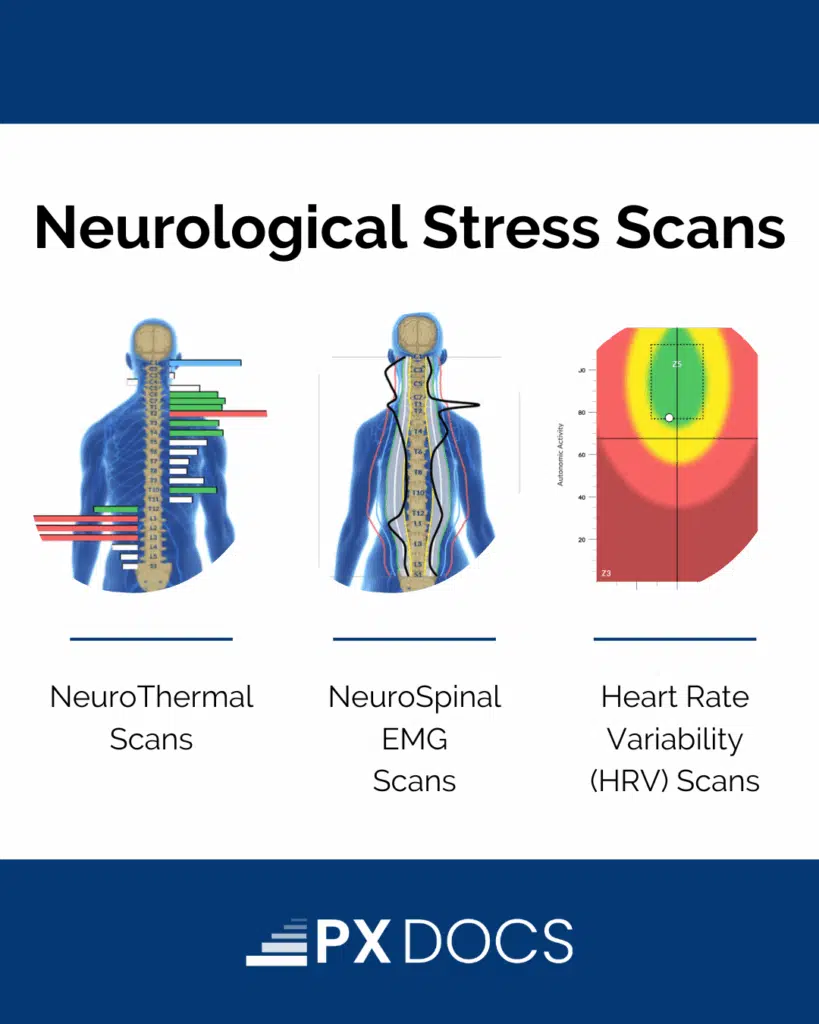
Central to our approach is the use of INSiGHT Scans, advanced diagnostic technology that allows us to objectively assess the function of the nervous system. These scans provide valuable information about areas of neurological stress and imbalance, helping us create targeted care plans that address each child’s specific needs.
Our care plans include neurotonal chiropractic adjustments to correct subluxations, as well as lifestyle recommendations to support optimal nervous system function when appropriate. By addressing the root cause of environmental allergies, rather than just managing symptoms, we aim to provide children with lasting relief and a foundation for lifelong health.
Practical Tips for Reducing Environmental Allergens
In addition to seeking care, there are several practical steps parents can take to reduce their child’s exposure to environmental allergens. Some tips include:
- Using allergy-proof covers on mattresses and pillows to reduce exposure to dust mites
- Regularly vacuuming carpets and upholstered furniture with a HEPA filter to remove allergens
- Keeping pets out of bedrooms and off of furniture to reduce exposure to pet dander
- Using an air purifier to remove allergens and irritants from the air
- Changing clothes and showering after spending time outdoors during peak allergy season
By creating a clean and allergen-free environment at home, parents can help minimize their child’s allergic reactions and support their overall health and well-being.
Empowering Children to Thrive
We believe that every child deserves the opportunity to experience optimal health and vitality. By addressing the root cause of environmental allergies and supporting the healthy function of the nervous system, we empower children to overcome their health challenges and reach their full potential.
If you suspect that your child may be suffering from environmental allergies, we encourage you to take action and seek the care they need. By visiting our PX Docs directory, you can find a qualified practitioner in your area who can assess your child’s unique needs and develop a personalized care plan to support their health and well-being.
Together, we can help children break free from the cycle of allergic reactions and experience the vibrant, healthy life they deserve. By focusing on the fundamental role of the nervous system in regulating the body’s functions, we can provide children with the foundation they need to thrive now and in the years to come.
Don’t let environmental allergies hold your child back any longer. Take the first step towards optimal health today. With our comprehensive approach and unwavering commitment to your child’s well-being, we can help your family experience the transformative effects of Neurologically-Focused Care.