
The connection between ADHD and gut health refers to the growing body of research showing that the balance of bacteria, fungi, and other microorganisms living in a child’s digestive tract directly influences brain function, neurotransmitter production, and nervous system regulation. When this gut microbiome becomes disrupted through early-life stressors, antibiotic use, or poor dietary patterns, it can contribute to the inattention, hyperactivity, impulsivity, and emotional dysregulation that define Attention Deficit Hyperactivity Disorder (ADHD).
If your child struggles with ADHD and you’ve also noticed digestive issues like constipation, stomachaches, or picky eating, you’re not imagining the connection. But here’s what most articles won’t tell you. The gut-brain connection doesn’t operate in isolation. It runs through the nervous system, specifically through the vagus nerve, the primary communication highway between the digestive tract and the brain. When that highway is disrupted early in life by what we call “The Perfect Storm,” both gut health and brain function suffer.
How Does Gut Health Affect ADHD Symptoms in Children?
Children with ADHD consistently show distinct differences in their gut microbiome compared to neurotypical peers. A 2024 study in Brain, Behavior, & Immunity – Health found that children with ADHD had significantly reduced gut microbiota diversity and lower levels of key short-chain fatty acids (SCFAs) that help maintain the gut barrier, reduce inflammation, and support neurotransmitter production.
A 2025 meta-analysis in Scientific Reports analyzing data from over 175,000 individuals found that people with ADHD had a significantly increased risk for irritable bowel syndrome, confirming shared underlying mechanisms between ADHD and gastrointestinal disorders.
For children with ADHD, research has consistently shown reduced vagal tone and lower heart rate variability, both direct measurements of vagus nerve function. This means their Parasympathetic Nervous System, the “brake pedal” that helps them calm down, focus, and digest food properly, isn’t working the way it should.
Disrupted gut health contributes to ADHD symptoms through several pathways: the gut produces approximately 90% of the body’s serotonin and significant amounts of dopamine, so a microbiome imbalance directly reduces levels of these critical neurotransmitters. When the gut lining becomes compromised, bacterial byproducts enter the bloodstream and trigger neuroinflammation that impairs attention and impulse control. And when SCFA levels drop, the vagal nerve signaling that connects gut function to brain function becomes further disrupted.
What Causes Gut Health Problems in Children with ADHD?
The answer lies in a pattern we see clinically every day, what Dr. Tony Ebel calls “The Perfect Storm.” This describes how a sequence of early-life stressors accumulates to overwhelm a child’s developing nervous system, creating nervous system dysregulation that affects every system the nervous system controls, including digestion.
- Prenatal stress. When a mother experiences chronic stress during pregnancy, elevated cortisol crosses the placenta and affects the baby’s nervous system. Research confirms that prenatal stress alters both the infant’s developing microbiome and neural pathways that regulate gut function and behavior.
- Birth trauma and interventions. Procedures like C-sections, forceps, vacuum extraction, and induction can stress the infant’s brainstem and upper cervical region, right where the vagus nerve originates. C-section delivery also bypasses the birth canal, depriving the newborn of beneficial bacteria that seed the initial gut microbiome.
- Early antibiotic exposure. Research links prenatal antibiotic exposure to increased ADHD risk in offspring through alteration of the microbiome during critical developmental windows.
- Chronic sympathetic dominance. When early-life stressors create subluxation, a combination of spinal misalignment, fixation, and neurological interference, the nervous system gets stuck in a sympathetic “fight or flight” dominant state. Think of it as having the gas pedal stuck down while the brake pedal barely works.
This sympathetic dominance directly suppresses the parasympathetic “rest, digest, and regulate” functions controlled by the vagus nerve. Digestion slows. Inflammation increases. The gut microbiome shifts toward a less diverse, more inflammatory state. And the brain develops the patterns of inattention and hyperactivity that get labeled as ADHD.
This is why children with ADHD so often also struggle with colic, reflux, constipation, and chronic ear infections as infants. These aren’t separate problems. They’re signs of the same underlying nervous system dysregulation and dysautonomia that began much earlier in life. Children with ADHD frequently also experience Sensory Processing Disorder, Autism, and anxiety, conditions that share a common root in Autonomic Nervous System dysfunction and pediatric dysautonomia.
How Can Parents Support Their Child’s Gut-Brain Health?
Parents can most effectively support their child’s gut-brain health by starting with the nervous system. Because the vagus nerve serves as the primary communication highway between the brain and the gut, healthy digestion, nutrient absorption, microbiome balance, and even the effectiveness of probiotics all depend on proper nervous system regulation. When a child is stuck in chronic stress or sympathetic dominance, gut function often becomes compromised, making it difficult for even the best dietary interventions to deliver their full benefit.
This is why addressing nervous system dysfunction and vagus nerve regulation should be the foundation of any gut-brain healing strategy. As nervous system function improves, families often report better digestion, fewer stomachaches, improved emotional regulation, and enhanced focus and attention occurring together rather than separately.
Once the nervous system is functioning more efficiently, dietary and probiotic interventions can have a much greater impact.
A 2024 systematic review found that probiotic strains, particularly Lactobacillus and Bifidobacterium species, showed positive effects on ADHD symptoms, while a 12-week randomized controlled trial found Bifidobacterium bifidum supplementation improved neuropsychological performance in children with ADHD. However, these results have been inconsistent across studies, likely because probiotics can only work as effectively as the gut environment allows.
To further support gut-brain health:
- Build a gut-supportive diet gradually by increasing fiber-rich vegetables, fruits, and whole foods that nourish beneficial bacteria.
- Incorporate fermented foods such as yogurt, kefir, sauerkraut, or other traditionally fermented foods when tolerated.
- Consider targeted, multi-strain probiotics, which currently show the greatest promise in research. Consult your healthcare provider regarding strain selection and dosing, especially if your child takes ADHD medication, as recent research suggests psychostimulant medications may independently influence the gut microbiome.
- Address nutrient deficiencies by evaluating iron, zinc, magnesium, vitamin D, and B vitamin status, as these nutrients play critical roles in both neurotransmitter production and gut health.
The Role of INSiGHT Scans
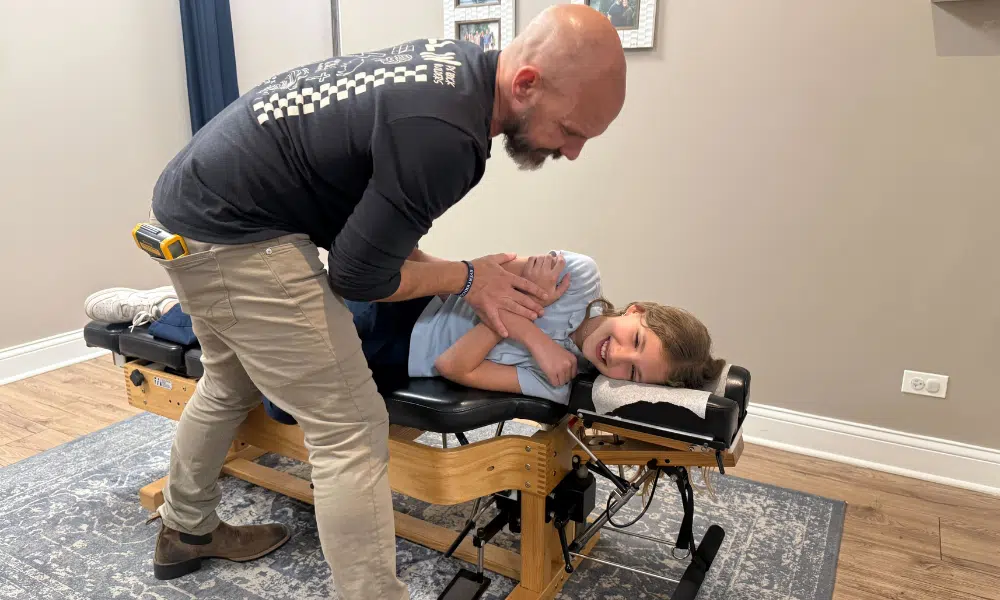
A Neurologically-Focused Chiropractor can use INSiGHT Scans to objectively measure vagal tone, sympathetic dominance, and subluxation patterns.
It’s important to note that this technology does not diagnose medical conditions, and Neurologically-Focused Chiropractic Care is certainly not a treatment or cure for ADHD or any other condition, not even back pain. Instead, these INSiGHT Scans help us track down the root cause of nervous system dysfunction and dysregulation, and build customized care plans and adjusting protocols to help shift the nervous system back into a state of balance, regulation, and resilience.
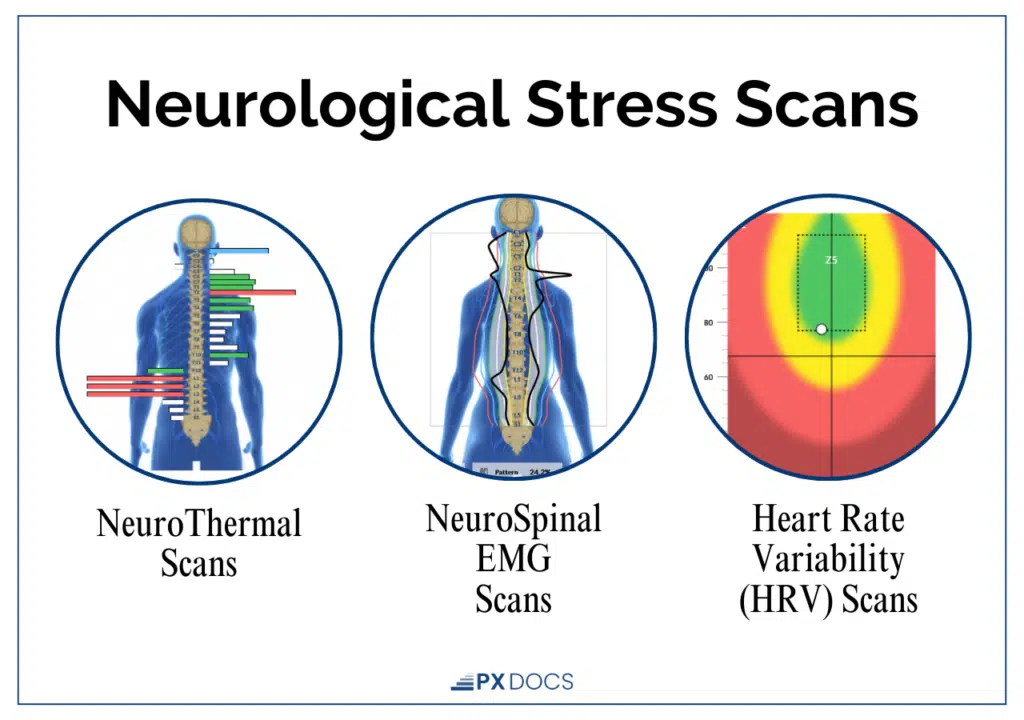
The INSiGHT scan includes three main components:
- Surface electromyography (sEMG): This measures patterns of neuromuscular tension and distortion via electrical activity along the spinal cord, providing a window into areas of chronic stress and subluxation that may interfere with healthy nerve communication and sensory processing.
- Thermography: By measuring temperature differentials along the spine and spinal cord, thermography offers clues about the function of the Autonomic Nervous System, including areas of sympathetic dominance or parasympathetic withdrawal.
- Heart rate variability (HRV): HRV is a measure of the balance and responsiveness of the Autonomic Nervous System. Lowered heart rate variability is often a sign of chronic stress and dysregulation, while higher heart rate variability indicates a more resilient, flexible nervous system.
Taking the Next Step for Your Child’s Gut-Brain Health
Your child’s gut problems and ADHD symptoms aren’t separate issues requiring separate specialists. They’re connected expressions of the same underlying nervous system dysregulation.
The nervous system is remarkably adaptable, especially in children. When subluxation is identified and addressed, when vagal tone improves, and when the Autonomic Nervous System shifts back toward balance, families consistently report improvement across the board: better focus, calmer behavior, improved sleep, and healthier digestion. Visit the PX Docs Directory to find a trained Neurologically-Focused Chiropractor near you. The right care team, the right support, and a regulated nervous system can create powerful opportunities for healing and lasting change.
Frequently Asked Questions
Is there a proven link between gut health and ADHD?
Yes. Multiple studies confirm that children with ADHD exhibit distinct gut microbiome profiles, including reduced microbial diversity and lower levels of short-chain fatty acids. A 2025 meta-analysis of over 175,000 individuals found a significantly increased risk of irritable bowel syndrome in people with ADHD.
Can fixing gut health cure ADHD?
No single intervention “cures” ADHD. However, improving gut health through dietary changes, probiotics, and especially by addressing the nervous system dysfunction that drives gut problems can significantly reduce symptoms. The most effective approach addresses gut health as one component of overall nervous system regulation.
Why does my child with ADHD also have constipation?
Constipation in children with ADHD is extremely common and often reflects vagus nerve dysfunction. The vagus nerve controls gut motility, and when it’s underactive due to sympathetic nervous system dominance, the digestive system slows down. This is a sign of underlying nervous system dysregulation, not just a dietary problem.
What does Neurologically-Focused Chiropractic Care do for ADHD and gut health?
Neurologically-Focused Chiropractic Care doesn’t treat ADHD or gut problems directly. Instead, it identifies and addresses subluxation, which is a combination of spinal misalignment, fixation, and neurological interference that disrupts vagus nerve function and Autonomic Nervous System balance. By restoring proper nervous system communication, the body’s own ability to regulate gut function and brain chemistry can improve.
Can “The Perfect Storm” cause both ADHD and gut problems?
Yes. “The Perfect Storm” describes how prenatal stress, birth trauma, and early childhood stressors accumulate to create nervous system dysregulation. This affects every system the nervous system controls, including brain function and gut function. This is why ADHD and digestive issues so often appear together.