
There’s nothing harder than watching your child struggle to fall asleep night after night. You’ve tried it all — warm baths, bedtime stories, soft music — but they’re still wide awake, restless, and overtired.
It might surprise you how much the right sounds can help calm your child’s busy brain before bed. Enter green noise, nature’s lullaby that can help calm the nervous system and promote restful sleep.
In this article, we’ll explore the science behind green noise for sleep, the critical role of the nervous system in regulating sleep, and how PX Docs’ neurologically-focused approach can help your child—and your entire family—finally catch some much-needed Zs.
Understanding Green Noise
Have you ever found yourself instantly relaxed by the sound of gentle rain or ocean waves? That’s the power of green noise. Green noise is a type of sound that emphasizes mid-range frequencies, typically around 500 Hz. Unlike white noise, which contains equal volumes of all frequencies and can have a harsh, hissing quality, green noise filters out the higher pitches. The result is a smoother, more natural sound that many people find soothing.
Green noise often mimics sounds found in nature. Think rustling leaves, babbling brooks, steady rainfall, or distant waterfalls. These calming soundscapes can transport you to a peaceful environment, even if you’re in the middle of a bustling city or a chaotic household.
But green noise isn’t just pleasant to listen to—it also offers a range of potential benefits. Research suggests that nature-inspired sounds can help:
- Reduce stress and promote relaxation
- Improve focus and concentration
- Enhance sleep quality
- Mask disruptive background noises
By enveloping you in a soothing cocoon of green noise, it can create a sense of calm and tranquility. It’s like a privacy screen for your ears, helping to block out the world’s distractions and lull you into a more restful state.
So, if you’re looking for a natural way to help your child relax, focus, or drift off to dreamland, green noise might be a helpful strategy.
The Nervous System’s Role in Sleep
To fully understand how green noise can help your child sleep better, it’s helpful to explore the intricate workings of the nervous system.
First, it’s important to note that while green noise can be a valuable tool to support your child’s sleep, if it’s going into a nervous system that’s already stuck in stress mode, it can only do so much. The truth is, real rest doesn’t start with the sound machine — it starts within the body.
When the nervous system is dysregulated and stuck in “fight or flight,” the body simply can’t shift into the calm, relaxed state needed for deep, restorative sleep — no matter how many good and helpful external strategies you try. Until the nervous system learns to truly downshift and feel safe, sleep will always be a struggle to maintain rather than something that comes naturally.
At the heart of it all lies the Autonomic Nervous System (ANS), which controls involuntary functions like heart rate, breathing, digestion, and—you guessed it—sleep.
The ANS consists of two main branches: the Sympathetic Nervous System (SNS) and the Parasympathetic Nervous System (PNS). The SNS is often referred to as the “fight-or-flight” response, as it activates when we perceive a threat or stressor. On the other hand, the PNS is known as the “rest-regulate-and-digest” mode, promoting relaxation, recovery, and sleep.
For optimal sleep, the PNS needs to take the lead, allowing the body to unwind and prepare for slumber. A key player in this process is the vagus nerve, a long, wandering nerve that extends from the brainstem to various organs. When functioning properly, the vagus nerve acts as a brake on the SNS, helping to slow heart rate, deepen breathing, and induce a state of calm.
However, when the delicate balance of the ANS is disrupted, sleep issues can arise. This is where the concepts of subluxation and dysautonomia come into play. Subluxation refers to an interference within the neurospinal system that can interfere with the proper regulation of the nervous system. Dysautonomia, often caused by subluxation, describes an imbalance between the SNS and PNS, often with an overactive “fight-or-flight” response.
At PX Docs, we often talk about the “Perfect Storm“—a combination of stressors that can lead to nervous system dysfunction. These may include:
- Birth trauma or interventions
- Physical or emotional stress
- Environmental toxins
- Poor diet and gut health
- Medications or antibiotic use
When these factors accumulate, they can contribute to subluxation and dysautonomia, making it difficult for the body to shift into the peaceful PNS mode required for restful sleep.
This is where green noise can be helpful. By providing a calming, consistent auditory stimulus, green noise can help soothe the nervous system and promote the transition into PNS dominance. The gentle sounds of nature can act as a balm for the overactive SNS, encouraging the body to let go of tension and ease into a more relaxed state conducive to sleep.
However, if your child’s nervous system is deeply stuck in that fight-or-flight mode, green noise alone won’t be enough to create lasting change. It likely needs more deep and lasting repair. By removing subluxation and restoring proper communication within the nervous system, the body can finally relax on its own and respond more effectively to supportive tools like green noise.
Conventional Approaches to Sleep Issues
When a child struggles with sleep, parents often turn to conventional solutions for help. One common approach is medication, such as sedatives or melatonin supplements. While these can provide short-term relief, they come with potential side effects and risks, especially for young children. Medications may cause daytime drowsiness, irritability, or even dependency, without addressing the underlying causes of the sleep disturbance.
Another conventional approach is behavioral strategies, such as establishing consistent bedtime routines, creating a calm sleep environment, and limiting screen time before bed. While these techniques can be helpful, they may not be enough to overcome the effects of nervous system dysregulation.
The missing piece in many conventional approaches is a focus on the nervous system itself. By failing to address the underlying imbalances and dysfunction that can contribute to sleep issues, these strategies may provide only temporary relief. Children may continue to struggle with falling asleep, staying asleep, or achieving truly restful slumber.
At PX Docs, we believe a more comprehensive, neurologically focused approach is needed to help children and families find sustainable sleep solutions.
The PX Docs Approach: Neurologically-Focused Chiropractic Care
At PX Docs, we take a unique approach to helping children achieve optimal sleep: Neurologically-Focused Chiropractic Care. Our method centers on identifying and addressing the underlying nervous system imbalances that can contribute to sleep disturbances.
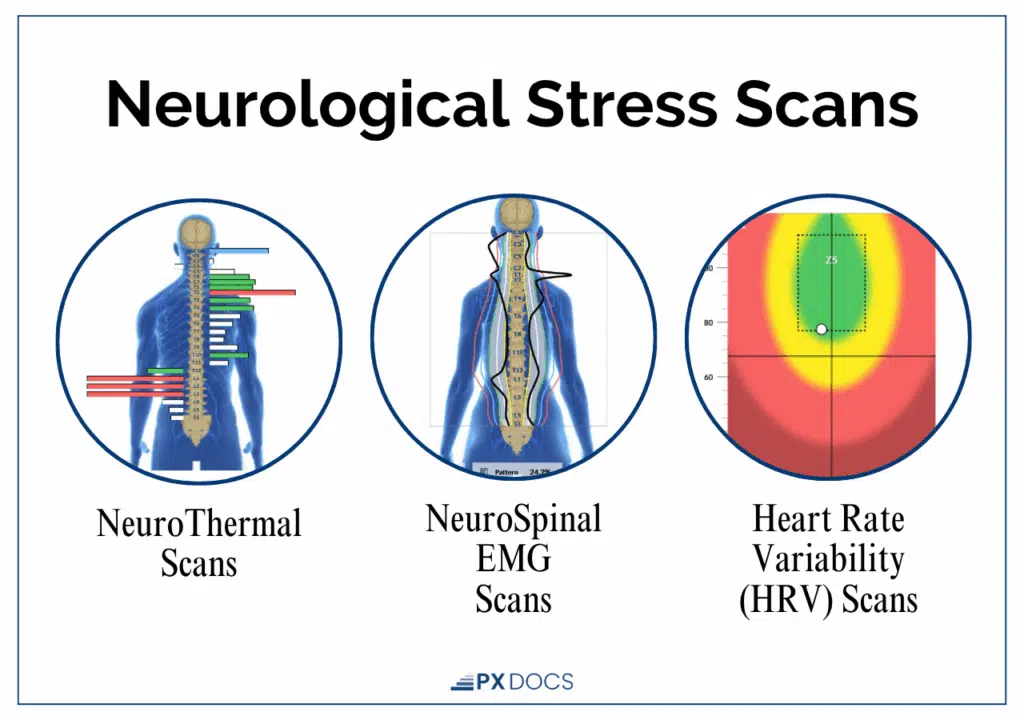
The first step in our process is conducting INSiGHT scans, which provide a detailed picture of your child’s nervous system function. These non-invasive scans allow us to pinpoint areas of subluxation—stress within the nervous system that can interfere with proper parasympathetic regulation. By identifying these patterns, we can create a targeted care plan to help restore balance and promote better sleep.
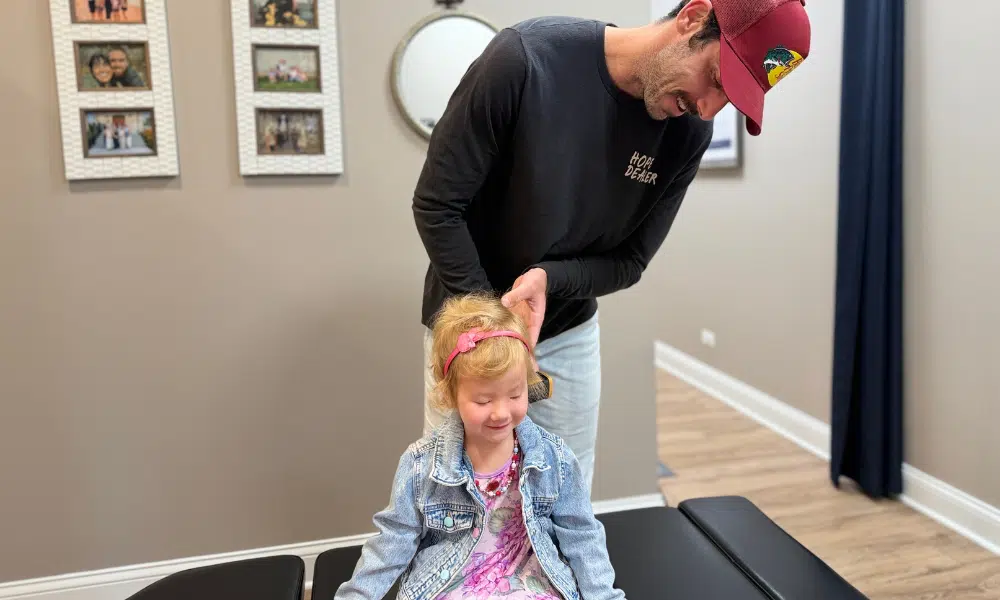
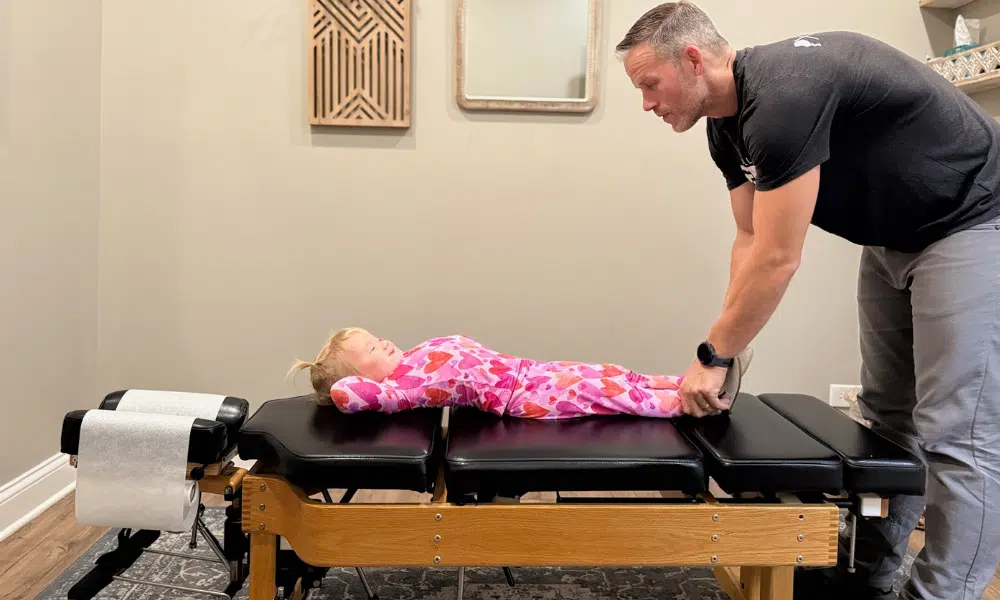
Through effective, neurotonal adjustments, our chiropractors work to release subluxation and encourage the body’s natural healing processes. Picture the nervous system as a car: the sympathetic “fight-or-flight” mode is like the gas pedal, while the parasympathetic “rest-and-digest” mode is the brake pedal. When subluxation is present, it’s like having your foot stuck on the gas—your body is in a constant state of high alert, making it difficult to relax and drift off to sleep. Chiropractic adjustments help release that stuck gas pedal, allowing your child’s nervous system to shift into the healing, sleep-promoting gear.
In addition to chiropractic care, we also provide guidance on creating a sleep environment that supports your child’s nervous system health. This may include:
– Establishing consistent bedtime routines
– Minimizing exposure to screens and stimulating activities before bed
– Ensuring a comfortable, quiet, and dark sleep space
– Encouraging regular exercise and time outdoors during the day
– Managing stress through techniques like deep breathing, mindfulness, or gentle stretching
By combining Neurologically-Focused Chiropractic Care with these lifestyle strategies, we aim to help your child’s nervous system find its natural balance—setting the stage for more restful, restorative sleep.
Our drug-free, non-invasive approach is designed to work with your child’s innate healing abilities, rather than masking symptoms with medication. By addressing the root causes of sleep disturbances and supporting the body’s natural rhythms, we help children and families experience the profound benefits of a well-rested, well-regulated nervous system.
How to Incorporate Green Noise for Better Sleep
Ready to harness the power of green noise for your child’s sleep? Here are some tips to get started:
1. Find the right sounds: Explore apps, playlists, or sound machines that offer a variety of green noise options. Look for recordings of natural environments, such as forests, rivers, or rainstorms. Experiment with different sounds to find what resonates best with your child.
2. Set the optimal volume: Ensure the green noise is loud enough to mask external disturbances but not so loud that it becomes a distraction itself. Aim for a volume that’s comfortable and soothing, allowing your child to relax and drift off to sleep.
3. Be consistent: Incorporate green noise into your child’s bedtime routine every night. Consistency is key in helping the brain associate the soothing sounds with sleep, making it easier for your child to settle down and nod off.
4. Combine with other relaxation techniques: Green noise can be even more effective when paired with other calming practices. Try incorporating deep breathing exercises, gentle stretching, or visualizations alongside the soothing sounds to help your child release tension and ease into a peaceful sleep.
A Calming Sleep Environment for the Whole Family
When one child struggles with sleep, the effects ripple through the entire household. Tired parents, cranky siblings, and a general sense of exhaustion can take a toll on everyone’s well-being. That’s why it’s essential to prioritize sleep hygiene and nervous system health for the whole family.
Start by creating a soothing sleep sanctuary for each family member. Ensure bedrooms are quiet, dark, and cool—the ideal environment for promoting restful sleep. Minimize distractions by keeping electronic devices out of the bedroom and encouraging calming activities like reading or journaling before bed.
Emphasize the importance of consistent sleep routines for everyone, not just the children. By modeling healthy sleep habits and prioritizing your nervous system’s health, you can help create a more harmonious, well-rested household.
Unlocking the Secrets to Restful Sleep
As we’ve seen, green noise is a powerful tool for promoting relaxation, reducing stress, and improving sleep quality. By mimicking the soothing sounds of nature, green noise can help calm the nervous system, making it easier for your child—and the entire family—to drift off into peaceful slumber.
But green noise is just one piece of the puzzle. At PX Docs, we believe in taking a comprehensive, neurologically-focused approach to address the underlying imbalances that can contribute to sleep disturbances. Our drug-free, gentle chiropractic care aims to restore nervous system balance, setting the stage for more restful nights and brighter mornings.
If you’re ready to unlock the secrets to better sleep for your child and your whole family, we invite you to explore the PX Docs directory and find a qualified pediatric chiropractor near you. With our compassionate, expert care and natural solutions, you can help your family experience the profound benefits of a well-rested and thriving nervous system.
Take the first step towards more peaceful nights and healthier days. Embrace the power of green noise and Neurologically-Focused Chiropractic Care—your family’s well-being is worth it.