

As a parent, it’s heartbreaking to see your child struggle with the discomfort and distress of constipation. But have you ever noticed that their bowel troubles seem to worsen during times of stress and anxiety? If you’ve been searching for answers and feel stressed or frustrated by the lack of solutions offered through conventional medicine or even the biomedical realm, there is hope.
Constipation affects up to 30% of children and can lead to significant discomfort, pain, and emotional distress.
The truth is, there’s a powerful connection between our emotional state and our digestive health, and this link is especially crucial during the early years of development. When children experience chronic stress or anxiety, it can lead to physical signs, including constipation, that can leave both kids and parents feeling overwhelmed and helpless.
But what if there was a way to address the root cause of your child’s digestive issues by supporting their nervous system health?
In this article, we’ll explore the fascinating gut-brain connection, the “Perfect Storm” of factors that can lead to anxiety-related constipation, and how Neurologically-Focused Chiropractic Care may hold the key to unlocking your child’s optimal health and well-being.
The Gut-Brain Connection: Understanding the Link Between Emotions and Digestion
Have you ever heard the expression “trusting your gut”? As it turns out, there’s a lot of truth behind this common phrase. Our digestive system and brain are intimately connected, constantly communicating with each other through a fascinating network known as the gut-brain axis.
At the heart of this connection lies the Enteric Nervous System (ENS), a complex web of over 100 million nerve cells lining the gastrointestinal tract. Often referred to as the “second brain,” the ENS plays a crucial role in regulating digestive function, immune response, and even our emotional well-being. This intricate system works in tandem with the central nervous system, allowing the brain and gut to exchange information and influence each other’s behavior.
One of the key players in this gut-brain communication is serotonin, a neurotransmitter that helps regulate mood, appetite, and sleep. Interestingly, about 95% of the body’s serotonin is produced in the gut, highlighting the strong link between digestive health and emotional well-being. When the balance of serotonin and other neurotransmitters is disrupted by stress or anxiety, it can lead to a range of gastrointestinal issues, including constipation, diarrhea, and abdominal pain.
So, how exactly does emotional stress affect the gut? When we experience anxiety or stress, our body releases hormones like cortisol and adrenaline, triggering the “fight or flight” response. This natural reaction can be beneficial in short-term situations, but when stress becomes chronic, it can wreak havoc on our digestive system. Prolonged exposure to stress hormones can:
- Alter the gut microbiome, leading to an overgrowth of harmful bacteria
- Increase inflammation in the digestive tract
- Slow down gut motility, causing constipation
- Exacerbate signs of existing gastrointestinal conditions, such as irritable bowel syndrome (IBS)
By understanding the powerful connection between the brain and the gut, parents can begin to recognize the role that emotional stress may play in their child’s digestive health. Armed with this knowledge, they can start to explore drug-free, natural approaches to healing that address both the physical and emotional aspects of well-being.
The “Perfect Storm” of Factors Contributing to Anxiety-Related Constipation in Children
As parents, we may wonder why our children struggle with digestive issues like constipation, especially when we’ve tried everything from dietary changes to over-the-counter remedies. The truth is, there’s rarely a single cause behind these challenges. Instead, it’s often a combination of factors that create a “Perfect Storm,” overwhelming a child’s developing nervous system and leading to physical and emotional signs over time.
One of the first pieces of the puzzle is prenatal stress and maternal health. Studies have shown that when a mother experiences high levels of stress during pregnancy, it can have a lasting impact on her child’s nervous system development. This is because the mother’s stress hormones can cross the placental barrier, exposing the fetus to elevated levels of cortisol and other stress-related chemicals. Over time, this exposure can alter the way the child’s brain and gut communicate, setting the stage for future digestive issues.
Another critical factor in the “Perfect Storm” is birth trauma and interventions. While medical interventions like C-sections, forceps, and vacuum extraction can be life-saving in certain situations, they can also cause physical stress and trauma to a baby’s delicate nervous system.
The force used during these procedures can cause subluxation that interferes with the nervous system, particularly in the upper neck, a region that plays a key role in regulating digestion.
We often see this early on as colic, reflux, and other digestive challenges in infancy. These are some of the first red flags that a baby’s nervous system is under stress and not properly regulating digestion and relaxation. When the vagus nerve and brainstem are affected during birth, it can interfere with the normal communication between the gut and brain. The result is a baby who struggles to settle, sleep, and digest comfortably, often leaving parents exhausted and searching for answers. Over time, if that stress isn’t resolved, it can set the stage for ongoing challenges with digestion, immunity, sleep, and emotional regulation.
As children grow and develop, they may also face a variety of early childhood stressors that can further exacerbate anxiety-related or stress constipation. These may include:
- Emotional stress from family dynamics, school pressures, or social challenges
- Poor sleep habits or irregular routines that disrupt the body’s natural rhythms
- Environmental toxins and pollutants that can impact gut health and nervous system function
- Overuse of antibiotics which can alter the delicate balance of gut bacteria and contribute to digestive issues
When these factors combine, they create a “Perfect Storm” that can overwhelm a child’s nervous system, leading to a vicious cycle of anxiety and constipation. As stress and emotional tension build, the gut-brain connection becomes further imbalanced, perpetuating the cycle of digestive distress.
By understanding the complex interplay of these factors, parents can begin to take a more drug-free approach to their child’s health. Rather than simply caring for the signs of constipation, it’s essential to address the underlying imbalances in the nervous system and support the body’s natural ability to heal.
Anxiety and Stress Constipation Causing A Vicious Cycle
When a child experiences chronic anxiety, it can set in motion a series of physiological changes that directly impact their digestive health. One of the most common manifestations of this is constipation. So, how exactly does anxiety contribute to constipation?
When the body is in a state of heightened stress, the Sympathetic Nervous System (SNS) kicks into gear, triggering the “fight or flight” response. This natural reaction is designed to prepare the body for action, but when it becomes chronic, it can have a profound impact on digestive function. The SNS diverts blood flow away from the gut to the muscles and brain, slowing down the normal contractions of the intestines (peristalsis) that help move waste through the colon. As a result, the stool becomes dry, hard, and difficult to pass, leading to constipation.
But the relationship between anxiety and constipation isn’t just a one-way street. In fact, the very experience of being constipated can worsen feelings of stress and anxiety, creating a vicious cycle that can be difficult to break.
Children who struggle with chronic constipation may feel embarrassed, ashamed, or fearful of painful bowel movements, leading to increased emotional tension and a reluctance to use the bathroom. This, in turn, can further exacerbate the physical signs of constipation, leading to a downward spiral of digestive distress. For parents wondering, “How long does stress constipation last?” It’s important to note that duration varies depending on the individual’s stress levels and gut health.
Chronic stress can also have a profound impact on the gut microbiome, the delicate balance of bacteria that plays a crucial role in digestive health. When the body is in a constant state of stress, it can lead to an overgrowth of harmful bacteria and a decrease in beneficial strains, a condition known as dysbiosis. This imbalance can contribute to gut inflammation, further exacerbating constipation and other digestive symptoms.
Over time, this vicious cycle of anxiety and constipation can take a significant toll on a child’s overall health and well-being. They may experience:
- Abdominal pain and bloating
- Decreased appetite and nutrient absorption
- Sleep disturbances and fatigue
- Mood changes, irritability, and difficulty concentrating
- Avoidance of social situations or activities due to digestive discomfort
Breaking free from this cycle often requires a drug-free approach that addresses both the physical and emotional aspects of health. While conventional care plans like laxatives and stool softeners may provide temporary relief, they often fail to address the underlying imbalances in the nervous system that perpetuate the cycle of anxiety and constipation.
These medications are also not without risk. They come with short- and long-term side effects, including cramping, dehydration, dependency, and weakened digestive function over time, which is why so many families begin searching for a safer, more lasting approach.
The Role of the Nervous System in Digestive Health
At the heart of the gut-brain connection lies the Autonomic Nervous System (ANS), a complex network of nerves that regulates involuntary functions like heart rate, breathing, and digestion. The ANS is divided into two main branches: the Sympathetic Nervous System (SNS), which is responsible for the “fight or flight” response, and the Parasympathetic Nervous System (PNS), which promotes “rest, regulate, and digest” functions.
In a healthy, balanced state, the SNS and PNS work together to maintain homeostasis, allowing the body to respond appropriately to stress and then return to a state of relaxation. However, when a child experiences chronic anxiety or stress, the SNS can become overactive, leading to a state of sympathetic dominance. This imbalance can have a profound impact on digestive function, contributing to signs such as constipation, abdominal pain, and bloating.
One of the key players in regulating the PNS and promoting healthy digestive function is the vagus nerve. This longest cranial nerve extends from the brainstem to the abdomen, connecting the brain to the gut and other vital organs. The vagus nerve is responsible for a wide range of functions, including:
- Stimulating the release of digestive enzymes and stomach acid
- Controlling the muscles of the stomach and intestines to facilitate peristalsis
- Regulating inflammation and immune response in the gut
- Communicating sensory information from the gut back to the brain
When the vagus nerve is functioning optimally, it helps to promote a state of relaxation and supports the natural contractions of the digestive tract. However, when the vagus nerve becomes dysfunctional, often due to subluxation or tension in the neurospinal system, it can lead to a condition known as dysautonomia. This imbalance in the ANS can contribute to a wide range of digestive signs, including constipation, acid reflux, and irritable bowel syndrome (IBS).
Subluxation can occur due to a variety of factors, including physical trauma, emotional stress, and environmental toxins. When this occurs, it can disrupt the healthy regulation of the nervous system, leading to a state of dysfunction and unease. Over time, this can perpetuate the vicious cycle of anxiety and constipation, making it difficult for children to find lasting relief.
By understanding the critical role of the nervous system in regulating digestive health, parents can begin to appreciate the importance of addressing imbalances at this foundational level. Rather than simply masking signs with laxatives or other medications, supporting the proper function of the nervous system through Neurologically-Focused Chiropractic Care can help restore balance and promote optimal gut health from the inside out.
Related Conditions: IBS and IBD
When discussing anxiety-related digestive issues in children, it’s helpful to recognize two common conditions that may be at play: irritable bowel syndrome (IBS) and inflammatory bowel disease (IBD). While these conditions have distinct differences, they both share a strong connection to emotional stress and nervous system dysregulation.
IBS is a functional gastrointestinal condition characterized by abdominal pain, bloating, and changes in bowel habits, including constipation or diarrhea. While the exact cause of IBS is unknown, research suggests that a combination of factors, including altered gut-brain communication, genetics, and visceral hypersensitivity, may contribute to its development. Children with IBS often experience heightened anxiety and stress, which can exacerbate their digestive symptoms and create a vicious cycle of physical and emotional discomfort.
On the other hand, IBD, which includes Crohn’s disease and ulcerative colitis, is a chronic inflammatory condition that affects the digestive tract. Unlike IBS, IBD involves structural changes to the intestinal lining and can lead to more severe complications if left unaddressed. While the exact cause of IBD is also unknown, research indicates that a combination of genetic, environmental, immune response, and microbiome factors may play a role in its development.
Interestingly, studies have shown that emotional stress and anxiety can have a significant impact on the course of IBD. Children with IBD who experience high levels of stress may be more likely to experience flare-ups, hospitalizations, and a decreased quality of life. This connection highlights the importance of addressing both the emotional and neurological aspects of digestive health, in addition to managing the physical symptoms of the condition.
Natural Remedies and Lifestyle Changes
In addition to seeking professional care, there are several natural remedies and lifestyle changes that can support digestive health and help manage anxiety-related constipation in children. Some effective strategies include:
- Encouraging regular physical activity: Exercise helps to stimulate the natural contractions of the digestive tract and can promote regular bowel movements. Encouraging children to engage in age-appropriate physical activities, such as playing outside, swimming, or participating in sports, can help reduce stress and support healthy digestion.
- Promoting a fiber-rich diet: Increasing the amount of fiber in a child’s diet can help to soften stools and promote regular bowel movements. Good sources of fiber include fruits, vegetables, whole grains, and legumes. However, it’s important to introduce fiber gradually and ensure that children are drinking enough water to prevent discomfort or bloating.
- Practicing relaxation techniques: Teaching children simple relaxation techniques, such as deep breathing, progressive muscle relaxation, or visualization, can help to reduce stress and promote a sense of calm. Encouraging regular practice of these techniques can help children to better manage their anxiety and support healthy digestive function.
- Establishing regular toilet routines: Creating a consistent toilet routine can help reinforce healthy bowel habits and reduce the risk of constipation. Encouraging children to sit on the toilet at regular intervals, such as after meals or before bedtime, can help to establish a predictable pattern and make going to the bathroom start to feel less stressful.
- Limiting processed foods and sugary drinks: Processed foods and sugary beverages can contribute to inflammation and disrupt the delicate balance of gut bacteria. Encouraging children to eat a variety of whole, nutrient-dense foods and limiting their intake of processed snacks and drinks can support overall digestive health and reduce the risk of constipation.
By incorporating these natural remedies and lifestyle changes, parents can take a proactive role in supporting their child’s digestive health and reducing the impact of anxiety-related constipation.
Neurologically-Focused Chiropractic Care: Addressing the Root Cause
While natural remedies and lifestyle changes can be valuable tools in managing anxiety-related constipation, addressing the underlying nervous system imbalances is crucial for achieving lasting relief. This is where Neurologically-Focused Chiropractic Care comes in.
Unlike conventional chiropractic care, which primarily focuses on musculoskeletal issues, Neurologically-Focused Chiropractic Care takes a more comprehensive approach to health and wellness. By recognizing the intimate connection between the nervous system and digestive system, Neurologically-Focused Chiropractors work to identify and address the root causes of digestive dysfunction.
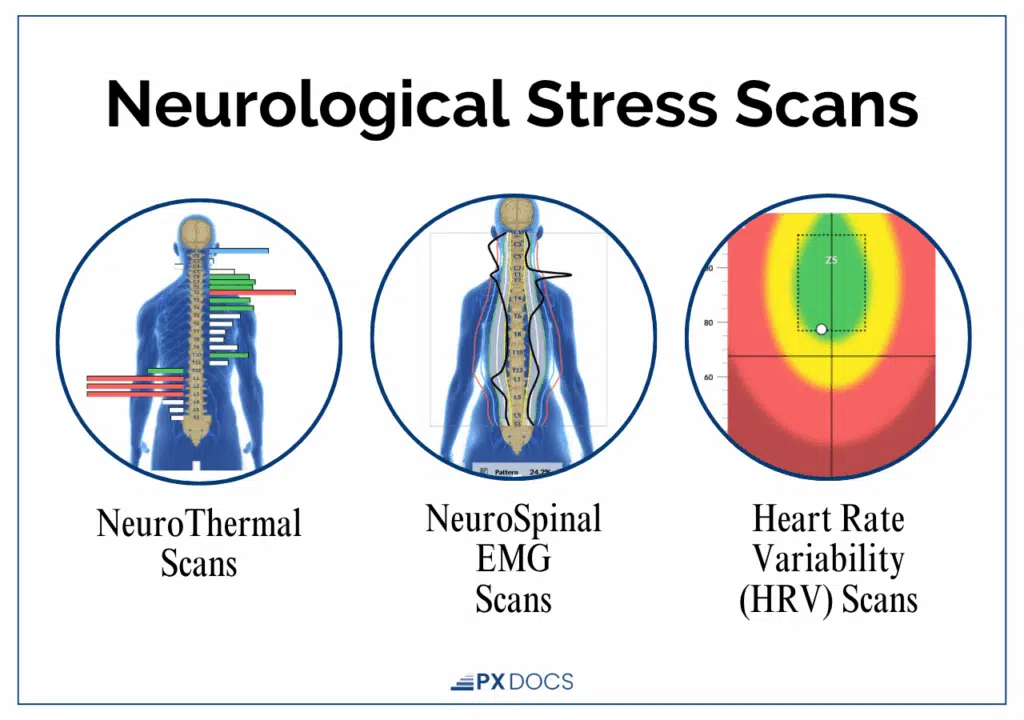
Central to this approach is the use of advanced diagnostic tools, such as the INSiGHT scanning technology. These scans provide a detailed assessment of a child’s nervous system regulation, allowing chiropractors to pinpoint areas of subluxation and dysautonomia that may be contributing to their digestive issues. By analyzing this information, our PX Docs can develop personalized care plans that target the specific needs of each child.
Ava’s story is a great example. After a round of antibiotics for an ear infection, her digestion spiraled out of control, causing severe stomach pain, reflux, anxiety, and exhaustion that drained her energy and joy. Despite seeing multiple specialists, nothing brought lasting relief. It wasn’t until her PX Docs care team looked deeper — assessing her nervous system through scans — that the root cause became clear. Her body was stuck in a constant “fight or flight” mode, keeping her gut from functioning properly. Once that stress was released through gentle, specific adjustments, Ava’s energy, personality, and healthy digestion returned, and she was back to doing what she loved.
The Power of a Drug-Free Approach
Watching your child struggle with the physical and emotional burden of anxiety-related constipation is heartbreaking. You may feel helpless, frustrated, and unsure of where to turn for answers. But by understanding the complex interplay between the gut, brain, and nervous system, you can play a powerful role in your child’s healing journey.
Neurologically-Focused Chiropractic Care offers a safe, natural, and effective way to address the root causes of digestive dysfunction and promote optimal health from the inside out. By working with a qualified PX Docs provider, you can gain valuable insights into your child’s unique needs and develop a personalized plan to support their well-being.
So, if you’re ready to take the first step toward transforming your child’s health and well-being, we invite you to visit the PX Docs Directory today. There, you’ll find a community of dedicated, compassionate PX Docs who are committed to helping children thrive. With their expertise and support, you can empower your child to overcome the challenges of anxiety-related constipation and embrace a life of optimal health and happiness.
Remember, you are your child’s greatest advocate, and by seeking out the care and resources they need, you’re giving them the gift of a brighter, healthier future. Together, we can create a world where every child has the opportunity to reach their full potential, one nervous system at a time.