
Attention Deficit/Hyperactivity Disorder (ADHD) diagnosis rates have reached unprecedented levels, with more children getting diagnosed every year. Nearly 10% of all school-aged children in the U.S. now carry the diagnosis.
Yet for kids struggling with impulsiveness, emotional dysregulation, disorganization, and hyperactivity, lasting relief from behavioral programs, elimination diets, supplements, and medication remains elusive for most families. If you feel your bright, creative child’s challenges run deeper than a dopamine deficiency, you may be right, and you’re not alone in searching for a better explanation.
That deeper root cause is often vagus nerve dysfunction.
The vagus nerve and ADHD are far more connected than most pediatricians acknowledge. The vagus nerve is the primary messenger carrying signals between the brain and organs, regulating heart rate, breathing, digestion, inflammation, and the entire parasympathetic relaxation system. When this neurological pathway develops dysfunction from early trauma, chronic stress, or nervous system dysregulation, children display all the hallmarks of ADHD.
Emerging research now clearly traces poor attention, emotional reactivity, fidgeting, digestive problems, and sleep issues back to impaired vagal function and neurological miscommunication. Understanding this connection is the first step toward addressing the root cause, rather than chasing the signs with medication that never solves what started the problem.
What Is the Vagus Nerve?
The vagus nerve is the longest and most complex cranial nerve, originating at the brainstem and traveling down through the neck, chest, and into the abdomen, which is why it’s often called the “wandering nerve.”
As the main component of the Parasympathetic Nervous System, it activates the body’s “rest, digest, and regulate” response: slowing heart rate, activating digestion, regulating breathing, moderating inflammation, and promoting recovery once perceived threats pass.
The vagus nerve is also central to speech, social engagement, and emotional regulation.
Over 75% of all nerve fibers carrying sensory signals about organ function travel along vagal pathways. That makes the vagus nerve disproportionately influential in coordinating virtually every bodily process tied to health and development. When it’s not functioning well, signs like insomnia, anxiety, gut issues, poor focus, and emotional volatility follow, all of which overlap with ADHD.
The Vagus Nerve–ADHD Connection: What the Research Shows
Research clearly demonstrates links between impaired vagal tone, poor nervous system communication (dysautonomia), and Attention Deficit/Hyperactivity Disorder (ADHD).
Children with ADHD consistently show low heart rate variability (HRV), the most direct measurable marker of vagus nerve activity and parasympathetic tone. Low HRV means the Autonomic Nervous System is stuck in sympathetic overdrive: fight-or-flight mode running all day, every day. That chronic sympathetic dominance explains poor executive function (working memory, planning, impulse control), emotional dysregulation, and difficulty regulating attention—the exact challenges that define ADHD.
ADHD medications work by temporarily increasing dopamine and norepinephrine in the brain. That’s why they help in the short term. But they don’t change the underlying autonomic imbalance. The gas pedal stays stuck down. The brake pedal—the vagus nerve and parasympathetic system—stays weak. When the medication wears off, nothing has changed.
Children with vagus nerve dysfunction also frequently display related complaints:
- Digestive problems like bloating, constipation, and acid reflux
- Sleep disorders
- Food sensitivities
- Heightened inflammation.
These aren’t separate problems; they’re the same nervous system dysfunction showing up across multiple systems simultaneously.
The gut-brain axis is a key part of this picture. Research confirms that the microbiome–gut–brain axis plays a significant role in ADHD, with the vagus nerve serving as the primary communication highway between the enteric nervous system lining the gut and the central brain. When vagal signaling is disrupted, gut function suffers, which in turn disrupts neurotransmitter production, since the vast majority of serotonin and other key brain chemicals are produced in the gut, not the brain.
Polyvagal Theory: A Framework for Understanding ADHD Behavior
One of the most useful frameworks for understanding why ADHD kids behave the way they do is polyvagal theory, developed by researcher Dr. Stephen Porges.
Polyvagal theory proposes that the nervous system operates in three distinct states:
- The ventral vagal state is the regulation zone—where a child is calm, connected, focused, and able to learn.
- The sympathetic state is fight-or-flight—where a child is reactive, hyperactive, impulsive, and flooded with stress hormones.
- The dorsal vagal state is the shutdown or freeze response—where a child appears checked out, disconnected, or “zoned out.”
Children with ADHD spend far too much time in sympathetic overdrive and far too little time in that ventral vagal regulation zone. Research on autonomic regulation in ADHD supports this model: studies show that children with ADHD consistently demonstrate reduced cardiac vagal control.
Their nervous system has essentially lost the ability to shift into that calm, focused state on demand—particularly when transitioning between activities, managing frustration, or processing sensory input. What parents and teachers often interpret as defiance or lack of effort is, neurologically speaking, a nervous system stuck outside its window of tolerance.
This is exactly what makes addressing vagal tone so important in ADHD. Strengthening the vagus nerve isn’t just about caring for a sign. It’s about restoring the child’s nervous system capacity to regulate itself.
What Causes Vagus Nerve Dysfunction in Children?
The neuromuscular tissues surrounding the vagus nerve are sensitive to both physical tension and inflammation. At PX Docs, we see this originate in what we call the “Perfect Storm,” a convergence of three compounding factors that set the nervous system on a dysregulated trajectory from early in life:
- Prenatal Stress: Maternal stress, illness, or exposure to medications and toxins during pregnancy can wire the developing nervous system toward a heightened stress response before a child is even born. The vagus nerve and the autonomic nervous system begin to form in utero, making this window especially critical.
- Birth Trauma: Common birth interventions, vacuum or forceps extraction, C-sections, prolonged labor, place enormous physical strain on the brainstem and upper cervical spine, which is precisely where the vagus nerve originates. This leads to subluxation, a complex neurological dysfunction involving misalignment within the neurospinal system, fixation and restricted motion, and the resulting neurological interference that disrupts brain-body communication. When subluxation occurs in the upper cervical region, it can directly impair vagus nerve signaling from day one.
- Environmental Stressors: As children grow, regular childhood injuries, poor posture from device use, and dental or cranial restrictions continue to layer stress onto the vagus nerve. Repeated courses of antibiotics can also disrupt the microbiome and gut-brain connection, further weakening vagal signaling over time.
Gradually, the “rest and digest” system stays suppressed. Signs escalate. Attention span, impulse control, and emotional regulation falter—the hallmarks of ADHD.
Natural Vagus Nerve Exercises That Support ADHD
One of the most empowering parts of understanding the vagus nerve–ADHD connection is that there are practical ways to support vagal tone at home. These vagus nerve exercises aren’t cures; they’re inputs that help shift the nervous system toward the ventral vagal regulation state.
- Diaphragmatic breathing. Slow, deep breathing that expands the belly rather than the chest directly stimulates the vagus nerve and activates the parasympathetic response. Even 5 minutes of intentional slow breathing can meaningfully shift HRV. Research on transcutaneous vagus nerve stimulation confirms that activating vagal pathways produces real, measurable improvements in executive function.
- Humming, singing, and gargling. These activate the muscles in the back of the throat that are directly connected to the vagus nerve. Gargling with water vigorously for 30-60 seconds is one of the simplest and most direct vagal stimulation techniques available.
- Cold water exposure. Splashing cold water on the face triggers the diving reflex, which activates the vagus nerve and slows the heart rate.
- Physical movement and play. Rhythmic, bilateral movement—swinging, jumping, crawling—helps regulate the nervous system, particularly in children who are sensory-seeking or hyperactive.
These exercises support the bigger neurological picture but don’t address the structural and neurological dysfunction that’s often at the root. That’s where Neurologically-Focused Chiropractic Care comes in.
Signs Your Child’s Vagus Nerve May Be Affecting Their ADHD
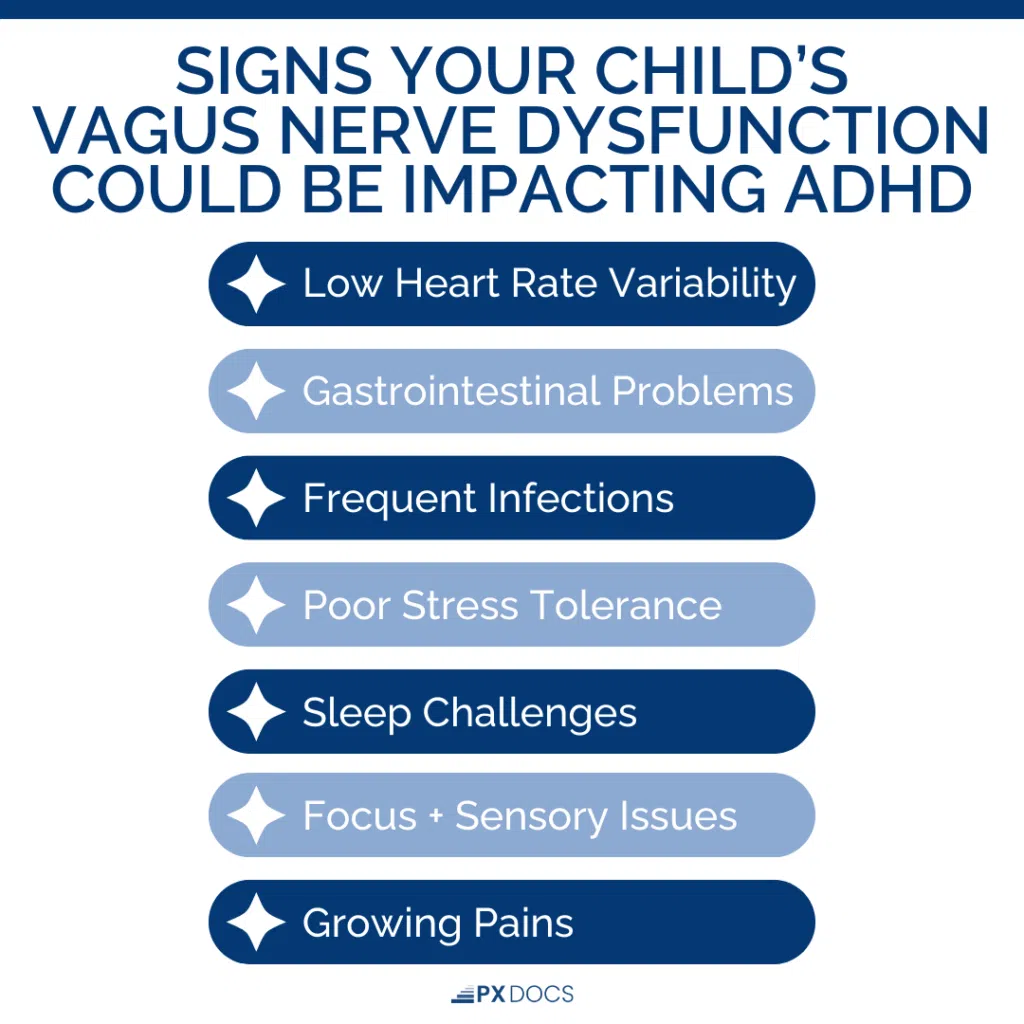
Since the vagus nerve regulates so many body systems, signs of dysfunction are varied. Key indicators that reduced vagal tone is contributing to your child’s challenges include:
- Low Heart Rate Variability (HRV): The most direct measurement of vagus nerve activity, and the most underused diagnostic tool in pediatric ADHD care
- Gastrointestinal Problems: Leaky gut and chronic inflammation disrupt the gut-brain signaling the vagus nerve facilitates
- Frequent Infections: A dysregulated vagus nerve undermines the immune coordination it normally provides
- Poor Stress Tolerance: Transitions, changes, and unexpected demands become overwhelming rather than manageable
- Sleep Challenges: Difficulty winding down, staying asleep, or feeling rested
- Emotional Dysregulation: Explosive reactions, meltdowns, or mood swings disproportionate to the trigger
- Focus & Sensory Issues: Require extra stimuli to concentrate
If your child shows several of these alongside their ADHD diagnosis, vagus nerve dysfunction and dysautonomia are worth looking into directly, not just managing traits on top of traits.
How PX Docs Assess and Address Vagus Nerve Dysfunction
Our network of Neurologically-Focused Chiropractors doesn’t guess. We measure.
The first step involves a detailed case history and then direct assessment of the vagus nerve and the Autonomic Nervous System through INSiGHT Scans. The Heart Rate Variability (HRV) scan is the most direct and objective measure of vagal tone; it can precisely identify and quantify vagus nerve dysfunction, making it an essential tool for ADHD care.
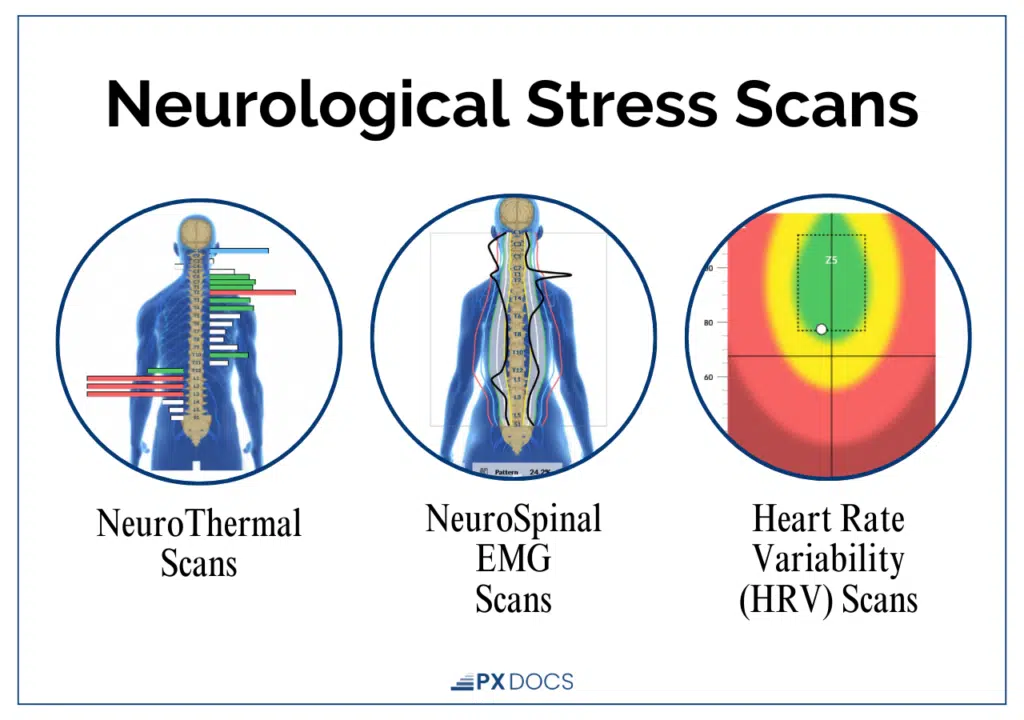
Customized care plans then use precise Neurologically-Focused Chiropractic adjustments to address subluxation, release sympathetic tension, activate the vagus nerve, and restore communication between the brain and body. The most common first responses parents report: better sleep, more calm, and improved emotional dysregulation.
As care continues, the body relearns how to produce a parasympathetic and vagus nerve response at appropriate times. When subluxation and dysautonomia are addressed with a full neurological restoration plan—as the providers in the PX Docs Network are trained to deliver—many children see their ADHD shift from a daily obstacle into a genuine strength.
The energy, creativity, and sensitivity that make ADHD kids special? That stays. What changes is their capacity to regulate when it matters.
The Path Forward
ADHD doesn’t have to mean a lifetime of managing symptoms. When you understand that the nervous system—specifically the vagus nerve and autonomic regulation—is at the center of your child’s struggles, a different path opens up.
The families who see the biggest shifts are usually the ones who stopped asking “how do we manage this?” and started asking “what caused this in the first place?” If your child has already tried behavioral therapy, dietary changes, or medication without lasting results, that’s a signal worth paying attention to. It likely means the root cause hasn’t been addressed yet.
Your child’s energy, creativity, and intensity aren’t the problem. They never were. The goal of Neurologically-Focused Chiropractic Care isn’t to change who your child is; it’s to give their nervous system the capacity to regulate, so those qualities become strengths rather than obstacles. If you’re ready to find out what’s actually going on in your child’s nervous system, find a PX Doctor near you today.